








Realising a Heartfelt Journey Through People-Centred End-of-Life Care





Realising a Heartfelt Journey Through People-Centred End-of-Life Care

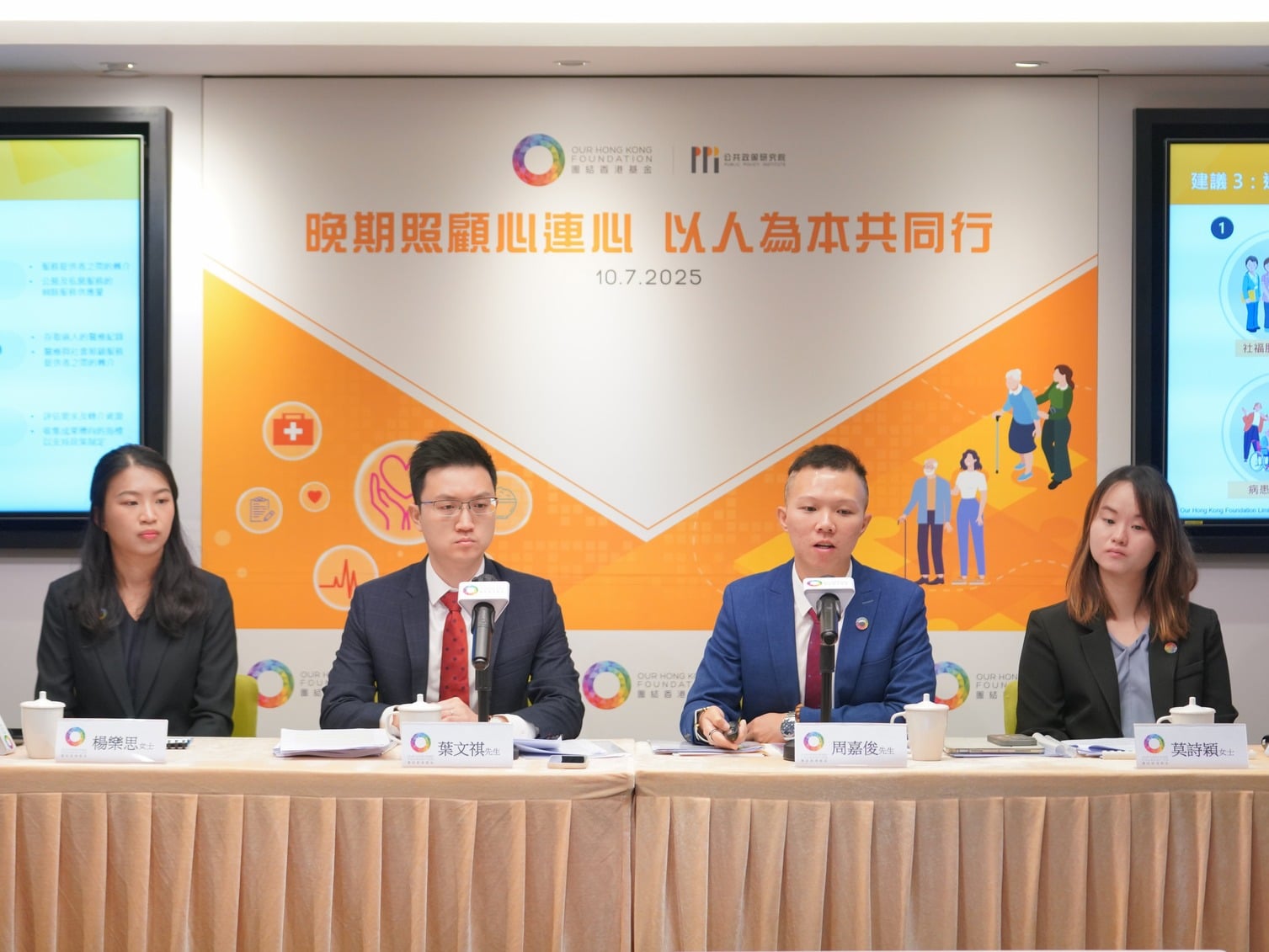
Our Hong Kong Foundation (OHKF) released Realising a Heartfelt Journey Through People-Centred End-of-Life Care (the report), proposes five key recommendations to improve Hong Kong’s End-of-Life Care policies, fostering a more comprehensive and people-centred approach to meet the diverse needs arising from Hong Kong’s ageing population.
The report highlights that End-of-Life Care should encompass holistic personal planning across all age groups, extending beyond medical care to psychological, social, and spiritual support, ensuring individuals receive person-centred care in their final stage of life.
Effective End-of-Life Care policies not only benefit patients and families but also alleviate significant service pressures on hospitals, where service utilisation surges in patients’ final months. With around 90% of Hong Kong residents prefer spending their final days in familiar environments, shifting care focus from hospitals to community settings would not only align with their preference, but also offering over HK$91,000 cost-saving per patient for the healthcare system.



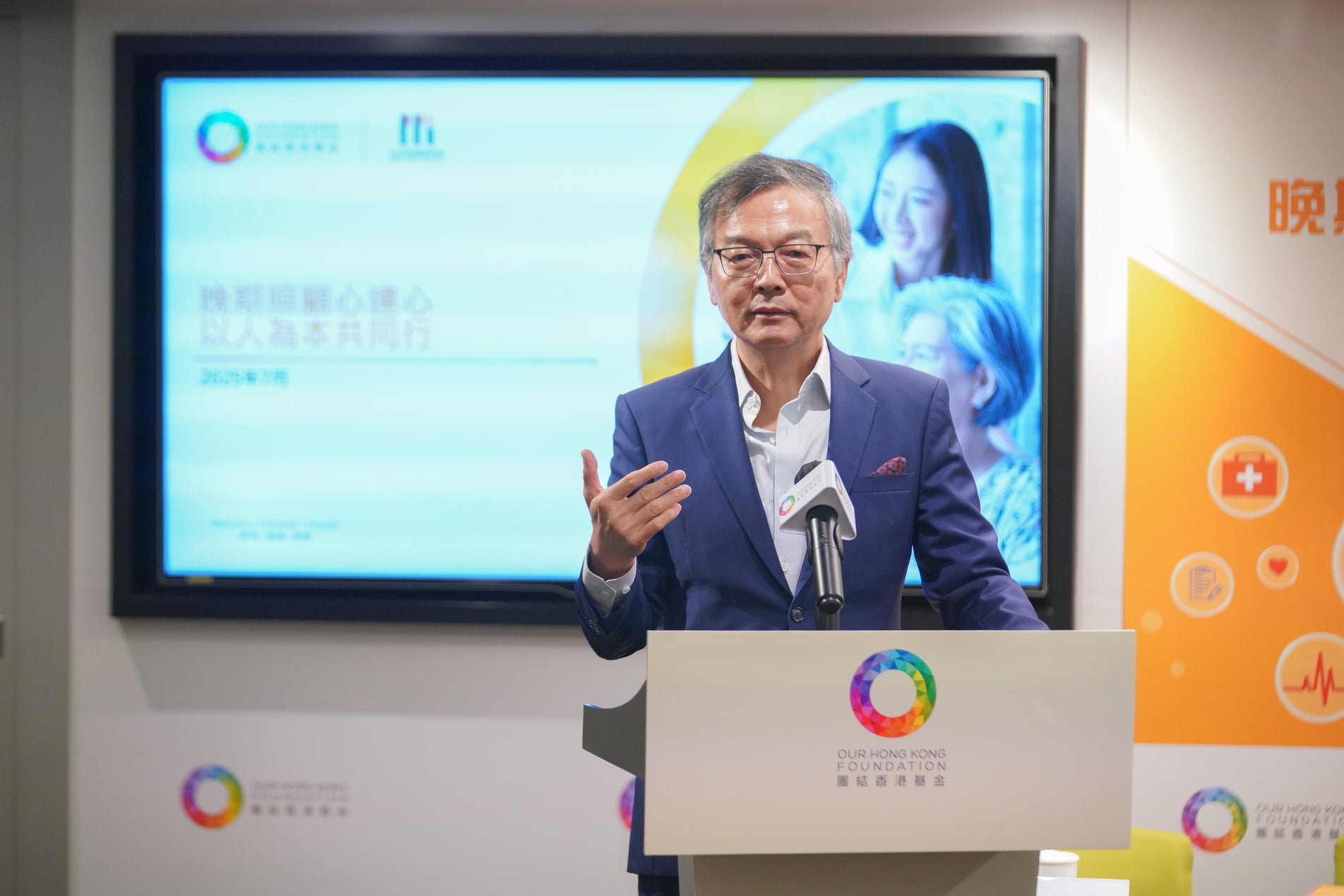
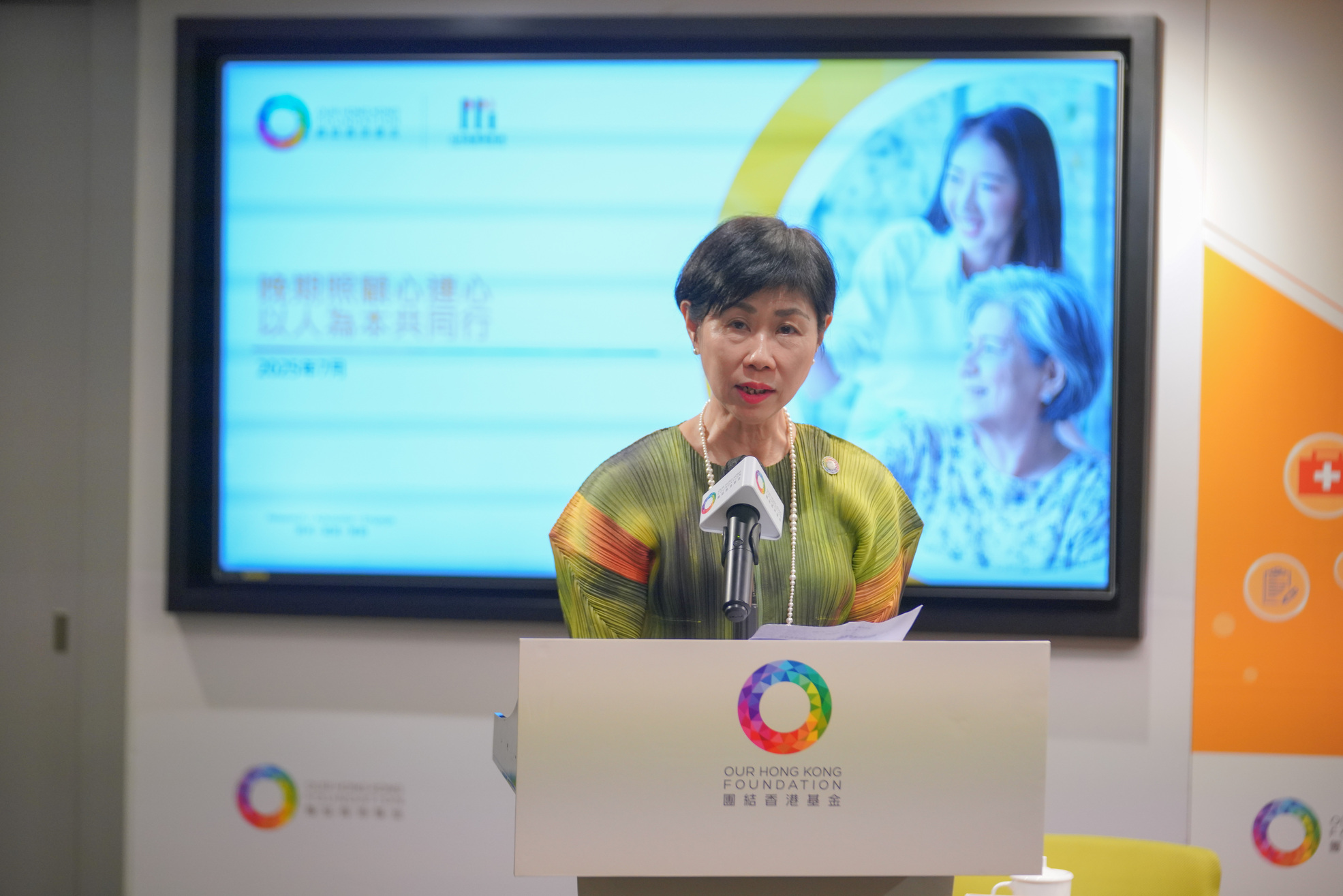
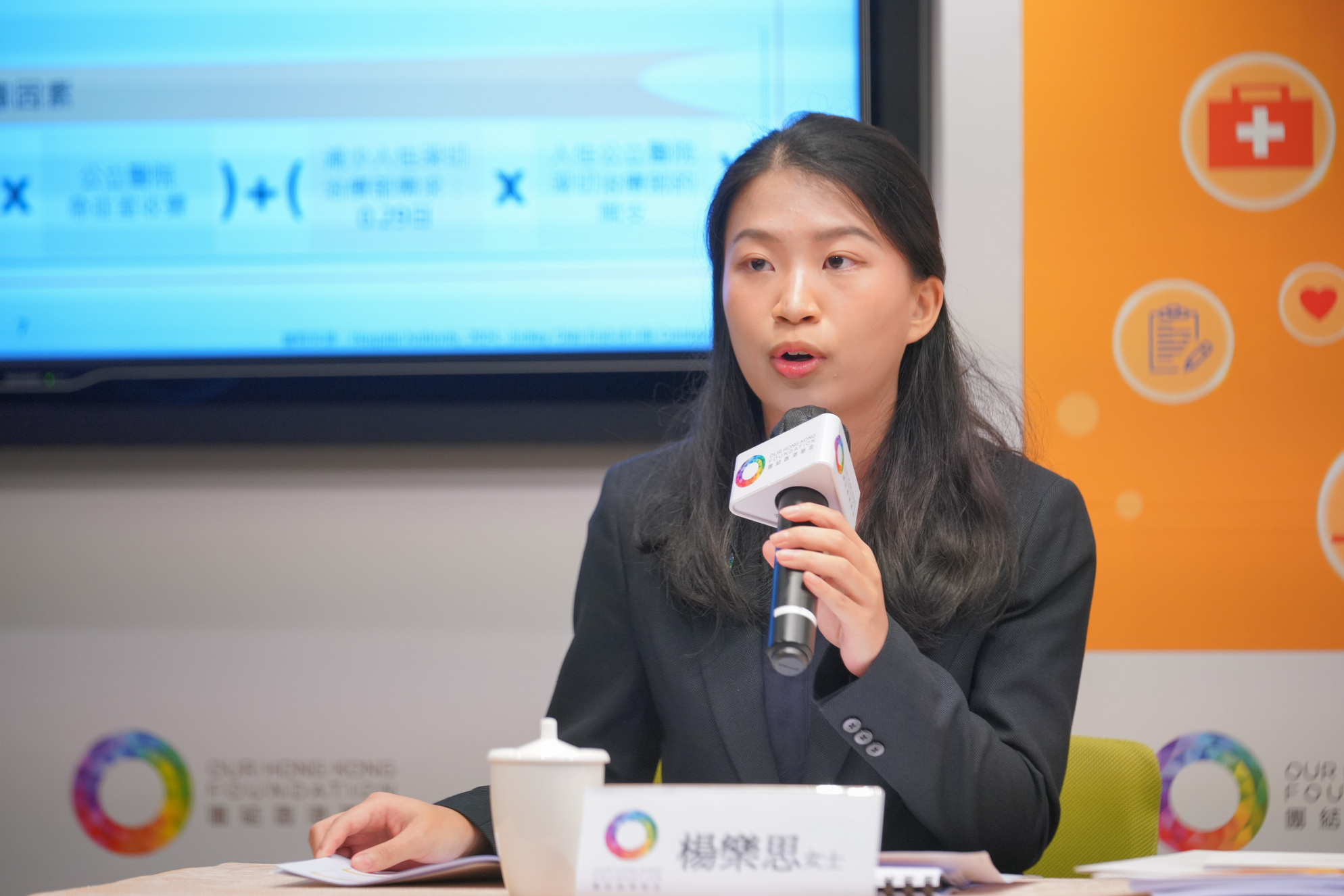
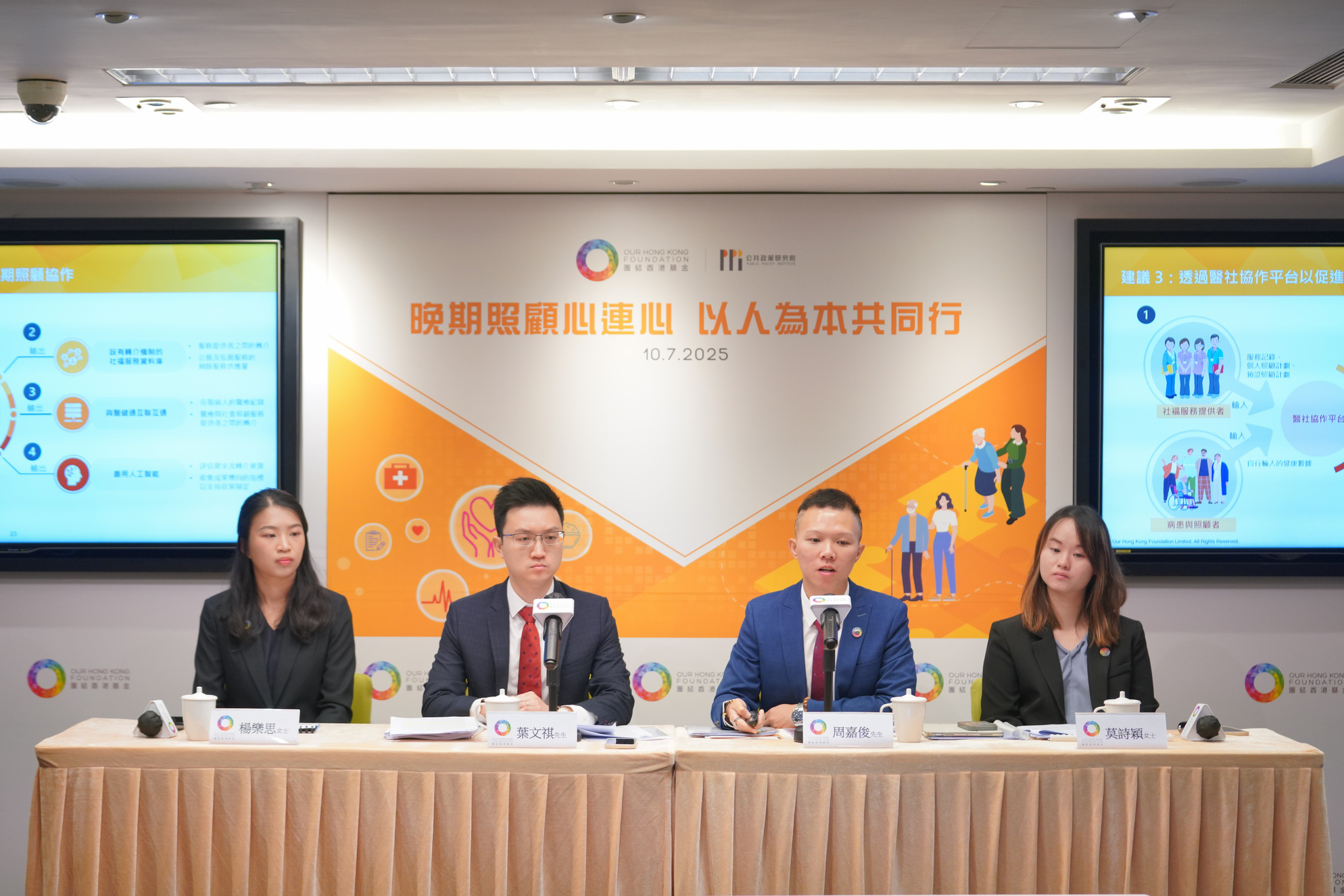


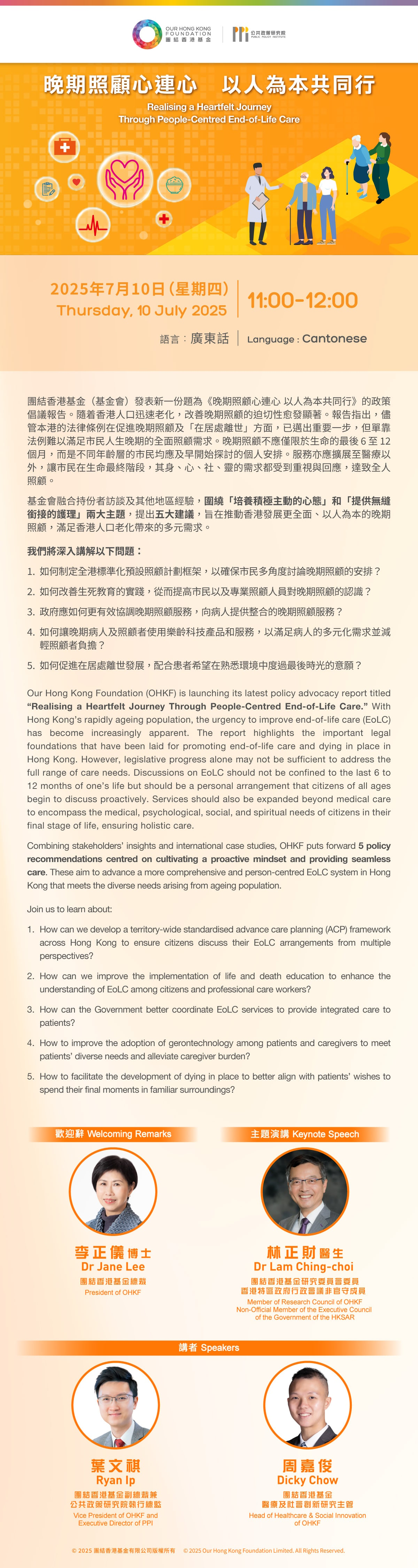

Our Hong Kong Foundation (OHKF) is launching its latest policy advocacy report titled “Realising a Heartfelt Journey Through People-Centred End-of-Life Care.” With Hong Kong’s rapidly ageing population, the urgency to improve end-of-life care (EoLC) has become increasingly apparent. The report highlights the important legal foundations that have been laid for promoting end-of-life care and dying in place in Hong Kong. However, legislative progress alone may not be sufficient to address the full range of care needs. Discussions on EoLC should not be confined to the last 6 to 12 months of one’s life but should be a personal arrangement that citizens of all ages begin to discuss proactively. Services should also be expanded beyond medical care to encompass the medical, psychological, social, and spiritual needs of citizens in their final stage of life, ensuring holistic care.
Combining stakeholders’ insights and international case studies, OHKF puts forward 5 policy recommendations centred on cultivating a proactive mindset and providing seamless care. These aim to advance a more comprehensive and person-centred EoLC system in Hong Kong that meets the diverse needs arising from ageing population.
Join us to learn about:
1. How can we develop a territory-wide standardised advance care planning (ACP) framework across Hong Kong to ensure citizens discuss their EoLC arrangements from multiple perspectives?
2. How can we improve the implementation of life and death education to enhance the understanding of EoLC among citizens and professional care workers?
3. How can the Government better coordinate EoLC services to provide integrated care to patients?
4. How to improve the adoption of gerontechnology among patients and caregivers to meet patients’ diverse needs and alleviate caregiver burden?
5. How to facilitate the development of dying in place to better align with patients’ wishes to spend their final moments in familiar surroundings?







Our Hong Kong Foundation (OHKF) released Realising a Heartfelt Journey Through People-Centred End-of-Life Care (the report), proposes five key recommendations to improve Hong Kong’s End-of-Life Care policies, fostering a more comprehensive and people-centred approach to meet the diverse needs arising from Hong Kong’s ageing population.
The report highlights that End-of-Life Care should encompass holistic personal planning across all age groups, extending beyond medical care to psychological, social, and spiritual support, ensuring individuals receive person-centred care in their final stage of life.
Effective End-of-Life Care policies not only benefit patients and families but also alleviate significant service pressures on hospitals, where service utilisation surges in patients’ final months. With around 90% of Hong Kong residents prefer spending their final days in familiar environments, shifting care focus from hospitals to community settings would not only align with their preference, but also offering over HK$91,000 cost-saving per patient for the healthcare system.
Our Hong Kong Foundation (OHKF) is launching its latest policy advocacy report titled “Realising a Heartfelt Journey Through People-Centred End-of-Life Care.” With Hong Kong’s rapidly ageing population, the urgency to improve end-of-life care (EoLC) has become increasingly apparent. The report highlights the important legal foundations that have been laid for promoting end-of-life care and dying in place in Hong Kong. However, legislative progress alone may not be sufficient to address the full range of care needs. Discussions on EoLC should not be confined to the last 6 to 12 months of one’s life but should be a personal arrangement that citizens of all ages begin to discuss proactively. Services should also be expanded beyond medical care to encompass the medical, psychological, social, and spiritual needs of citizens in their final stage of life, ensuring holistic care.
Combining stakeholders’ insights and international case studies, OHKF puts forward 5 policy recommendations centred on cultivating a proactive mindset and providing seamless care. These aim to advance a more comprehensive and person-centred EoLC system in Hong Kong that meets the diverse needs arising from ageing population.
Join us to learn about:
1. How can we develop a territory-wide standardised advance care planning (ACP) framework across Hong Kong to ensure citizens discuss their EoLC arrangements from multiple perspectives?
2. How can we improve the implementation of life and death education to enhance the understanding of EoLC among citizens and professional care workers?
3. How can the Government better coordinate EoLC services to provide integrated care to patients?
4. How to improve the adoption of gerontechnology among patients and caregivers to meet patients’ diverse needs and alleviate caregiver burden?
5. How to facilitate the development of dying in place to better align with patients’ wishes to spend their final moments in familiar surroundings?