





Hong Kong’s new university town a test of the city’s global ambitions




Hong Kong’s new university town a test of the city’s global ambitions

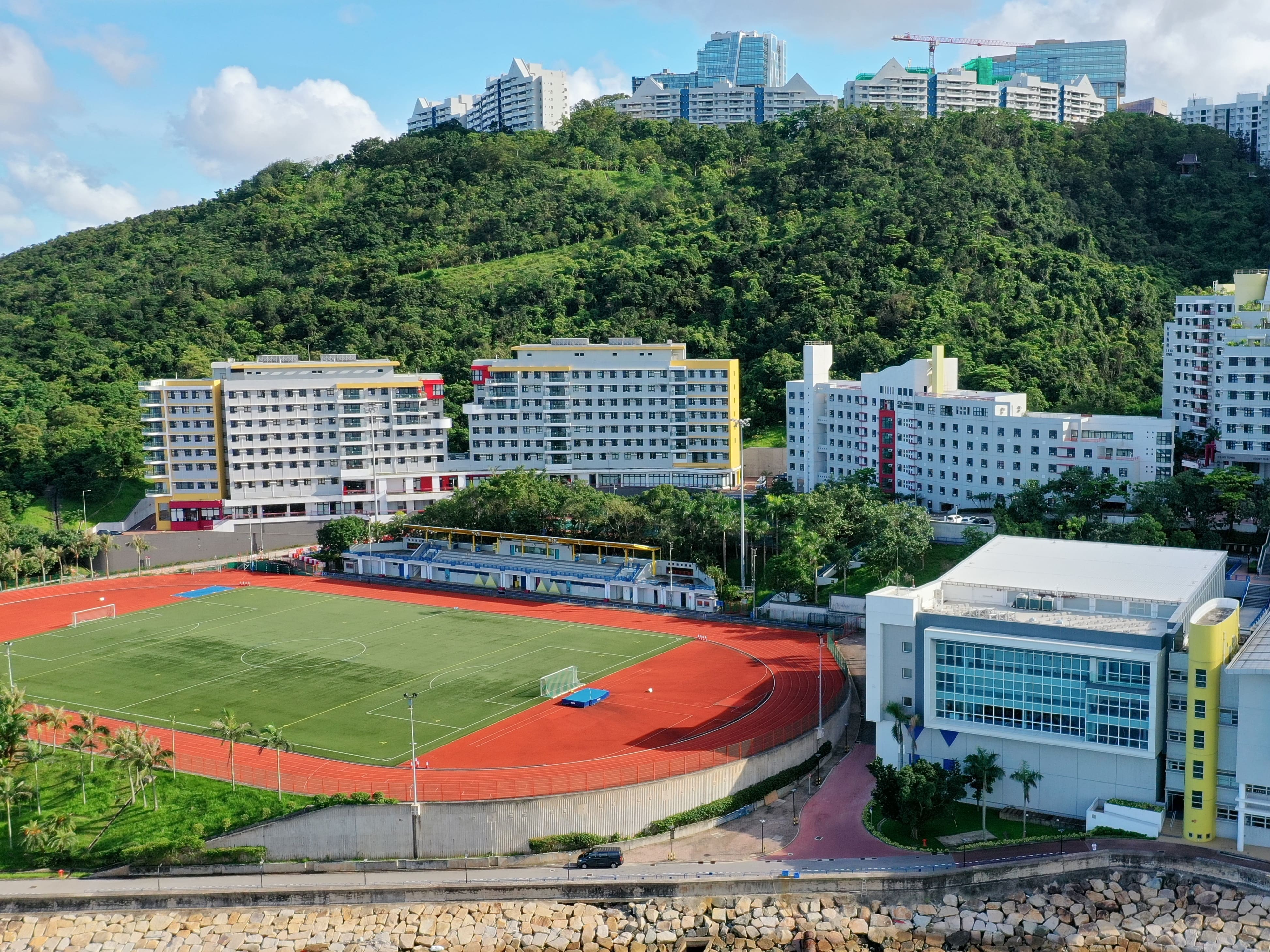
Hong Kong’s Northern Metropolis University Town is no longer just a planning concept. After site visits by a university town task force, the government has reportedly absorbed lessons from overseas models, expanded the university town area to more than 1,000 hectares, received 19 proposals from local institutions and moved towards phased site tendering and development.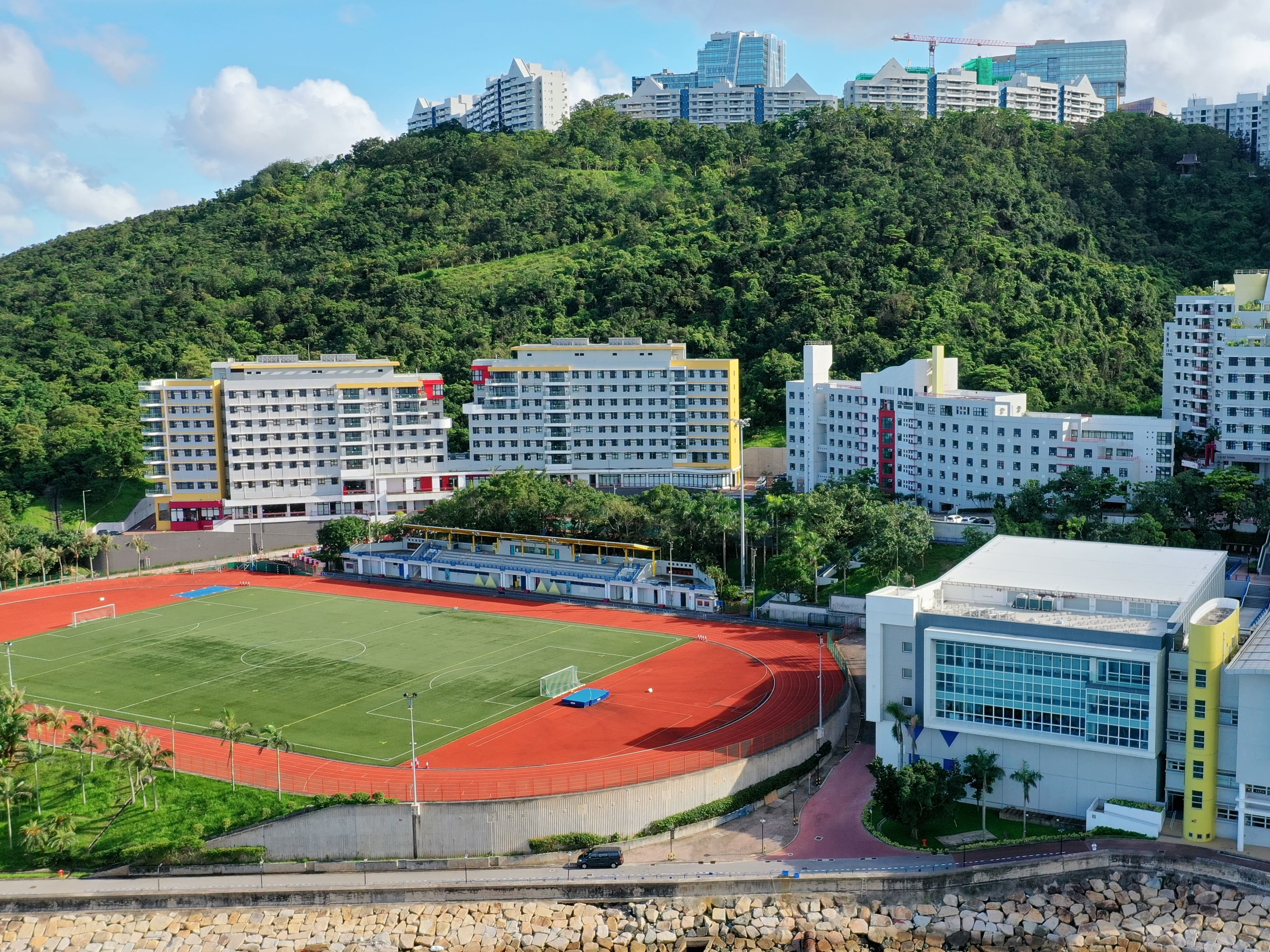
The project has become something more significant: a test of what Hong Kong wants its higher education system to do in a changing world. This matters because the context around universities has changed dramatically.
Academic cooperation is now shaped by geopolitics, security concerns, talent competition and the growing need for strategic relevance. At the same time, the global balance of academic and innovation power is shifting. For Hong Kong, the university town is not simply a land-use or campus-planning exercise. It is an opportunity to rethink the role of universities in the city’s future.
The idea of a world-class university has long been closely associated with Western institutions. Now, Chinese universities are important players in frontier fields such as artificial intelligence, green technology and advanced manufacturing. Hong Kong itself hosts a rare concentration of highly ranked universities in a compact city.
Some scholars are moving from the West to Chinese institutions, including Hong Kong universities, which reflects a broader shift in academic gravity. The challenge now is not whether Hong Kong can imitate the old global hierarchy but whether it can define a new one rooted in relevance, openness and real contribution.
In that sense, the university town should be judged by a more ambitious standard. It should not simply be about building another campus or attracting another name. It should help Hong Kong become a place where international education is not only prestigious but meaningful. That means building institutions that can connect Hong Kong to the world while also connecting the world more to China.
Higher education is increasingly caught in the wider trend of securitisation. International academic cooperation is no longer as open, neutral or predictable as it once was. Sensitive research areas, cross-border technology flows and geopolitical tensions have made collaboration more complicated.
Hong Kong cannot assume the old model of international education exchange and cooperation will continue unchanged. It needs a new one that respects national security while preserving academic vitality, exchange and global credibility.
The university town can also serve a practical economic purpose. Chinese firms are going global, and they need more than symbolic partnerships with universities. In other words, industry-academia collaboration should move beyond knowledge transfer. It should become a form of capacity building and co-creation.
This is where a university town can matter most. If designed well, the Northern Metropolis University Town could become a place where universities help firms solve real problems, train the next generation of managers and support the internationalisation of Chinese businesses. This would make higher education more closely aligned with industrial upgrading and national development needs.
The Greater Bay Area dimension is equally important. The university town should not be evaluated only by what it adds to Hong Kong in isolation. In a region built on integration, the right question is whether the university town improves overall efficiency, strengthens cross-border spillovers and supports the movement of talent, knowledge and innovation across the region.
Hong Kong also has a critical opportunity to serve as a bridge for mutual understanding. As direct people-to-people and academic exchange becomes rarer and more difficult, Hong Kong’s gateway position becomes even more valuable. It can be a safe, internationally familiar but China-connected space where foreign students, researchers and institutions can better understand China in a structured and credible setting.
That role should not be underestimated. Misunderstanding between societies can be intensified when contact becomes more limited. Hong Kong can help reduce that risk by becoming a place where exchange remains possible and institutionally trustworthy. If built thoughtfully, the university town could strengthen that role.
At the same time, Hong Kong must not let rising demand for its education system distort its priorities. More mainland students can bring talent, local spending and broader activity to the city, but if the response is simply to expand capacity without protecting quality, Hong Kong risks slipping into a model of excessive commercialisation. Universities should not treat students as a revenue stream. Their legitimacy depends on rigour, student experience and long-term reputation.
This is why the success of the university town should not be measured by speed alone. Under pressure to accelerate Northern Metropolis development, it might be tempting to push land out quickly, attract institutions and treat implementation as success in itself. A university town should be assessed by deeper criteria.
Does it support the integrated development of the Greater Bay Area? Does it serve national needs? Does it help Hong Kong engage the world more effectively? Does it produce graduates and research that matter? These are the standards that should guide its next phase.
The project sits at the intersection of education, land use, talent policy, innovation, regional development, international exchange and cooperation. It is not just about adding another campus to Hong Kong’s landscape. It is about whether the city can build a university town that supports real transformation for Hong Kong, the Greater Bay Area and China.
If Hong Kong gets the university town right, it will have done more than build a new education district. It will have taken a meaningful step towards redefining what a world-class university town can be.


Hong Kong’s Northern Metropolis University Town is no longer just a planning concept. After site visits by a university town task force, the government has reportedly absorbed lessons from overseas models, expanded the university town area to more than 1,000 hectares, received 19 proposals from local institutions and moved towards phased site tendering and development.
The project has become something more significant: a test of what Hong Kong wants its higher education system to do in a changing world. This matters because the context around universities has changed dramatically.
Academic cooperation is now shaped by geopolitics, security concerns, talent competition and the growing need for strategic relevance. At the same time, the global balance of academic and innovation power is shifting. For Hong Kong, the university town is not simply a land-use or campus-planning exercise. It is an opportunity to rethink the role of universities in the city’s future.
The idea of a world-class university has long been closely associated with Western institutions. Now, Chinese universities are important players in frontier fields such as artificial intelligence, green technology and advanced manufacturing. Hong Kong itself hosts a rare concentration of highly ranked universities in a compact city.
Some scholars are moving from the West to Chinese institutions, including Hong Kong universities, which reflects a broader shift in academic gravity. The challenge now is not whether Hong Kong can imitate the old global hierarchy but whether it can define a new one rooted in relevance, openness and real contribution.
In that sense, the university town should be judged by a more ambitious standard. It should not simply be about building another campus or attracting another name. It should help Hong Kong become a place where international education is not only prestigious but meaningful. That means building institutions that can connect Hong Kong to the world while also connecting the world more to China.
Higher education is increasingly caught in the wider trend of securitisation. International academic cooperation is no longer as open, neutral or predictable as it once was. Sensitive research areas, cross-border technology flows and geopolitical tensions have made collaboration more complicated.
Hong Kong cannot assume the old model of international education exchange and cooperation will continue unchanged. It needs a new one that respects national security while preserving academic vitality, exchange and global credibility.
The university town can also serve a practical economic purpose. Chinese firms are going global, and they need more than symbolic partnerships with universities. In other words, industry-academia collaboration should move beyond knowledge transfer. It should become a form of capacity building and co-creation.
This is where a university town can matter most. If designed well, the Northern Metropolis University Town could become a place where universities help firms solve real problems, train the next generation of managers and support the internationalisation of Chinese businesses. This would make higher education more closely aligned with industrial upgrading and national development needs.
The Greater Bay Area dimension is equally important. The university town should not be evaluated only by what it adds to Hong Kong in isolation. In a region built on integration, the right question is whether the university town improves overall efficiency, strengthens cross-border spillovers and supports the movement of talent, knowledge and innovation across the region.
Hong Kong also has a critical opportunity to serve as a bridge for mutual understanding. As direct people-to-people and academic exchange becomes rarer and more difficult, Hong Kong’s gateway position becomes even more valuable. It can be a safe, internationally familiar but China-connected space where foreign students, researchers and institutions can better understand China in a structured and credible setting.
That role should not be underestimated. Misunderstanding between societies can be intensified when contact becomes more limited. Hong Kong can help reduce that risk by becoming a place where exchange remains possible and institutionally trustworthy. If built thoughtfully, the university town could strengthen that role.
At the same time, Hong Kong must not let rising demand for its education system distort its priorities. More mainland students can bring talent, local spending and broader activity to the city, but if the response is simply to expand capacity without protecting quality, Hong Kong risks slipping into a model of excessive commercialisation. Universities should not treat students as a revenue stream. Their legitimacy depends on rigour, student experience and long-term reputation.
This is why the success of the university town should not be measured by speed alone. Under pressure to accelerate Northern Metropolis development, it might be tempting to push land out quickly, attract institutions and treat implementation as success in itself. A university town should be assessed by deeper criteria.
Does it support the integrated development of the Greater Bay Area? Does it serve national needs? Does it help Hong Kong engage the world more effectively? Does it produce graduates and research that matter? These are the standards that should guide its next phase.
The project sits at the intersection of education, land use, talent policy, innovation, regional development, international exchange and cooperation. It is not just about adding another campus to Hong Kong’s landscape. It is about whether the city can build a university town that supports real transformation for Hong Kong, the Greater Bay Area and China.
If Hong Kong gets the university town right, it will have done more than build a new education district. It will have taken a meaningful step towards redefining what a world-class university town can be.