





"Breaking Boundaries to Develop Hong Kong into a Mega Sports Events Capital" Press Conference and Panel Session





"Breaking Boundaries to Develop Hong Kong into a Mega Sports Events Capital" Press Conference and Panel Session

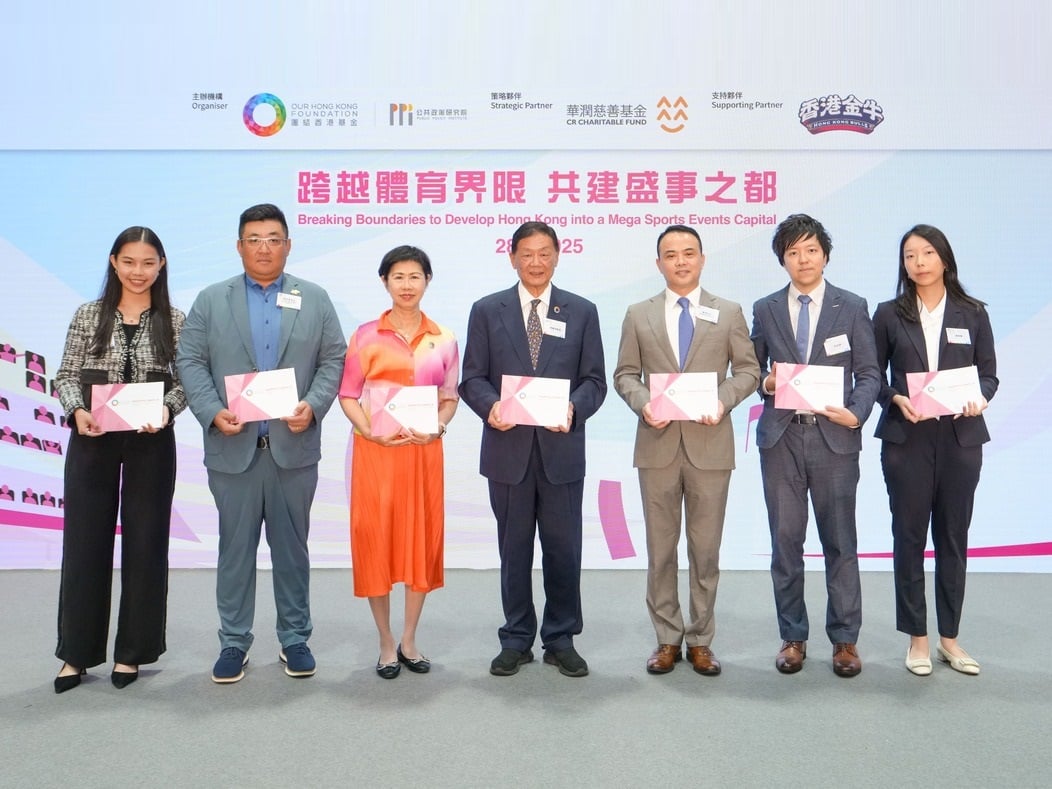
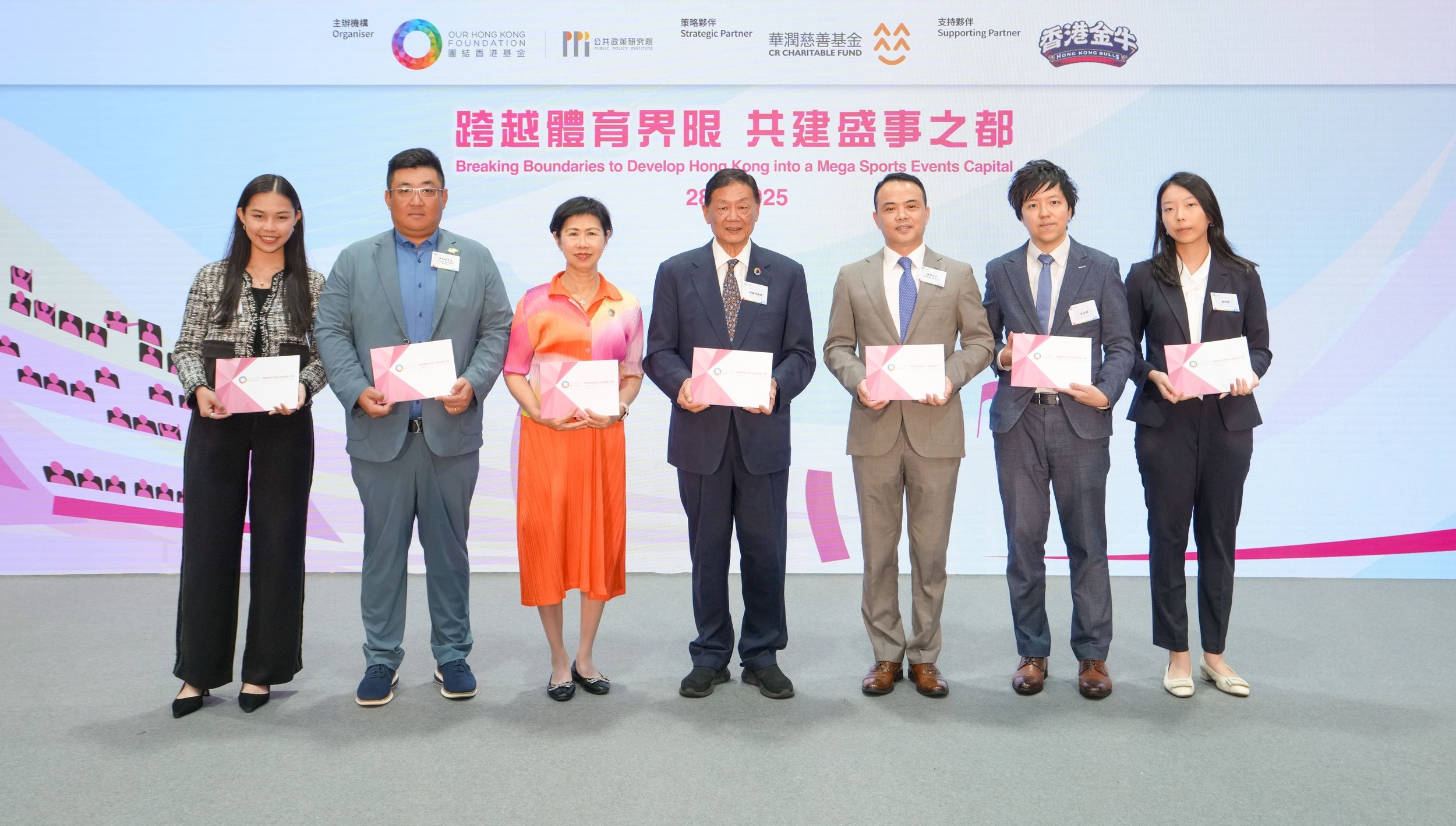
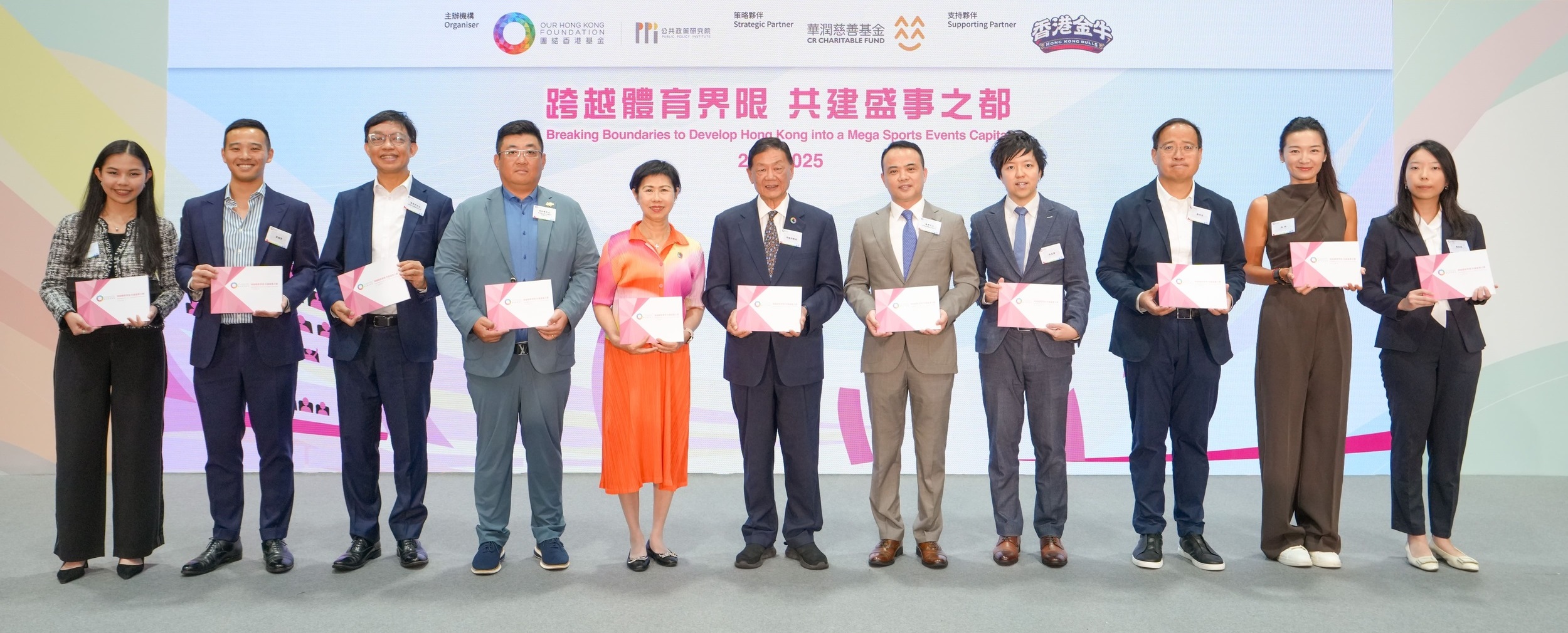
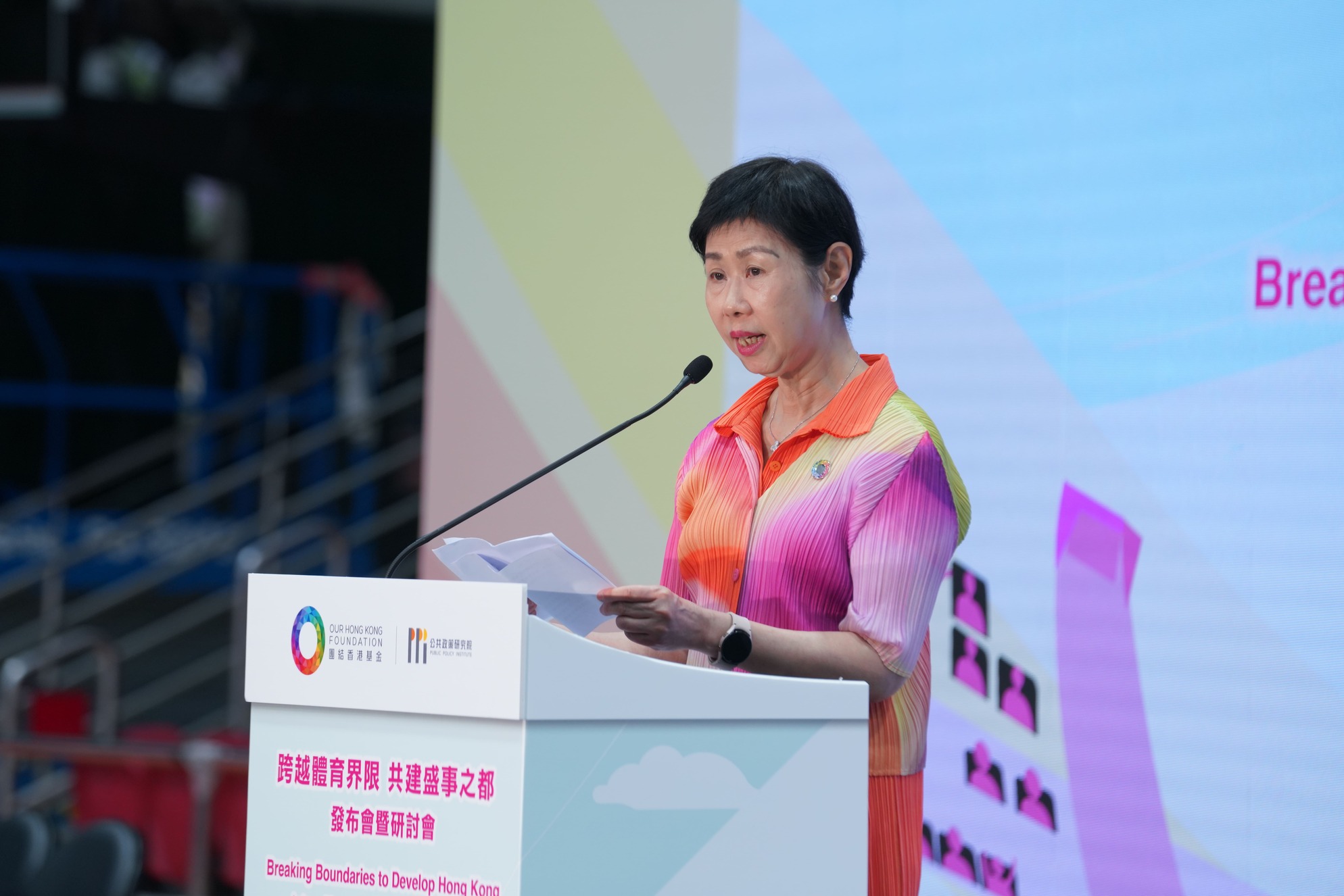
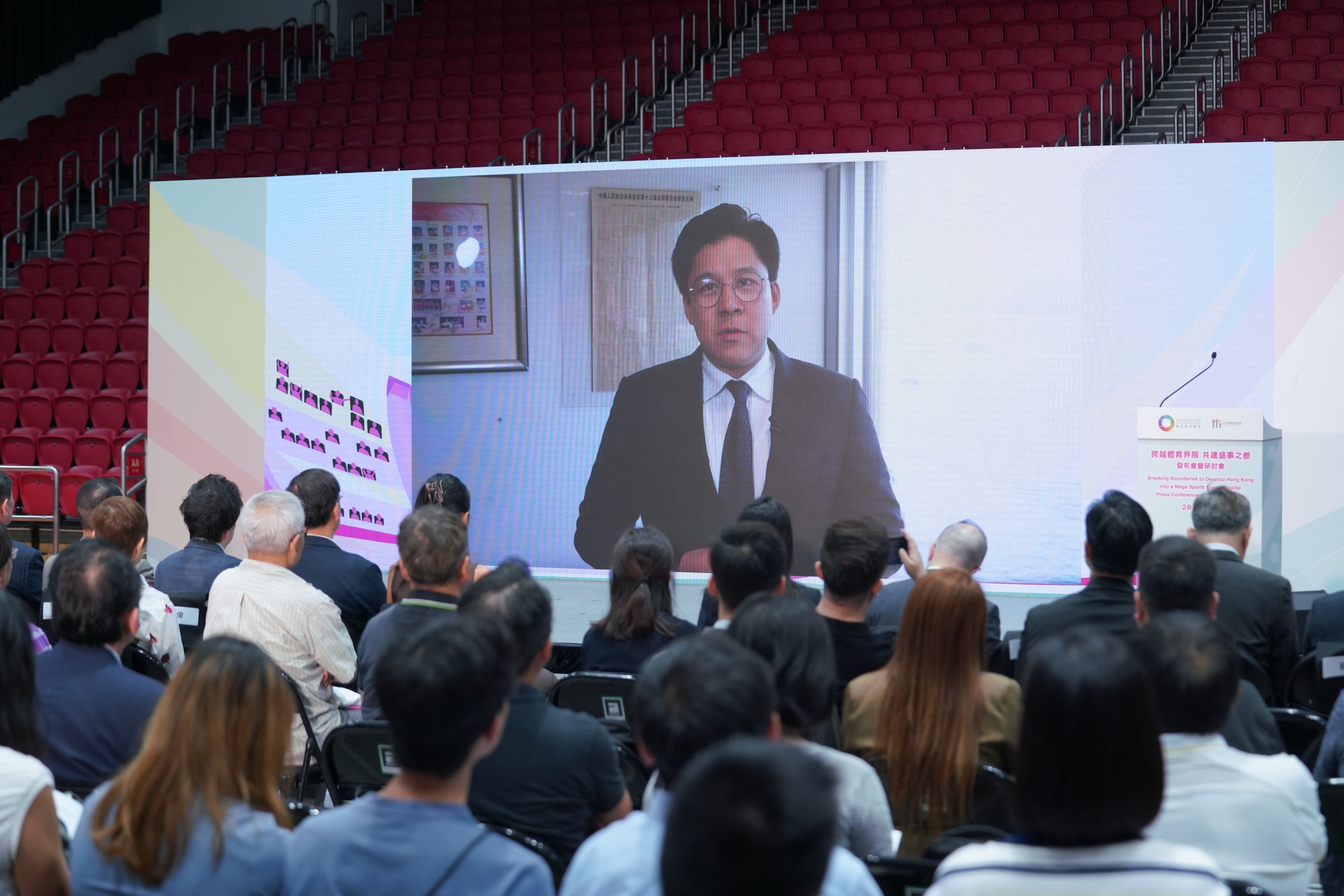
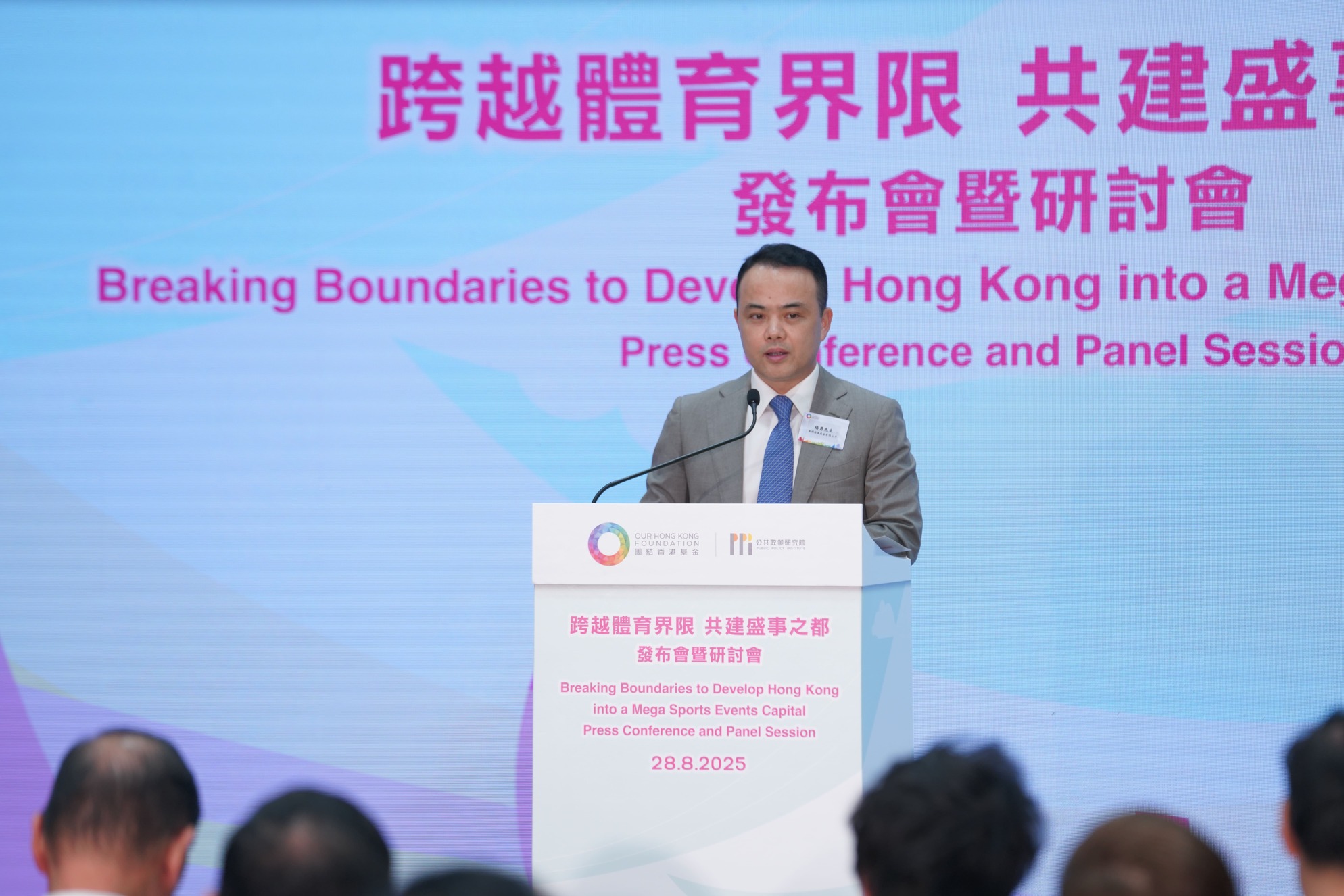
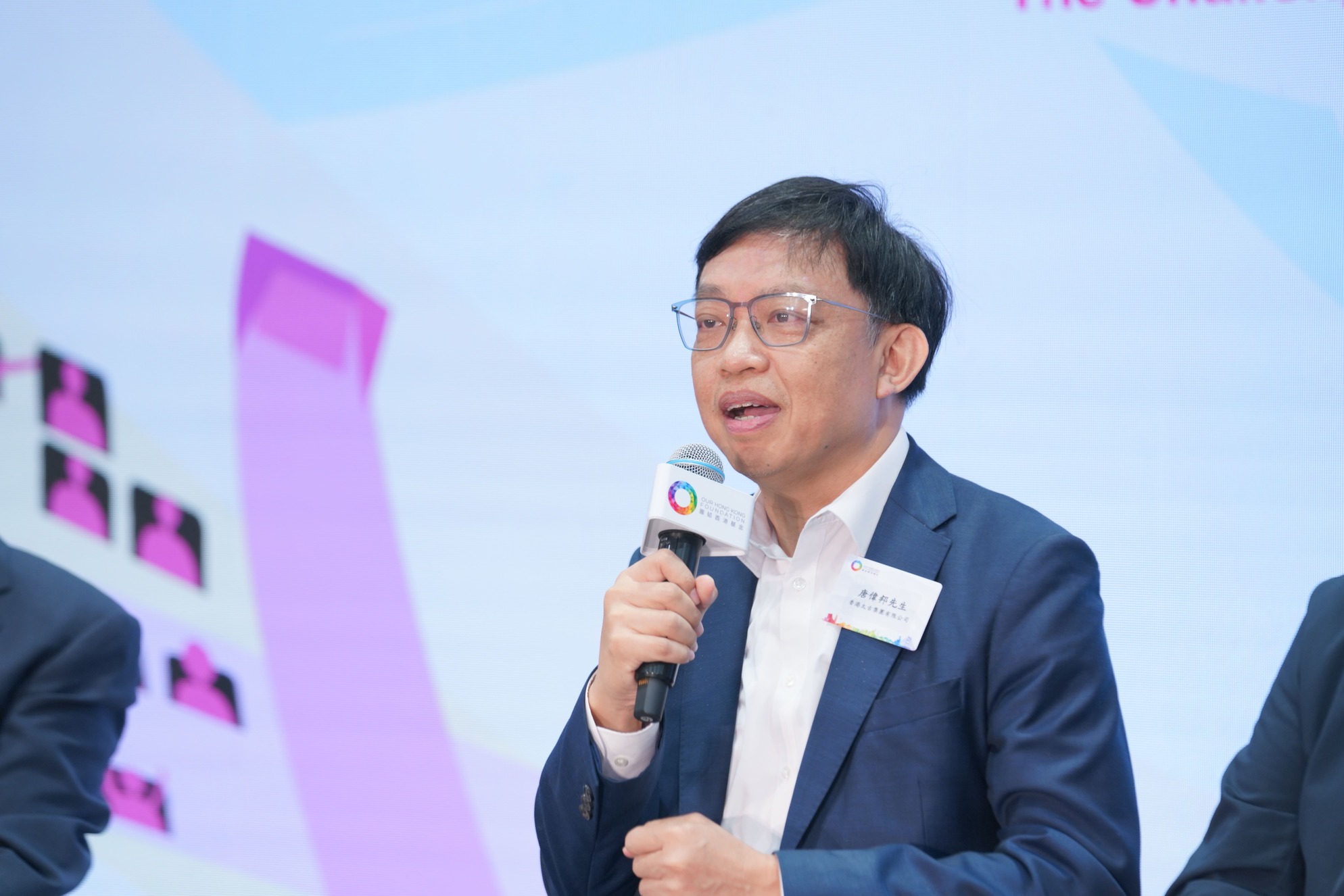
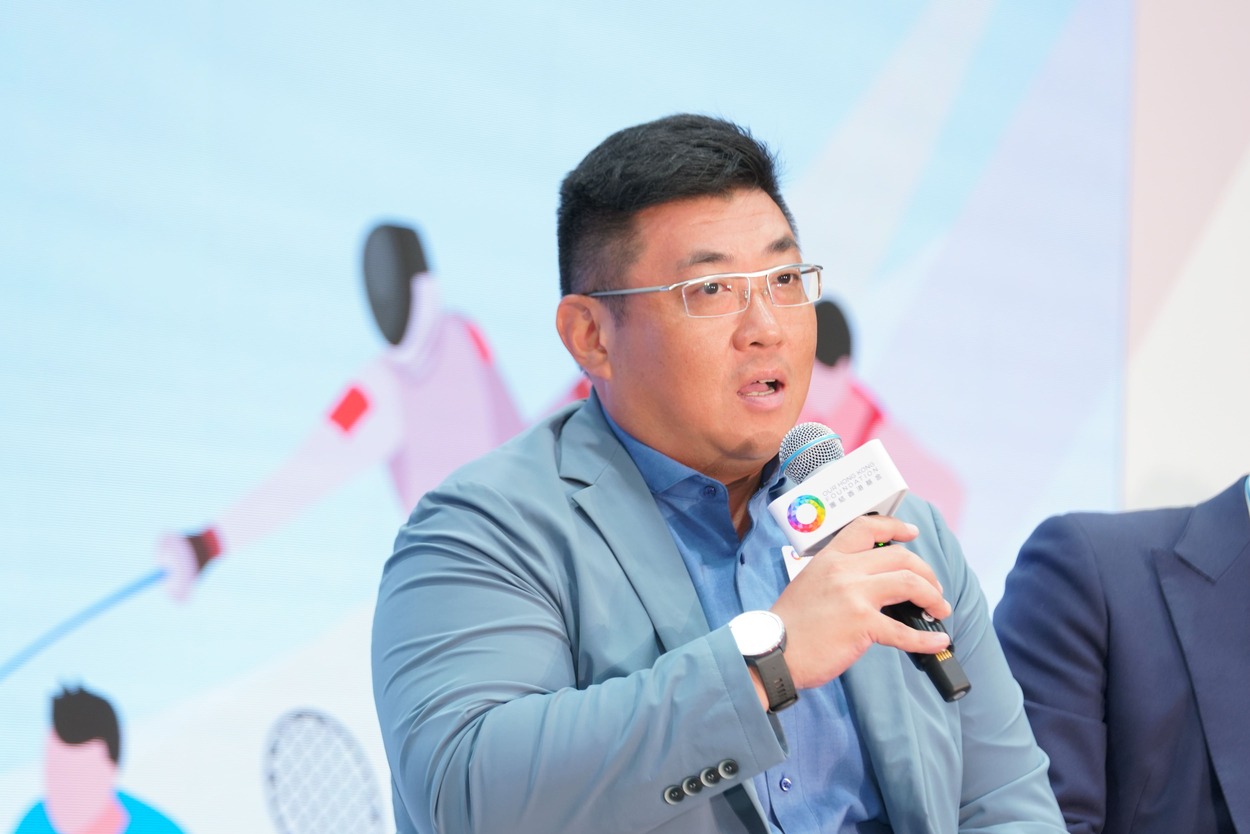
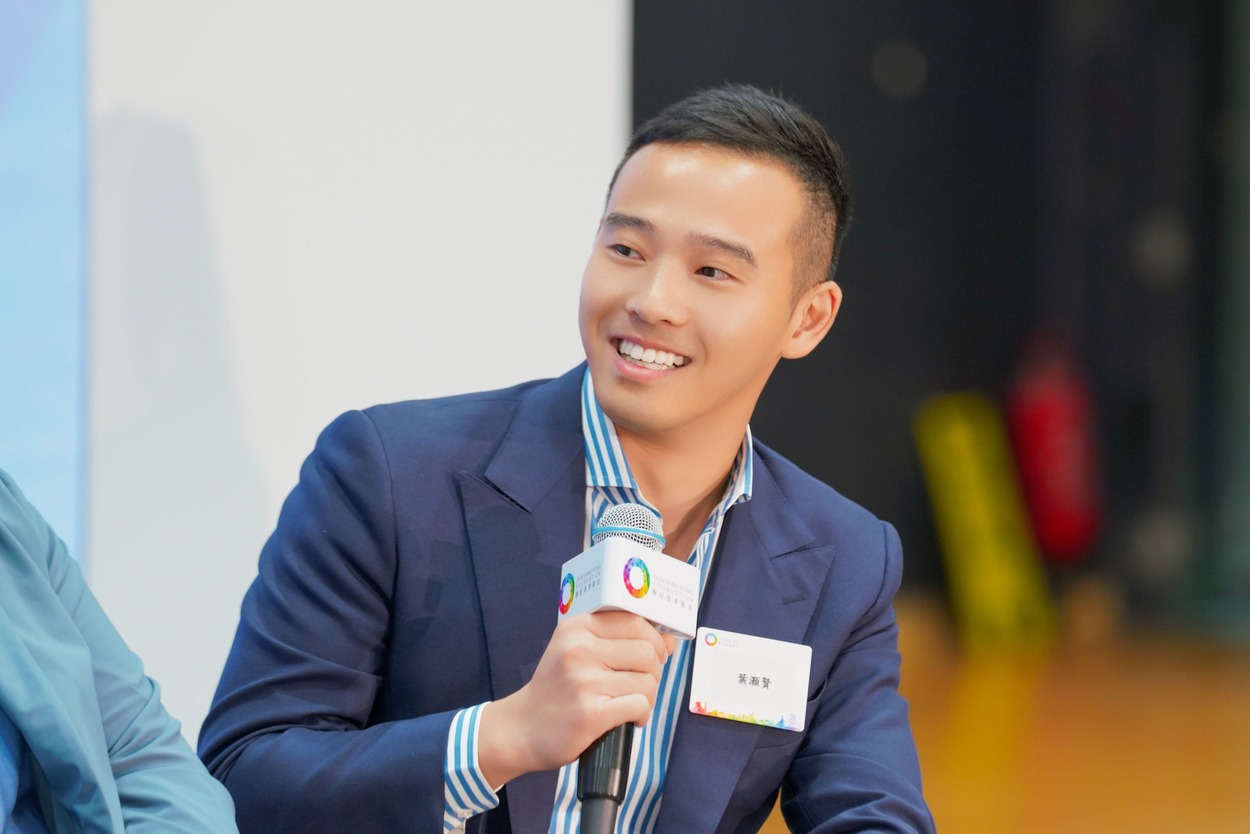
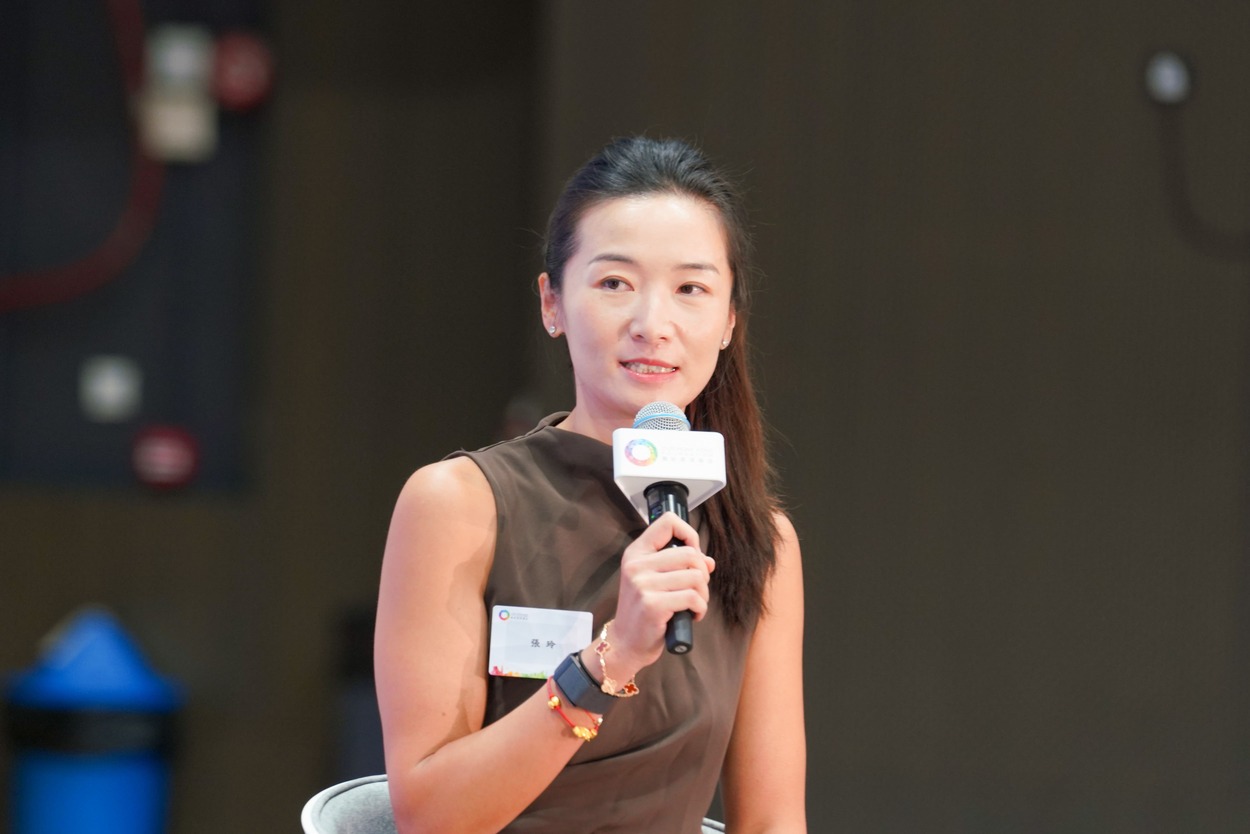
Our Hong Kong Foundation (OHKF) held the launch of its report “Breaking Boundaries to Develop Hong Kong into a Mega Sports Events Capital” and a panel session on August 28, 2025.
The event focuses on three key areas: (i) developing industry data, (ii) encouraging public and private funding, and (iii) nurturing industry talent. Together with earlier recommendations on active event bidding and planning, enhancing infrastructure, and promoting sportainment, the report puts forward a total of 22 policy recommendations across six areas. Drawing on in-depth interviews with over 50 stakeholders and international case studies, the report examines the challenges Hong Kong faces in hosting large-scale sports events. The six policy areas aim to advance Hong Kong’s vision of becoming a “mega sports events capital.”


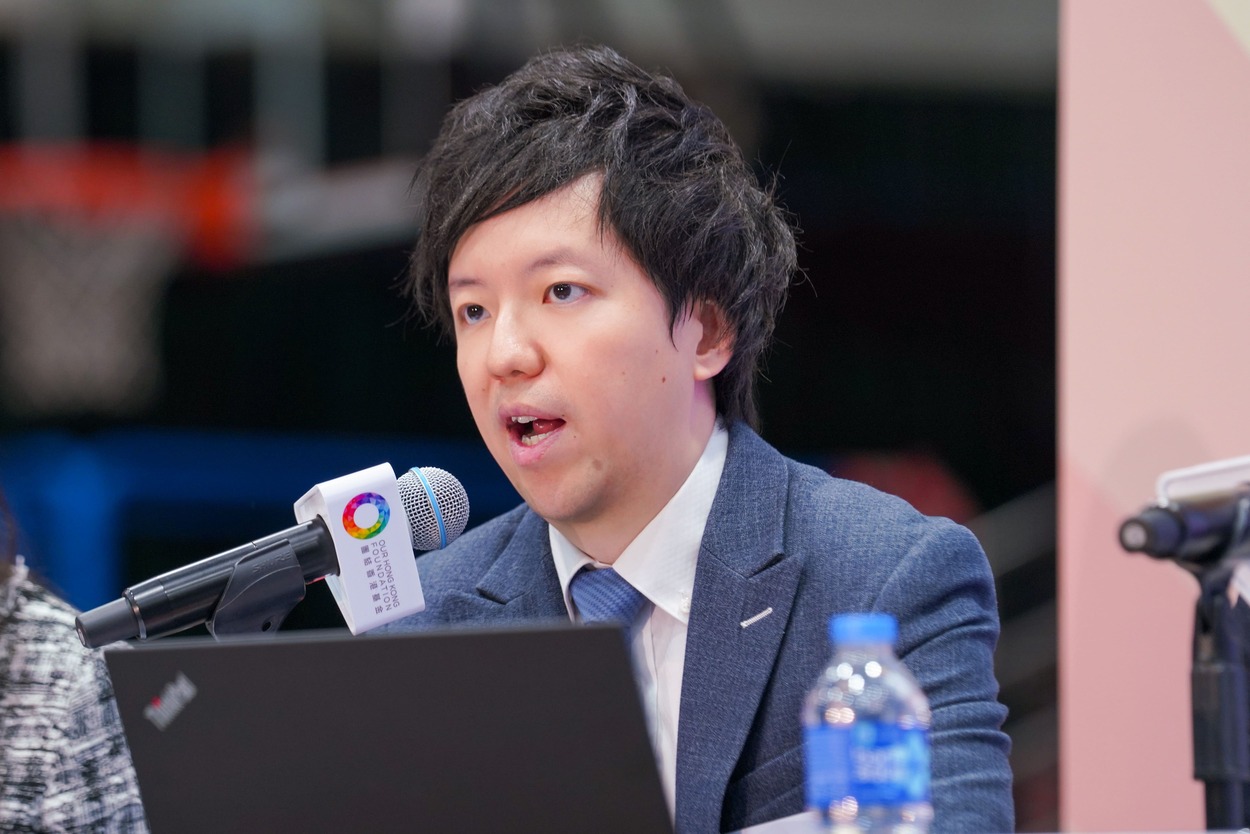
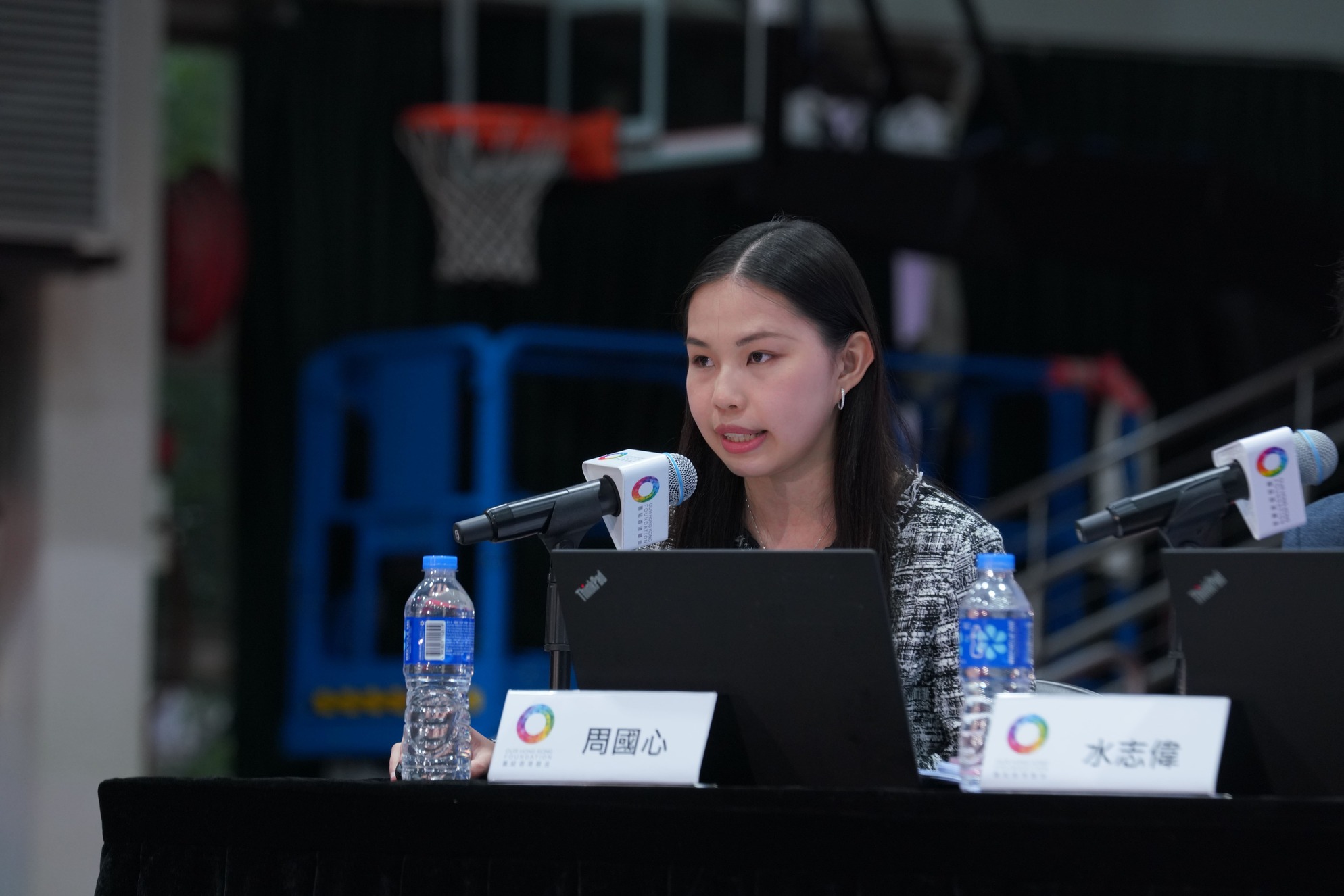

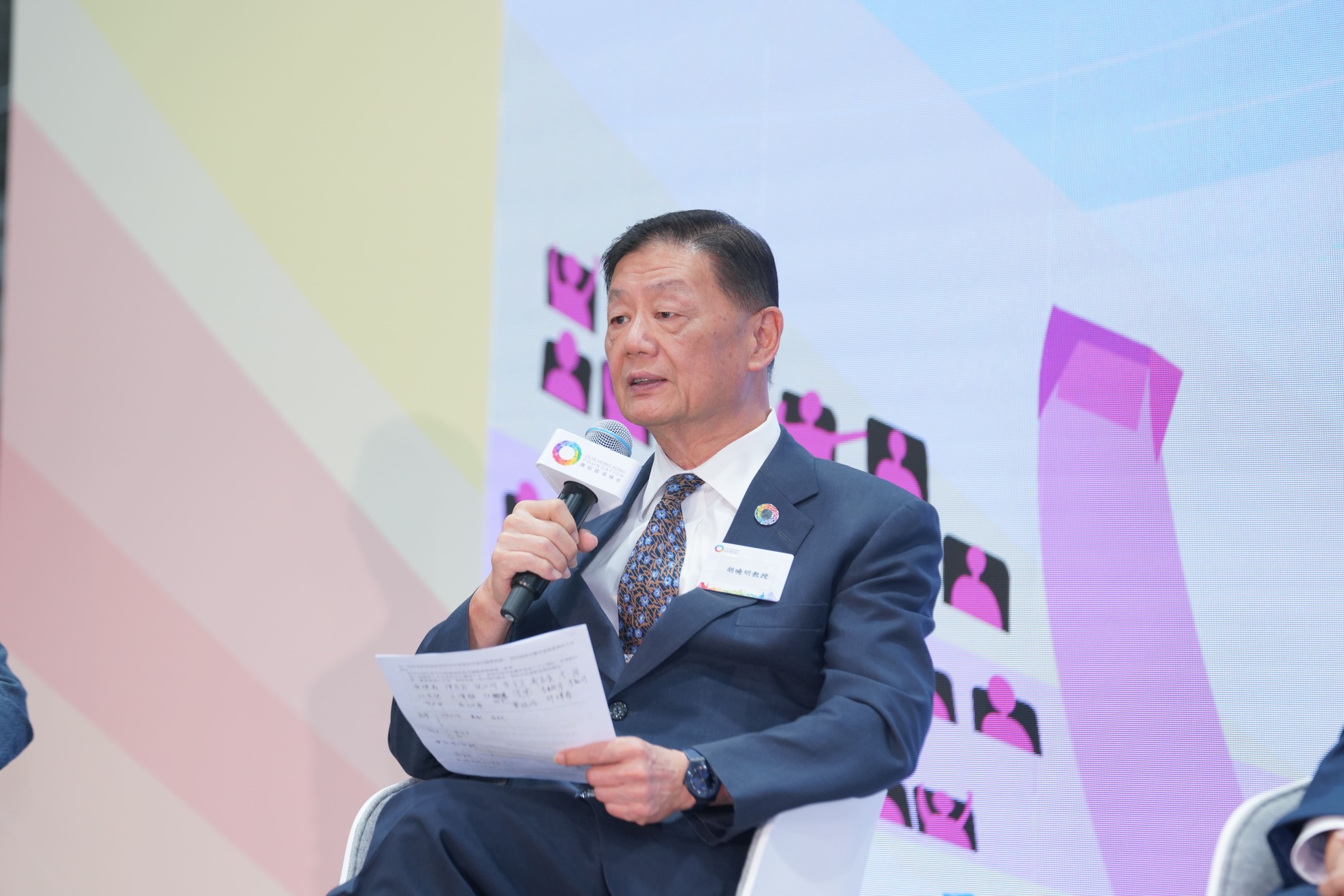
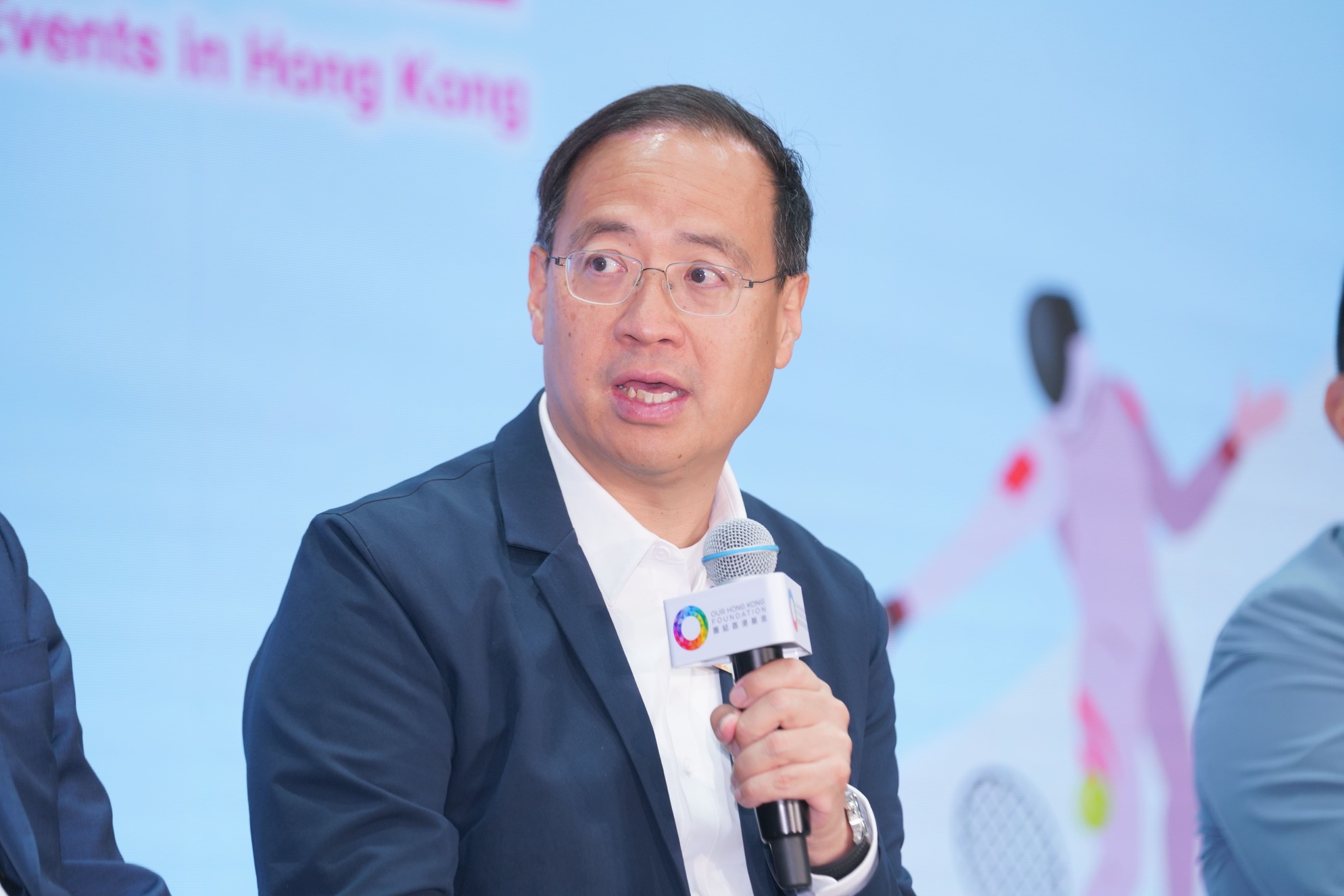
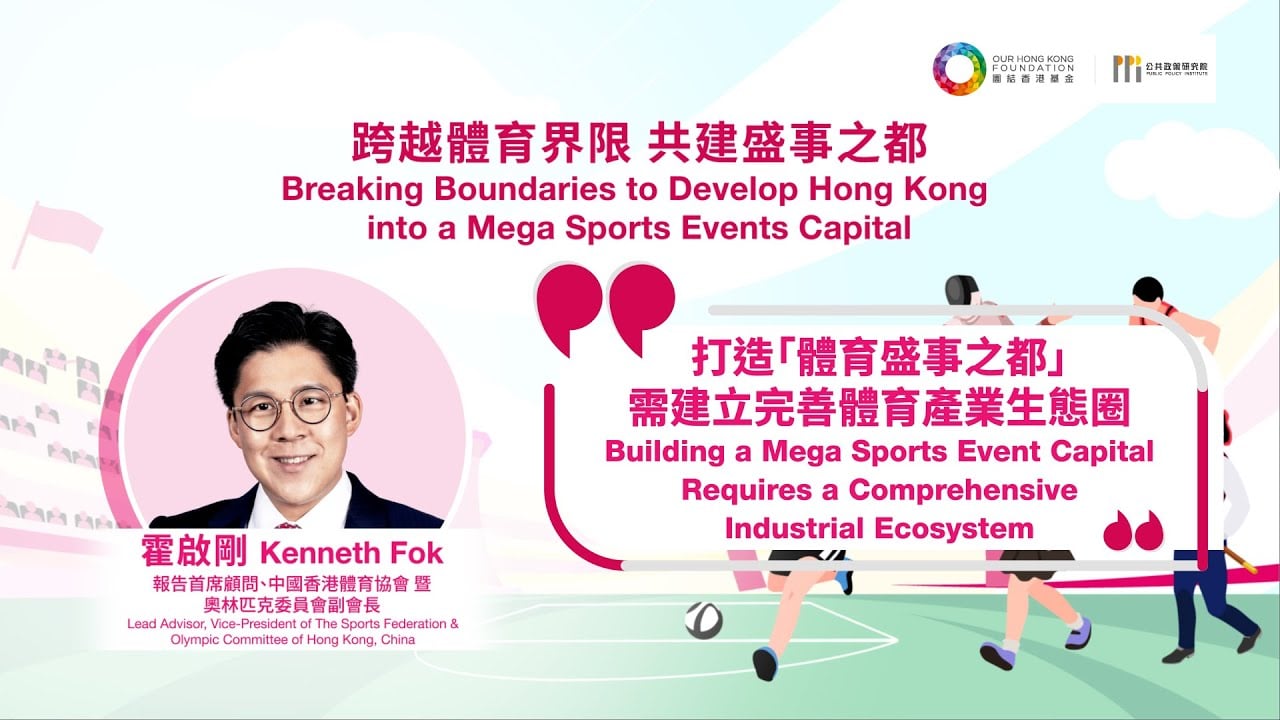


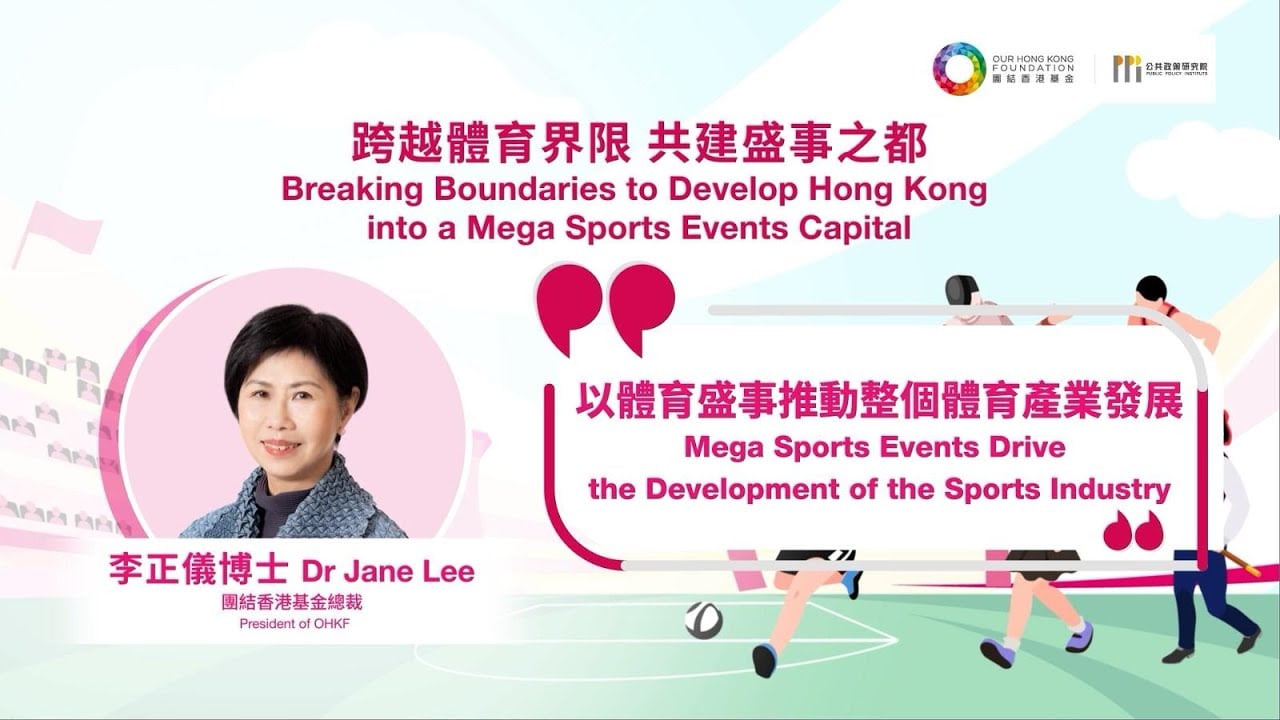


Hong Kong’s sports industry is facing unprecedented opportunities in its gradual pursuit of being a “Mega Sports Events Capital”. In recent years, the outstanding performances of Hong Kong athletes on the international stage have not only ignited public enthusiasm but also prompted various sectors of society to reassess the diverse value of sport. Hosting mega sports events not only showcases athletic excellence but also generates economic benefits, fosters community cohesion and enhances the city’s international standing. With the Kai Tak Sports Park beginning its operations in 2025 and the Guangdong-Hong Kong-Macao Greater Bay Area co-hosting the 15th National Games, Hong Kong’s sports industry is at a crucial turning point.
However, to truly realise the vision of becoming a "Mega Sports Events Capital," Hong Kong must overcome existing limitations. In light of this, Our Hong Kong Foundation's research team interviewed over 50 stakeholders, focusing on six key aspects: (i) developing industry data, (ii) active bidding and planning of sports events, (iii) enhancing sports infrastructure, (iv) promoting sportainment, (v) encouraging public and private funding, and (vi) nurturing industry talent. This report puts forward 22 policy recommendations to promote the comprehensive development of the sports industry through mega sports events.
This report will conduct an in-depth analysis of the following key issues:
- How can we promote the development of sports industry data to support government decision-making and market analysis?
- How can we strengthen the government's leading role in event bidding and promotion to enhance Hong Kong's international competitiveness?
- How can we optimise existing venue facilities and increase venues suitable for hosting major events?
- How can we effectively integrate cultural, artistic, and entertainment elements to enhance audience engagement and participation?
- How can we improve funding mechanisms for mega sports events to encourage private sponsorship from institutions and individuals?
- How can we cultivate a diverse talent pool to enhance the long-term competitiveness of the sports events industry?










Our Hong Kong Foundation (OHKF) held the launch of its report “Breaking Boundaries to Develop Hong Kong into a Mega Sports Events Capital” and a panel session on August 28, 2025.
The event focuses on three key areas: (i) developing industry data, (ii) encouraging public and private funding, and (iii) nurturing industry talent. Together with earlier recommendations on active event bidding and planning, enhancing infrastructure, and promoting sportainment, the report puts forward a total of 22 policy recommendations across six areas. Drawing on in-depth interviews with over 50 stakeholders and international case studies, the report examines the challenges Hong Kong faces in hosting large-scale sports events. The six policy areas aim to advance Hong Kong’s vision of becoming a “mega sports events capital.”
Hong Kong’s sports industry is facing unprecedented opportunities in its gradual pursuit of being a “Mega Sports Events Capital”. In recent years, the outstanding performances of Hong Kong athletes on the international stage have not only ignited public enthusiasm but also prompted various sectors of society to reassess the diverse value of sport. Hosting mega sports events not only showcases athletic excellence but also generates economic benefits, fosters community cohesion and enhances the city’s international standing. With the Kai Tak Sports Park beginning its operations in 2025 and the Guangdong-Hong Kong-Macao Greater Bay Area co-hosting the 15th National Games, Hong Kong’s sports industry is at a crucial turning point.
However, to truly realise the vision of becoming a "Mega Sports Events Capital," Hong Kong must overcome existing limitations. In light of this, Our Hong Kong Foundation's research team interviewed over 50 stakeholders, focusing on six key aspects: (i) developing industry data, (ii) active bidding and planning of sports events, (iii) enhancing sports infrastructure, (iv) promoting sportainment, (v) encouraging public and private funding, and (vi) nurturing industry talent. This report puts forward 22 policy recommendations to promote the comprehensive development of the sports industry through mega sports events.
This report will conduct an in-depth analysis of the following key issues:
- How can we promote the development of sports industry data to support government decision-making and market analysis?
- How can we strengthen the government's leading role in event bidding and promotion to enhance Hong Kong's international competitiveness?
- How can we optimise existing venue facilities and increase venues suitable for hosting major events?
- How can we effectively integrate cultural, artistic, and entertainment elements to enhance audience engagement and participation?
- How can we improve funding mechanisms for mega sports events to encourage private sponsorship from institutions and individuals?
- How can we cultivate a diverse talent pool to enhance the long-term competitiveness of the sports events industry?