





Our Hong Kong Foundation Launches Policy Advocacy Report on Mega Sports Events




Our Hong Kong Foundation Launches Policy Advocacy Report on Mega Sports Events

Leveraging betting revenue to support industry development and introducing “Young” Mark to invest in emerging events
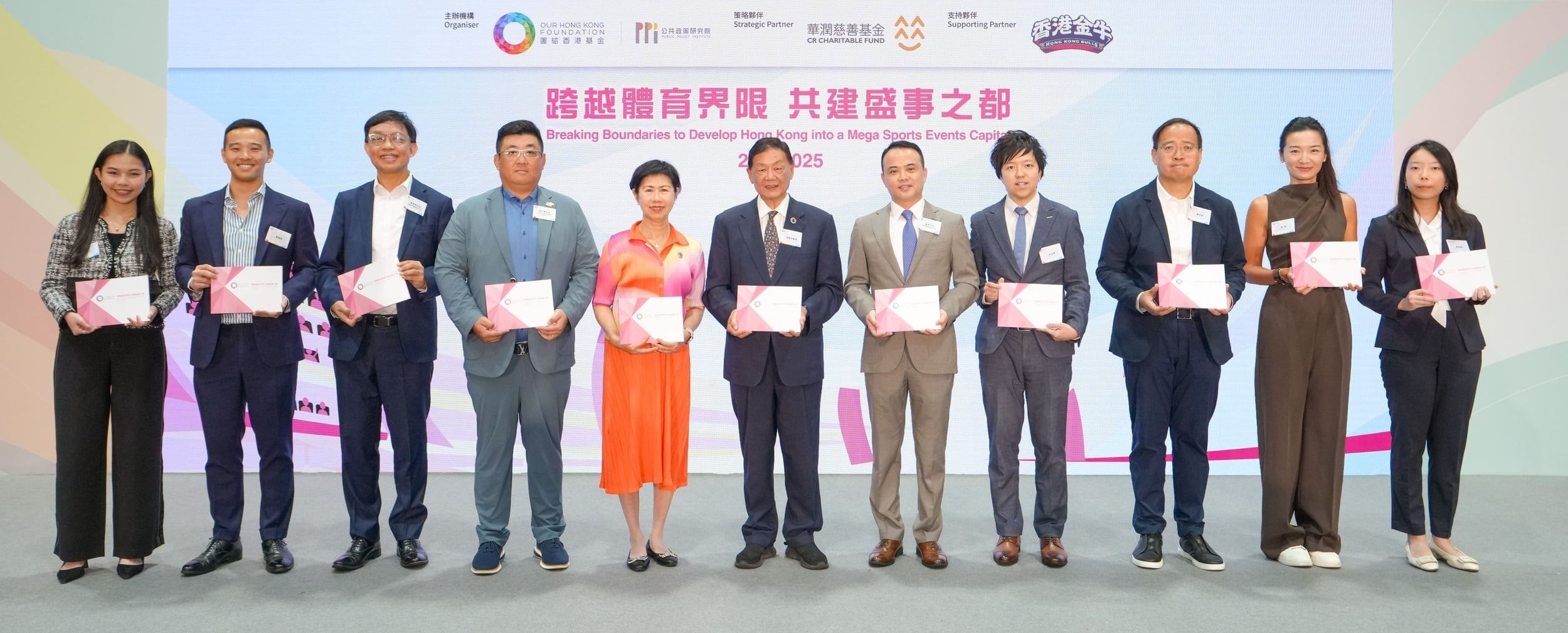
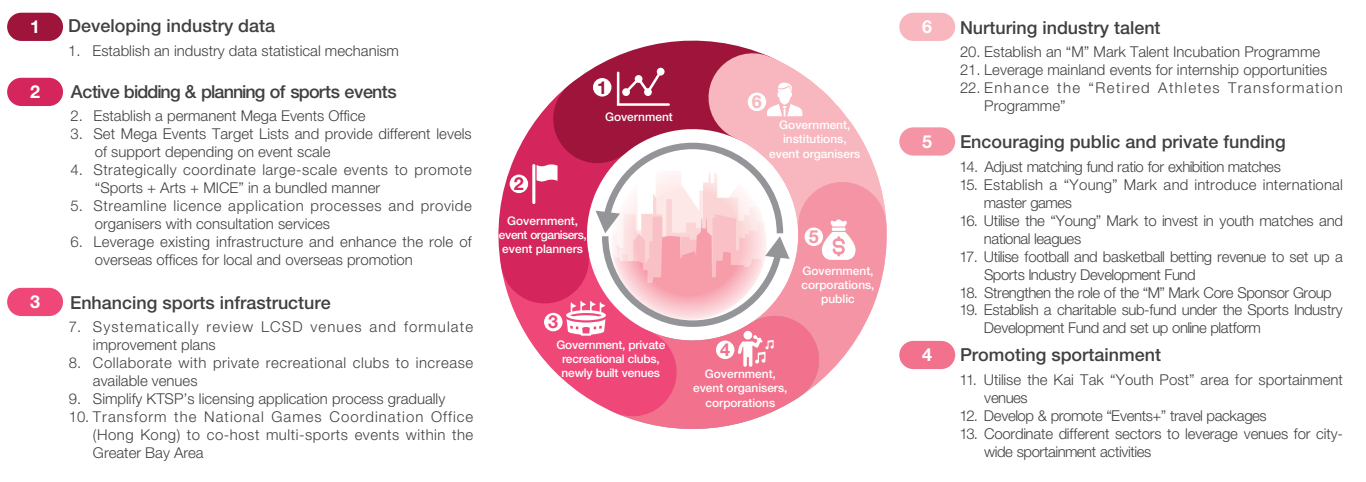
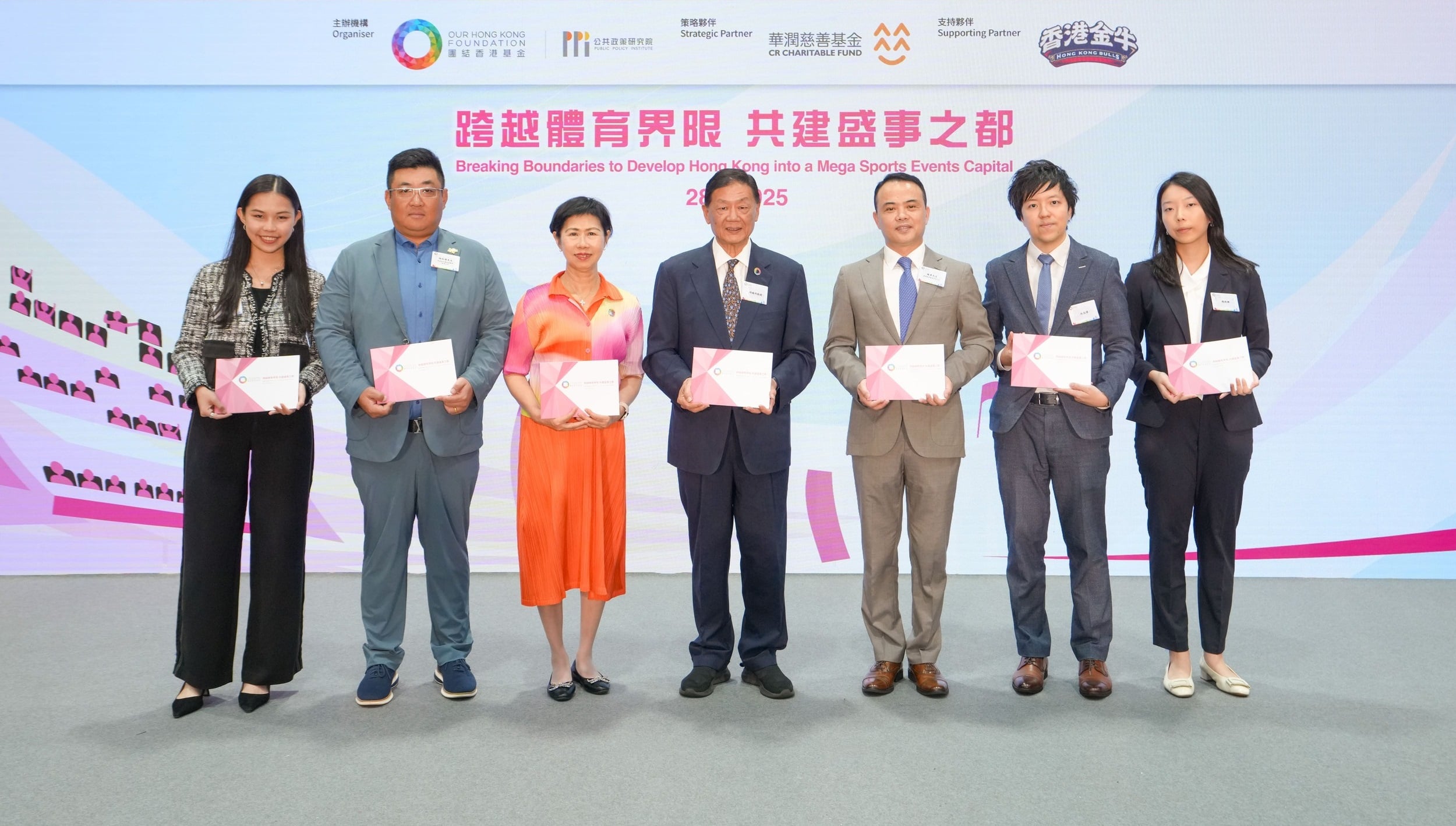
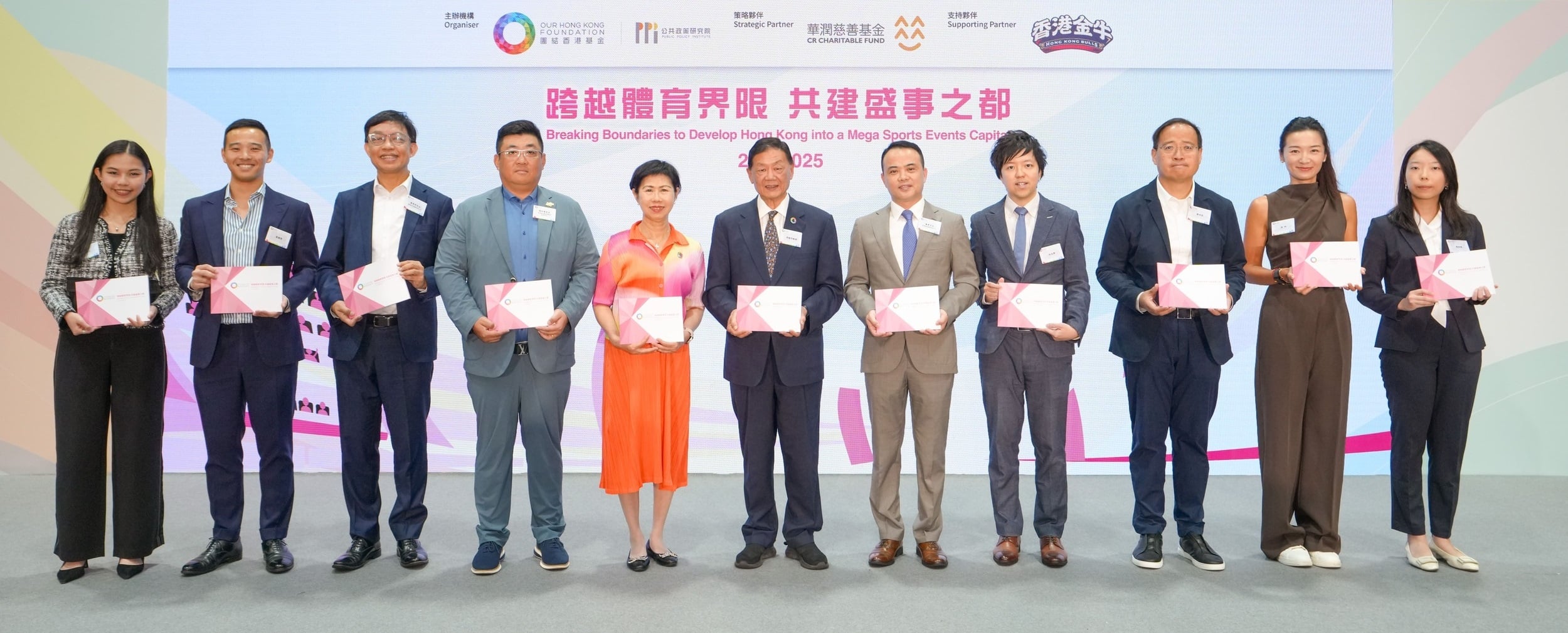
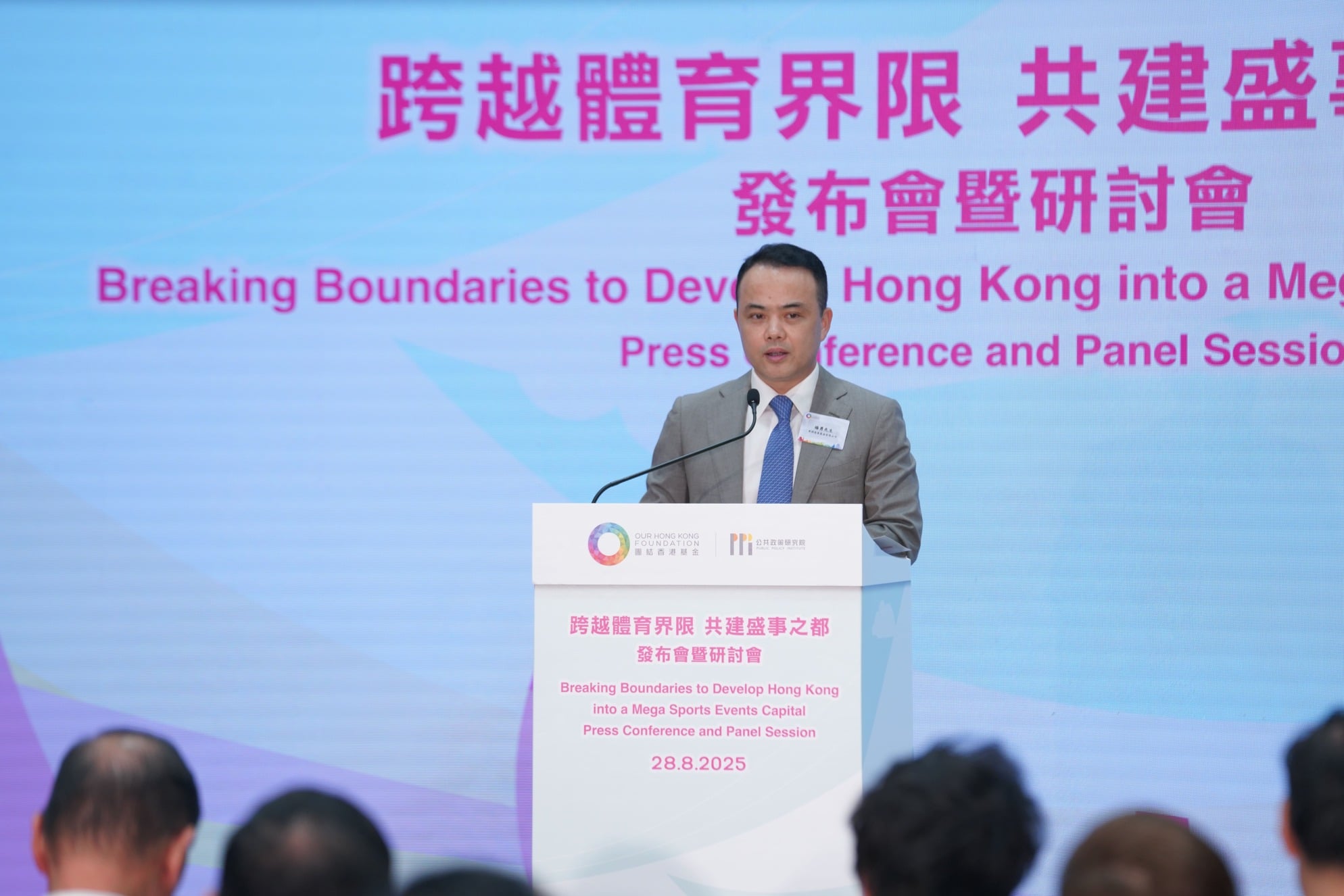
(28 August 2025) Our Hong Kong Foundation (OHKF) held the launch of its report “Breaking Boundaries to Develop Hong Kong into a Mega Sports Events Capital” and a panel session today. The event focuses on three key areas: (i) developing industry data, (ii) encouraging public and private funding, and (iii) nurturing industry talent. Together with earlier recommendations on active event bidding and planning, enhancing infrastructure, and promoting sportainment, the report puts forward a total of 22 policy recommendations across six areas (Figure 1). Drawing on in-depth interviews with over 50 stakeholders and international case studies, the report examines the challenges Hong Kong faces in hosting large-scale sports events. The six policy areas aim to advance Hong Kong’s vision of becoming a “mega sports events capital.”
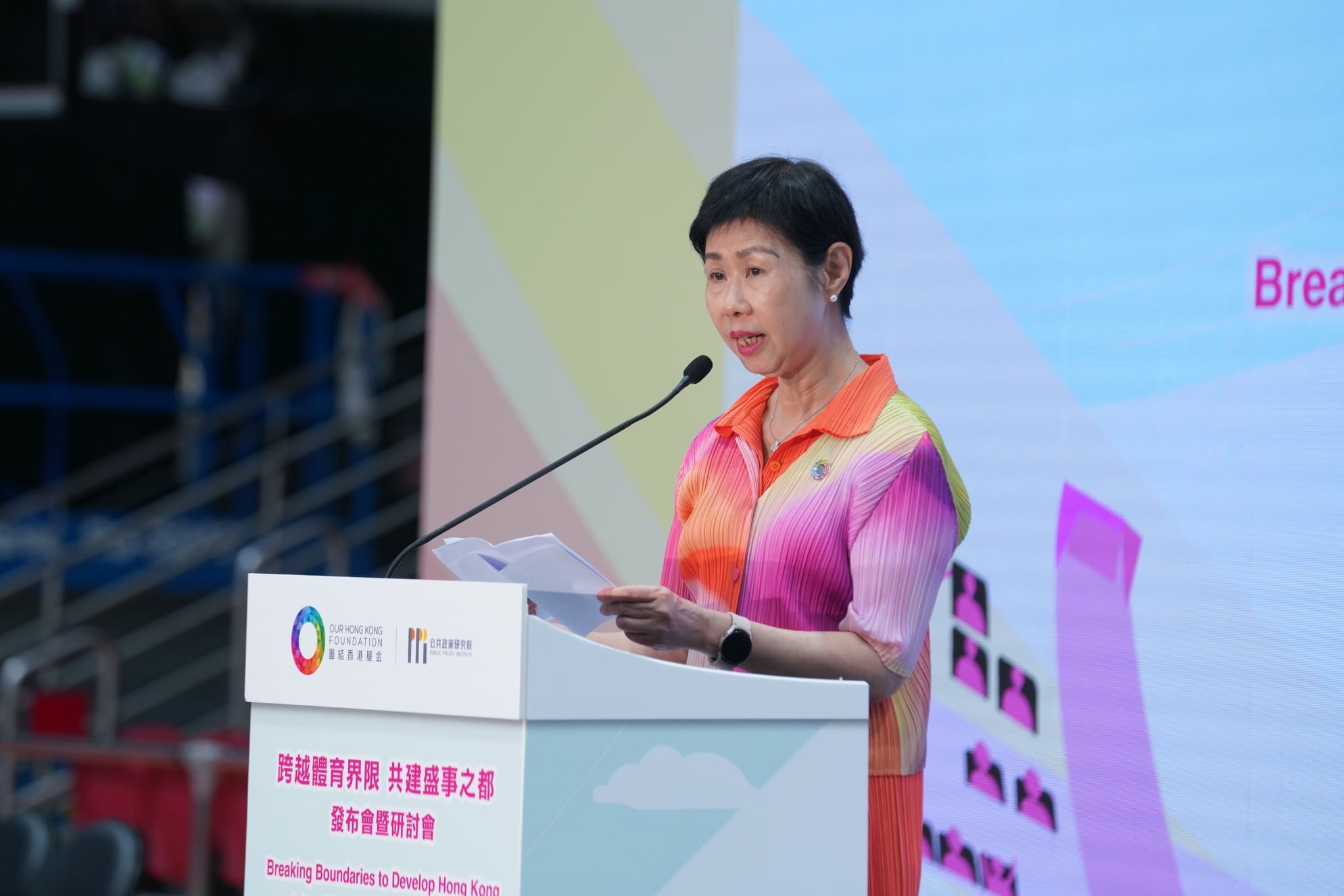
Dr Jane Lee, President of Our Hong Kong Foundation said: “This year’s National Games marks an important milestone, laying a solid foundation for the Greater Bay Area to co-host even larger multi-sport events in the future. Looking forward, we should further promote cooperation between Hong Kong and the Mainland in areas such as sharing of sports infrastructure and cultivating professional talent, and extend this collaboration through sports into broader exchanges within the GBA.”
(i) Developing Industry Data
Industry data is fundamental to understanding the development of the sports industry. A systematic and refined statistical system would support government decision-making and industry development. Key recommendation includes:
Establish an industry data statistical mechanism to quantify industry scale
The Culture, Sports and Tourism Bureau (CSTB) should establish an industry data mechanism, seconding statisticians from the Census and Statistics Department (C&SD) to establish internal data statistician positions and commissioning third-party organisations to conduct research on the sports industry. The mechanism should quantify industry size, measure the economic contribution of sub-sectors, and capture the multiplier effects of mega sports events (e.g. consumption and employment opportunities).
(ii) Encouraging Public and Private Funding
A robust funding framework should include government, corporate, and individual contributions to sustain mega sports events in Hong Kong. Key recommendations include:
Public Funding
Establish a “Young” Mark to invest in international master games, youth matches and national professional leagues
The CSTB should establish a “Young” Mark to fund innovative and emerging events with potential to develop into “M” Mark events, with a subsidy limit of HKD 10 million. Hosting international master games could attract middle-aged and senior visitors with higher spending power, providing a strong boost to tourism. At the same time, international youth tournaments and national leagues also hold great potential, as they not only enhance the competitiveness of local athletes and support their development, but also stimulate consumption in hotels, retail, and entertainment sectors.
Adjust matching fund ratios for different events to enhance investment
The Government could adjust matching fund ratios across different types of events to enhance investment efficiency. For instance, under the “Young” Mark, international master games not only promote tourism but also align with the “silver economy” policy introduced in the 2024 Policy Address, and as such, a 1:1 government–corporate ratio could be adopted. For international youth tournaments and national leagues, which can raise athletes’ standards while boosting industry growth and economic returns, the Government could take the lead in mobilising business support with a ratio of 7:3. Lastly, because the commercial entertainment nature of “M” Mark exhibition matches is relatively strong, with audience numbers serving as their main success indicator, the Government could consider adjusting their ratio to 3:7, reserving more funding to support other event categories.
Utilise betting revenue to establish a Sports Industry Development Fund, expanding funding sources for mega sports events
The Government could collaborate with the Hong Kong Jockey Club to establish a Sports Industry Development Fund by allocating a small portion of revenue from the newly introduced basketball betting and the existing football betting tax (e.g. around 2% of net stake receipts, equivalent to about HKD 430 million). This fund should be used to support the growth of mega sports events, talent cultivation, and other aspects of industry development.
Private Funding
Strengthen the role of the Core Sponsor Group
The Government should take specific measures to strengthen the Core Sponsor Group’s functions, including increasing the frequency of meetings, hosting regular business matching sessions and seminars, and providing sponsorship negotiation workshops for NSAs, turning the Core Sponsor Group into a regular platform to promote cooperation between sports associations and potential sponsors.
(iii) Nurturing Industry Talent
Mega sports events require a wide range of professionals at every stage. Building a strong talent pool enhances the competitiveness of the entire industry. Key recommendations include:
Leverage events in Mainland China to create internship opportunities for local talents
CSTB could subsidise “M” Mark organisers or contractors to hire at least one intern for a placement of no less than two months, covering core areas such as event planning, public relations and marketing, venue management, and sponsorship negotiation. CSTB could also collaborate with the Home and Youth Affairs Bureau (HYAB) to introduce a sports-events track under the existing “HYAB Thematic Youth Internship Programmes to the Mainland”, enabling students to acquire valuable experience from higher-level events in the Mainland and further enhance their professional skills.
Enhance the “Retired Athletes Transformation Programme” to nurture mega event talents
CSTB could expand the scope of the “Retired Athletes Transformation Programme” to include private organisations engaged in sports event promotion and planning. Through subsidies and matching services, sports associations and private companies could be encouraged to employ retired athletes in short-term or part-time event-related roles, thereby better meeting the market’s growing demand for event professionals.
Vice President of Our Hong Kong Foundation and Executive Director of the Public Policy Institute, Mr Kenny Shui remarked: “We recommend that the Government adopt a more strategic approach to leveraging mega sports events to not only stimulate the economy and energise the sporting atmosphere but also to drive long-term industry development. For instance, national leagues that operate under a home-and-away format could stage 20 to 30 matches each season, drawing fans from across the Mainland to visit Hong Kong repeatedly and unlocking the potential of the city’s “home game economy.” Similarly, international youth tournaments can attract overseas athletes’ families to stay in Hong Kong for several days, transforming popularity into tangible economic gains. Such events are well worth further investment.”
-
Breaking Boundaries to Develop Hong Kong into a Mega Sports Events Capital
Full Report: https://bit.ly/45RB9VY
PowerPoint Slides: https://bit.ly/4oSRGSk
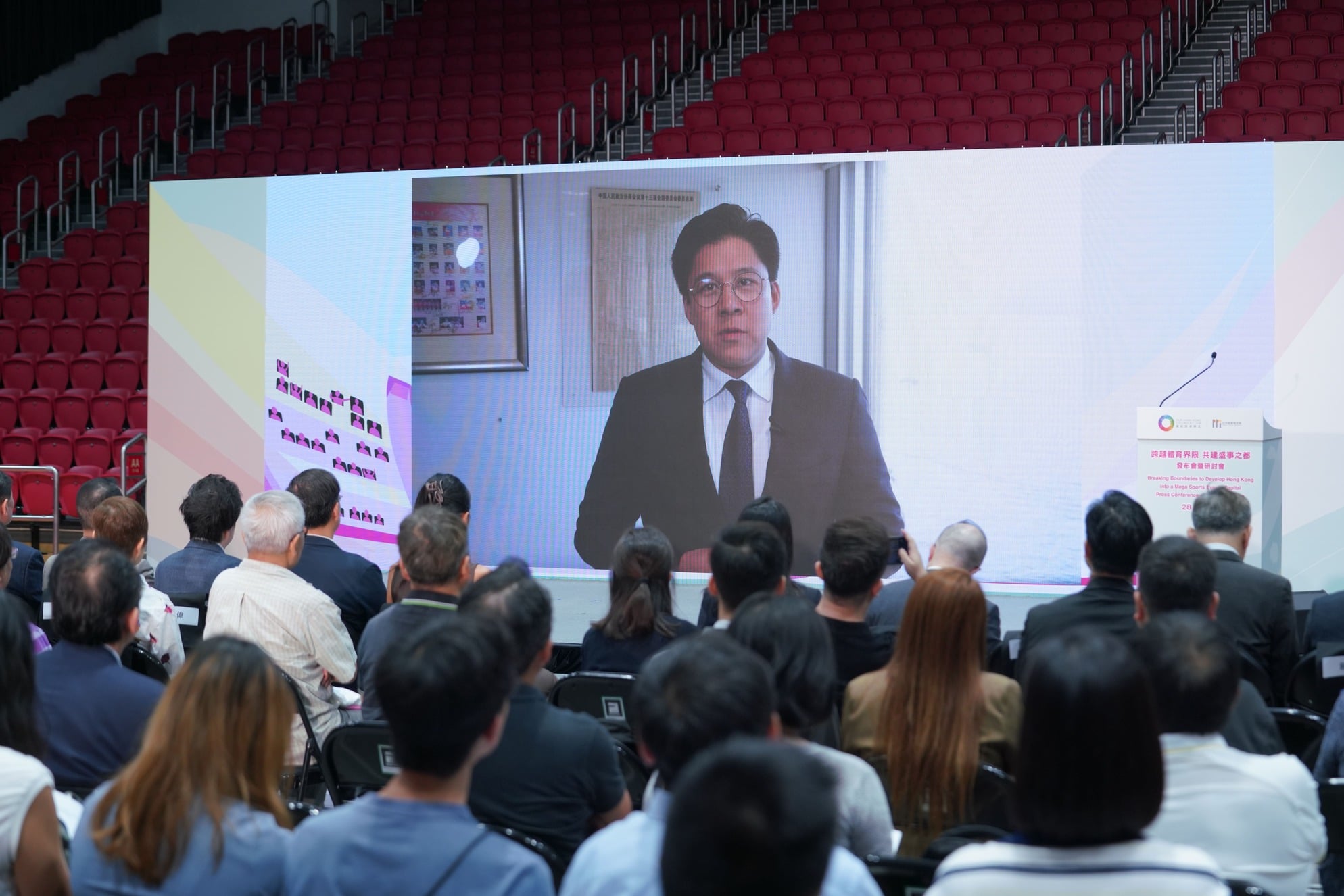
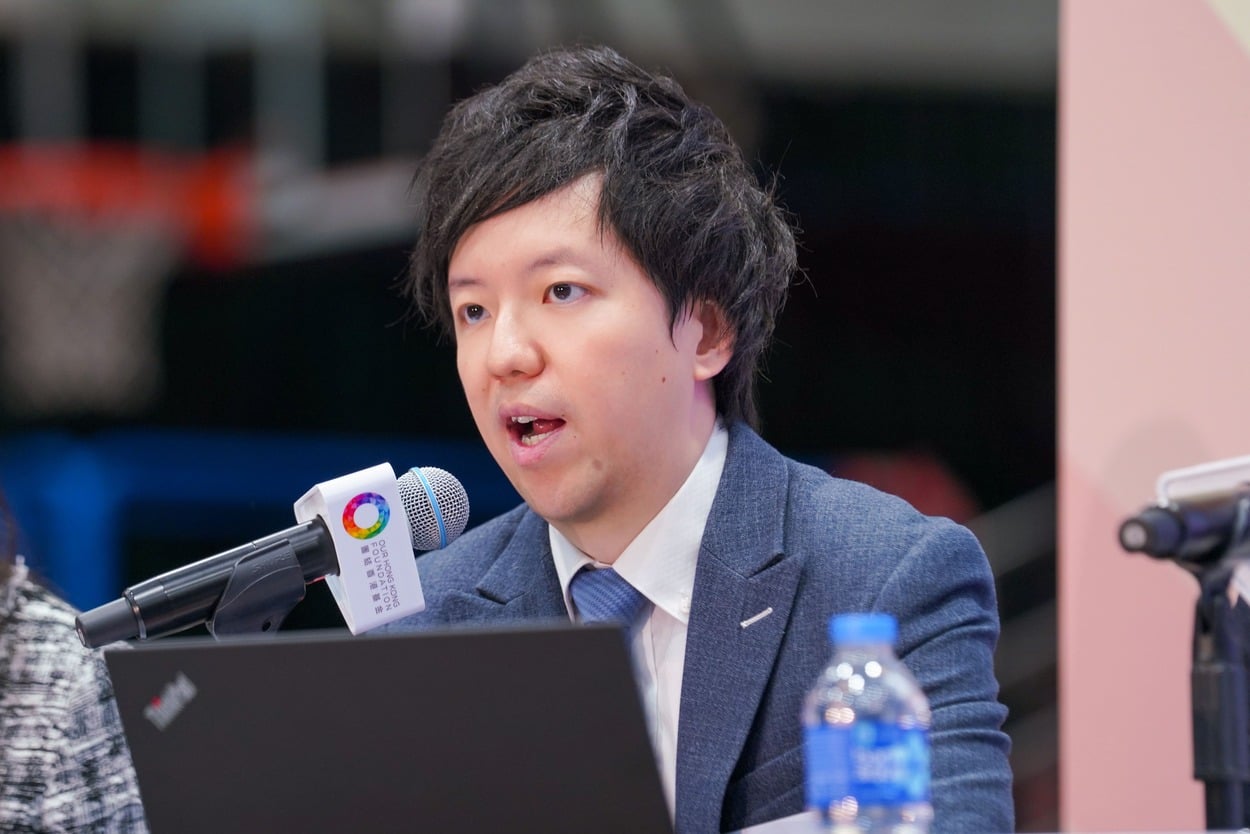

He stated on the panel discussion that there is enormous potential for the development of mega sports events in Hong Kong. It is expected to contribute to economic growth, and the Government can also promote development in various areas through sports.
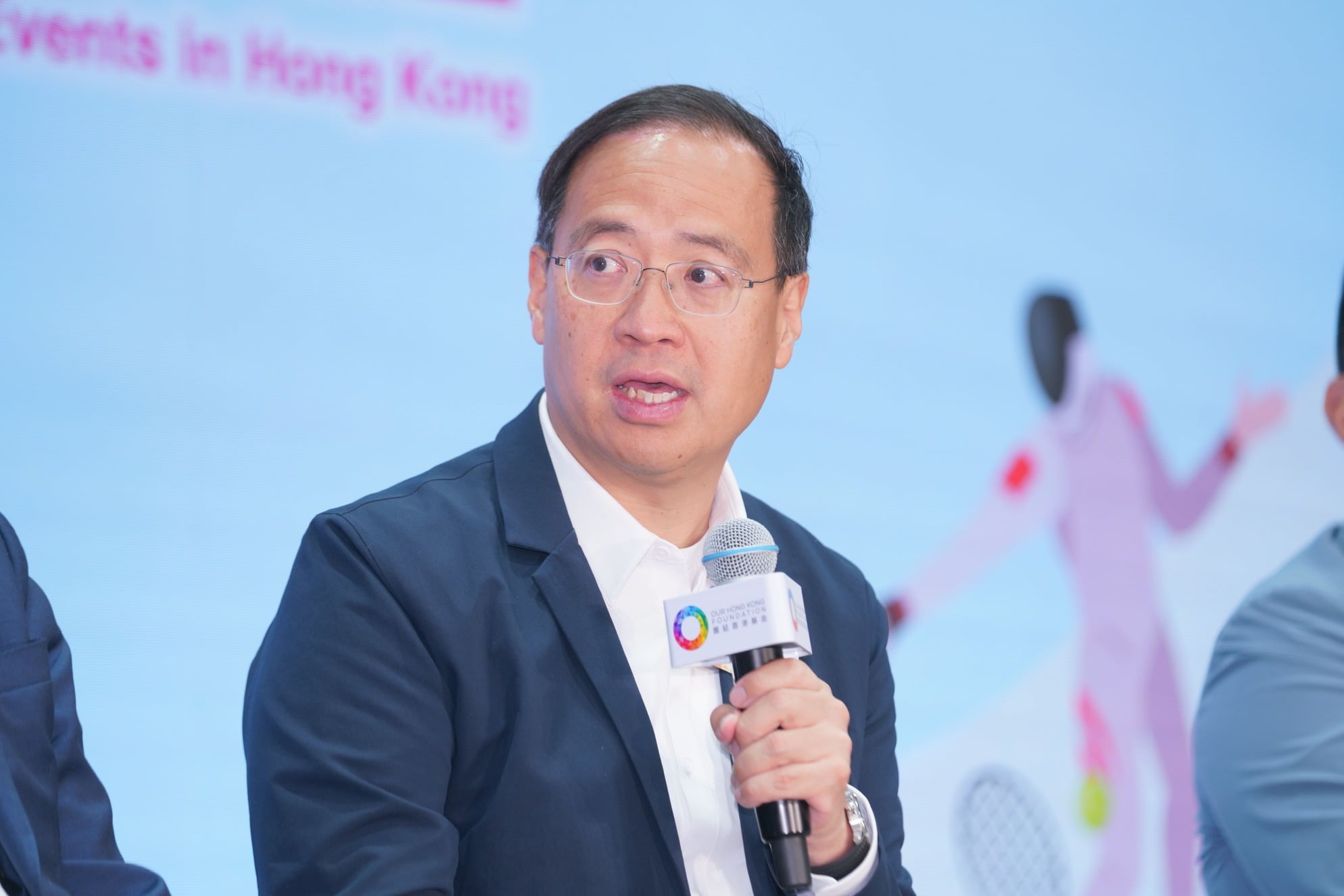
In his sharing, he shared that promoting sports in the community, developing sports as an industry, and enhancing professionalism for mega sports events depend on the effective alignment of individual components. Only through the complementary interaction of these elements can the sustainable development of the sports industry be advanced.
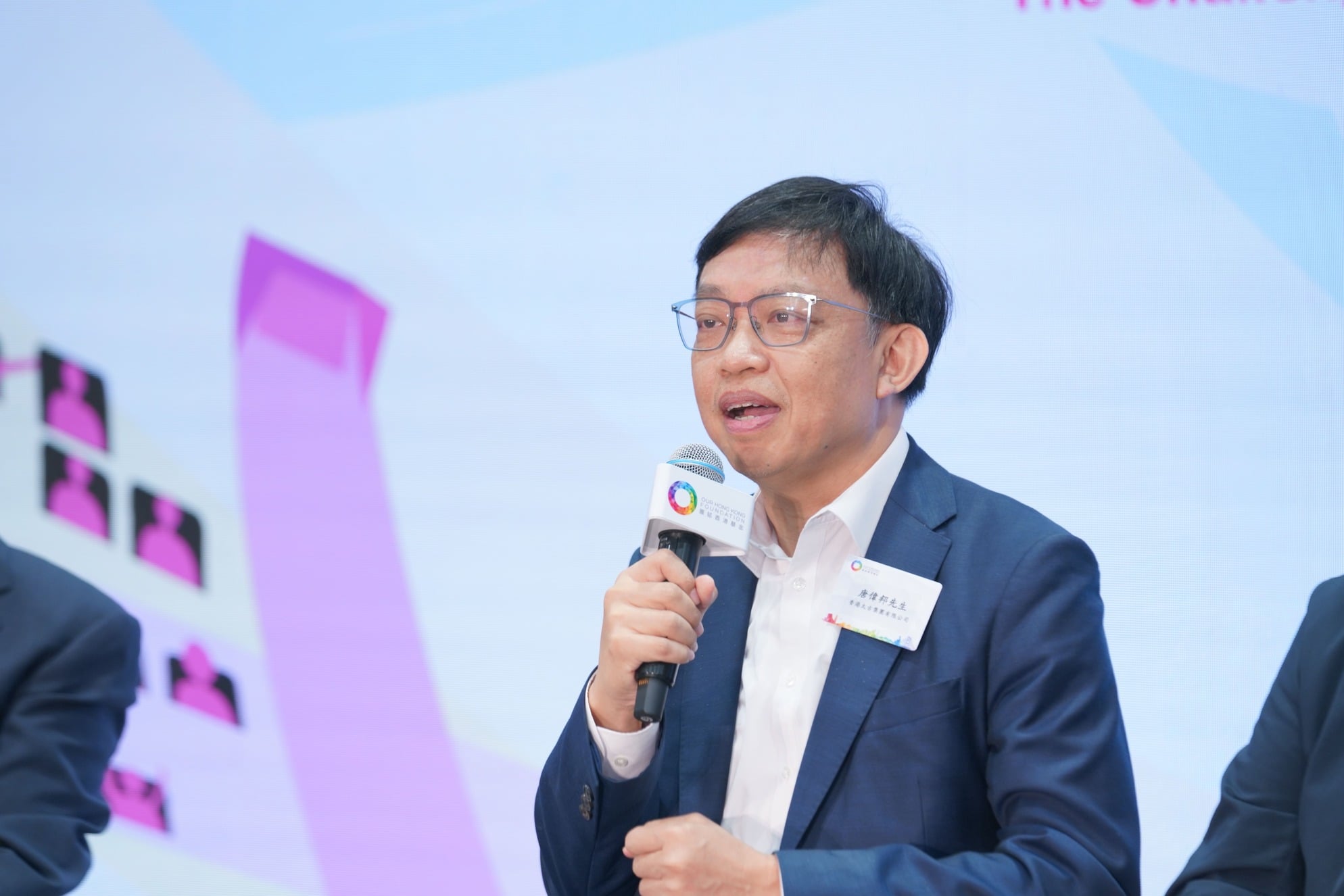
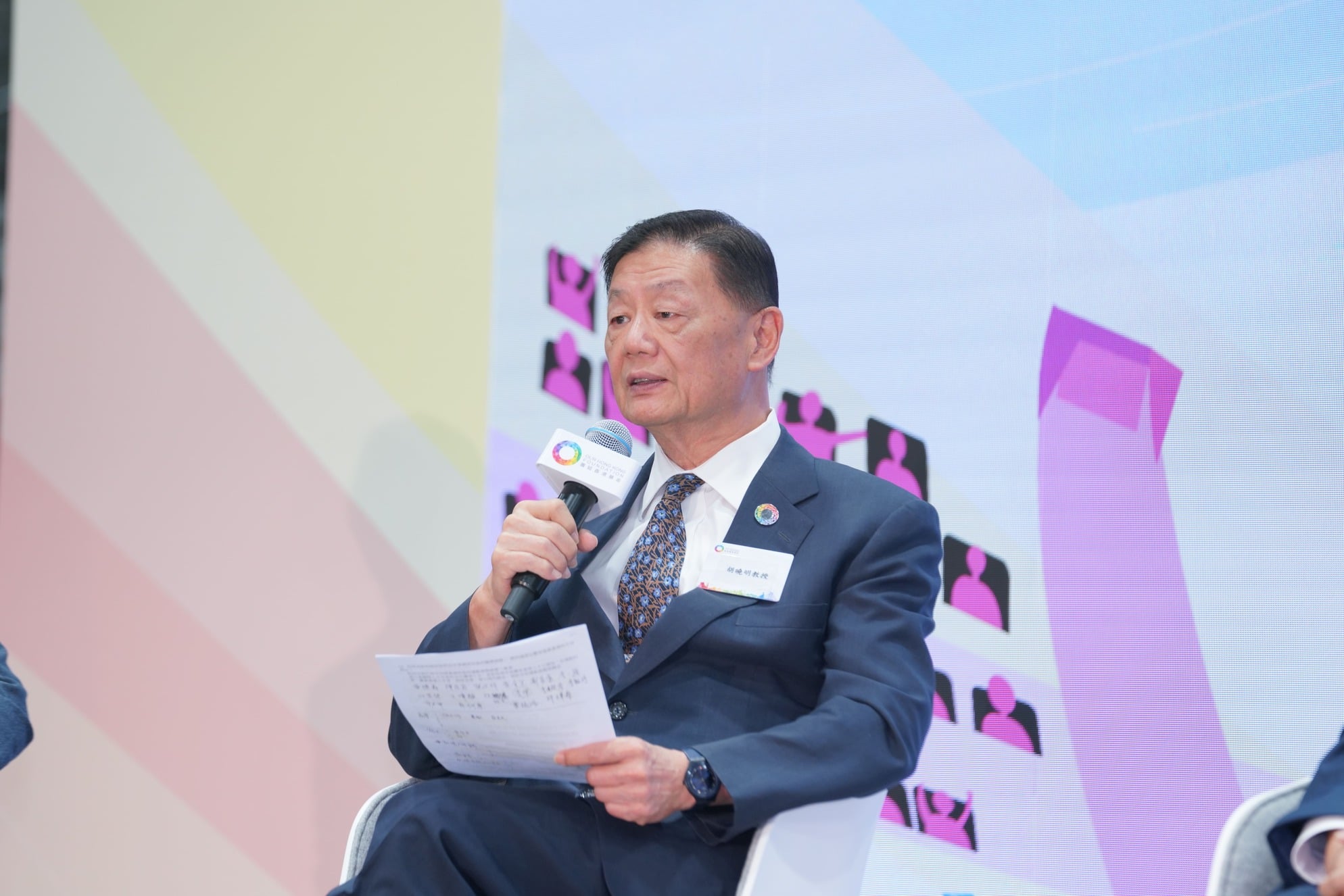
He expressed that mega sports events have the capacity to stimulate consumption and, in turn, foster economic growth. At the same time, sports represent a significant driver of wider social progress. The business sector’s support for such events also constitutes a tangible expression of corporate social responsibility.
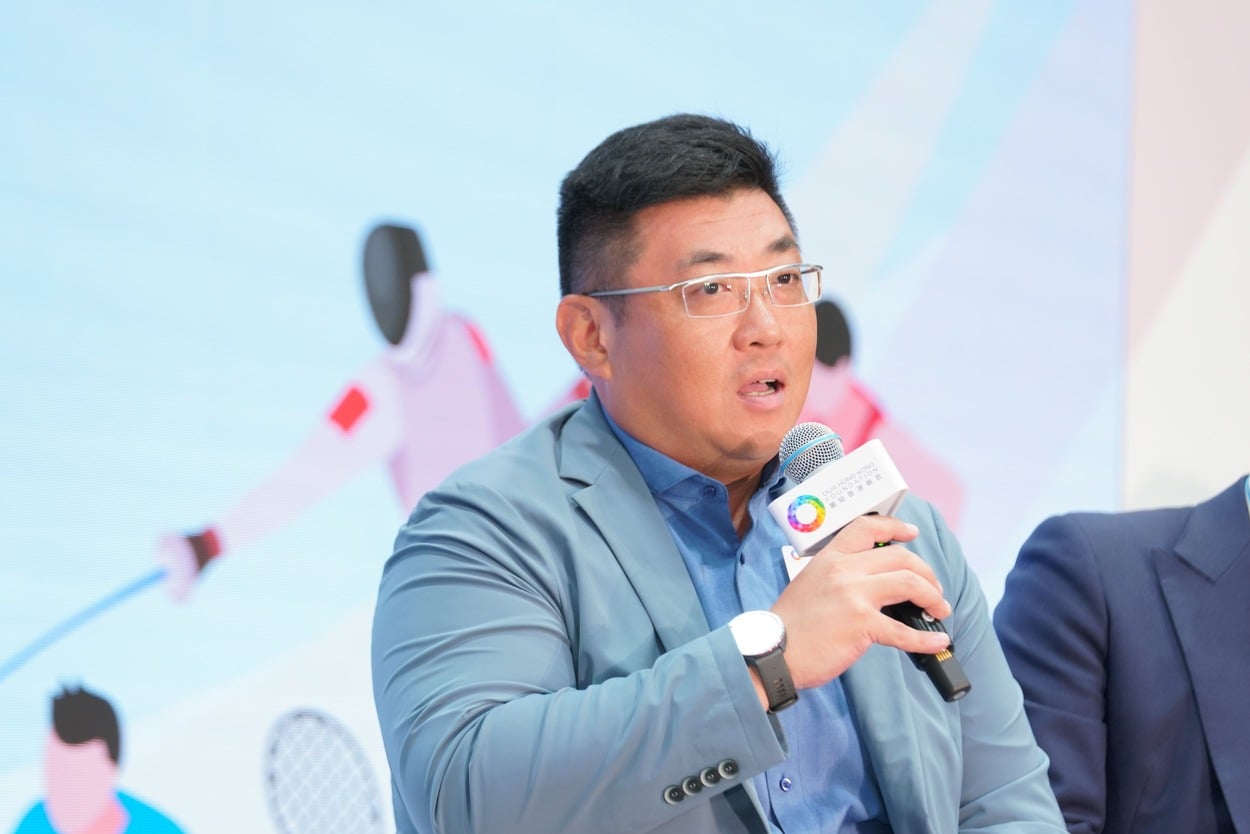
He said that Hong Kong currently lacks its own signature event brand, comparable to the National Basketball Association (NBA) or Formula One (F1). Fan and supporter activities associated with such events can stimulate a chain of consumption and represent a key factor in advancing the development of mega sports events.
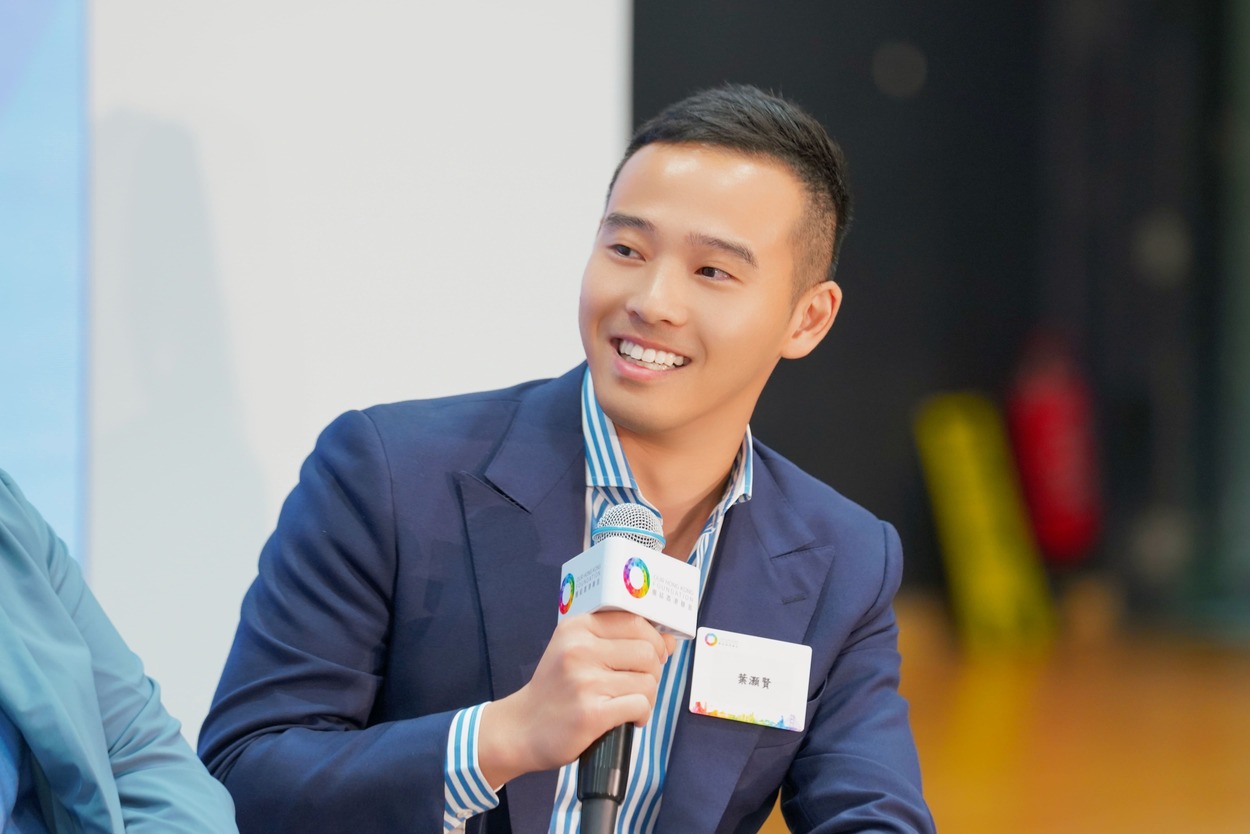
He stated on the panel discussion that the sports facilities are designed with versatility and flexibility to accommodate the requirements of event organisers. The integration of activities within and outside the venues enhances the overall spectator journey and experience.
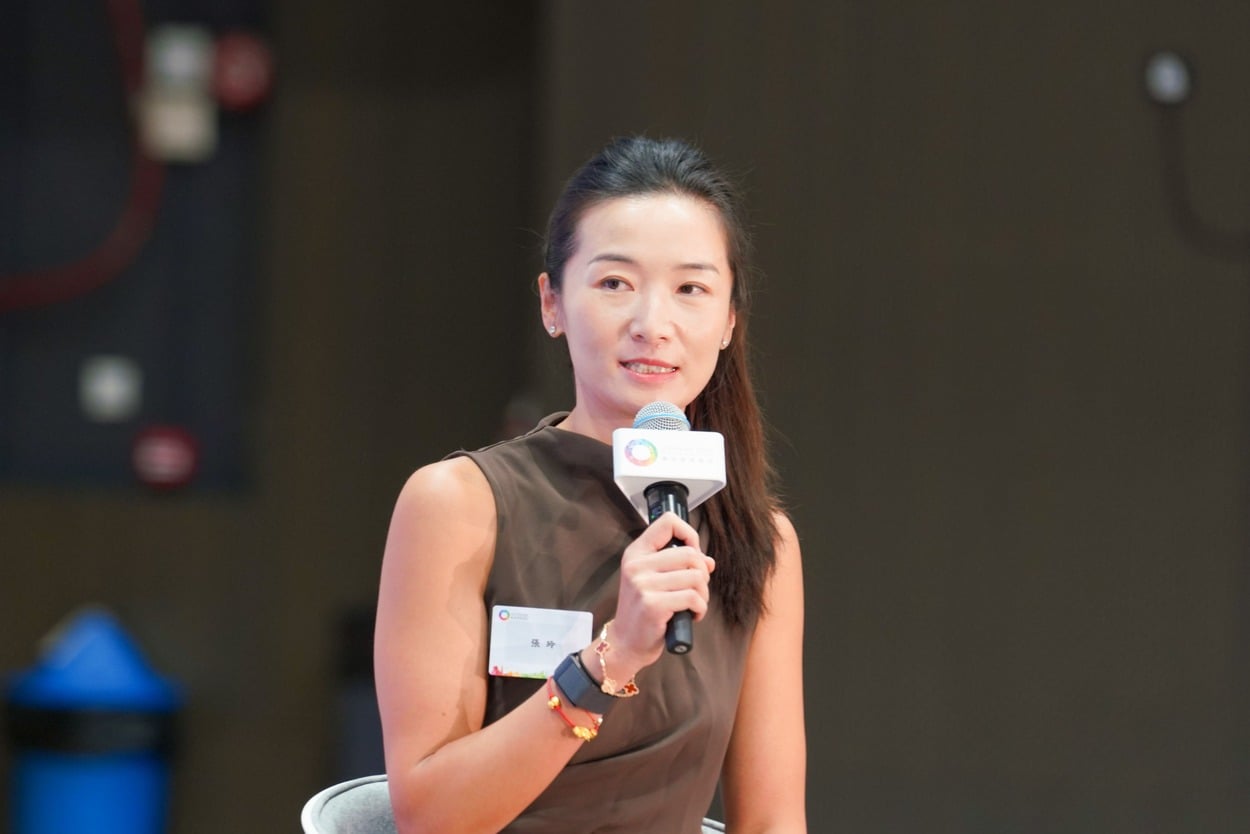
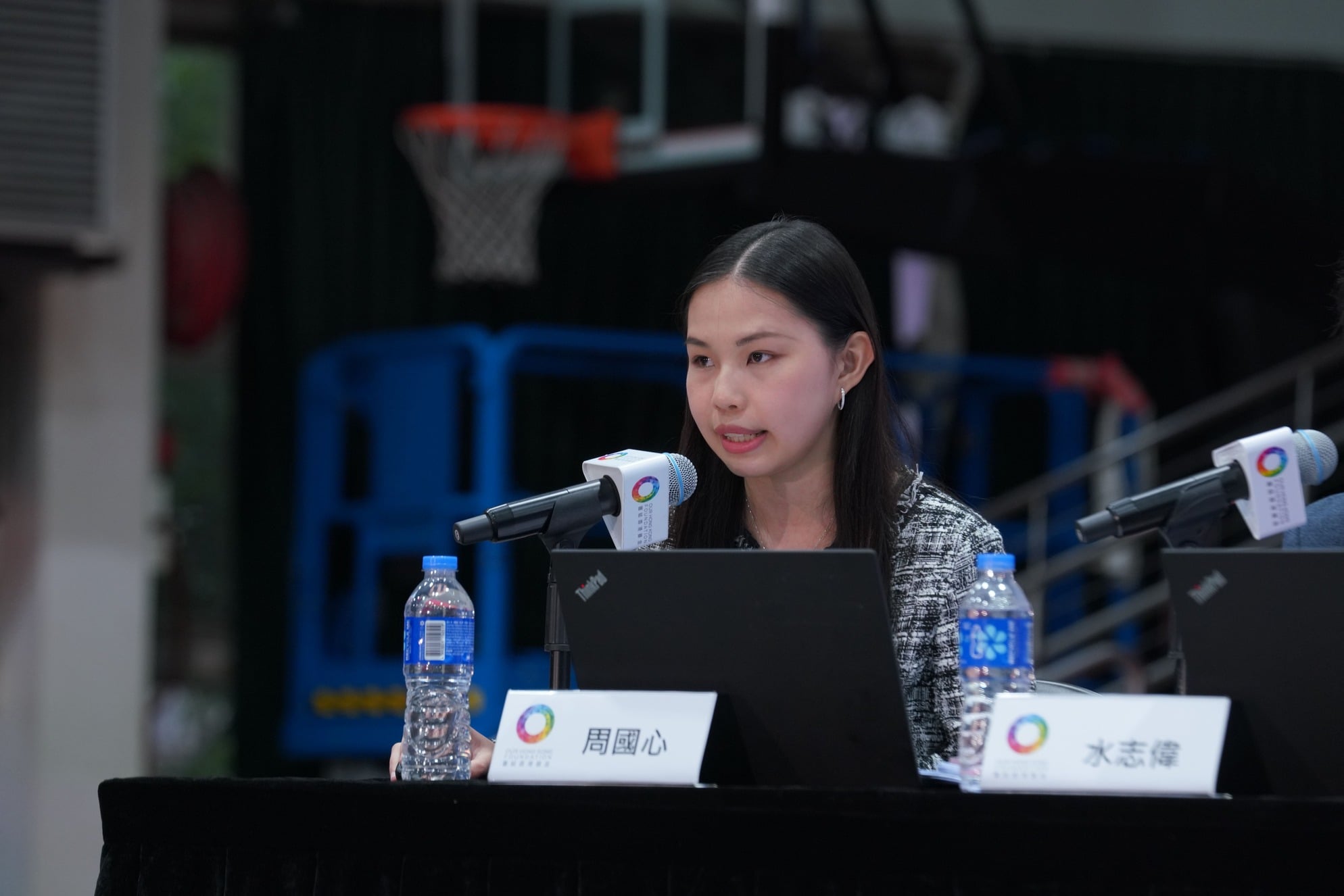
She remarked that the commissioning of the Kai Tak Sports Park will further advance the industrialisation of sports and the growth of the mega event economy. She added that Hong Kong’s role in hosting eight competition events of the National Games will also contribute to the development and nurturing of sports talent.


Leveraging betting revenue to support industry development and introducing “Young” Mark to invest in emerging events
(28 August 2025) Our Hong Kong Foundation (OHKF) held the launch of its report “Breaking Boundaries to Develop Hong Kong into a Mega Sports Events Capital” and a panel session today. The event focuses on three key areas: (i) developing industry data, (ii) encouraging public and private funding, and (iii) nurturing industry talent. Together with earlier recommendations on active event bidding and planning, enhancing infrastructure, and promoting sportainment, the report puts forward a total of 22 policy recommendations across six areas (Figure 1). Drawing on in-depth interviews with over 50 stakeholders and international case studies, the report examines the challenges Hong Kong faces in hosting large-scale sports events. The six policy areas aim to advance Hong Kong’s vision of becoming a “mega sports events capital.”
Dr Jane Lee, President of Our Hong Kong Foundation said: “This year’s National Games marks an important milestone, laying a solid foundation for the Greater Bay Area to co-host even larger multi-sport events in the future. Looking forward, we should further promote cooperation between Hong Kong and the Mainland in areas such as sharing of sports infrastructure and cultivating professional talent, and extend this collaboration through sports into broader exchanges within the GBA.”
(i) Developing Industry Data
Industry data is fundamental to understanding the development of the sports industry. A systematic and refined statistical system would support government decision-making and industry development. Key recommendation includes:
Establish an industry data statistical mechanism to quantify industry scale
The Culture, Sports and Tourism Bureau (CSTB) should establish an industry data mechanism, seconding statisticians from the Census and Statistics Department (C&SD) to establish internal data statistician positions and commissioning third-party organisations to conduct research on the sports industry. The mechanism should quantify industry size, measure the economic contribution of sub-sectors, and capture the multiplier effects of mega sports events (e.g. consumption and employment opportunities).
(ii) Encouraging Public and Private Funding
A robust funding framework should include government, corporate, and individual contributions to sustain mega sports events in Hong Kong. Key recommendations include:
Public Funding
Establish a “Young” Mark to invest in international master games, youth matches and national professional leagues
The CSTB should establish a “Young” Mark to fund innovative and emerging events with potential to develop into “M” Mark events, with a subsidy limit of HKD 10 million. Hosting international master games could attract middle-aged and senior visitors with higher spending power, providing a strong boost to tourism. At the same time, international youth tournaments and national leagues also hold great potential, as they not only enhance the competitiveness of local athletes and support their development, but also stimulate consumption in hotels, retail, and entertainment sectors.
Adjust matching fund ratios for different events to enhance investment
The Government could adjust matching fund ratios across different types of events to enhance investment efficiency. For instance, under the “Young” Mark, international master games not only promote tourism but also align with the “silver economy” policy introduced in the 2024 Policy Address, and as such, a 1:1 government–corporate ratio could be adopted. For international youth tournaments and national leagues, which can raise athletes’ standards while boosting industry growth and economic returns, the Government could take the lead in mobilising business support with a ratio of 7:3. Lastly, because the commercial entertainment nature of “M” Mark exhibition matches is relatively strong, with audience numbers serving as their main success indicator, the Government could consider adjusting their ratio to 3:7, reserving more funding to support other event categories.
Utilise betting revenue to establish a Sports Industry Development Fund, expanding funding sources for mega sports events
The Government could collaborate with the Hong Kong Jockey Club to establish a Sports Industry Development Fund by allocating a small portion of revenue from the newly introduced basketball betting and the existing football betting tax (e.g. around 2% of net stake receipts, equivalent to about HKD 430 million). This fund should be used to support the growth of mega sports events, talent cultivation, and other aspects of industry development.
Private Funding
Strengthen the role of the Core Sponsor Group
The Government should take specific measures to strengthen the Core Sponsor Group’s functions, including increasing the frequency of meetings, hosting regular business matching sessions and seminars, and providing sponsorship negotiation workshops for NSAs, turning the Core Sponsor Group into a regular platform to promote cooperation between sports associations and potential sponsors.
(iii) Nurturing Industry Talent
Mega sports events require a wide range of professionals at every stage. Building a strong talent pool enhances the competitiveness of the entire industry. Key recommendations include:
Leverage events in Mainland China to create internship opportunities for local talents
CSTB could subsidise “M” Mark organisers or contractors to hire at least one intern for a placement of no less than two months, covering core areas such as event planning, public relations and marketing, venue management, and sponsorship negotiation. CSTB could also collaborate with the Home and Youth Affairs Bureau (HYAB) to introduce a sports-events track under the existing “HYAB Thematic Youth Internship Programmes to the Mainland”, enabling students to acquire valuable experience from higher-level events in the Mainland and further enhance their professional skills.
Enhance the “Retired Athletes Transformation Programme” to nurture mega event talents
CSTB could expand the scope of the “Retired Athletes Transformation Programme” to include private organisations engaged in sports event promotion and planning. Through subsidies and matching services, sports associations and private companies could be encouraged to employ retired athletes in short-term or part-time event-related roles, thereby better meeting the market’s growing demand for event professionals.
Vice President of Our Hong Kong Foundation and Executive Director of the Public Policy Institute, Mr Kenny Shui remarked: “We recommend that the Government adopt a more strategic approach to leveraging mega sports events to not only stimulate the economy and energise the sporting atmosphere but also to drive long-term industry development. For instance, national leagues that operate under a home-and-away format could stage 20 to 30 matches each season, drawing fans from across the Mainland to visit Hong Kong repeatedly and unlocking the potential of the city’s “home game economy.” Similarly, international youth tournaments can attract overseas athletes’ families to stay in Hong Kong for several days, transforming popularity into tangible economic gains. Such events are well worth further investment.”
-
Breaking Boundaries to Develop Hong Kong into a Mega Sports Events Capital
Full Report: https://bit.ly/45RB9VY
PowerPoint Slides: https://bit.ly/4oSRGSk
He stated on the panel discussion that there is enormous potential for the development of mega sports events in Hong Kong. It is expected to contribute to economic growth, and the Government can also promote development in various areas through sports.
In his sharing, he shared that promoting sports in the community, developing sports as an industry, and enhancing professionalism for mega sports events depend on the effective alignment of individual components. Only through the complementary interaction of these elements can the sustainable development of the sports industry be advanced.
He expressed that mega sports events have the capacity to stimulate consumption and, in turn, foster economic growth. At the same time, sports represent a significant driver of wider social progress. The business sector’s support for such events also constitutes a tangible expression of corporate social responsibility.
He said that Hong Kong currently lacks its own signature event brand, comparable to the National Basketball Association (NBA) or Formula One (F1). Fan and supporter activities associated with such events can stimulate a chain of consumption and represent a key factor in advancing the development of mega sports events.
He stated on the panel discussion that the sports facilities are designed with versatility and flexibility to accommodate the requirements of event organisers. The integration of activities within and outside the venues enhances the overall spectator journey and experience.
She remarked that the commissioning of the Kai Tak Sports Park will further advance the industrialisation of sports and the growth of the mega event economy. She added that Hong Kong’s role in hosting eight competition events of the National Games will also contribute to the development and nurturing of sports talent.