







Low-altitude economy can soar if Hong Kong plays to its strengths




Low-altitude economy can soar if Hong Kong plays to its strengths

The city can leverage its R&D capabilities and regional connectivity while catching up on infrastructure and policy guidance – and act fast.
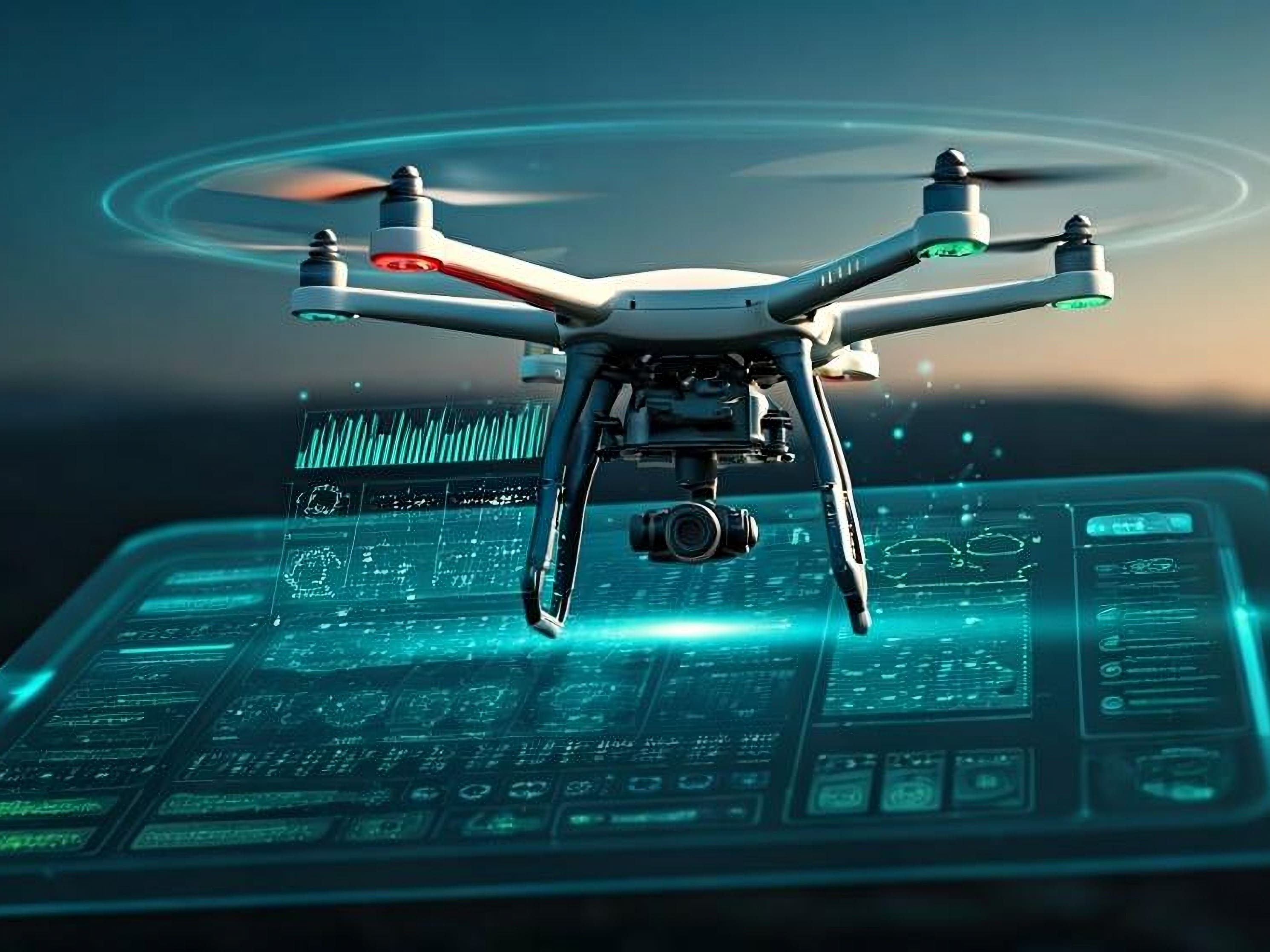
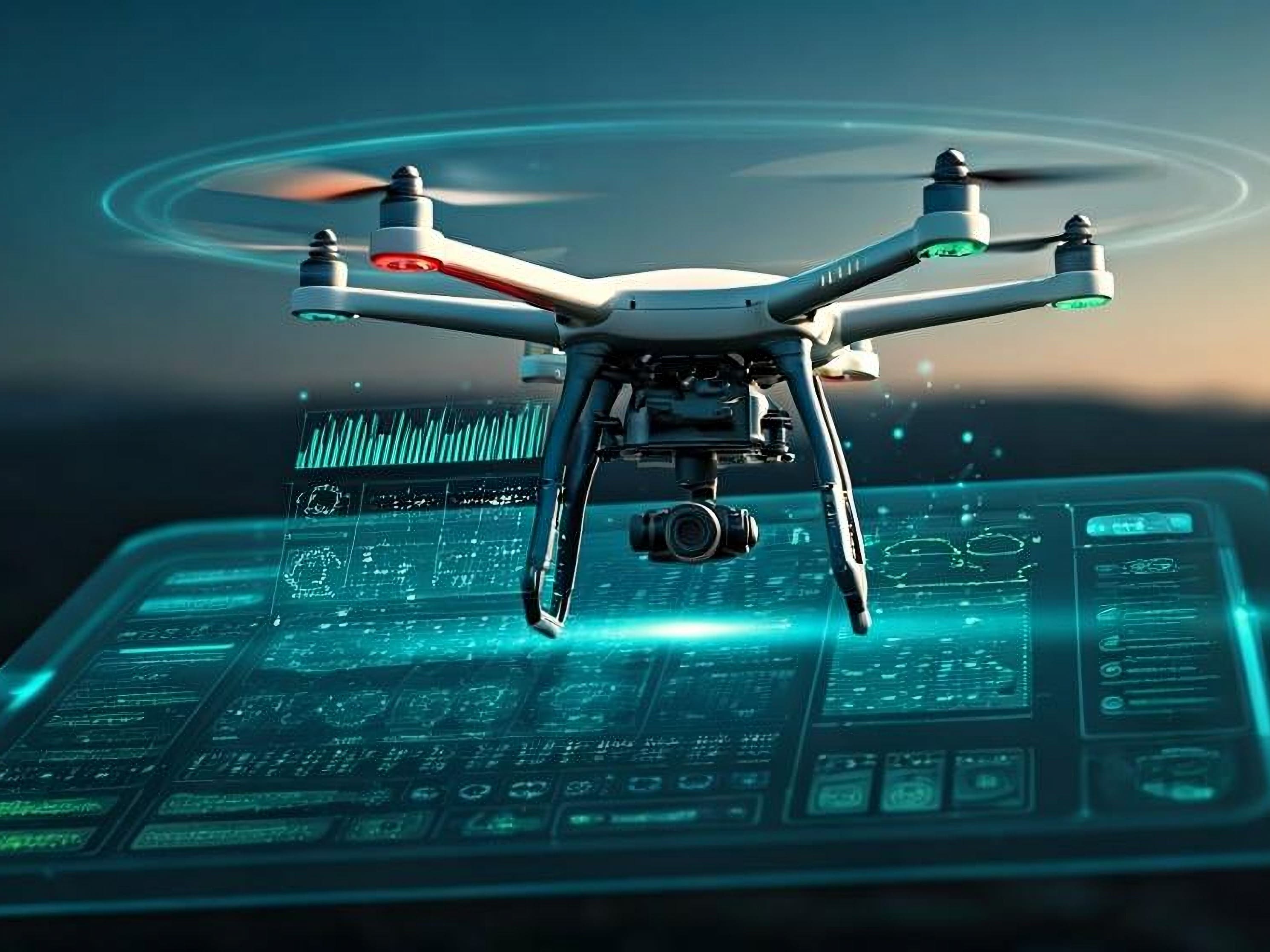
Hong Kong is on the cusp of a transformative shift as it embraces the low-altitude economy, a rapidly growing sector poised to revolutionise industries, reshape urban landscapes and redefine modern living. Advances in artificial intelligence, intelligent networks and human-computer interaction are driving the integration of autonomous aerial vehicles and drones into everyday life.
Globally, the low-altitude economy is emerging as a high-growth industry. In China, the sector is expected to reach a market size of 1.5 trillion yuan (US$206.6 billion) this year and 3.5 trillion yuan by 2035, driven by policy support, technological innovation and increasing investment.
Drones, low-altitude intelligent networks and electric vertical take-off and landing (eVTOL) vehicles are poised to transform logistics, public services and connectivity, ushering in a new frontier in the economic landscape.
The Greater Bay Area is leading this transformation. For example, Shenzhen has already built 483 vertiports – a type of heliport serving aircraft making vertical landings – and plans to add another 1,200 by 2026. Important mainland cities are updating their regulatory frameworks to accommodate drones and eVTOLs, bolstering the region as a global centre for innovation and growth.
Consequently, Hong Kong has an opportunity to leverage its strengths as a financial, trade and aviation hub, with world-class institutions, connectivity to neighbouring cities and unique status under the “one country, two systems” framework.
Its strengths in research and development (R&D) can complement Shenzhen’s rapid infrastructure expansion. Cross-border initiatives such as drone deliveries and joint infrastructure projects can position the Greater Bay Area as an integrated low-altitude economic cluster.
A compelling example of Hong Kong’s potential for innovation is the story of Frank Wang. While at the Hong Kong University of Science and Technology (HKUST), Wang developed the prototype for DJI’s flight control system, laying the groundwork for transformative advancements in drone technology.
After graduating, he moved to Shenzhen, where he harnessed the region’s dynamic hardware prototyping and manufacturing ecosystem. There, Wang refined DJI’s product line-up, rapidly scaled operations and transformed the company into a global leader in drone and aerial imaging technology. This success highlights the immense potential of Hong Kong’s academic and research institutions to drive innovation, especially when paired with the region’s world-class manufacturing capabilities.
Despite these advantages, Hong Kong lags behind its mainland counterparts in infrastructure development. Progress is needed in constructing landing ports, deploying low-altitude traffic management systems and rolling out base stations essential for managing large volumes of drones and eVTOLs in a densely populated urban environment. In contrast, Shenzhen and other mainland cities are aggressively implementing this critical infrastructure.
The Northern Metropolis offers Hong Kong a once-in-a-generation opportunity to seamlessly integrate low-altitude economy infrastructure into its urban planning. To capitalise on this, the government must develop progressive design guidelines that incorporate vertiports into future construction projects, ensuring the city is well-prepared to meet the demands of this rapidly emerging sector.
Nurturing talent is vital for Hong Kong’s success. With five universities among the top 100 of the latest Times Higher Education global ranking, the city is well-positioned to take the lead in education and R&D in the low-altitude economy.
Initiatives such as the Low Altitude Economy Research Centre at HKUST and the Master of Science in Low-Altitude Economy programme at the Hong Kong Polytechnic University represent promising steps forward. Nevertheless, dedicated testing facilities for drones and eVTOLs are urgently needed to support R&D, enable rapid prototyping and iterative innovation.
Strong collaboration between industry and academia is essential to ensure research breakthroughs translate into practical applications and commercial success. By aligning academic expertise with industry needs, Hong Kong can create a pipeline of talent and innovation to drive the low-altitude economy forward.
On the regulatory front, Hong Kong is making strides. Proposed amendments to the Small Unmanned Aircraft Order seek to relax weight restrictions, allowing the use of larger drones for commercial purposes. These changes will lower barriers to entry, enhance the sector’s attractiveness to new investment and position Hong Kong as a potential leader in regulatory innovation. The government’s Low-altitude Economy Regulatory Sandbox pilot projects also serve as a crucial testing ground for emerging technologies.
However, regulatory progress must coincide with infrastructure development. The government should accelerate the construction of vertiports, implement advanced traffic management systems and guarantee robust communication networks. Without these foundational elements, the city risks lagging further behind its more proactive neighbours.
Hong Kong must act decisively to secure its place as a global leader in the low-altitude economy. It can carve out a competitive edge by accelerating infrastructure development, fostering cross-border partnerships and leveraging its academic strengths.
The low-altitude economy gives Hong Kong a unique opportunity to redefine its status as an innovation hub. The city can reach new heights through strategic policy guidance, infrastructure investment and talent development dedication. The time to act is now; prompt, decisive action will enable Hong Kong to lead in the region’s low-altitude economy.


The city can leverage its R&D capabilities and regional connectivity while catching up on infrastructure and policy guidance – and act fast.
Hong Kong is on the cusp of a transformative shift as it embraces the low-altitude economy, a rapidly growing sector poised to revolutionise industries, reshape urban landscapes and redefine modern living. Advances in artificial intelligence, intelligent networks and human-computer interaction are driving the integration of autonomous aerial vehicles and drones into everyday life.
Globally, the low-altitude economy is emerging as a high-growth industry. In China, the sector is expected to reach a market size of 1.5 trillion yuan (US$206.6 billion) this year and 3.5 trillion yuan by 2035, driven by policy support, technological innovation and increasing investment.
Drones, low-altitude intelligent networks and electric vertical take-off and landing (eVTOL) vehicles are poised to transform logistics, public services and connectivity, ushering in a new frontier in the economic landscape.
The Greater Bay Area is leading this transformation. For example, Shenzhen has already built 483 vertiports – a type of heliport serving aircraft making vertical landings – and plans to add another 1,200 by 2026. Important mainland cities are updating their regulatory frameworks to accommodate drones and eVTOLs, bolstering the region as a global centre for innovation and growth.
Consequently, Hong Kong has an opportunity to leverage its strengths as a financial, trade and aviation hub, with world-class institutions, connectivity to neighbouring cities and unique status under the “one country, two systems” framework.
Its strengths in research and development (R&D) can complement Shenzhen’s rapid infrastructure expansion. Cross-border initiatives such as drone deliveries and joint infrastructure projects can position the Greater Bay Area as an integrated low-altitude economic cluster.
A compelling example of Hong Kong’s potential for innovation is the story of Frank Wang. While at the Hong Kong University of Science and Technology (HKUST), Wang developed the prototype for DJI’s flight control system, laying the groundwork for transformative advancements in drone technology.
After graduating, he moved to Shenzhen, where he harnessed the region’s dynamic hardware prototyping and manufacturing ecosystem. There, Wang refined DJI’s product line-up, rapidly scaled operations and transformed the company into a global leader in drone and aerial imaging technology. This success highlights the immense potential of Hong Kong’s academic and research institutions to drive innovation, especially when paired with the region’s world-class manufacturing capabilities.
Despite these advantages, Hong Kong lags behind its mainland counterparts in infrastructure development. Progress is needed in constructing landing ports, deploying low-altitude traffic management systems and rolling out base stations essential for managing large volumes of drones and eVTOLs in a densely populated urban environment. In contrast, Shenzhen and other mainland cities are aggressively implementing this critical infrastructure.
The Northern Metropolis offers Hong Kong a once-in-a-generation opportunity to seamlessly integrate low-altitude economy infrastructure into its urban planning. To capitalise on this, the government must develop progressive design guidelines that incorporate vertiports into future construction projects, ensuring the city is well-prepared to meet the demands of this rapidly emerging sector.
Nurturing talent is vital for Hong Kong’s success. With five universities among the top 100 of the latest Times Higher Education global ranking, the city is well-positioned to take the lead in education and R&D in the low-altitude economy.
Initiatives such as the Low Altitude Economy Research Centre at HKUST and the Master of Science in Low-Altitude Economy programme at the Hong Kong Polytechnic University represent promising steps forward. Nevertheless, dedicated testing facilities for drones and eVTOLs are urgently needed to support R&D, enable rapid prototyping and iterative innovation.
Strong collaboration between industry and academia is essential to ensure research breakthroughs translate into practical applications and commercial success. By aligning academic expertise with industry needs, Hong Kong can create a pipeline of talent and innovation to drive the low-altitude economy forward.
On the regulatory front, Hong Kong is making strides. Proposed amendments to the Small Unmanned Aircraft Order seek to relax weight restrictions, allowing the use of larger drones for commercial purposes. These changes will lower barriers to entry, enhance the sector’s attractiveness to new investment and position Hong Kong as a potential leader in regulatory innovation. The government’s Low-altitude Economy Regulatory Sandbox pilot projects also serve as a crucial testing ground for emerging technologies.
However, regulatory progress must coincide with infrastructure development. The government should accelerate the construction of vertiports, implement advanced traffic management systems and guarantee robust communication networks. Without these foundational elements, the city risks lagging further behind its more proactive neighbours.
Hong Kong must act decisively to secure its place as a global leader in the low-altitude economy. It can carve out a competitive edge by accelerating infrastructure development, fostering cross-border partnerships and leveraging its academic strengths.
The low-altitude economy gives Hong Kong a unique opportunity to redefine its status as an innovation hub. The city can reach new heights through strategic policy guidance, infrastructure investment and talent development dedication. The time to act is now; prompt, decisive action will enable Hong Kong to lead in the region’s low-altitude economy.