








Future of GBA real estate hinges on policy and tech integration




Future of GBA real estate hinges on policy and tech integration

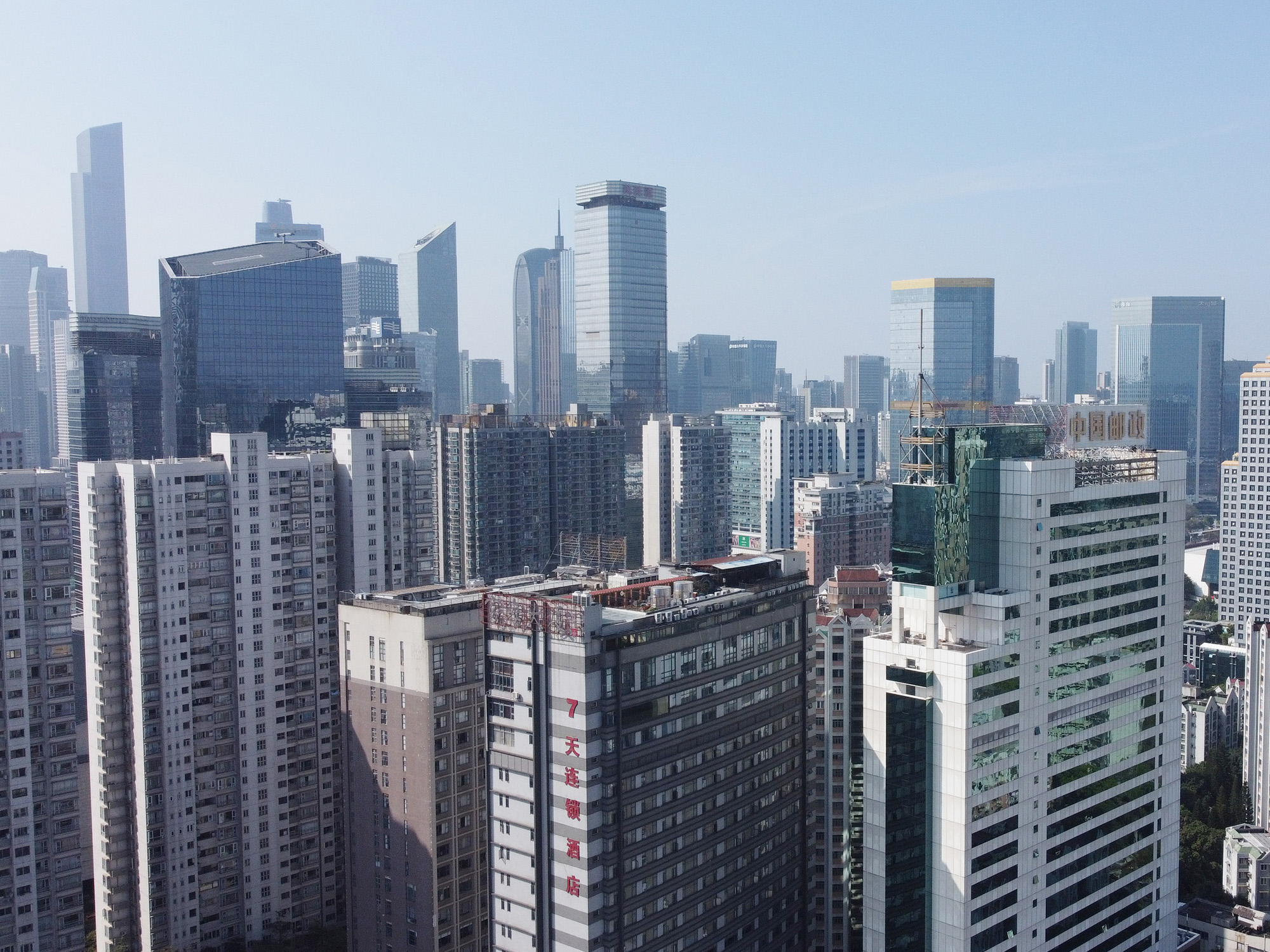
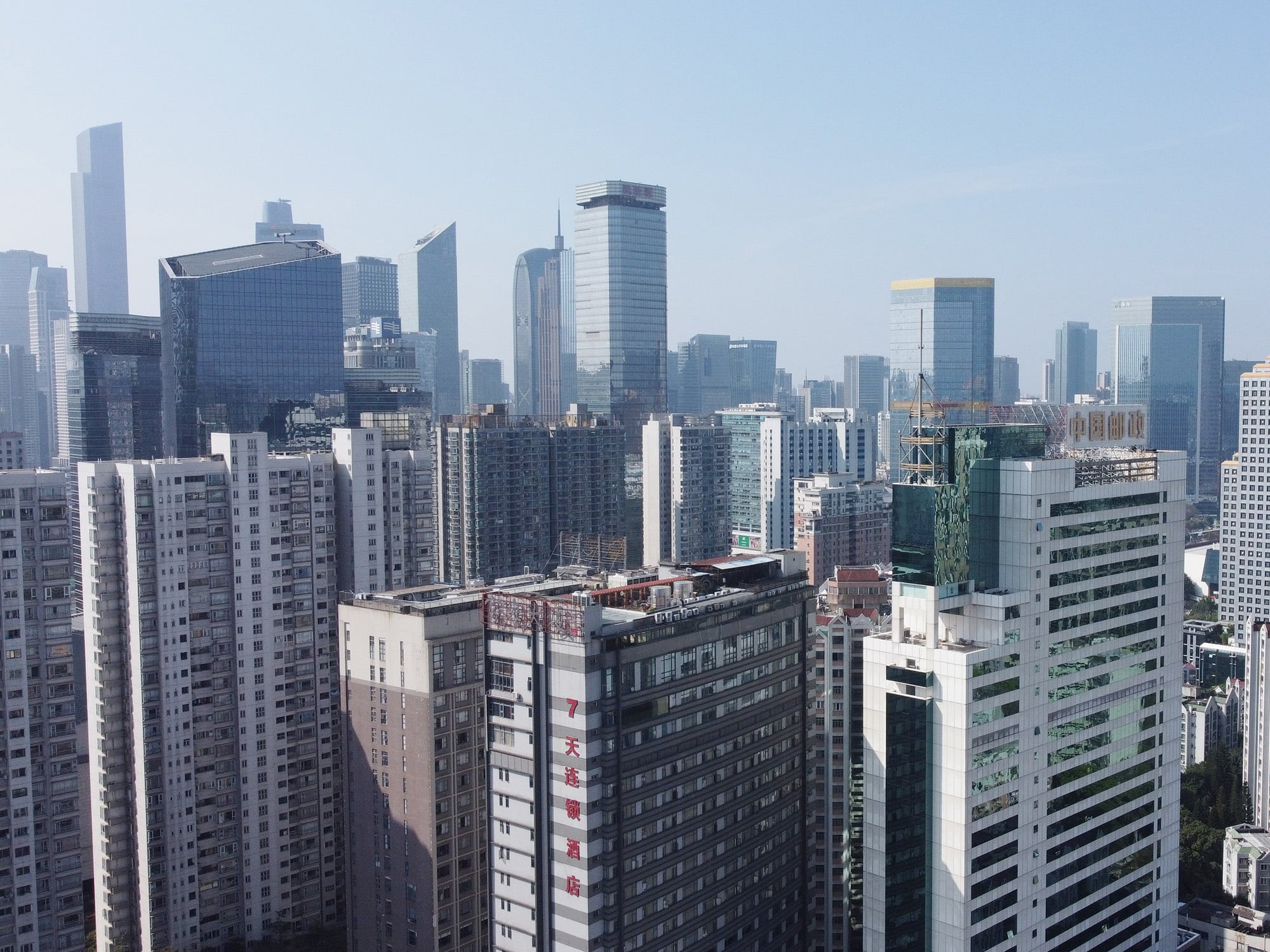
The Greater Bay Area (GBA) construction and real estate sector is at a pivotal juncture. With a year-on-year decline of 2.9%—the only one among six studied key industries to post negative growth in the GBA Industry Development Index 2024 jointly released by Our Hong Kong Foundation and Dah Sing Bank—the sector is grappling with challenges. Nonetheless, the index underscores the importance of targeted measures to accelerate Green and PropTech adoption, driving new growth momentum.
The year 2024 witnessed significant regulatory easing across the GBA housing market. In February, Hong Kong abolished its long-standing demand-side management measures. In the Mainland, most cities including Guangzhou implemented three major rounds of policy relaxations in May, September, and October, lifting virtually all property market restrictions. Shenzhen remains an outlier; despite some policy adjustments, the city continues to enforce purchase restrictions and mandates a higher down payment ratio of 20% for second homes, maintaining a more cautious approach.
The policy adjustments implemented earlier this year have been pivotal in boosting market confidence—with news reports indicating significant increases in Hong Kong’s primary and secondary property transaction volumes and values compared to last year—even Shenzhen, despite its stricter rules, posted a 35-month high in residential sales in October. Yet, this apparent revival warrants cautious optimism. The real question remains: can this growth endure, and what factors can inject new momentum into the sector?
To achieve sustainable growth, the focus must shift from short-term stabilization to a comprehensive long-term development strategy. While the property market will undeniably continue to rely on macro factors such as population size, economic performance, and interest rates, its future growth and resilience will increasingly hinge on harnessing the vast opportunities offered by green initiatives and I&T innovations.
Green and sustainability is no longer an optional add-on; it is a strategic imperative that corporates can no longer afford to ignore. The global shift towards higher ESG awareness has created a golden opportunity: corporates who embrace eco-friendly practices can secure green financing and win over increasingly conscious consumers.
Consider Prologis in the U.S., which has expanded its portfolio of LEED-certified projects to 416 in just four years. This commitment to sustainability has unlocked diverse financing options, including lower interest rates and reduced mortgage insurance premiums, proving that green practices are not just ethical but profitable.
It’s not only industry giants leading the way—smaller innovators are making a significant impact as well. In Hong Kong, Ecobricks has showcased the potential of green materials by converting plastic waste into durable building products. Through its partnership with Sino Land at Gold Coast Piazza, it has successfully recycled 5,400 kg of plastic waste. This isn’t merely a green initiative; it’s an example of the circular economy that Hong Kong urgently needs to embrace.
However, regulatory hurdles persist. Current building laws in Hong Kong prohibit the use of certain sustainable materials—such as engineered timber—citing fire safety concerns. While some of these restrictions are necessary to safeguard people’s lives, they inevitably limit developers’ ability to adopt eco-friendly alternatives to carbon-intensive materials like steel and concrete.
To unlock the full potential of green building materials in Hong Kong, policy adjustments are crucial. Regularly reviewing and updating building codes is vital to fostering the development and broader adoption of sustainable materials that address both embodied and operational carbon, aligning with evolving environmental concerns and technological advancements.
To promote green materials and building design, Hong Kong can extend the successful GFA concessions model to high-energy-use buildings like data centers. New data centers adopting green designs could receive certain GFA concessions, while existing ones implementing energy-efficient practices, such as liquid immersion cooling, could be supported through financial incentives such as tax breaks.
While sustainability initiatives focus on green materials and energy efficiency, PropTech addresses a different but equally underdeveloped aspect of real estate—enhancing management and urban living experiences in the GBA. In the UK, platforms like SpareRoom improve property rentals and flat-sharing by enabling users to showcase preferences and search for rooms or flatmates based on specific criteria.
In the GBA, residents often rely on platforms like Xiaohongshu and Facebook for flatmate pairing, which are not tailored for efficient property rentals. Developing regulated apps or enhancing existing platforms with dedicated functionalities could build trust and streamline the process, boosting efficiency in the region's rental market.
PropTech extends beyond mobile applications, representing a transformative shift in real estate management and the construction process. For instance, digital twin technology creates virtual replicas of buildings, enabling real-time monitoring and predictive maintenance. In Singapore, this innovation is already improving energy efficiency and cutting operational costs. Similarly, wearable devices and IoT sensors enhance construction site safety by tracking worker movements and detecting potential hazards. These technologies, still underutilized in the GBA, should be developed further to support long-term growth in the sector.
Recent regulatory adjustments signal a commitment to revitalizing the GBA’s construction and real estate sector. However, these efforts must be paired with strategic foresight to sustain growth. By embracing green technologies and PropTech solutions, stakeholders can stabilize the market while driving innovation—ensuring the sector’s relevance and resilience in an ever-evolving economic landscape.


The Greater Bay Area (GBA) construction and real estate sector is at a pivotal juncture. With a year-on-year decline of 2.9%—the only one among six studied key industries to post negative growth in the GBA Industry Development Index 2024 jointly released by Our Hong Kong Foundation and Dah Sing Bank—the sector is grappling with challenges. Nonetheless, the index underscores the importance of targeted measures to accelerate Green and PropTech adoption, driving new growth momentum.
The year 2024 witnessed significant regulatory easing across the GBA housing market. In February, Hong Kong abolished its long-standing demand-side management measures. In the Mainland, most cities including Guangzhou implemented three major rounds of policy relaxations in May, September, and October, lifting virtually all property market restrictions. Shenzhen remains an outlier; despite some policy adjustments, the city continues to enforce purchase restrictions and mandates a higher down payment ratio of 20% for second homes, maintaining a more cautious approach.
The policy adjustments implemented earlier this year have been pivotal in boosting market confidence—with news reports indicating significant increases in Hong Kong’s primary and secondary property transaction volumes and values compared to last year—even Shenzhen, despite its stricter rules, posted a 35-month high in residential sales in October. Yet, this apparent revival warrants cautious optimism. The real question remains: can this growth endure, and what factors can inject new momentum into the sector?
To achieve sustainable growth, the focus must shift from short-term stabilization to a comprehensive long-term development strategy. While the property market will undeniably continue to rely on macro factors such as population size, economic performance, and interest rates, its future growth and resilience will increasingly hinge on harnessing the vast opportunities offered by green initiatives and I&T innovations.
Green and sustainability is no longer an optional add-on; it is a strategic imperative that corporates can no longer afford to ignore. The global shift towards higher ESG awareness has created a golden opportunity: corporates who embrace eco-friendly practices can secure green financing and win over increasingly conscious consumers.
Consider Prologis in the U.S., which has expanded its portfolio of LEED-certified projects to 416 in just four years. This commitment to sustainability has unlocked diverse financing options, including lower interest rates and reduced mortgage insurance premiums, proving that green practices are not just ethical but profitable.
It’s not only industry giants leading the way—smaller innovators are making a significant impact as well. In Hong Kong, Ecobricks has showcased the potential of green materials by converting plastic waste into durable building products. Through its partnership with Sino Land at Gold Coast Piazza, it has successfully recycled 5,400 kg of plastic waste. This isn’t merely a green initiative; it’s an example of the circular economy that Hong Kong urgently needs to embrace.
However, regulatory hurdles persist. Current building laws in Hong Kong prohibit the use of certain sustainable materials—such as engineered timber—citing fire safety concerns. While some of these restrictions are necessary to safeguard people’s lives, they inevitably limit developers’ ability to adopt eco-friendly alternatives to carbon-intensive materials like steel and concrete.
To unlock the full potential of green building materials in Hong Kong, policy adjustments are crucial. Regularly reviewing and updating building codes is vital to fostering the development and broader adoption of sustainable materials that address both embodied and operational carbon, aligning with evolving environmental concerns and technological advancements.
To promote green materials and building design, Hong Kong can extend the successful GFA concessions model to high-energy-use buildings like data centers. New data centers adopting green designs could receive certain GFA concessions, while existing ones implementing energy-efficient practices, such as liquid immersion cooling, could be supported through financial incentives such as tax breaks.
While sustainability initiatives focus on green materials and energy efficiency, PropTech addresses a different but equally underdeveloped aspect of real estate—enhancing management and urban living experiences in the GBA. In the UK, platforms like SpareRoom improve property rentals and flat-sharing by enabling users to showcase preferences and search for rooms or flatmates based on specific criteria.
In the GBA, residents often rely on platforms like Xiaohongshu and Facebook for flatmate pairing, which are not tailored for efficient property rentals. Developing regulated apps or enhancing existing platforms with dedicated functionalities could build trust and streamline the process, boosting efficiency in the region's rental market.
PropTech extends beyond mobile applications, representing a transformative shift in real estate management and the construction process. For instance, digital twin technology creates virtual replicas of buildings, enabling real-time monitoring and predictive maintenance. In Singapore, this innovation is already improving energy efficiency and cutting operational costs. Similarly, wearable devices and IoT sensors enhance construction site safety by tracking worker movements and detecting potential hazards. These technologies, still underutilized in the GBA, should be developed further to support long-term growth in the sector.
Recent regulatory adjustments signal a commitment to revitalizing the GBA’s construction and real estate sector. However, these efforts must be paired with strategic foresight to sustain growth. By embracing green technologies and PropTech solutions, stakeholders can stabilize the market while driving innovation—ensuring the sector’s relevance and resilience in an ever-evolving economic landscape.