







Geopolitical Conflict Accelerates Shipping Transformation; Fuel Trading Seeks Pricing Benchmark




Geopolitical Conflict Accelerates Shipping Transformation; Fuel Trading Seeks Pricing Benchmark

The source text is in Chinese. This English version is for reference only. In case of any discrepancy between this English version and the Chinese version, the Chinese version shall prevail.
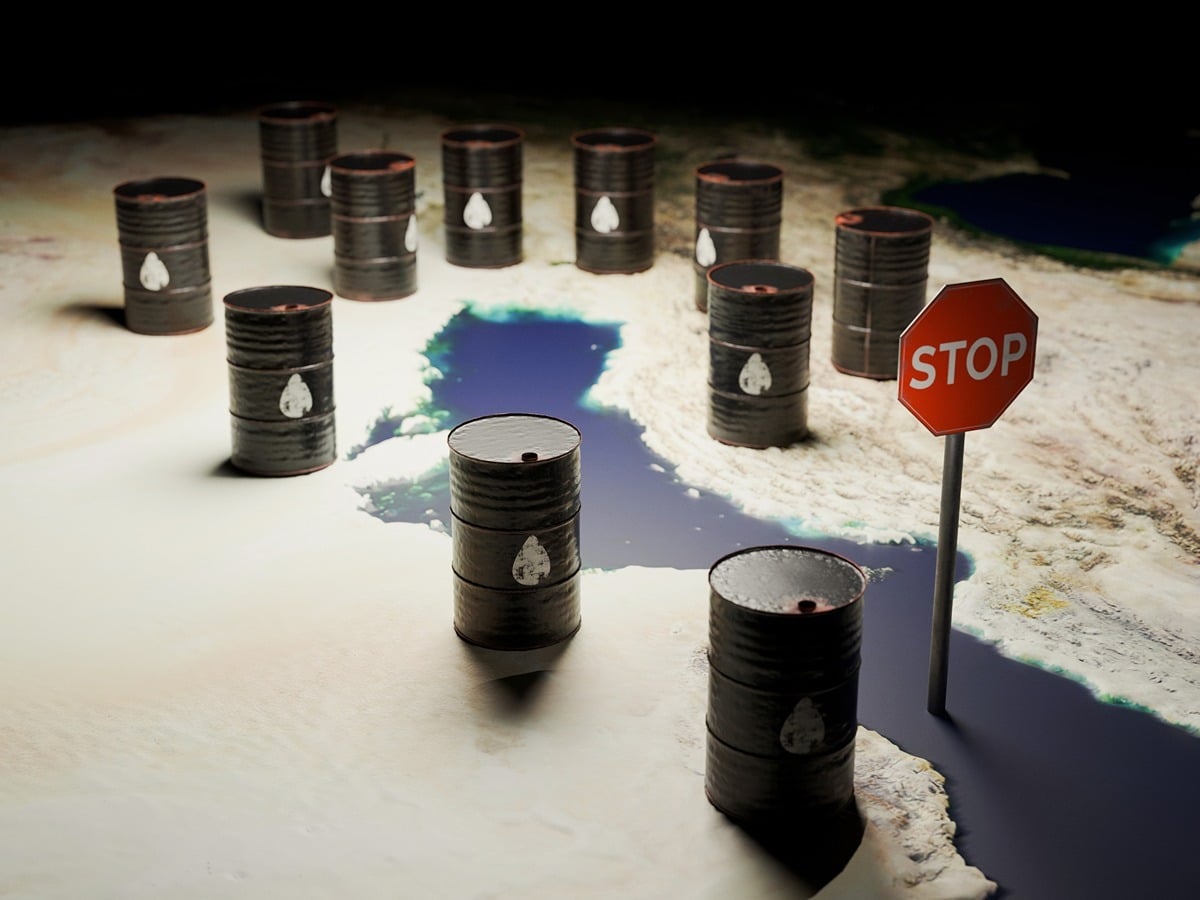
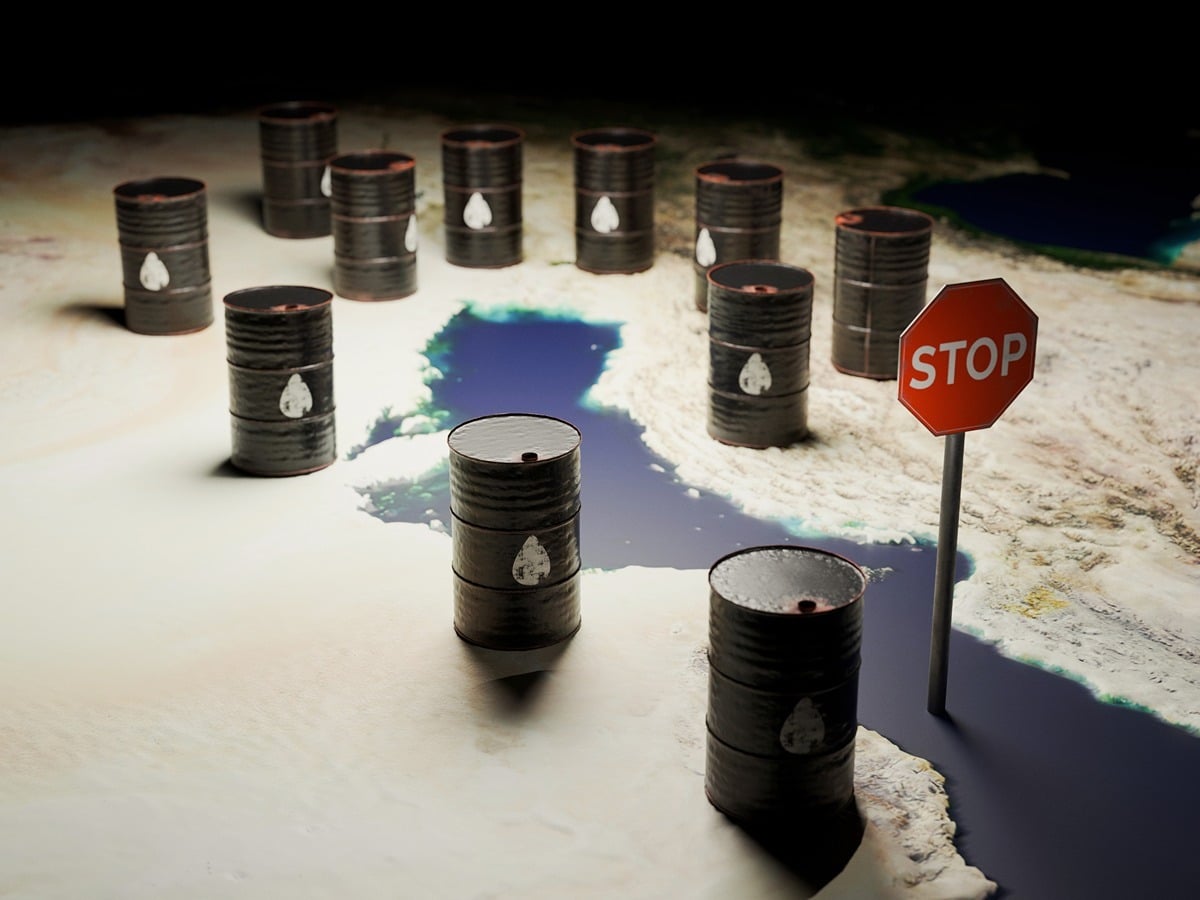
The Iran conflict has disrupted shipping through the Strait of Hormuz, sending conventional fuel prices soaring and destabilising the global shipping industry. Against this backdrop, the decision-making logic of shipowners regarding fuel is undergoing a fundamental shift: previously, fuel choices were driven primarily by price and regulatory compliance; now, with supply stability itself becoming uncertain, energy security has overtaken cost-efficiency as the foremost consideration.
For Hong Kong, developing green fuel bunkering and related commodity trading is not merely a response to environmental trends, but a strategic opportunity to reshape shipping competitiveness. Hong Kong is adjacent to green fuel production bases in southern China — covering green methanol, biodiesel, liquefied natural gas (LNG), and hydrogen — giving it a unique geographical advantage, while simultaneously possessing the mature institutional foundations of an international financial centre. These two strengths are mutually reinforcing, enabling Hong Kong to evolve from a traditional shipping centre into a regional green fuel bunkering and trading hub.
Scaling Up Green Bunkering; Supply Chain Resilience Becomes Key
To understand Hong Kong's potential advantage, it is useful to compare it with Singapore — currently the world's largest marine fuel bunkering centre. Last year, Singapore granted methanol bunkering licences to three companies, positioning itself early for green fuel bunkering services. However, Singapore has no local production base. The "Tianjin–Singapore" green shipping corridor is one of its key supply channels: green methanol produced by Towngas in Inner Mongolia is loaded at Vopak's Tianjin Lingang terminal, then shipped to Vopak Penjuru terminal in Singapore. The entire voyage covers 3,000 nautical miles and takes 9 to 12 days, resulting in relatively high supply chain costs.
By contrast, Hong Kong's core advantage in green methanol bunkering lies in its proximity to production bases in southern China, led by Zhanjiang. Zhanjiang boasts a complete and efficient green methanol industrial ecosystem: from factory production lines to tank storage and wharf loading, the entire "produce–store–transport" process can be completed within one hour. Moreover, Zhanjiang is only approximately 400 nautical miles from Hong Kong, enabling "same-day arrival." These conditions significantly enhance the efficiency of Hong Kong's entire green methanol chain — from production, storage, and transport to bunkering and end-use — representing a geographical advantage exclusive to Hong Kong.
Building on Zhanjiang's successful experience, Hong Kong can further expand cooperation with Hainan and Guangxi. Danzhou in Hainan, leveraging the free trade port's zero-tariff policy, is deploying a green methanol production base with an annual capacity of 200,000 tonnes; Yangpu Port is only about 400 nautical miles from Hong Kong, making direct supply feasible. In Guangxi, a biodiesel base in Qinzhou with an annual capacity of 300,000 tonnes is set to commence production within the year. These capacities will enrich Hong Kong's upstream fuel supply, supporting the expansion of the city's green fuel bunkering scale.
Bunkering Catalyses Fuel Trading; Hong Kong Can Compete for Pricing Benchmark
A bunkering centre will also drive the development of fuel trading, with its core components — pricing, settlement, and risk management — being precisely where Hong Kong's strengths as an international financial centre lie. In the traditional fuel space, pricing centres have long been dominated by London and Singapore, leaving little room for new entrants. However, as an emerging market, green fuel pricing mechanisms have yet to be standardised; all parties are still exploring and negotiating. Although the international price reporting agency Platts has launched low-carbon methanol price assessments for Shanghai and Rotterdam, no unified international standard has yet emerged. This means that as long as a sufficient number of traders converge to create market liquidity, there is an opportunity to lead future pricing benchmarks.
To achieve this goal, the prerequisite is lowering the barriers to entry for traders. The Hong Kong Government's plan to offer a half-rate tax concession to commodity traders is a key measure, expected to generate approximately HK$4.6 billion in annual economic benefits. But attracting traders is only the first step. In regional competition, Hong Kong must answer a more fundamental question: why would shipowners and traders choose Hong Kong over Shanghai or Singapore? Shanghai's challenge lies in capital account controls, and the enforcement of international contracts is less flexible than in Hong Kong. Singapore, while institutionally mature, lacks the geographical advantage of proximity to production capacity. Hong Kong combines the merits of both, positioning itself as a green fuel trading hub connecting Mainland production capacity with international markets.
Specifically, Hong Kong should establish a green fuel trading platform in phases, converting Mainland production capacity into international trade flows. In the short term, leveraging the existing infrastructure of the Hong Kong Stock Exchange, spot trading in green methanol, LNG, and other products can be launched with RMB settlement, attracting Mainland producers and international buyers to trade in Hong Kong, gradually forming a "Mainland production, Hong Kong pricing" model. Once spot trading reaches a certain scale, futures contracts can be introduced following the London Metal Exchange model, linked with HKEX's international carbon market platform Core Climate, to explore the feasibility of bundled "fuel + carbon credit" products.
The development of green fuel bunkering and trading also requires the coordination of hard and soft infrastructure. On the one hand, while advancing the development of the Tsing Yi South site for green marine fuel storage, the Government can study the feasibility of repurposing nearby petrochemical depots and port warehousing in line with future fuel demand changes. On the other hand, authorities should build upon the refinement of green fuel regulations and safety operation guidelines by further strengthening alignment with Mainland standards and international certification systems.
Frequent conflict in the Middle East has exposed the fragility of long-distance fuel supply chains. For Hong Kong, this is both a warning and an opportunity. By seizing this strategic window and strengthening regional cooperation, Hong Kong has the conditions to develop into a regional green fuel pricing and trading hub, and to further enhance the Greater Bay Area's entire green commodity trading ecosystem.


The source text is in Chinese. This English version is for reference only. In case of any discrepancy between this English version and the Chinese version, the Chinese version shall prevail.
The Iran conflict has disrupted shipping through the Strait of Hormuz, sending conventional fuel prices soaring and destabilising the global shipping industry. Against this backdrop, the decision-making logic of shipowners regarding fuel is undergoing a fundamental shift: previously, fuel choices were driven primarily by price and regulatory compliance; now, with supply stability itself becoming uncertain, energy security has overtaken cost-efficiency as the foremost consideration.
For Hong Kong, developing green fuel bunkering and related commodity trading is not merely a response to environmental trends, but a strategic opportunity to reshape shipping competitiveness. Hong Kong is adjacent to green fuel production bases in southern China — covering green methanol, biodiesel, liquefied natural gas (LNG), and hydrogen — giving it a unique geographical advantage, while simultaneously possessing the mature institutional foundations of an international financial centre. These two strengths are mutually reinforcing, enabling Hong Kong to evolve from a traditional shipping centre into a regional green fuel bunkering and trading hub.
Scaling Up Green Bunkering; Supply Chain Resilience Becomes Key
To understand Hong Kong's potential advantage, it is useful to compare it with Singapore — currently the world's largest marine fuel bunkering centre. Last year, Singapore granted methanol bunkering licences to three companies, positioning itself early for green fuel bunkering services. However, Singapore has no local production base. The "Tianjin–Singapore" green shipping corridor is one of its key supply channels: green methanol produced by Towngas in Inner Mongolia is loaded at Vopak's Tianjin Lingang terminal, then shipped to Vopak Penjuru terminal in Singapore. The entire voyage covers 3,000 nautical miles and takes 9 to 12 days, resulting in relatively high supply chain costs.
By contrast, Hong Kong's core advantage in green methanol bunkering lies in its proximity to production bases in southern China, led by Zhanjiang. Zhanjiang boasts a complete and efficient green methanol industrial ecosystem: from factory production lines to tank storage and wharf loading, the entire "produce–store–transport" process can be completed within one hour. Moreover, Zhanjiang is only approximately 400 nautical miles from Hong Kong, enabling "same-day arrival." These conditions significantly enhance the efficiency of Hong Kong's entire green methanol chain — from production, storage, and transport to bunkering and end-use — representing a geographical advantage exclusive to Hong Kong.
Building on Zhanjiang's successful experience, Hong Kong can further expand cooperation with Hainan and Guangxi. Danzhou in Hainan, leveraging the free trade port's zero-tariff policy, is deploying a green methanol production base with an annual capacity of 200,000 tonnes; Yangpu Port is only about 400 nautical miles from Hong Kong, making direct supply feasible. In Guangxi, a biodiesel base in Qinzhou with an annual capacity of 300,000 tonnes is set to commence production within the year. These capacities will enrich Hong Kong's upstream fuel supply, supporting the expansion of the city's green fuel bunkering scale.
Bunkering Catalyses Fuel Trading; Hong Kong Can Compete for Pricing Benchmark
A bunkering centre will also drive the development of fuel trading, with its core components — pricing, settlement, and risk management — being precisely where Hong Kong's strengths as an international financial centre lie. In the traditional fuel space, pricing centres have long been dominated by London and Singapore, leaving little room for new entrants. However, as an emerging market, green fuel pricing mechanisms have yet to be standardised; all parties are still exploring and negotiating. Although the international price reporting agency Platts has launched low-carbon methanol price assessments for Shanghai and Rotterdam, no unified international standard has yet emerged. This means that as long as a sufficient number of traders converge to create market liquidity, there is an opportunity to lead future pricing benchmarks.
To achieve this goal, the prerequisite is lowering the barriers to entry for traders. The Hong Kong Government's plan to offer a half-rate tax concession to commodity traders is a key measure, expected to generate approximately HK$4.6 billion in annual economic benefits. But attracting traders is only the first step. In regional competition, Hong Kong must answer a more fundamental question: why would shipowners and traders choose Hong Kong over Shanghai or Singapore? Shanghai's challenge lies in capital account controls, and the enforcement of international contracts is less flexible than in Hong Kong. Singapore, while institutionally mature, lacks the geographical advantage of proximity to production capacity. Hong Kong combines the merits of both, positioning itself as a green fuel trading hub connecting Mainland production capacity with international markets.
Specifically, Hong Kong should establish a green fuel trading platform in phases, converting Mainland production capacity into international trade flows. In the short term, leveraging the existing infrastructure of the Hong Kong Stock Exchange, spot trading in green methanol, LNG, and other products can be launched with RMB settlement, attracting Mainland producers and international buyers to trade in Hong Kong, gradually forming a "Mainland production, Hong Kong pricing" model. Once spot trading reaches a certain scale, futures contracts can be introduced following the London Metal Exchange model, linked with HKEX's international carbon market platform Core Climate, to explore the feasibility of bundled "fuel + carbon credit" products.
The development of green fuel bunkering and trading also requires the coordination of hard and soft infrastructure. On the one hand, while advancing the development of the Tsing Yi South site for green marine fuel storage, the Government can study the feasibility of repurposing nearby petrochemical depots and port warehousing in line with future fuel demand changes. On the other hand, authorities should build upon the refinement of green fuel regulations and safety operation guidelines by further strengthening alignment with Mainland standards and international certification systems.
Frequent conflict in the Middle East has exposed the fragility of long-distance fuel supply chains. For Hong Kong, this is both a warning and an opportunity. By seizing this strategic window and strengthening regional cooperation, Hong Kong has the conditions to develop into a regional green fuel pricing and trading hub, and to further enhance the Greater Bay Area's entire green commodity trading ecosystem.