





Drawing on National Games: Promoting 3 Regions in Co-Organising Mega Events




Drawing on National Games: Promoting 3 Regions in Co-Organising Mega Events

The source text is in Chinese. This English version is for reference only. In case of any discrepancy between this English version and the Chinese version, the Chinese version shall prevail.
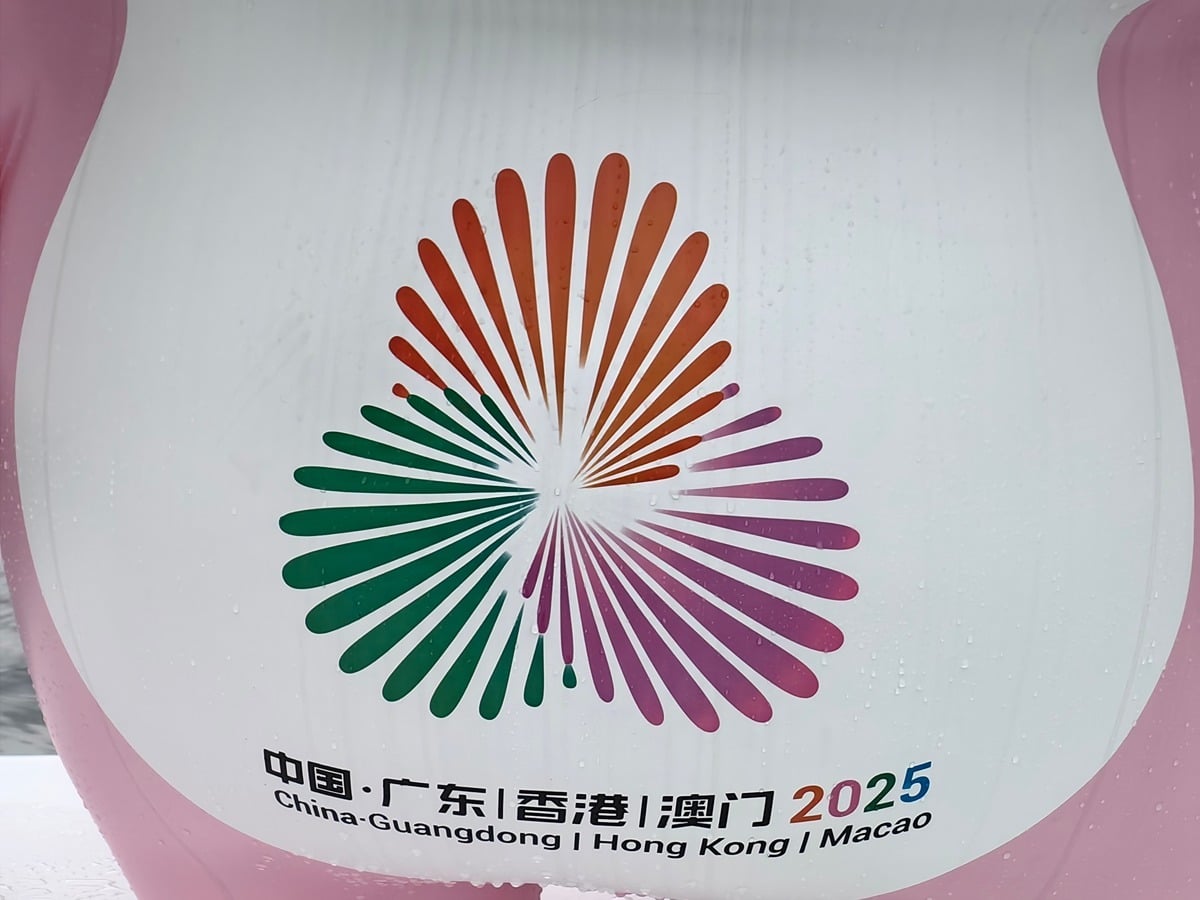
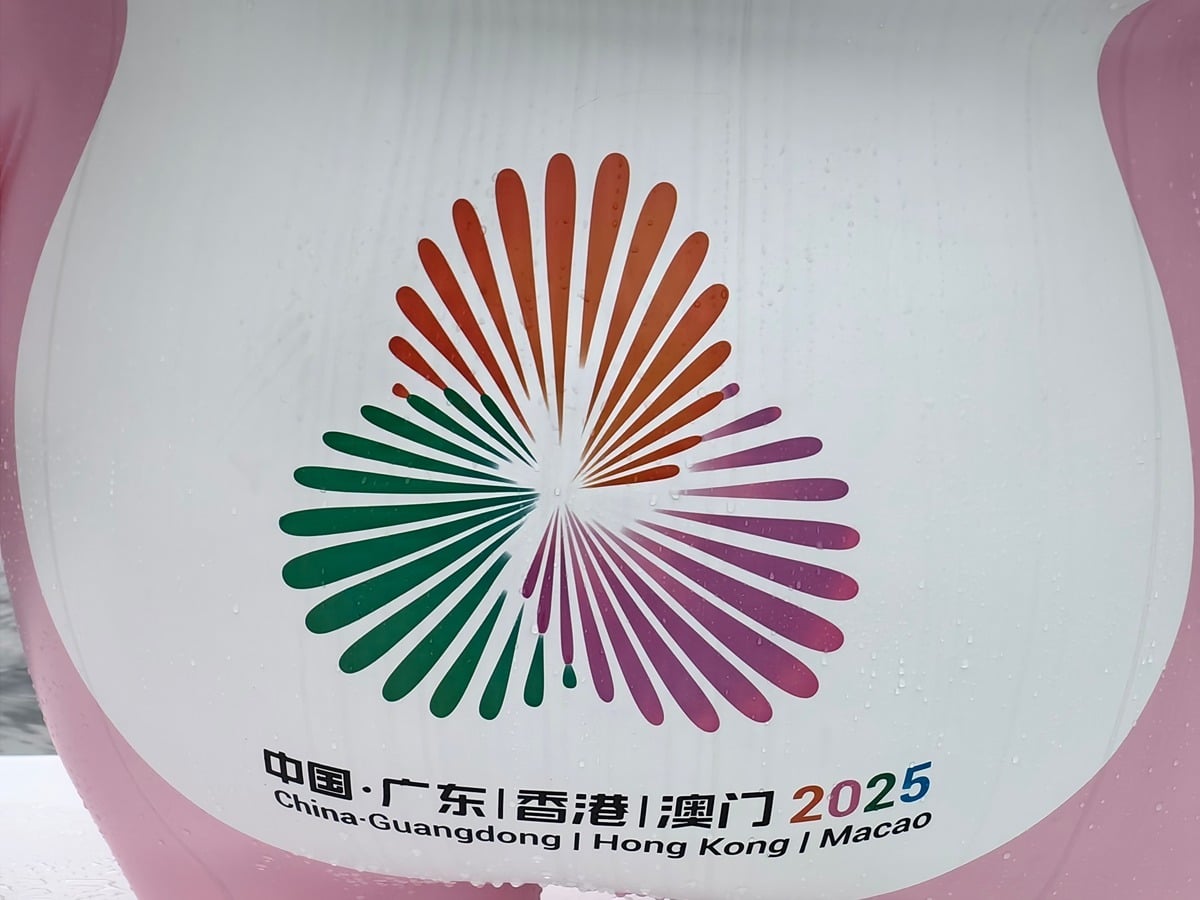
Among the most anticipated events in the Guangdong-Hong Kong-Macao Greater Bay Area (GBA) in recent years, the 15th National Games stands out as a particularly significant occasion. Co-hosted by Guangdong, Hong Kong, and Macao, this edition not only represents a major sporting milestone “at our doorstep” but also vividly demonstrates the tremendous potential unleashed through deep regional integration among these 3 regions.
In recent years, the GBA’s cultural, sports and tourism industries have experienced robust growth. According to the “Greater Bay Area Industry Development Index 2025” released earlier by Our Hong Kong Fouondation, despite challenges in the macroeconomic environment, these sectors have maintained medium to high-speed growth this year. The National Games are expected to strengthen cross-regional synergy within these industries further, becoming a key engine for attracting visitors and stimulating consumption.
Leveraging the Joint Hosting Model to Enhance Resource Efficiency
During preparation for the Games, Guangdong Province developed a “sports + culture and tourism + commercial + technology” four-dimensional model, aiming to convert event related traffic into an estimated RMB 5 billion in incremental economic value. Although Hong Kong has not yet forecast the economic benefits of the event, the Travel Industry Council of Hong Kong expects the Games to draw more than 100,000 additional visitors to the city, generating significant revenue growth for the tourism and service sectors. This shared outlook between Guangdong and Hong Kong reflects a mutual recognition that this edition of the National Games will serve as a testing ground for co-hosting even larger events across the GBA in the future.
Hong Kong, having extensive experience in hosting single sport events such as the annual Hong Kong Sevens, faces certain infrastructure limitations — some venues have restricted capacity or fall short of international standards. As a result, the city currently lacks the facilities required for large-scale multi-sport competitions. Leveraging the GBA’s joint hosting model will thus be Hong Kong’s most effective approach to achieving optimal resource utilisation.
This year’s National Games also provide a valuable opportunity to test the GBA collaboration mechanism. The road cycling races will be held on the Hong Kong–Zhuhai–Macao Bridge, the only event crossing all 3 jurisdictions. This fully embodies the organising committee’s exploration of the “Three Regions, One Vision” co hosting model — one that champions communication in sync, unified decision making, and coordinated execution.
For Hong Kong, the Government has already allocated resources to establish a dedicated National Games Coordination Office. Building on the experience gained from hosting the event, Hong Kong could consider streamlining and institutionalising this body into a standing office after the Games. Such a move would help sustain ongoing communication and coordination within the GBA and facilitate sharing of regional sports facilities for future large-scale multi-sport events.
Establishing a “Mega Events Office” to Create Favourable Conditions for Hosting Mega Events
Hong Kong’s first ever participation as a co host of a national level sports event should inspire the community to look ahead — to strengthen the city’s strategic coordination and decision making capacity for hosting more diverse, large scale events. At present, the Mega Event Coordination Group is not a standing body, and responsibilities related to event organisation are scattered across multiple departments, making sustained medium and long term planning as well as high level coordination difficult. It is therefore proposed that the Government upgrade this group into a permanent cross bureau Mega Events Office (MEO). Such an office would enhance interdepartmental collaboration, allocate resources more efficiently, and create favourable conditions to attract and successfully host more major events in Hong Kong.
In addition to strengthening organisational coordination, funding mechanisms for major events should also be enhanced to diversify the types of sports hosted in Hong Kong. The Foundation recommends that the Government establish a “Young” brand dedicated to supporting innovative and high potential events — such as Masters and Youth Championships — with the long term goal of transforming popularity into prosperity. Masters events target experienced athletes, many of whom are middle aged or older participants with higher spending power, willing to invest more in event related experiences, thereby generating significant economic returns. Meanwhile, youth tournaments typically involve young athletes accompanied by family or friends who usually stay until the end of the competition, boosting consumption and benefiting multiple industries.
Masters and Youth Tournaments as Drivers of Diverse Economic Growth
There are currently not many Masters tournaments or youth competitions held in Hong Kong — accounting for only 2% and 19% of international events respectively over the past 2 years — indicating substantial room for expansion. To unlock the unique business potential of such events, the proposed Mega Events Office could act as a coordinator, connecting the cultural, sports, tourism, retail, and catering sectors. By designing richer, integrated “Event+” travel packages for high spending participants, families and spectators — covering accommodation, transportation and entertainment — Hong Kong can provide more diversified local experiences and stimulate broader consumption.
The valuable experience gained from Guangdong, Hong Kong, and Macao’s joint hosting of the National Games will strengthen regional synergy, accelerate the integration of culture, sports, and tourism, and transform this “testing ground” for regional collaboration into a lasting “treasure trove” of economic and social vitality.


The source text is in Chinese. This English version is for reference only. In case of any discrepancy between this English version and the Chinese version, the Chinese version shall prevail.
Among the most anticipated events in the Guangdong-Hong Kong-Macao Greater Bay Area (GBA) in recent years, the 15th National Games stands out as a particularly significant occasion. Co-hosted by Guangdong, Hong Kong, and Macao, this edition not only represents a major sporting milestone “at our doorstep” but also vividly demonstrates the tremendous potential unleashed through deep regional integration among these 3 regions.
In recent years, the GBA’s cultural, sports and tourism industries have experienced robust growth. According to the “Greater Bay Area Industry Development Index 2025” released earlier by Our Hong Kong Fouondation, despite challenges in the macroeconomic environment, these sectors have maintained medium to high-speed growth this year. The National Games are expected to strengthen cross-regional synergy within these industries further, becoming a key engine for attracting visitors and stimulating consumption.
Leveraging the Joint Hosting Model to Enhance Resource Efficiency
During preparation for the Games, Guangdong Province developed a “sports + culture and tourism + commercial + technology” four-dimensional model, aiming to convert event related traffic into an estimated RMB 5 billion in incremental economic value. Although Hong Kong has not yet forecast the economic benefits of the event, the Travel Industry Council of Hong Kong expects the Games to draw more than 100,000 additional visitors to the city, generating significant revenue growth for the tourism and service sectors. This shared outlook between Guangdong and Hong Kong reflects a mutual recognition that this edition of the National Games will serve as a testing ground for co-hosting even larger events across the GBA in the future.
Hong Kong, having extensive experience in hosting single sport events such as the annual Hong Kong Sevens, faces certain infrastructure limitations — some venues have restricted capacity or fall short of international standards. As a result, the city currently lacks the facilities required for large-scale multi-sport competitions. Leveraging the GBA’s joint hosting model will thus be Hong Kong’s most effective approach to achieving optimal resource utilisation.
This year’s National Games also provide a valuable opportunity to test the GBA collaboration mechanism. The road cycling races will be held on the Hong Kong–Zhuhai–Macao Bridge, the only event crossing all 3 jurisdictions. This fully embodies the organising committee’s exploration of the “Three Regions, One Vision” co hosting model — one that champions communication in sync, unified decision making, and coordinated execution.
For Hong Kong, the Government has already allocated resources to establish a dedicated National Games Coordination Office. Building on the experience gained from hosting the event, Hong Kong could consider streamlining and institutionalising this body into a standing office after the Games. Such a move would help sustain ongoing communication and coordination within the GBA and facilitate sharing of regional sports facilities for future large-scale multi-sport events.
Establishing a “Mega Events Office” to Create Favourable Conditions for Hosting Mega Events
Hong Kong’s first ever participation as a co host of a national level sports event should inspire the community to look ahead — to strengthen the city’s strategic coordination and decision making capacity for hosting more diverse, large scale events. At present, the Mega Event Coordination Group is not a standing body, and responsibilities related to event organisation are scattered across multiple departments, making sustained medium and long term planning as well as high level coordination difficult. It is therefore proposed that the Government upgrade this group into a permanent cross bureau Mega Events Office (MEO). Such an office would enhance interdepartmental collaboration, allocate resources more efficiently, and create favourable conditions to attract and successfully host more major events in Hong Kong.
In addition to strengthening organisational coordination, funding mechanisms for major events should also be enhanced to diversify the types of sports hosted in Hong Kong. The Foundation recommends that the Government establish a “Young” brand dedicated to supporting innovative and high potential events — such as Masters and Youth Championships — with the long term goal of transforming popularity into prosperity. Masters events target experienced athletes, many of whom are middle aged or older participants with higher spending power, willing to invest more in event related experiences, thereby generating significant economic returns. Meanwhile, youth tournaments typically involve young athletes accompanied by family or friends who usually stay until the end of the competition, boosting consumption and benefiting multiple industries.
Masters and Youth Tournaments as Drivers of Diverse Economic Growth
There are currently not many Masters tournaments or youth competitions held in Hong Kong — accounting for only 2% and 19% of international events respectively over the past 2 years — indicating substantial room for expansion. To unlock the unique business potential of such events, the proposed Mega Events Office could act as a coordinator, connecting the cultural, sports, tourism, retail, and catering sectors. By designing richer, integrated “Event+” travel packages for high spending participants, families and spectators — covering accommodation, transportation and entertainment — Hong Kong can provide more diversified local experiences and stimulate broader consumption.
The valuable experience gained from Guangdong, Hong Kong, and Macao’s joint hosting of the National Games will strengthen regional synergy, accelerate the integration of culture, sports, and tourism, and transform this “testing ground” for regional collaboration into a lasting “treasure trove” of economic and social vitality.