






“Technology and Innovation Report 2025: Inclusive Artificial Intelligence for Development” Press Conference and Panel Session





“Technology and Innovation Report 2025: Inclusive Artificial Intelligence for Development” Press Conference and Panel Session

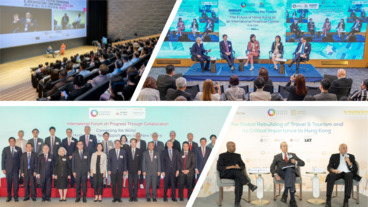
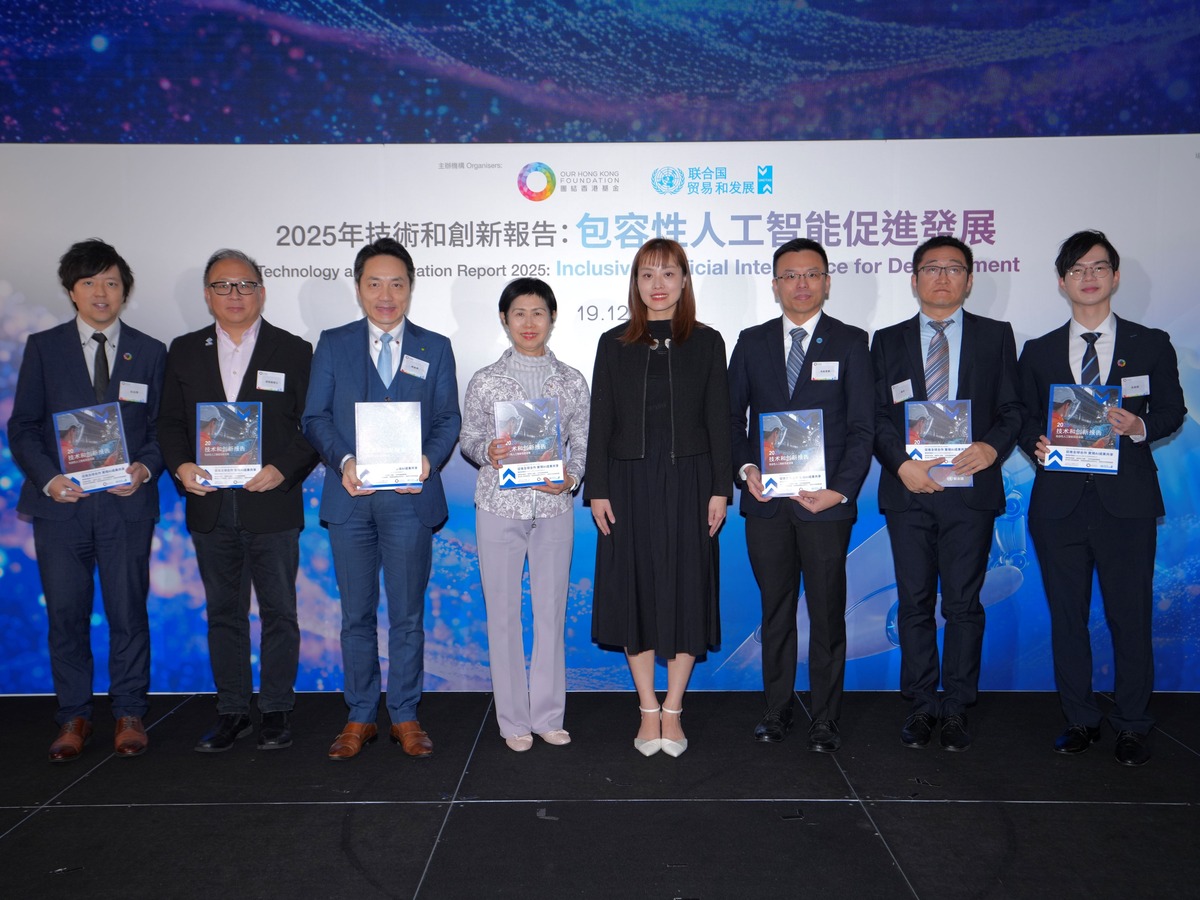
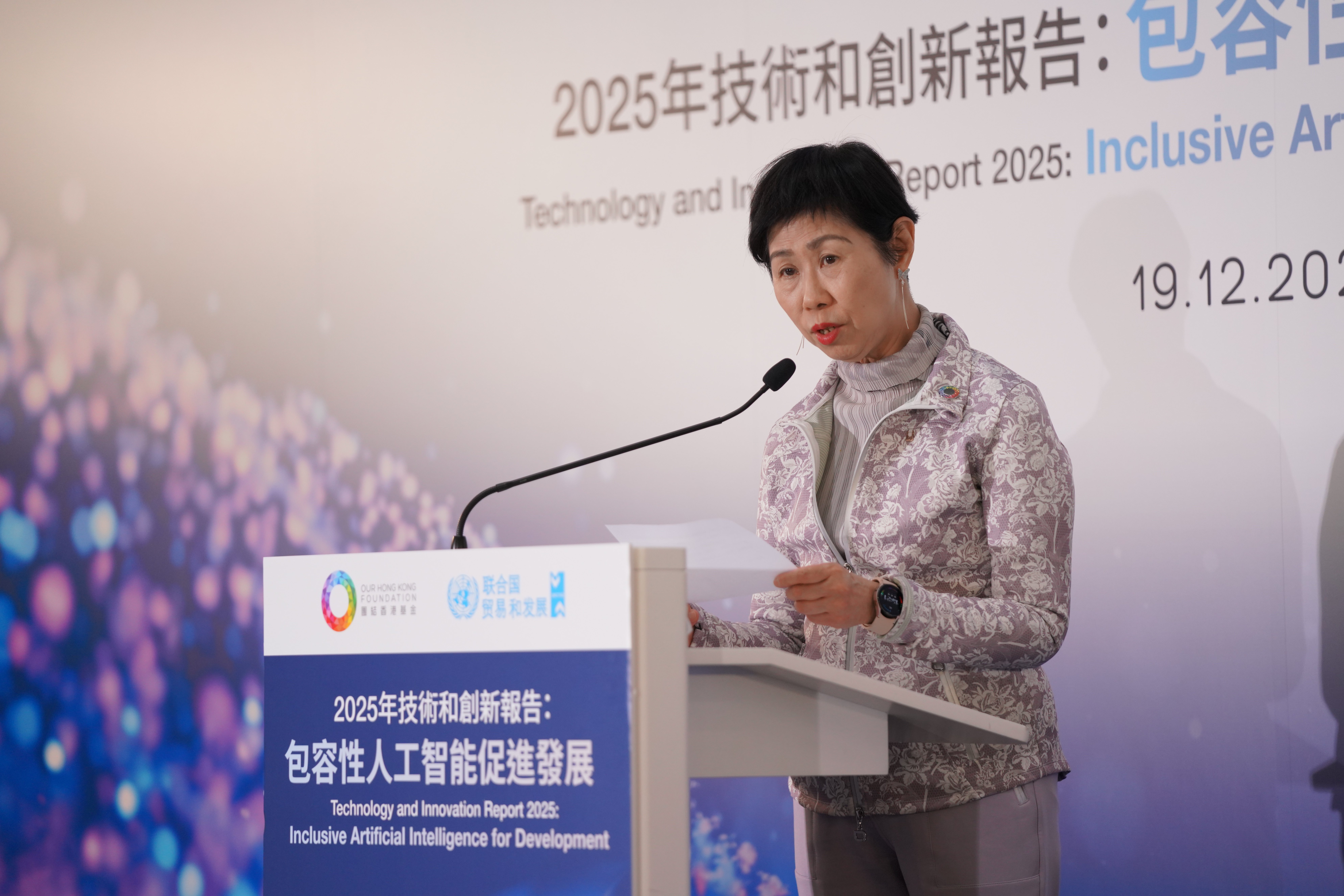
UN Trade and Development (UNCTAD) published its 2025 Technology and Innovation Report: Inclusive Artificial Intelligence for Development (the report) this year. Our Hong Kong Foundation was honoured to have participated in the writing of the report, analysing AI’s potential impacts on productivity, employment, and labour markets. The report also conducts a multidimensional analysis of regional preparedness for AI adoption and development, explains how science, technology, and innovation (STI) policies can help economies at different stages of development capture AI growth dividends, and concludes with a call for global cooperation to establish an international AI governance framework for shared prosperity. The press conference and panel session were held on 19 Dec.
The report showed that the sectors most vulnerable to AI disruption are those heavily reliant on writing, analysis, and knowledge processing, such as finance, advertising, consulting services, and information technology. These roles constitute a higher proportion of employment in developed economies. Consequently, their labour markets face stronger pressure for technological substitution and transformation, while also being better positioned to leverage AI for efficiency gains, new business development, and higher value creation.
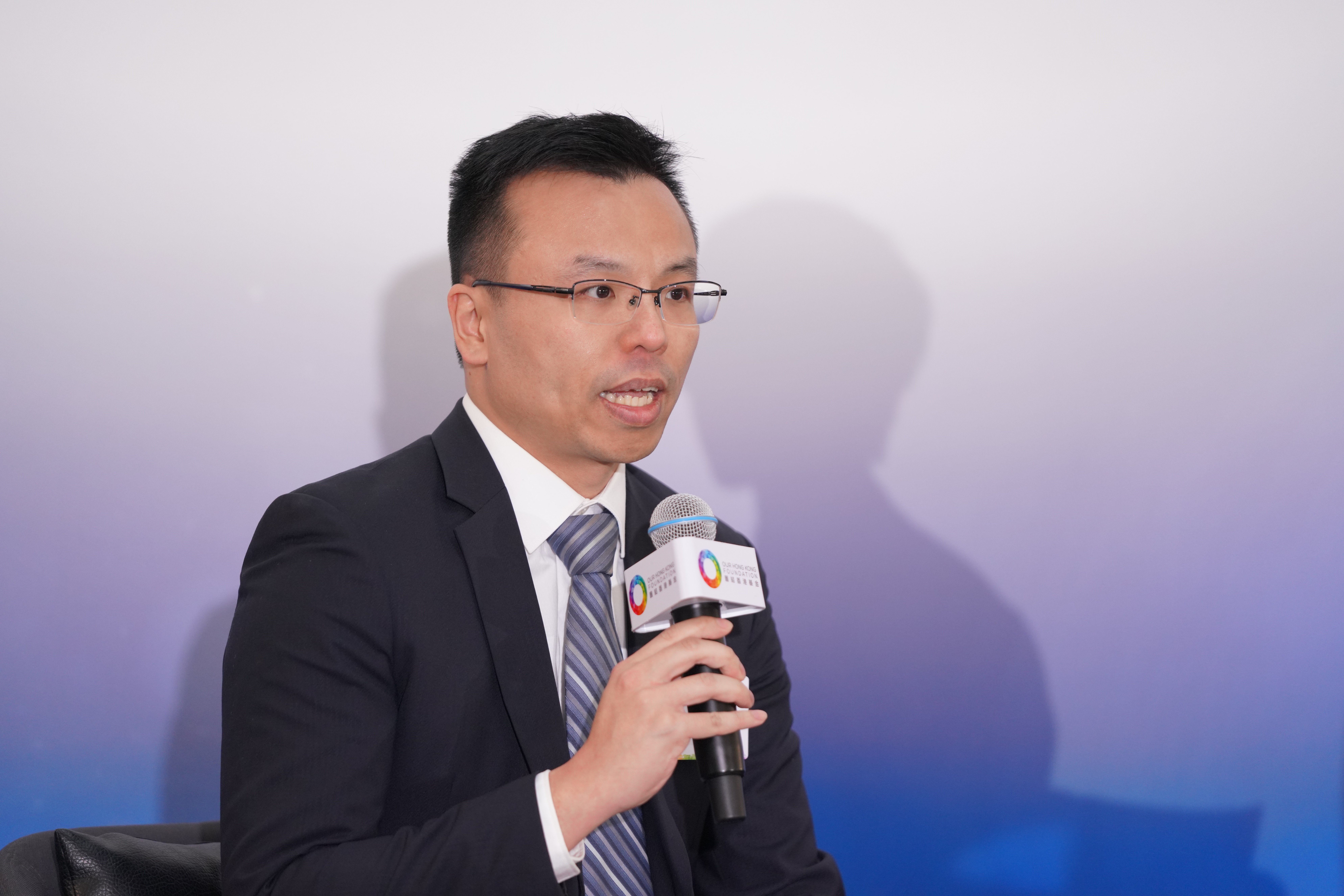
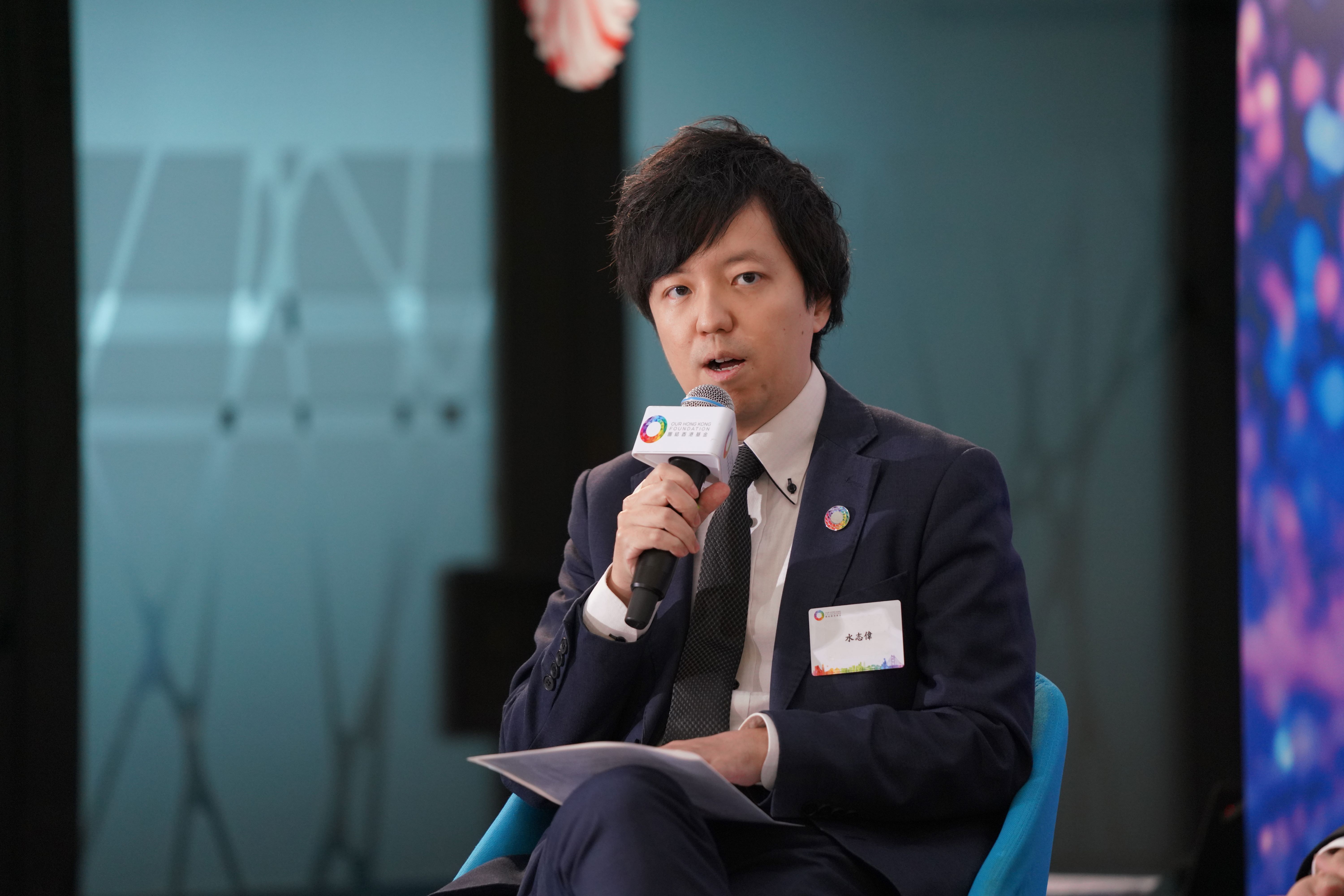
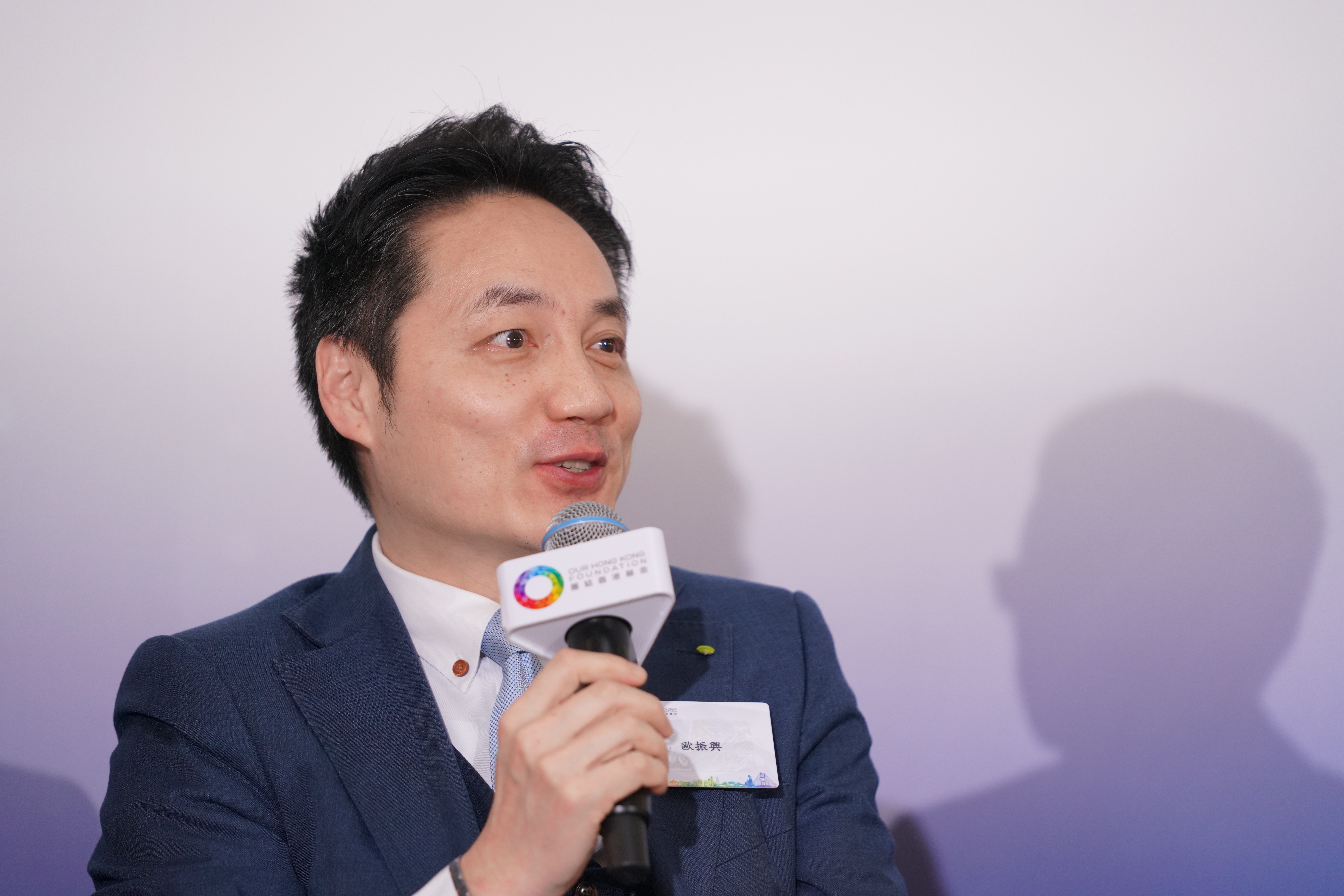
The press conference featured a panel discussion with distinguished industry leaders, focusing on "Workplace Transformation in the Era of AI."


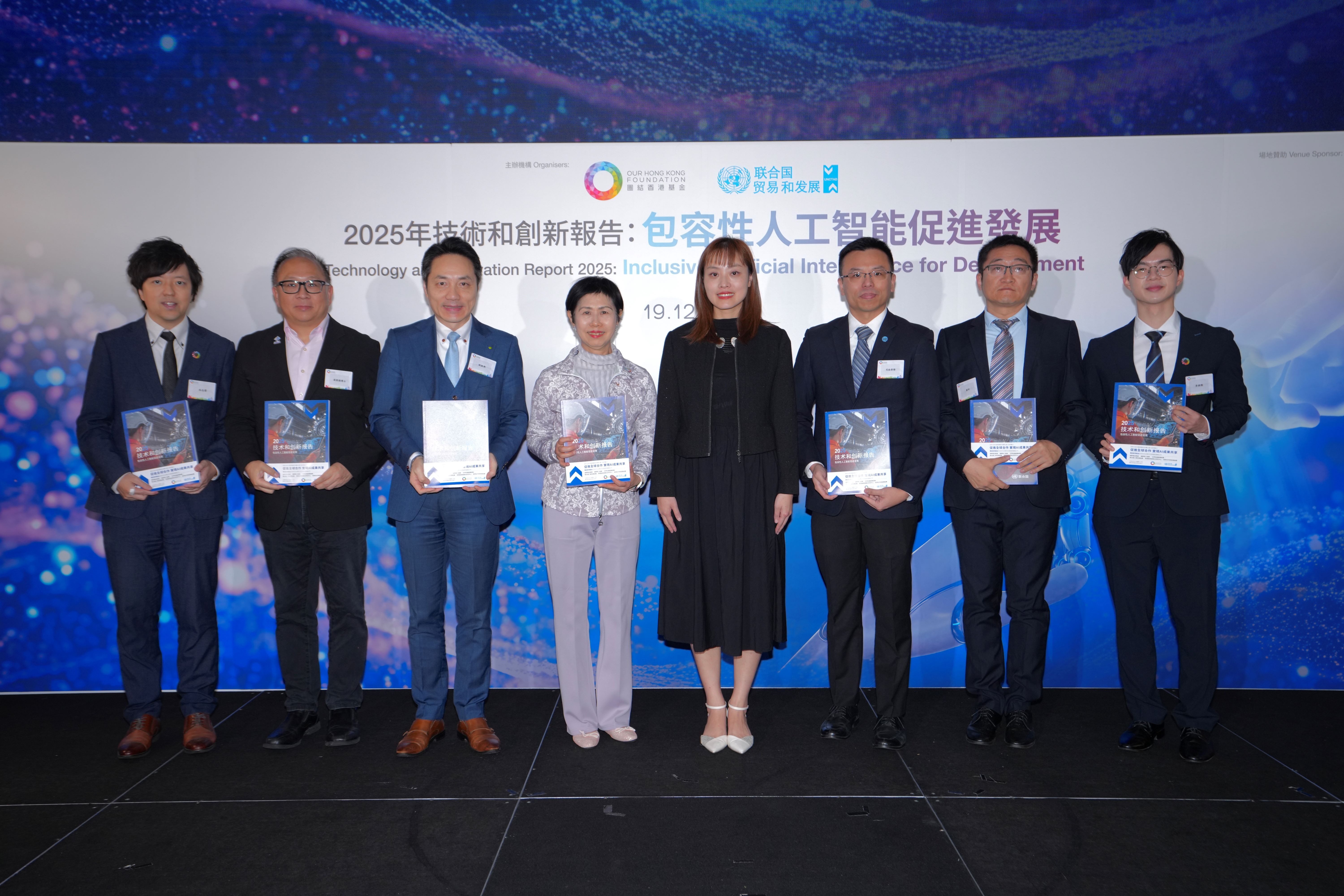
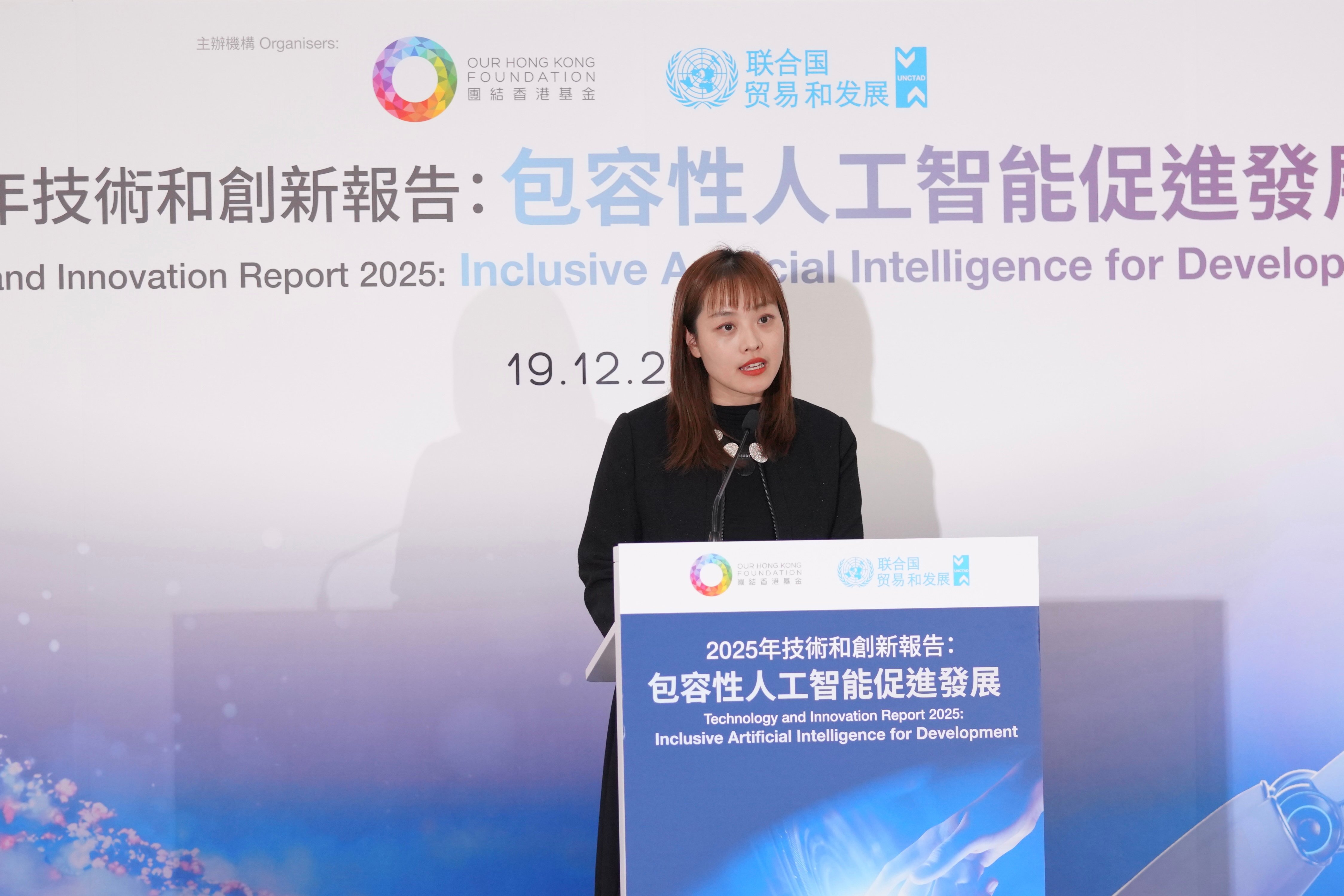

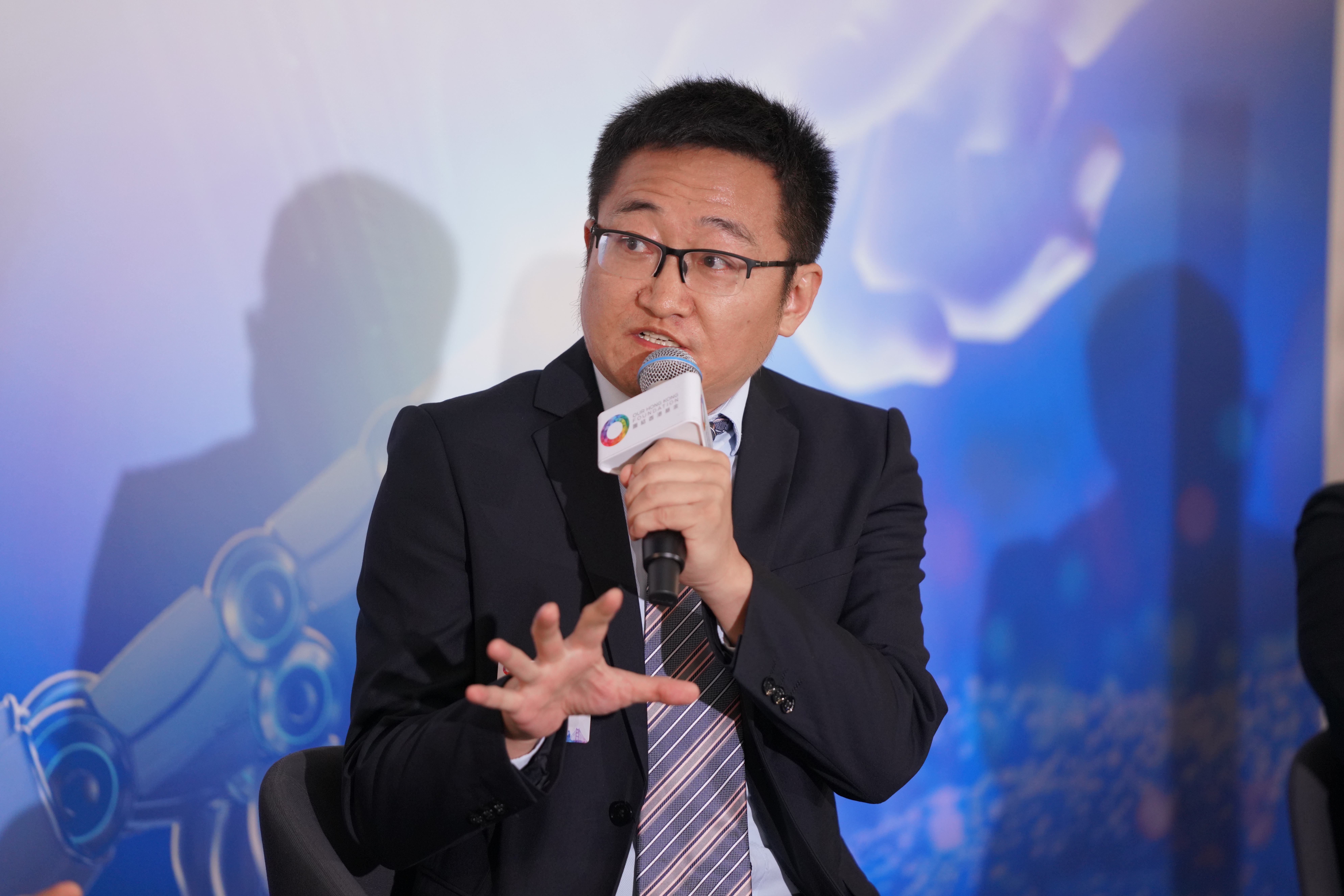
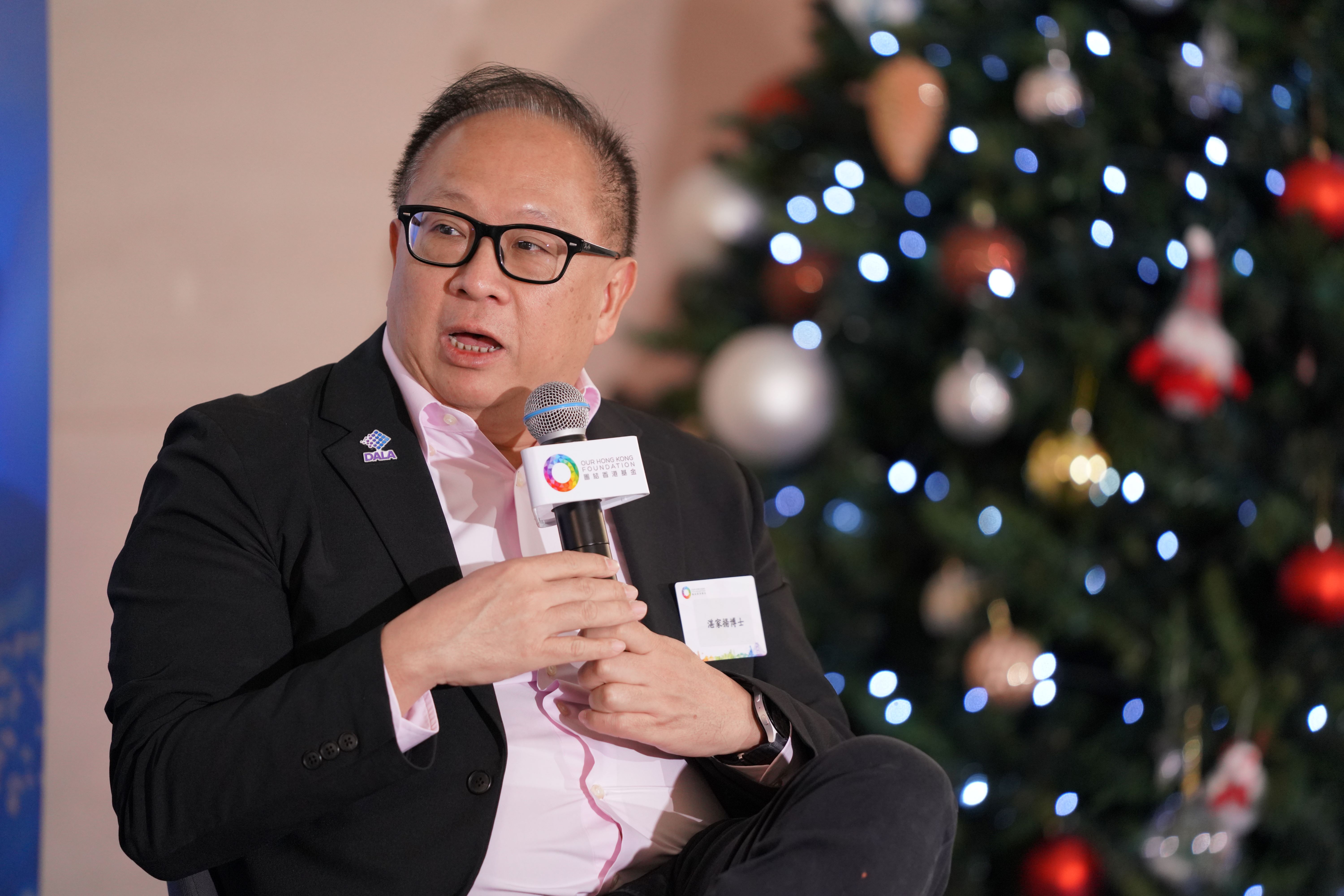


Frontier technologies, particularly artificial intelligence (AI), are rapidly reshaping the functioning of economies and societies. The widespread application of AI is expected to accelerate the achievement of the United Nations’ Sustainable Development Goals (SDGs), including the goals on decent work and economic growth, as well as industry, innovation and infrastructure. However, if development levels vary significantly across regions, or if there is a lack of sound ethical oversight and transparency, the advancement of AI may exacerbate the existing global digital divide.
Our Hong Kong Foundation is honoured to have participated in the writing of the “Technology and Innovation Report 2025: Inclusive Artificial Intelligence for Development,” published by the United Nations Trade and Development (UNCTAD). We also funded and were responsible for translating the report into Chinese. The report surveys the complex global landscape of AI development and identifies three key leverage points: infrastructure, data, and skills, aiming to guide policymakers in designing inclusive and equitable science, technology, and innovation policies while advancing global collaboration to jointly develop a human-centric AI governance framework.
The report will delve into the following key questions:
What is the AI divide, and what factors contribute to its formation in the global AI development landscape?
How does AI impact the workers and productivity, and which industries are more impacted?
How can we scientifically assess the AI preparedness of different economies to determine the best development path?
What factors should be considered when formulating AI policies to maximise the opportunities presented by AI?
How does global collaboration promote more inclusive and equitable AI development? What role can Hong Kong play?





UN Trade and Development (UNCTAD) published its 2025 Technology and Innovation Report: Inclusive Artificial Intelligence for Development (the report) this year. Our Hong Kong Foundation was honoured to have participated in the writing of the report, analysing AI’s potential impacts on productivity, employment, and labour markets. The report also conducts a multidimensional analysis of regional preparedness for AI adoption and development, explains how science, technology, and innovation (STI) policies can help economies at different stages of development capture AI growth dividends, and concludes with a call for global cooperation to establish an international AI governance framework for shared prosperity. The press conference and panel session were held on 19 Dec.
The report showed that the sectors most vulnerable to AI disruption are those heavily reliant on writing, analysis, and knowledge processing, such as finance, advertising, consulting services, and information technology. These roles constitute a higher proportion of employment in developed economies. Consequently, their labour markets face stronger pressure for technological substitution and transformation, while also being better positioned to leverage AI for efficiency gains, new business development, and higher value creation.
The press conference featured a panel discussion with distinguished industry leaders, focusing on "Workplace Transformation in the Era of AI."
Frontier technologies, particularly artificial intelligence (AI), are rapidly reshaping the functioning of economies and societies. The widespread application of AI is expected to accelerate the achievement of the United Nations’ Sustainable Development Goals (SDGs), including the goals on decent work and economic growth, as well as industry, innovation and infrastructure. However, if development levels vary significantly across regions, or if there is a lack of sound ethical oversight and transparency, the advancement of AI may exacerbate the existing global digital divide.
Our Hong Kong Foundation is honoured to have participated in the writing of the “Technology and Innovation Report 2025: Inclusive Artificial Intelligence for Development,” published by the United Nations Trade and Development (UNCTAD). We also funded and were responsible for translating the report into Chinese. The report surveys the complex global landscape of AI development and identifies three key leverage points: infrastructure, data, and skills, aiming to guide policymakers in designing inclusive and equitable science, technology, and innovation policies while advancing global collaboration to jointly develop a human-centric AI governance framework.
The report will delve into the following key questions:
What is the AI divide, and what factors contribute to its formation in the global AI development landscape?
How does AI impact the workers and productivity, and which industries are more impacted?
How can we scientifically assess the AI preparedness of different economies to determine the best development path?
What factors should be considered when formulating AI policies to maximise the opportunities presented by AI?
How does global collaboration promote more inclusive and equitable AI development? What role can Hong Kong play?