






Our Hong Kong Foundation Launches Policy Advocacy Report Transforming Chinese Medicine Through System Development and Integration




Our Hong Kong Foundation Launches Policy Advocacy Report Transforming Chinese Medicine Through System Development and Integration

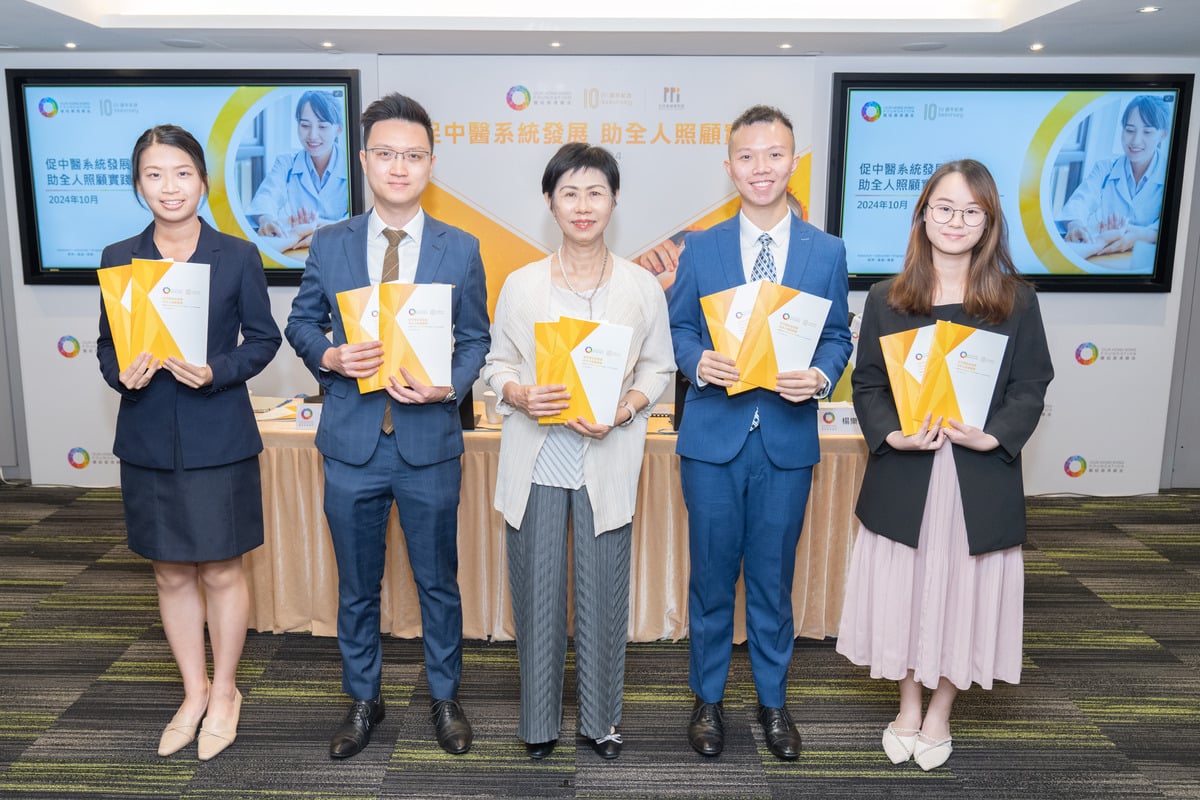
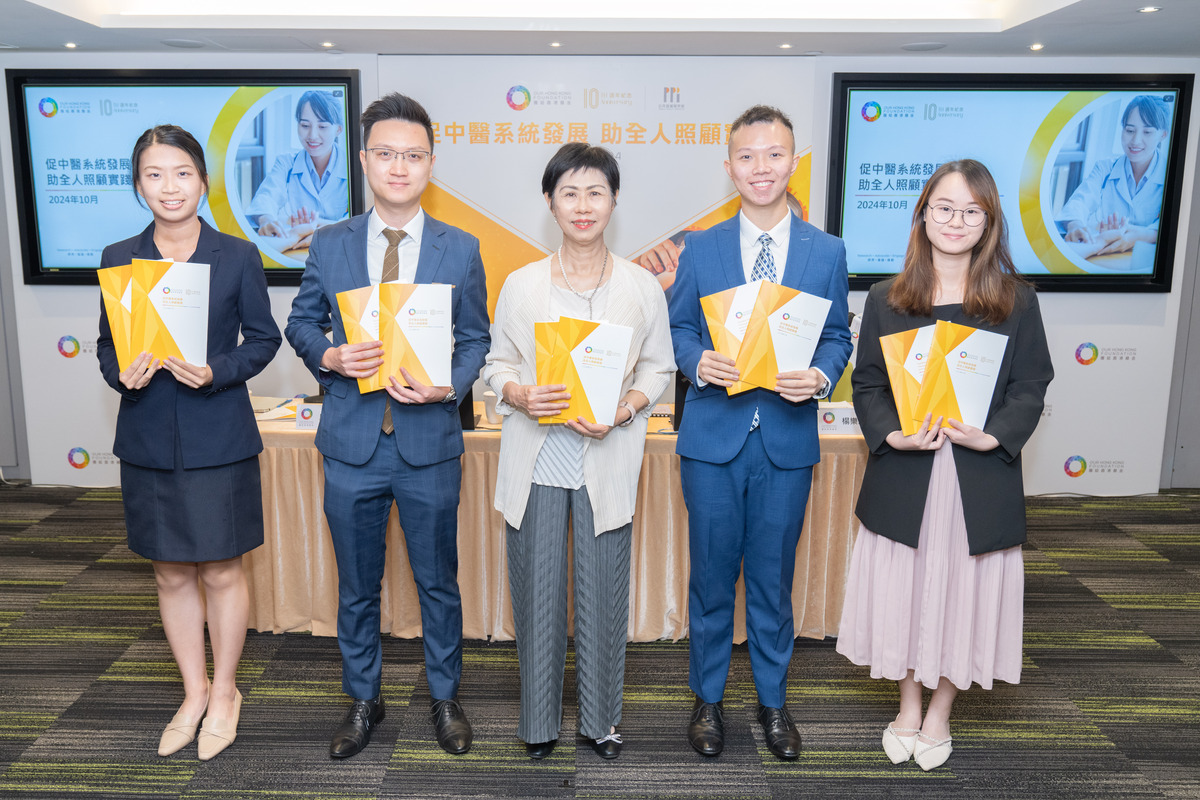
(8 October 2024, Hong Kong) Our Hong Kong Foundation (OHKF) is launching its latest policy advocacy report titled “Transforming Chinese Medicine Through System Development and Integration”. This report provides strategic recommendations for developing Chinese medicine (CM) at the system level and fostering its deep integration into Hong Kong’s healthcare system.
The report highlights that CM has gained widespread attention and recognition in recent years. From 2017 to 2022, the number of transactions involving CM services in the Elderly Health Voucher Scheme witnessed an impressive increase of over 90%. Service users have expressed that CM offers advantages in prevention and health management, aligning well with the Government's policy direction of developing primary healthcare. This synergy can help establish a preventive-focused healthcare system, addressing the challenges posed by an ageing population.
Drawing insights from focus groups and interviews with CM service users and other key stakeholders across different sectors, and referencing the World Health Organization's analytic framework, OHKF puts forward “Six Pillars and Fifteen Recommendations.” This strategy aims to leverage the strengths of CM effectively and enhance its role within the healthcare system to develop an integrated healthcare system that embodies a holistic approach to care.
(Pillar 1) Leadership & Governance
1. Establish a CM Clinical Expert Panel
In view of the diverse focus within the CM sector, the Government should establish a CM Clinical Expert Panel composed of scholars and Chinese medicine practitioners (CMPs) under the Chinese Medicine Hospital (CMH). This expert panel should regularly develop and update clinical guidelines for diseases that CM has advantages, based on evidence-based medicine. These guidelines can provide important references for the Government, CMH, and other CMPs. Additionally, the Government should communicate closely with the CM Clinical Expert Panel to ensure that industry opinions are adequately considered in policy formulation.
2. Empower the CMDC
Currently, the Chinese Medicine Development Committee (CMDC) faces various limitations that hinder its ability to promote professional autonomy effectively. The Government should empower the CMDC through increasing the frequency of meetings, encouraging members to engage in closer communication and collaboration, as well as involving the CMDC in the formulation of policies. Furthermore, it is crucial for the CMDC to clearly define the development direction of the CM sector to unlock more opportunities and foster professional autonomy within the sector.
(Pillar 2) Service Delivery
3. Optimise CMCTR Operation Models
Chinese Medicine Clinics cum Training and Research Centres (CMCTRs) have developed over the past 20 years, with roles and services that are significantly different from their early stages. The Government should optimise their operational models from three key aspects, namely consultation services, teaching and research. This includes optimising facilities and staffing arrangements, establishing reasonable compensation and promotion mechanisms, adopting flexible allocation of subsidised quotas, introducing a 24-hour fully-automated telephone appointment scheduling system, encouraging universities to regularly send CM professors to provide clinical teaching, relaxing restrictions on external research funding and partnerships, etc.
4. Strengthen CMP’s Involvement in Primary Healthcare Development
CM has strengths in prevention and health management, but its involvement in primary healthcare development is still limited. In response to this, the Government should include CM representatives in the Expert Panel on Reference Frameworks to take CM perspectives and treatment models into account. Additionally, the Government could consider advancing the participation of CMPs in the Chronic Disease Co-Care Pilot Scheme, leveraging the strengths of CM in prevention and health management.
5. Establish Referral Protocols for CM Service Providers
CMH is set to complete and commence services in 2025. However, referral arrangements among CM service providers remain unclear. The Government should establish a clear referral mechanism between primary healthcare services and specialised services at CMH. This referral mechanism should take actual medical needs into consideration, such as whether patients require long-term observation and if daily activities may worsen their conditions.
6. Define Referral Rights and Procedures Among CMPs and other Healthcare Professionals
The Government should relax referral arrangements between CMPs and medical laboratory technologists (MLTs), and radiographers in two phases. In the first phase, radiographers and MLTs within CMH should accept referrals from in-house CMPs. In the second phase, CMPs outside CMH should be able to refer patients to radiographers and MLTs in general. CMPs should undergo training, receive guidance and pass relevant assessments to obtain referral rights.
(Pillar 3) Health Workforce
7. Evaluate the CM Manpower to Facilitate Service Planning
The participation rate in CM manpower statistics survey is below 20%, making it challenging to effectively estimate the number of practicing CMPs. Therefore, the Government should conduct a comprehensive manpower survey of CMPs to facilitate service planning. At the same time, the Chinese Medicine Council of Hong Kong should require CMPs to update their contact information when enrolling in Continuing Education in CM training courses and Practicing Certificate renewals, in order to ensure continuous updates of the CMP manpower records.
8. Review the Current CMP Licensing Examination
The CMP licensing examination is comprised of written and oral assessments, but not clinical skill evaluation. This has resulted in a situation that many graduates lack comprehensive clinical skills when providing care, negatively impacting the service quality. Therefore, by referencing the Practical Skill Examination in Mainland China and the Objective Structured Clinical Examination (OSCE) model for CM, the CM sector should collaborate with universities to reform the Licensing Examination by introducing clinical assessments, ensuring that students comprehend fundamental clinical decision-making skills.
9. Enhance Systematic Continuing Education and Training
The training programmes for CMPs after graduation are scattered across various organisations, leading to disparities in teaching, resources, and quality. To facilitate the integration of CM into primary healthcare development, the Primary Healthcare Commission should establish a comprehensive framework for regular CM training, taking reference from the standardised training practices in Mainland China, which include health education, general medical services, and citizen health management. Furthermore, CMH should collaborate with the Chinese Medicine Practitioners Board of the Chinese Medicine Council, the accredited Programme Providers of Continuing Education in Chinese Medicine and local universities to establish a specialised training framework, aiming to foster professional training and enhance the clinical competencies of CMPs.
(Pillar 4) Health System Financing
10. Adopt a Multi-Pronged Approach to Healthcare Financing
To broaden the financing channels for CM services, the Government should explore diversified funding models, such as actively seeking collaboration with the insurance industry to increase the coverage and expand the scope for CM services. The Government could also draw on examples from other Asian regions to include CM services in Voluntary Health Insurance standard plans, as well as promoting related coverage in other insurance products. The Government should also work with the insurance industry to establish detailed insurance claims processes and standards.
11. Leverage Private CMPs for Public-Private Partnership
Currently, over 90% of CMPs practice in the private sector. The Government should strategically purchase private CM services and promote public-private partnership, particularly for chronic diseases and disease areas that CM has advantages. The Government could also establish public-private referral mechanisms through eHealth, while formulating quality standards and regulatory guidelines for CM clinics to ensure service quality and patient safety.
(Pillar 5) Health Information System
12. Incentivise CMPs to Join Primary Care Directory and Use eHealth
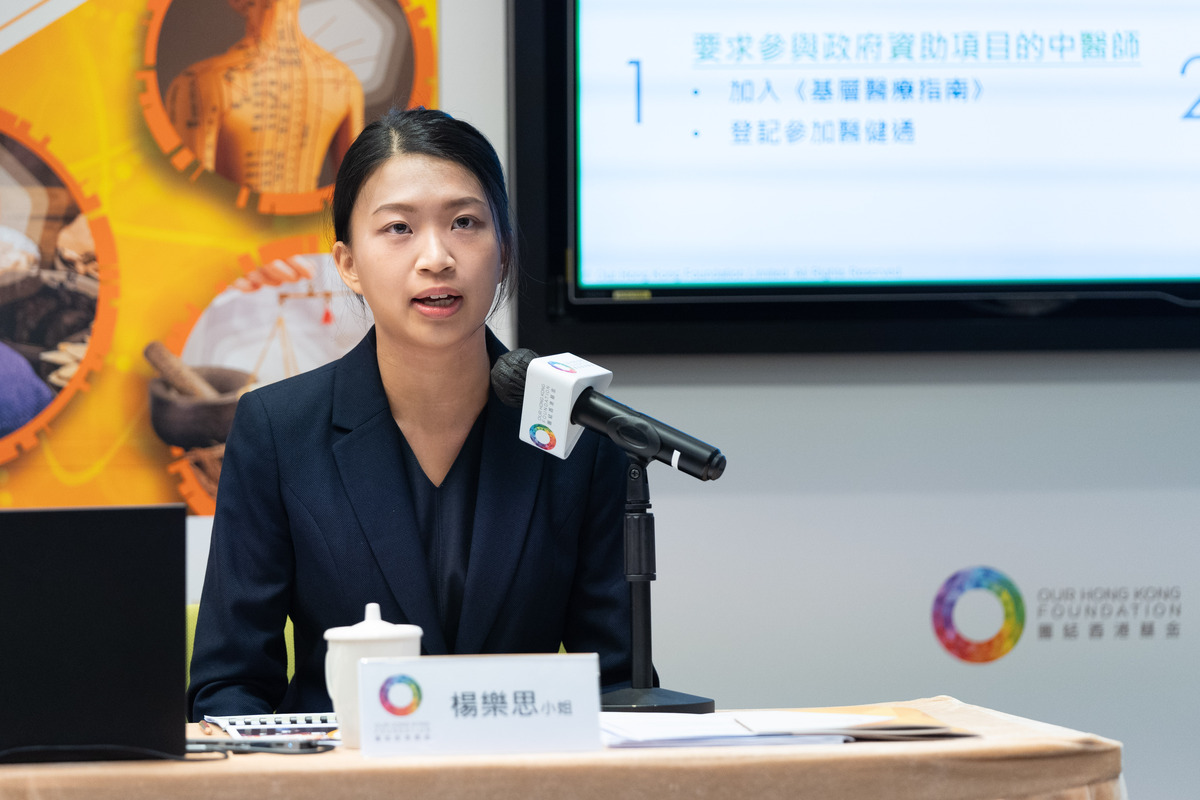
Currently, fewer than 30% of CMPs have joined the Primary Care Directory, while only 6% are registered with eHealth. The Government should require all CMPs participating in government-funded healthcare service programmes to join the Primary Care Directory and use eHealth to enhance service coordination and continuity of care. The Government should also facilitate the connection between eHealth and third-party clinic management systems, to enhance the system’s usability and performance.
13. Adopt a Patient-Centred Approach for the Expansion of the Scope of Information Sharing
Currently, there are limited sharing of electronic health records in CM, which excludes information such as laboratory and radiology reports. As a result, CMPs can only rely on patients' verbal accounts for diagnoses, leading to potential redundancies and unnecessary risks in treatment. In view of this, the Government should expand CMPs’ access to health records, including imaging and laboratory results, to enhance diagnostic accuracy.
(Pillar 6) Medical Technology & Clinical Research
14. Create a Cross-Sector R&D Platform
The Government should create a cross-sector R&D platform to promote collaboration between the Chinese Medicine Development Fund, universities, the Government Chinese Medicines Testing Institute, the Hospital Authority, and other key stakeholders. This platform aims to coordinate resources for conducting clinical research in CM and to promote the application and commercialisation of research outcomes.
15. Promote the Provision of CM Telemedicine Services
The Government should encourage CMCTRs to introduce telemedicine services through establishing relevant guidelines and standards to ensure service quality and safety. Additionally, organisations and associations within the CM sector could offer training courses on using remote communication platforms for diagnosis and treatment, to ensure they provide telemedicine services effectively.
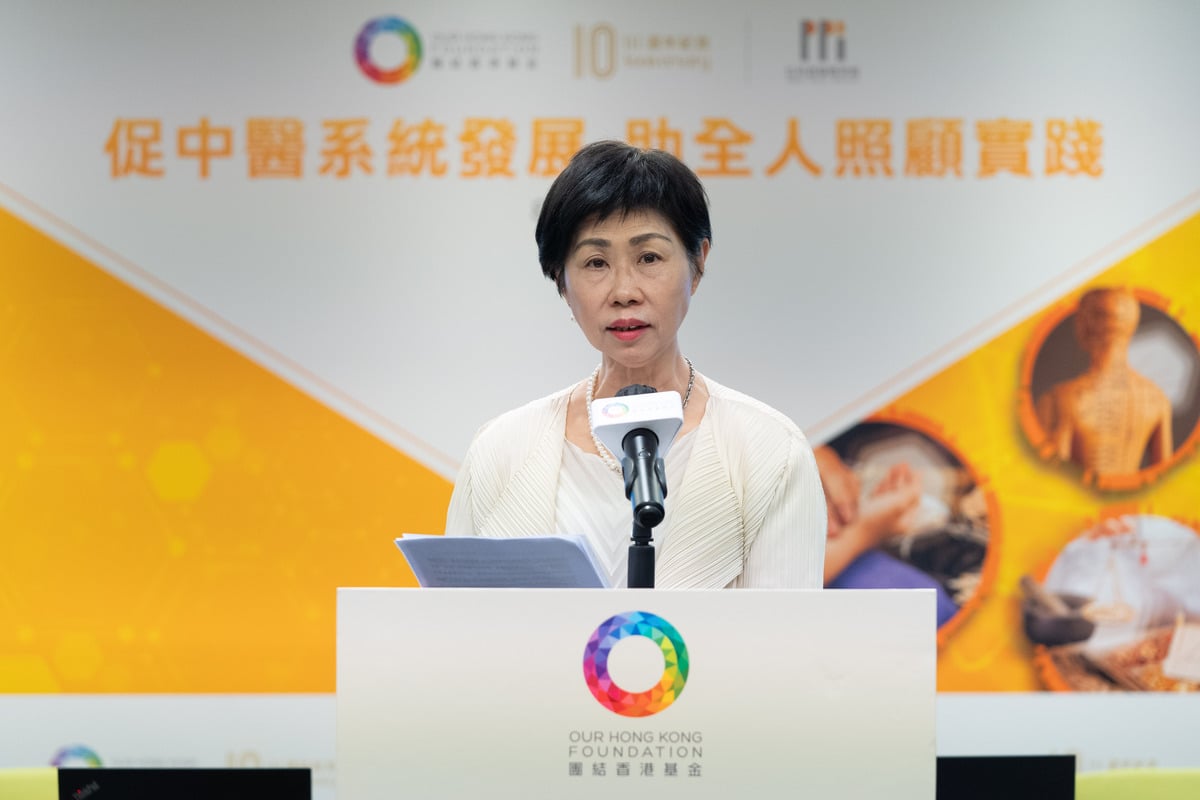
OHKF President Dr Jane Lee said "With the significant progress in the professional development of CM, more citizens are now recognising its effectiveness and realising that both Chinese and Western medicine offer distinct advantages. We hope to take this opportunity to further integrate CM into Hong Kong’s healthcare system through effective policy support and development models, providing holistic care for the public.”
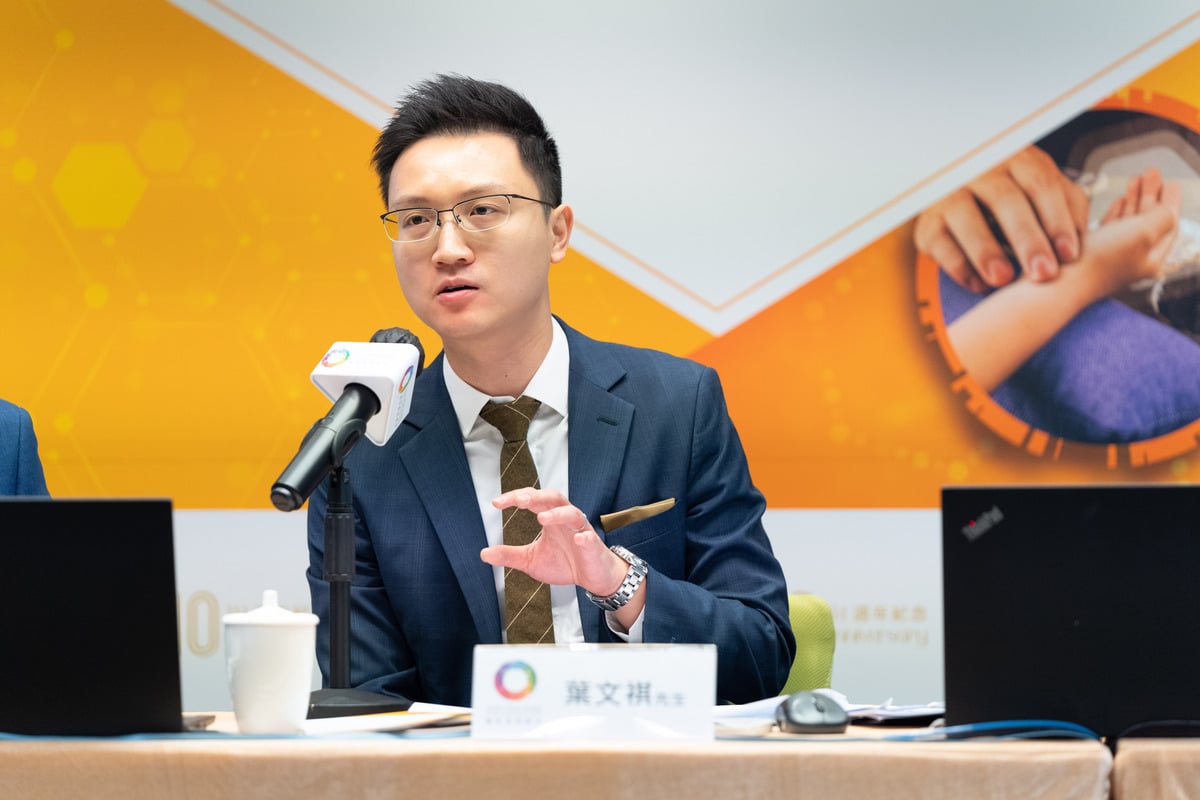
OHKF Vice President cum Co-Head of Research Mr Ryan Ip remarked “Every aspect of the development of CM is interconnected, requiring coordination between different parts of the healthcare system to fully realise its important role. The report outlines ‘Six Pillars, and Fifteen Recommendations’, which aims to broaden and deepen the development of CM, considering areas beyond service provision and facilitating its integration into the healthcare system, particularly in closely aligning with primary healthcare development."
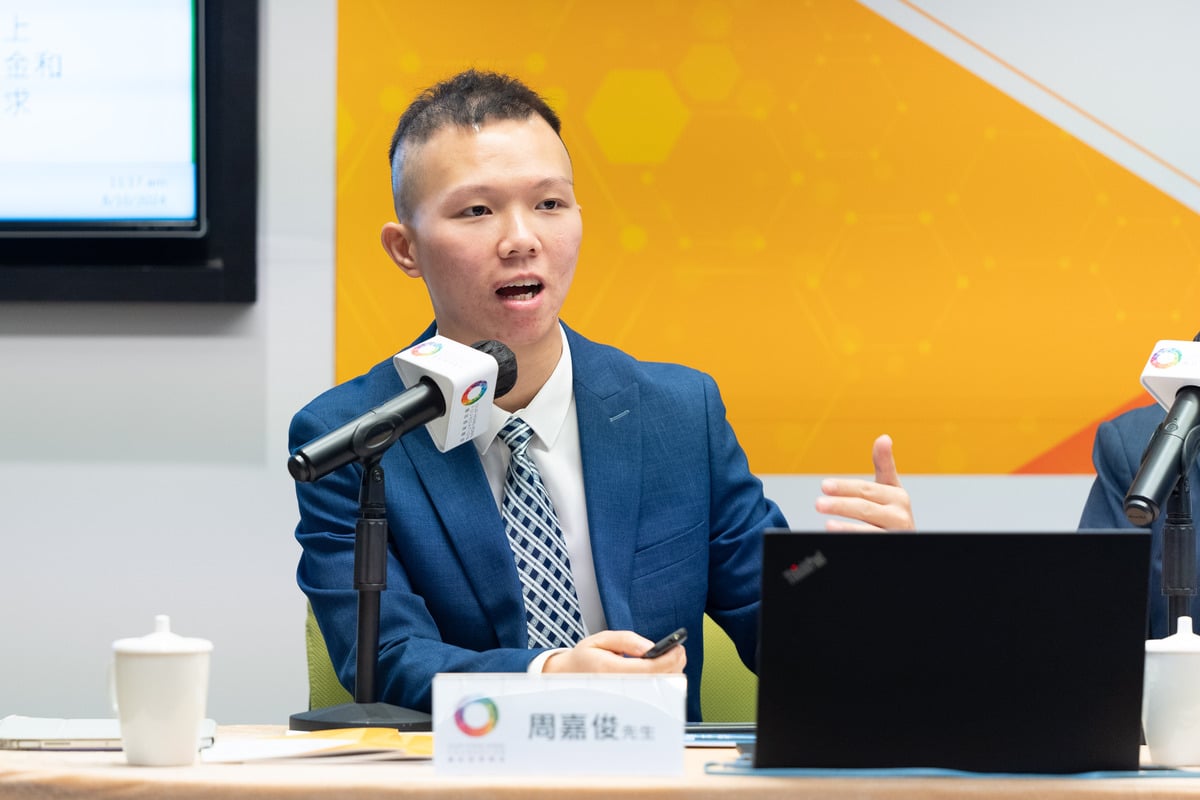
OHKF Head of Healthcare and Social Innovation Mr Dicky Chow commented “There is still significant room for development in Hong Kong's CMP Licensing Examination. Referring to the practices in other healthcare systems like "Practical Skills Examination" and “Objective Structured Clinical Examination (OSCE)”, the Government can incorporate clinical assessments into Hong Kong's CMP Licensing Examination. By simulating real-life clinical scenarios, clinical assessments could help evaluate students' clinical decision-making and problem-solving abilities in a standardised manner, ensuring they possess solid theoretical and practical foundations."
Transforming Chinese Medicine Through System Development and Integration:
Full report: https://bit.ly/3BCBjFu
Presentation deck: https://bit.ly/4ez6P5Q


(8 October 2024, Hong Kong) Our Hong Kong Foundation (OHKF) is launching its latest policy advocacy report titled “Transforming Chinese Medicine Through System Development and Integration”. This report provides strategic recommendations for developing Chinese medicine (CM) at the system level and fostering its deep integration into Hong Kong’s healthcare system.
The report highlights that CM has gained widespread attention and recognition in recent years. From 2017 to 2022, the number of transactions involving CM services in the Elderly Health Voucher Scheme witnessed an impressive increase of over 90%. Service users have expressed that CM offers advantages in prevention and health management, aligning well with the Government's policy direction of developing primary healthcare. This synergy can help establish a preventive-focused healthcare system, addressing the challenges posed by an ageing population.
Drawing insights from focus groups and interviews with CM service users and other key stakeholders across different sectors, and referencing the World Health Organization's analytic framework, OHKF puts forward “Six Pillars and Fifteen Recommendations.” This strategy aims to leverage the strengths of CM effectively and enhance its role within the healthcare system to develop an integrated healthcare system that embodies a holistic approach to care.
(Pillar 1) Leadership & Governance
1. Establish a CM Clinical Expert Panel
In view of the diverse focus within the CM sector, the Government should establish a CM Clinical Expert Panel composed of scholars and Chinese medicine practitioners (CMPs) under the Chinese Medicine Hospital (CMH). This expert panel should regularly develop and update clinical guidelines for diseases that CM has advantages, based on evidence-based medicine. These guidelines can provide important references for the Government, CMH, and other CMPs. Additionally, the Government should communicate closely with the CM Clinical Expert Panel to ensure that industry opinions are adequately considered in policy formulation.
2. Empower the CMDC
Currently, the Chinese Medicine Development Committee (CMDC) faces various limitations that hinder its ability to promote professional autonomy effectively. The Government should empower the CMDC through increasing the frequency of meetings, encouraging members to engage in closer communication and collaboration, as well as involving the CMDC in the formulation of policies. Furthermore, it is crucial for the CMDC to clearly define the development direction of the CM sector to unlock more opportunities and foster professional autonomy within the sector.
(Pillar 2) Service Delivery
3. Optimise CMCTR Operation Models
Chinese Medicine Clinics cum Training and Research Centres (CMCTRs) have developed over the past 20 years, with roles and services that are significantly different from their early stages. The Government should optimise their operational models from three key aspects, namely consultation services, teaching and research. This includes optimising facilities and staffing arrangements, establishing reasonable compensation and promotion mechanisms, adopting flexible allocation of subsidised quotas, introducing a 24-hour fully-automated telephone appointment scheduling system, encouraging universities to regularly send CM professors to provide clinical teaching, relaxing restrictions on external research funding and partnerships, etc.
4. Strengthen CMP’s Involvement in Primary Healthcare Development
CM has strengths in prevention and health management, but its involvement in primary healthcare development is still limited. In response to this, the Government should include CM representatives in the Expert Panel on Reference Frameworks to take CM perspectives and treatment models into account. Additionally, the Government could consider advancing the participation of CMPs in the Chronic Disease Co-Care Pilot Scheme, leveraging the strengths of CM in prevention and health management.
5. Establish Referral Protocols for CM Service Providers
CMH is set to complete and commence services in 2025. However, referral arrangements among CM service providers remain unclear. The Government should establish a clear referral mechanism between primary healthcare services and specialised services at CMH. This referral mechanism should take actual medical needs into consideration, such as whether patients require long-term observation and if daily activities may worsen their conditions.
6. Define Referral Rights and Procedures Among CMPs and other Healthcare Professionals
The Government should relax referral arrangements between CMPs and medical laboratory technologists (MLTs), and radiographers in two phases. In the first phase, radiographers and MLTs within CMH should accept referrals from in-house CMPs. In the second phase, CMPs outside CMH should be able to refer patients to radiographers and MLTs in general. CMPs should undergo training, receive guidance and pass relevant assessments to obtain referral rights.
(Pillar 3) Health Workforce
7. Evaluate the CM Manpower to Facilitate Service Planning
The participation rate in CM manpower statistics survey is below 20%, making it challenging to effectively estimate the number of practicing CMPs. Therefore, the Government should conduct a comprehensive manpower survey of CMPs to facilitate service planning. At the same time, the Chinese Medicine Council of Hong Kong should require CMPs to update their contact information when enrolling in Continuing Education in CM training courses and Practicing Certificate renewals, in order to ensure continuous updates of the CMP manpower records.
8. Review the Current CMP Licensing Examination
The CMP licensing examination is comprised of written and oral assessments, but not clinical skill evaluation. This has resulted in a situation that many graduates lack comprehensive clinical skills when providing care, negatively impacting the service quality. Therefore, by referencing the Practical Skill Examination in Mainland China and the Objective Structured Clinical Examination (OSCE) model for CM, the CM sector should collaborate with universities to reform the Licensing Examination by introducing clinical assessments, ensuring that students comprehend fundamental clinical decision-making skills.
9. Enhance Systematic Continuing Education and Training
The training programmes for CMPs after graduation are scattered across various organisations, leading to disparities in teaching, resources, and quality. To facilitate the integration of CM into primary healthcare development, the Primary Healthcare Commission should establish a comprehensive framework for regular CM training, taking reference from the standardised training practices in Mainland China, which include health education, general medical services, and citizen health management. Furthermore, CMH should collaborate with the Chinese Medicine Practitioners Board of the Chinese Medicine Council, the accredited Programme Providers of Continuing Education in Chinese Medicine and local universities to establish a specialised training framework, aiming to foster professional training and enhance the clinical competencies of CMPs.
(Pillar 4) Health System Financing
10. Adopt a Multi-Pronged Approach to Healthcare Financing
To broaden the financing channels for CM services, the Government should explore diversified funding models, such as actively seeking collaboration with the insurance industry to increase the coverage and expand the scope for CM services. The Government could also draw on examples from other Asian regions to include CM services in Voluntary Health Insurance standard plans, as well as promoting related coverage in other insurance products. The Government should also work with the insurance industry to establish detailed insurance claims processes and standards.
11. Leverage Private CMPs for Public-Private Partnership
Currently, over 90% of CMPs practice in the private sector. The Government should strategically purchase private CM services and promote public-private partnership, particularly for chronic diseases and disease areas that CM has advantages. The Government could also establish public-private referral mechanisms through eHealth, while formulating quality standards and regulatory guidelines for CM clinics to ensure service quality and patient safety.
(Pillar 5) Health Information System
12. Incentivise CMPs to Join Primary Care Directory and Use eHealth
Currently, fewer than 30% of CMPs have joined the Primary Care Directory, while only 6% are registered with eHealth. The Government should require all CMPs participating in government-funded healthcare service programmes to join the Primary Care Directory and use eHealth to enhance service coordination and continuity of care. The Government should also facilitate the connection between eHealth and third-party clinic management systems, to enhance the system’s usability and performance.
13. Adopt a Patient-Centred Approach for the Expansion of the Scope of Information Sharing
Currently, there are limited sharing of electronic health records in CM, which excludes information such as laboratory and radiology reports. As a result, CMPs can only rely on patients' verbal accounts for diagnoses, leading to potential redundancies and unnecessary risks in treatment. In view of this, the Government should expand CMPs’ access to health records, including imaging and laboratory results, to enhance diagnostic accuracy.
(Pillar 6) Medical Technology & Clinical Research
14. Create a Cross-Sector R&D Platform
The Government should create a cross-sector R&D platform to promote collaboration between the Chinese Medicine Development Fund, universities, the Government Chinese Medicines Testing Institute, the Hospital Authority, and other key stakeholders. This platform aims to coordinate resources for conducting clinical research in CM and to promote the application and commercialisation of research outcomes.
15. Promote the Provision of CM Telemedicine Services
The Government should encourage CMCTRs to introduce telemedicine services through establishing relevant guidelines and standards to ensure service quality and safety. Additionally, organisations and associations within the CM sector could offer training courses on using remote communication platforms for diagnosis and treatment, to ensure they provide telemedicine services effectively.
OHKF President Dr Jane Lee said "With the significant progress in the professional development of CM, more citizens are now recognising its effectiveness and realising that both Chinese and Western medicine offer distinct advantages. We hope to take this opportunity to further integrate CM into Hong Kong’s healthcare system through effective policy support and development models, providing holistic care for the public.”
OHKF Vice President cum Co-Head of Research Mr Ryan Ip remarked “Every aspect of the development of CM is interconnected, requiring coordination between different parts of the healthcare system to fully realise its important role. The report outlines ‘Six Pillars, and Fifteen Recommendations’, which aims to broaden and deepen the development of CM, considering areas beyond service provision and facilitating its integration into the healthcare system, particularly in closely aligning with primary healthcare development."
OHKF Head of Healthcare and Social Innovation Mr Dicky Chow commented “There is still significant room for development in Hong Kong's CMP Licensing Examination. Referring to the practices in other healthcare systems like "Practical Skills Examination" and “Objective Structured Clinical Examination (OSCE)”, the Government can incorporate clinical assessments into Hong Kong's CMP Licensing Examination. By simulating real-life clinical scenarios, clinical assessments could help evaluate students' clinical decision-making and problem-solving abilities in a standardised manner, ensuring they possess solid theoretical and practical foundations."
Transforming Chinese Medicine Through System Development and Integration:
Full report: https://bit.ly/3BCBjFu
Presentation deck: https://bit.ly/4ez6P5Q