










Reducing Health Expenditure Through Fall Prevention Home Design




Reducing Health Expenditure Through Fall Prevention Home Design

The source text is in Chinese. This English version is for reference only. In case of any discrepancy between this English version and the Chinese version, the Chinese version shall prevail.
Amidst ongoing heated discussions in the community on reducing government expenditure, it is worthwhile to explore solutions from daily life, tackling ways to cut health and social welfare expenditures at their source. According to statistics from the Department of Health, up to 74.5% of injury episodes among the elderly are caused by falls, which can lead to fractures that affect their mobility and living skills, and in serious cases can even be life-threatening. As a rapidly ageing city, Hong Kong’s direct public health expenditure arising from elderly fractures exceeds HKD 700 million annually. Subsequent home care and residential care services further burden the healthcare and social welfare systems. Hence, the issue of elderly falls is a significant public health issue, worthy of attention from all sectors of society.
A Large Number of Fracture Cases Increase Healthcare Burden
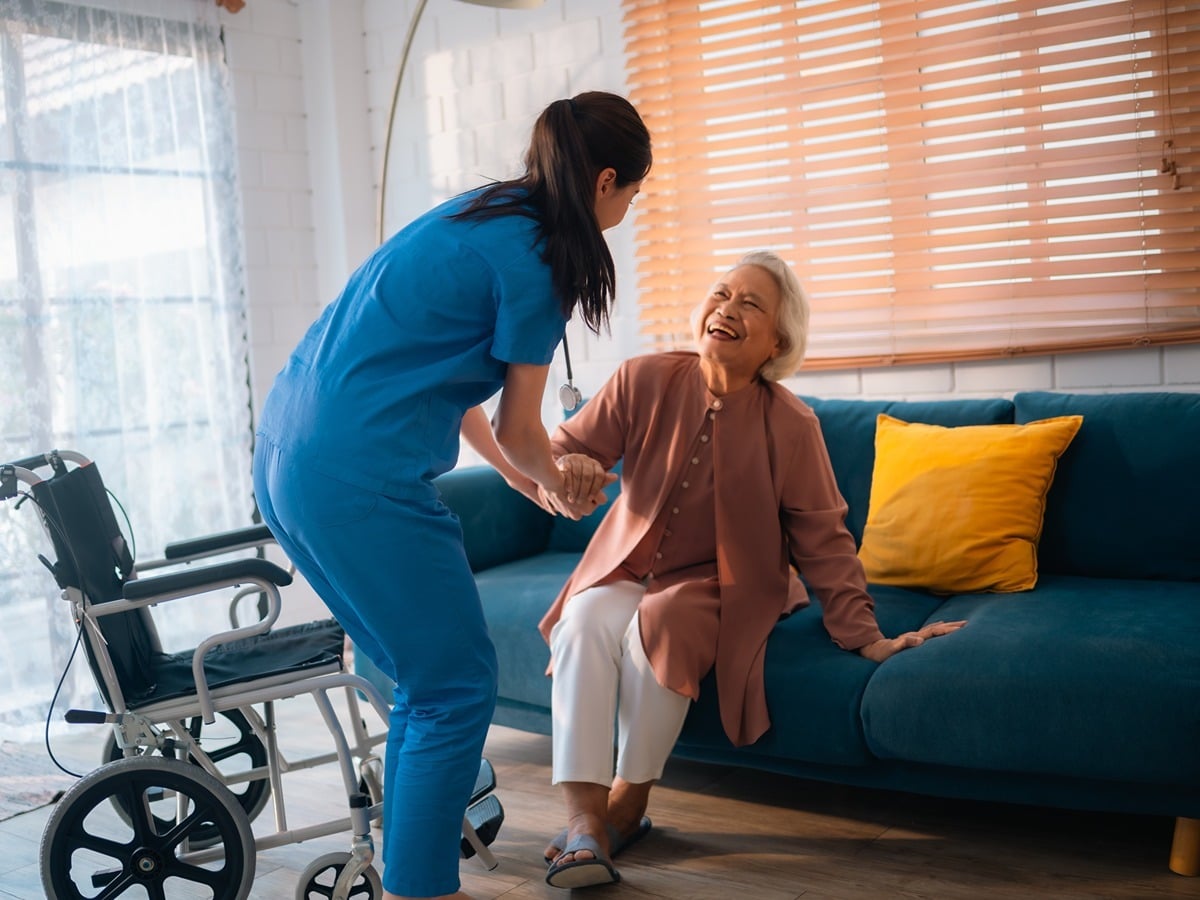
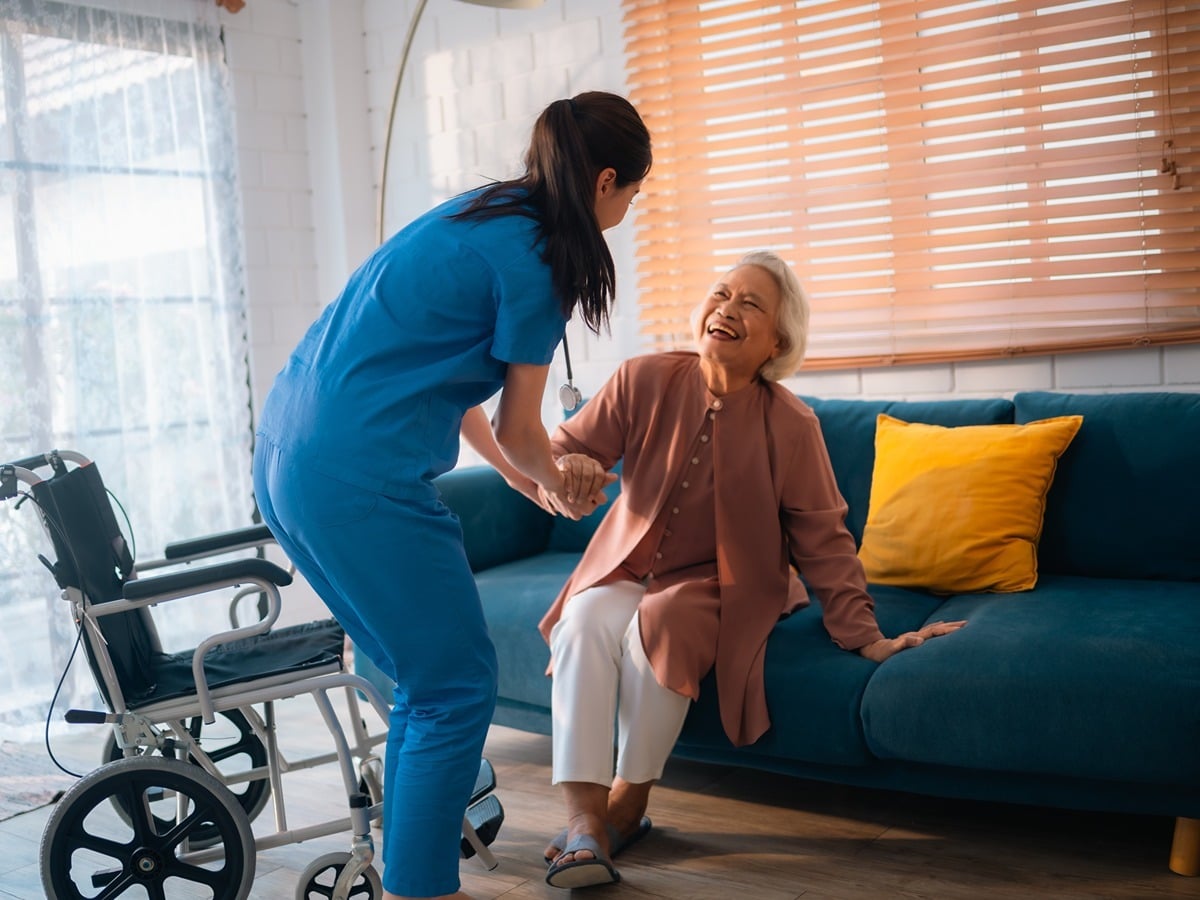
Hong Kong's limited living space has led to space-efficient-orientated residential designs, resulting in narrow corridors and uneven floor levels. While these features are often overlooked by the general public, they are posing potential risks for the elderly. Home falls account for 41.5% of all accidental injuries among the elderly. Therefore, targeted home modifications for seniors are strategically important for fall prevention. Examples include installing handrails and anti-slip facilities in bathrooms and kitchens, height-adjustable beds and chairs, and widened corridors and activity spaces, so as to better meet the needs of the elderly.
In 2009, Johns Hopkins University in the United States launched a community ageing-in-place programme, Community Aging in Place ─ Advancing Better Living for Elders (CAPABLE). CAPABLE brought together nurses, occupational therapists, and home modification professionals to provide age-friendly home modification services tailored to the elderly’s specific needs and lifestyle. In 2017, after an 18-month tracking study, the research team found that senior participants of CAPABLE experienced a 30% decrease in falls within 6 months and a 24% drop in hospitalisation rates. Additionally, over 90% of them were positive about the programme’s contribution to improving their lives. These results demonstrate the effectiveness of implementing age-friendly home modification programmes in the community, which can significantly reduce home hazards for the elderly, especially in effectively lowering fall risks.
Age-friendly home modification has been a development in Hong Kong for some time. For instance, since 2017, the Hong Kong Housing Society (HKHS), has been collaborating with various organisations and business partners to carry out the Home Modification Collaboration Program, under which occupational therapists would offer the elderly with higher falling risks free services, including assessments for home environment, home modifications, and purchase of assistive devices. However, the Program has limited coverage and may not receive long-term funding, raising concerns about its sustainability.
Hong Kong seniors prefer ageing in place. Especially when the dual phenomena of ageing populations and ageing residential buildings become increasingly evident, home modification has become an indispensable step in creating a safe and comfortable living environment for the elderly. Financially, however, many of them worry about the high cost of such modifications and would rather save the money for other purposes. How can we encourage their investment in home modifications by providing financial support to reduce health and social welfare expenditure in the long run? The Australian government’s systematic approach is worthy of reference.
In 2013, the Australian government initiated the My Aged Care programme, providing the elderly with home assessments by occupational therapists, connecting them with service providers, and matching them with appropriate services. Regarding financial support, the Australian government directly subsidises service providers. As a result, the quotation received by a senior for services after the assessment is subject to the individual’s health and financial status. For instance, a senior with stronger financial circumstances will receive a lower subsidy. Following the formulation of service plans, the elderly have the autonomy to choose whether to continue purchasing government-subsidised services or seek other providers from the market, dependingon their needs.
Given Hong Kong’s current fiscal deficit, fully adopting Australia's extensive subsidy model may be unrealistic. However, the underlying logic merits emulation in designing a local support scheme with appropriate incentives. This approach would encourage the public to access home modification services to enhance living conditions without excessively burdening the Government finances. In the long term, safer home environments would effectively reduce medical and social welfare expenditures.
Implementing a Home Modification Co-payment Scheme
The Government could leverage the existing Elderly Health Care Voucher Scheme (EHCV Scheme) by expanding its coverage to include home assessments and subsidising seniors in receiving services of occupational therapists or physiotherapists for home safety assessments and home modification suggestions. Home environment improvements are intertwined with the seniors’ health, and the promotion of home assessments complements the design of EHCV, as they both emphasise prevention and aim to reduce reliance on hospital services.
Moreover, the Government could launch a dedicated co-payment scheme for home modification services. The scheme should include age-based tiers and financial means-testing mechanisms to determine the proportion of government subsidies and user contributions. In implementing the scheme, the Government needs to provide a detailed service guideline listing service providers available to ensure service quality and increase the confidence of the elderly.
Home modification is of vital importance to ageing in place for the elderly. It is not only key to improving the quality of life of seniors, but also an effective strategy for future reductions in health and social welfare expenditures. By providing the elderly with safe and liveable environments, home modifications can significantly lower the risk of falls and other incidents, and thus effectively reduce medical care and nursing care costs associated with elderly injuries. In short, investment in home modifications is a forward-looking approach by the Government to proactively control future health and social welfare expenditures.


The source text is in Chinese. This English version is for reference only. In case of any discrepancy between this English version and the Chinese version, the Chinese version shall prevail.
Amidst ongoing heated discussions in the community on reducing government expenditure, it is worthwhile to explore solutions from daily life, tackling ways to cut health and social welfare expenditures at their source. According to statistics from the Department of Health, up to 74.5% of injury episodes among the elderly are caused by falls, which can lead to fractures that affect their mobility and living skills, and in serious cases can even be life-threatening. As a rapidly ageing city, Hong Kong’s direct public health expenditure arising from elderly fractures exceeds HKD 700 million annually. Subsequent home care and residential care services further burden the healthcare and social welfare systems. Hence, the issue of elderly falls is a significant public health issue, worthy of attention from all sectors of society.
A Large Number of Fracture Cases Increase Healthcare Burden
Hong Kong's limited living space has led to space-efficient-orientated residential designs, resulting in narrow corridors and uneven floor levels. While these features are often overlooked by the general public, they are posing potential risks for the elderly. Home falls account for 41.5% of all accidental injuries among the elderly. Therefore, targeted home modifications for seniors are strategically important for fall prevention. Examples include installing handrails and anti-slip facilities in bathrooms and kitchens, height-adjustable beds and chairs, and widened corridors and activity spaces, so as to better meet the needs of the elderly.
In 2009, Johns Hopkins University in the United States launched a community ageing-in-place programme, Community Aging in Place ─ Advancing Better Living for Elders (CAPABLE). CAPABLE brought together nurses, occupational therapists, and home modification professionals to provide age-friendly home modification services tailored to the elderly’s specific needs and lifestyle. In 2017, after an 18-month tracking study, the research team found that senior participants of CAPABLE experienced a 30% decrease in falls within 6 months and a 24% drop in hospitalisation rates. Additionally, over 90% of them were positive about the programme’s contribution to improving their lives. These results demonstrate the effectiveness of implementing age-friendly home modification programmes in the community, which can significantly reduce home hazards for the elderly, especially in effectively lowering fall risks.
Age-friendly home modification has been a development in Hong Kong for some time. For instance, since 2017, the Hong Kong Housing Society (HKHS), has been collaborating with various organisations and business partners to carry out the Home Modification Collaboration Program, under which occupational therapists would offer the elderly with higher falling risks free services, including assessments for home environment, home modifications, and purchase of assistive devices. However, the Program has limited coverage and may not receive long-term funding, raising concerns about its sustainability.
Hong Kong seniors prefer ageing in place. Especially when the dual phenomena of ageing populations and ageing residential buildings become increasingly evident, home modification has become an indispensable step in creating a safe and comfortable living environment for the elderly. Financially, however, many of them worry about the high cost of such modifications and would rather save the money for other purposes. How can we encourage their investment in home modifications by providing financial support to reduce health and social welfare expenditure in the long run? The Australian government’s systematic approach is worthy of reference.
In 2013, the Australian government initiated the My Aged Care programme, providing the elderly with home assessments by occupational therapists, connecting them with service providers, and matching them with appropriate services. Regarding financial support, the Australian government directly subsidises service providers. As a result, the quotation received by a senior for services after the assessment is subject to the individual’s health and financial status. For instance, a senior with stronger financial circumstances will receive a lower subsidy. Following the formulation of service plans, the elderly have the autonomy to choose whether to continue purchasing government-subsidised services or seek other providers from the market, dependingon their needs.
Given Hong Kong’s current fiscal deficit, fully adopting Australia's extensive subsidy model may be unrealistic. However, the underlying logic merits emulation in designing a local support scheme with appropriate incentives. This approach would encourage the public to access home modification services to enhance living conditions without excessively burdening the Government finances. In the long term, safer home environments would effectively reduce medical and social welfare expenditures.
Implementing a Home Modification Co-payment Scheme
The Government could leverage the existing Elderly Health Care Voucher Scheme (EHCV Scheme) by expanding its coverage to include home assessments and subsidising seniors in receiving services of occupational therapists or physiotherapists for home safety assessments and home modification suggestions. Home environment improvements are intertwined with the seniors’ health, and the promotion of home assessments complements the design of EHCV, as they both emphasise prevention and aim to reduce reliance on hospital services.
Moreover, the Government could launch a dedicated co-payment scheme for home modification services. The scheme should include age-based tiers and financial means-testing mechanisms to determine the proportion of government subsidies and user contributions. In implementing the scheme, the Government needs to provide a detailed service guideline listing service providers available to ensure service quality and increase the confidence of the elderly.
Home modification is of vital importance to ageing in place for the elderly. It is not only key to improving the quality of life of seniors, but also an effective strategy for future reductions in health and social welfare expenditures. By providing the elderly with safe and liveable environments, home modifications can significantly lower the risk of falls and other incidents, and thus effectively reduce medical care and nursing care costs associated with elderly injuries. In short, investment in home modifications is a forward-looking approach by the Government to proactively control future health and social welfare expenditures.