





COVID-19 fuels HK-Shenzhen cooperation in biotech




COVID-19 fuels HK-Shenzhen cooperation in biotech

Authors: Kenny Shui, Assistant Research Director and Head of Economic Development and Arthur Tsang, Assistant Researcher at Our Hong Kong Foundation.

[Read related report (Chi Only)]
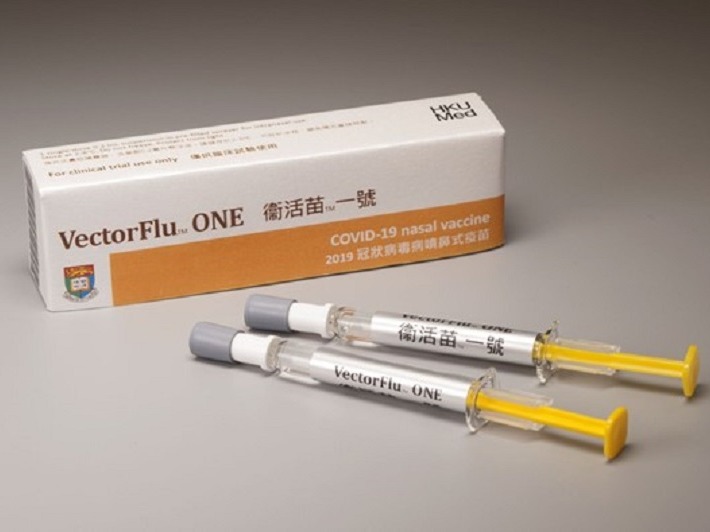
Whilst the Government’s COVID-19 Vaccination Programme is in full swing, Phase I clinical trials VectorFlu™ ONE, the world’s first COVID-19 nasal vaccine developed by HKU Department of Microbiology involving Professor Yuen Kwok-yung, have just completed in July 2021. The vaccine is believed to have relatively fewer side effects.
With $20 million of government subsidy, the research involved about 100 volunteers and took place at the HKU Clinical Trials Centre (HKU-CTC). Further trials are needed before the vaccine rolls out. Phase III clinical trials will involve over 10,000 volunteers and cross-boundary recruitment is necessary to conduct a multi-centre study.
Diversified models of collaboration between Hong Kong and Shenzhen to create opportunities
Hong Kong’s success in developing a novel vaccine is not out of pure luck but built upon the solid foundation of biotechnology research among its universities. The city’s stellar universities conduct internationally renowned basic research and an increasing amount of their applied research output has been successfully transferred into commercial products. Apart from VectorFlu™, many COVID-19 testing technologies adopted in the Government’s community testing programme are locally developed. To continuously foster the commercialisation of scientific research, Shenzhen is the gateway to the massive Mainland market. As the country’s innovation hub, Shenzhen recorded a rapid growth of 24.4% in the biomedicine industry in 2020, topping the seven strategic emerging industries.
It is commonly raised that a viable model will be conducting scientific research in Hong Kong and commercialising in Shenzhen. Meanwhile, as the case of VectorFlu™ ONE shows, Hong Kong also has a competitive edge in conducting clinical trials, and thus can play a vital role in the middle and downstream value chain of the biotechnology industry. In fact, Hong Kong’s clinical trial data is often recognised by NMPA, FDA, and EMA — the drug administrations in Mainland China, the US, and Europe respectively. Alongside Harvard’s and Cambridge’s clinical trials centres, HKU-CTC is also one of the founding members of the International Clinical Trial Centre Network (ICN).
The potency of Hong Kong’s clinical trials creates a massive spillover effect. As the city has a relatively small number of medical cases, it is hard for Hong Kong to complete late-stage clinical trials on its own. To cope with the issue, HKU-CTC is about to establish a branch in Shenzhen to introduce its international clinical trials management model to the Mainland and enhance the clinical standards in Mainland hospitals. Not only can Hong Kong contribute to the country’s modernisation, it can also establish its position as an international clinical trials centre through being the coordinator of cross-boundary multi-centre clinical trials. Along the same line, late-stage clinical trials of VectorFlu™ ONE can be coordinated by Hong Kong across the border. Apart from trials, in fact Xiamen University and Wantai BioPharm from Beijing both partook in the research of the vaccine, while the manufacturing process of the pilot batch of the vaccine was carried out in the Mainland. This clearly exemplifies the diversified models of collaboration between Hong Kong and Shenzhen.

Lok Ma Chau Loop as the gear for Hong Kong-Shenzhen Collaboration
Hong Kong should rethink its role in the biotechnology value chain and the models of collaboration between Shenzhen and itself. Speaking of clinical trials, although the Government did subsidise the trials of VectorFlu™, it had never given guidance to nor planning for this strategic industry. Meanwhile, as recently pushed by the Central Government, the Hong Kong – Shenzhen Innovation and Technology Park at the Lok Ma Chau Loop offers massive opportunities for both cities to capitalise on each other’s strengths and together establish an international innovation and technology centre.
The Shenzhen Government not only has issued various policy documents on biotechnology development, but also released a development blueprint and policy measures specifically for the Park in August 2020. The measures keep abreast with international development and Hong Kong’s strengths. Even more vital, a long-term strategic plan through the year 2035 is also underway. However, Hong Kong has not issued any development blueprint for biotechnology; nor has it published any comprehensive industry development plan for the Park.
Hong Kong has indeed demonstrated tremendous potential in innovation and technology amidst the pandemic. Only by acknowledging its own strengths and exploring viable models of collaboration with Shenzhen, can Hong Kong capitalise on the pandemic to fuel its innovation and technology development, and successfully reach the pinnacle of biotechnology innovation together with Shenzhen.


Authors: Kenny Shui, Assistant Research Director and Head of Economic Development and Arthur Tsang, Assistant Researcher at Our Hong Kong Foundation.
[Read related report (Chi Only)]
Whilst the Government’s COVID-19 Vaccination Programme is in full swing, Phase I clinical trials VectorFlu™ ONE, the world’s first COVID-19 nasal vaccine developed by HKU Department of Microbiology involving Professor Yuen Kwok-yung, have just completed in July 2021. The vaccine is believed to have relatively fewer side effects.
With $20 million of government subsidy, the research involved about 100 volunteers and took place at the HKU Clinical Trials Centre (HKU-CTC). Further trials are needed before the vaccine rolls out. Phase III clinical trials will involve over 10,000 volunteers and cross-boundary recruitment is necessary to conduct a multi-centre study.
Diversified models of collaboration between Hong Kong and Shenzhen to create opportunities
Hong Kong’s success in developing a novel vaccine is not out of pure luck but built upon the solid foundation of biotechnology research among its universities. The city’s stellar universities conduct internationally renowned basic research and an increasing amount of their applied research output has been successfully transferred into commercial products. Apart from VectorFlu™, many COVID-19 testing technologies adopted in the Government’s community testing programme are locally developed. To continuously foster the commercialisation of scientific research, Shenzhen is the gateway to the massive Mainland market. As the country’s innovation hub, Shenzhen recorded a rapid growth of 24.4% in the biomedicine industry in 2020, topping the seven strategic emerging industries.
It is commonly raised that a viable model will be conducting scientific research in Hong Kong and commercialising in Shenzhen. Meanwhile, as the case of VectorFlu™ ONE shows, Hong Kong also has a competitive edge in conducting clinical trials, and thus can play a vital role in the middle and downstream value chain of the biotechnology industry. In fact, Hong Kong’s clinical trial data is often recognised by NMPA, FDA, and EMA — the drug administrations in Mainland China, the US, and Europe respectively. Alongside Harvard’s and Cambridge’s clinical trials centres, HKU-CTC is also one of the founding members of the International Clinical Trial Centre Network (ICN).
The potency of Hong Kong’s clinical trials creates a massive spillover effect. As the city has a relatively small number of medical cases, it is hard for Hong Kong to complete late-stage clinical trials on its own. To cope with the issue, HKU-CTC is about to establish a branch in Shenzhen to introduce its international clinical trials management model to the Mainland and enhance the clinical standards in Mainland hospitals. Not only can Hong Kong contribute to the country’s modernisation, it can also establish its position as an international clinical trials centre through being the coordinator of cross-boundary multi-centre clinical trials. Along the same line, late-stage clinical trials of VectorFlu™ ONE can be coordinated by Hong Kong across the border. Apart from trials, in fact Xiamen University and Wantai BioPharm from Beijing both partook in the research of the vaccine, while the manufacturing process of the pilot batch of the vaccine was carried out in the Mainland. This clearly exemplifies the diversified models of collaboration between Hong Kong and Shenzhen.
Lok Ma Chau Loop as the gear for Hong Kong-Shenzhen Collaboration
Hong Kong should rethink its role in the biotechnology value chain and the models of collaboration between Shenzhen and itself. Speaking of clinical trials, although the Government did subsidise the trials of VectorFlu™, it had never given guidance to nor planning for this strategic industry. Meanwhile, as recently pushed by the Central Government, the Hong Kong – Shenzhen Innovation and Technology Park at the Lok Ma Chau Loop offers massive opportunities for both cities to capitalise on each other’s strengths and together establish an international innovation and technology centre.
The Shenzhen Government not only has issued various policy documents on biotechnology development, but also released a development blueprint and policy measures specifically for the Park in August 2020. The measures keep abreast with international development and Hong Kong’s strengths. Even more vital, a long-term strategic plan through the year 2035 is also underway. However, Hong Kong has not issued any development blueprint for biotechnology; nor has it published any comprehensive industry development plan for the Park.
Hong Kong has indeed demonstrated tremendous potential in innovation and technology amidst the pandemic. Only by acknowledging its own strengths and exploring viable models of collaboration with Shenzhen, can Hong Kong capitalise on the pandemic to fuel its innovation and technology development, and successfully reach the pinnacle of biotechnology innovation together with Shenzhen.