





Fine Tuning Lung Kwu Tan and Tuen Mun West Planning to Advance Orderly Development of the Northern Metropolis




Fine Tuning Lung Kwu Tan and Tuen Mun West Planning to Advance Orderly Development of the Northern Metropolis

The source text is in Chinese. This English version is for reference only. In case of any discrepancy between this English version and the Chinese version, the Chinese version shall prevail.
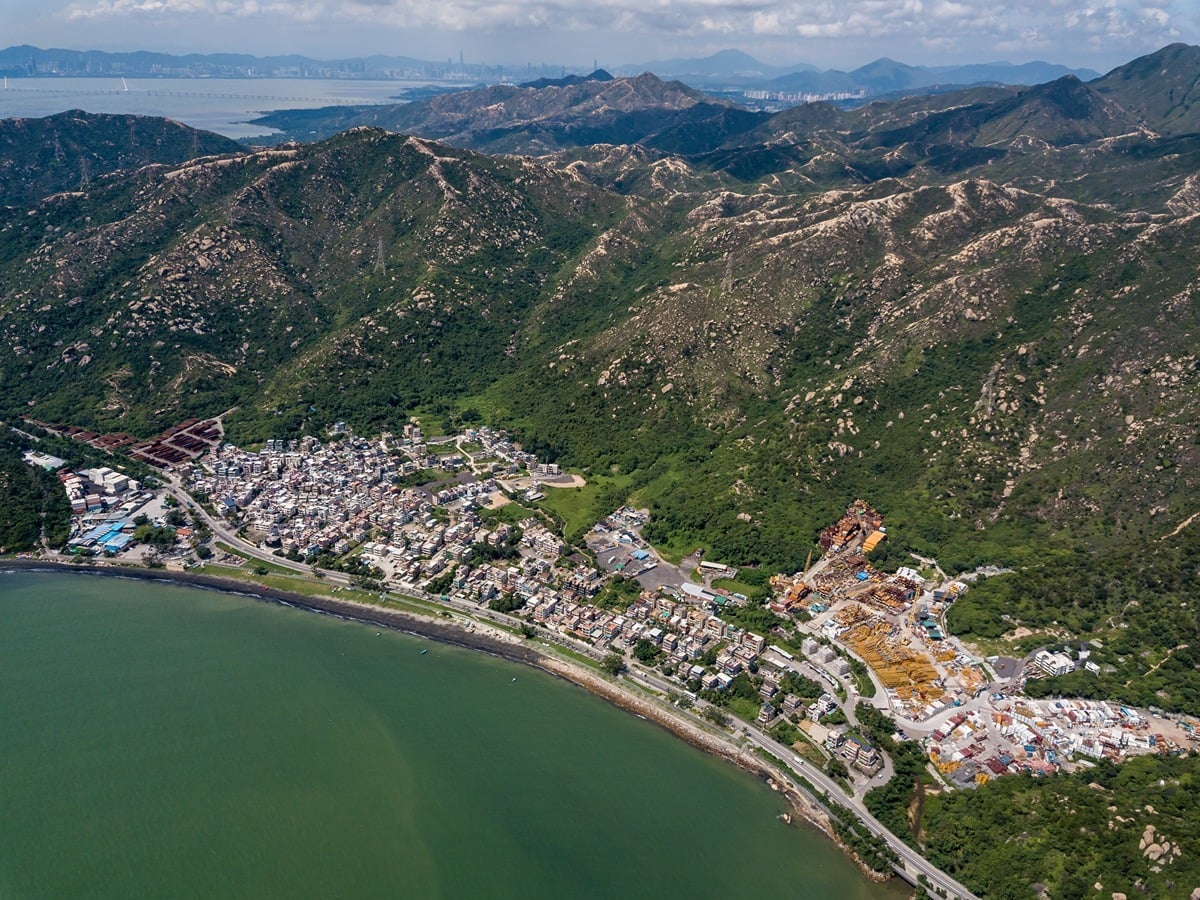
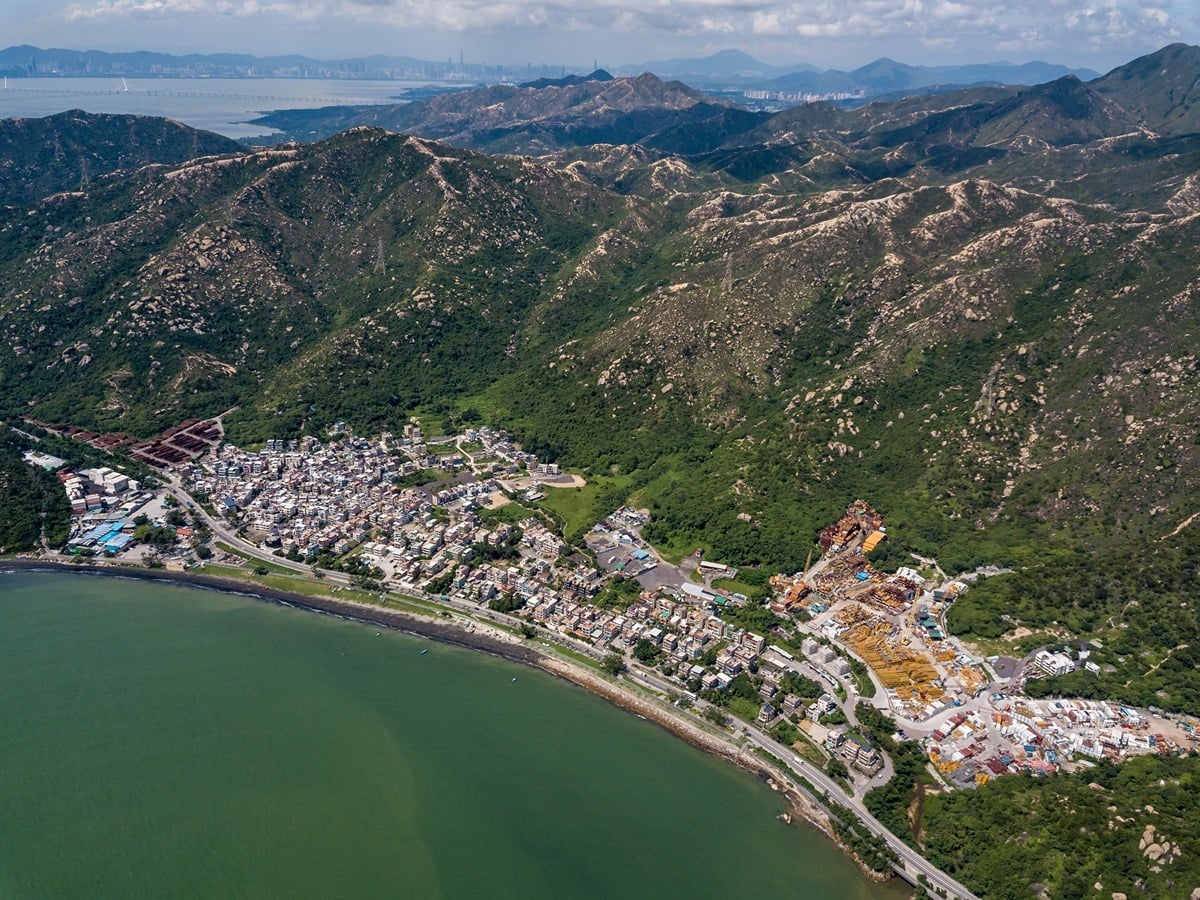
The Government has announced development proposals for the reclamation of Lung Kwu Tan and the re-planning of Tuen Mun West, designating the area as a “Smart and Green Industries Port”. The plan envisions about 190 hectares of reclamation, creating a total of 301 hectares of development land, with a focus on four industries: green/new energy, advanced construction, circular economy, and modern logistics/inland terminal.
Re-locating Brownfield Operations to Unlock Northern Metropolis' Potential
The Smart and Green Industries Port could serve as a core site for relocating brownfield operations within the Northern Metropolis. For years, brownfield operations have been incompatible with surrounding land uses, impeding the region's development. While these operations generate some economic value, relocation has proven challenging. The Government once proposed relocation of operators into multi storey industrial buildings. However, high rental costs and the requirement for open air operations rendered this impractical. It also revised statutory town planning guidelines to broaden the application scope for temporary brownfield use, but this was only a stopgap, leaving the issue of “secondary relocation” unresolved.
Lung Kwu Tan reclamation should be the core of the Northern Metropolis’ brownfield relocation strategy. Priority should be given to relocating operators from the Northern Metropolis University Town at Ngau Tam Mei, Hung Shui Kiu/Ha Tsuen New Development Area, and San Tin Technopole into Lung Kwu Tan. This would release valuable land for higher value industries and remove obstacles to Northern Metropolis development.
Improving the Proposal to Reduce Costs
The current proposal involves large scale reclamation and construction of a cross bay bridge, both of which are costly. The cost can be reduced significantly through improving the proposal. For reclamation, the Tuen Mun Area 38 Fill Bank is used for the storage of inert construction waste, which can be utilised directly for the reclamation projects at Lung Kwu Tan and Tuen Mun West, leading to cost savings. Subsequently, the fill bank can be relocated to the reclaimed site at Lung Kwu Tan. Moreover, as part of the present proposal, two artificial green waterways have been introduced, expanding the reclamation shoreline from 3.3 km to 5.4 km. This approach may be costly and potentially result in the formation of shallow "dead water channels" at low tide, which could diminish the ecological and recreational value of the area. The author proposes a simpler reclamation directly from the shoreline, reducing the coast to about 2.8 km, and replacing waterways with landscaped buffer zones to avoid the “dead water” problem while further reducing the reclamation scale and costs.
At the same time, relocating the Area 38 Fill Bank would not only lower reclamation expenses but also immediately release land for advanced construction industries. These industries, originally planned for the reclaimed area at Lung Kwu Tan, could be repositioned at Area 38. Benefiting from proximity to cement and steel plants, such relocation would cut transport costs and reduce reliance on a cross-bay bridge for moving oversized components.
Enhancing Connectivity to Minimise Impact on Residents
Frankly, the enhancement of external transport links should be prioritised over the construction of a cross bay bridge. The Government should expedite the Tuen Mun Bypass Project to relieve pressure along Lung Mun Road to Tuen Mun town centre, preventing “advanced construction industries” from exacerbating traffic jams. In Lung Kwu Tan, priority should be given to upgrading Nim Wan Road and Deep Bay Road, connecting to Lau Fau Shan and the Hung Shui Kiu/Ha Tsuen New Development Area. These routes could also connect via the Shenzhen Bay Port to Qianhai, supporting synergy with the Hong Kong International Airport. In addition, the upgraded roads could serve as backup routes when accidents occur on Lung Mun Road.
Such roadworks would effectively divert short to medium term traffic demand, reducing the impact on residents’ daily lives. The cross bay bridge could then be considered only when the Smart and Green Industries Port has matured, ensuring returns on infrastructure investment.
Refining Industrial Strategy
There is also room to refine the industry strategy for the “Smart and Green Industries Port”. For the circular economy sector, Hong Kong has long lacked comprehensive recycling and upcycling facilities, which has hindered progress on municipal solid waste charging. The development of the circular economy industry would establish a comprehensive recycling industrial chain, promote waste sorting and resource recovery, and further refine solid waste charging policies to ensure sufficient recycling resources. For green/new energy, the Government should carefully assess application scenarios, select projects most suitable for Lung Kwu Tan, and evaluate their returns. It should then coordinate the related manufacturing, storage, and transport facilities to secure both sustainability and economic viability.
The Government has also proposed relocating the cargo handling facilities in Area 16 of Tuen Mun to inland terminals. It is believed that this presents an opportunity to redevelop Area 16’s industrial land and existing cargo facilities into a mixed commercial‑residential district. This could integrate a premium marina and cultural‑creative industries, while revitalising the Sam Shing Estate’s seafood restaurants and market environment. This transformation would create a new landmark, combining commerce, housing, and tourism, to greatly enhance land value, attract new investment and generate substantial economic returns.


The source text is in Chinese. This English version is for reference only. In case of any discrepancy between this English version and the Chinese version, the Chinese version shall prevail.
The Government has announced development proposals for the reclamation of Lung Kwu Tan and the re-planning of Tuen Mun West, designating the area as a “Smart and Green Industries Port”. The plan envisions about 190 hectares of reclamation, creating a total of 301 hectares of development land, with a focus on four industries: green/new energy, advanced construction, circular economy, and modern logistics/inland terminal.
Re-locating Brownfield Operations to Unlock Northern Metropolis' Potential
The Smart and Green Industries Port could serve as a core site for relocating brownfield operations within the Northern Metropolis. For years, brownfield operations have been incompatible with surrounding land uses, impeding the region's development. While these operations generate some economic value, relocation has proven challenging. The Government once proposed relocation of operators into multi storey industrial buildings. However, high rental costs and the requirement for open air operations rendered this impractical. It also revised statutory town planning guidelines to broaden the application scope for temporary brownfield use, but this was only a stopgap, leaving the issue of “secondary relocation” unresolved.
Lung Kwu Tan reclamation should be the core of the Northern Metropolis’ brownfield relocation strategy. Priority should be given to relocating operators from the Northern Metropolis University Town at Ngau Tam Mei, Hung Shui Kiu/Ha Tsuen New Development Area, and San Tin Technopole into Lung Kwu Tan. This would release valuable land for higher value industries and remove obstacles to Northern Metropolis development.
Improving the Proposal to Reduce Costs
The current proposal involves large scale reclamation and construction of a cross bay bridge, both of which are costly. The cost can be reduced significantly through improving the proposal. For reclamation, the Tuen Mun Area 38 Fill Bank is used for the storage of inert construction waste, which can be utilised directly for the reclamation projects at Lung Kwu Tan and Tuen Mun West, leading to cost savings. Subsequently, the fill bank can be relocated to the reclaimed site at Lung Kwu Tan. Moreover, as part of the present proposal, two artificial green waterways have been introduced, expanding the reclamation shoreline from 3.3 km to 5.4 km. This approach may be costly and potentially result in the formation of shallow "dead water channels" at low tide, which could diminish the ecological and recreational value of the area. The author proposes a simpler reclamation directly from the shoreline, reducing the coast to about 2.8 km, and replacing waterways with landscaped buffer zones to avoid the “dead water” problem while further reducing the reclamation scale and costs.
At the same time, relocating the Area 38 Fill Bank would not only lower reclamation expenses but also immediately release land for advanced construction industries. These industries, originally planned for the reclaimed area at Lung Kwu Tan, could be repositioned at Area 38. Benefiting from proximity to cement and steel plants, such relocation would cut transport costs and reduce reliance on a cross-bay bridge for moving oversized components.
Enhancing Connectivity to Minimise Impact on Residents
Frankly, the enhancement of external transport links should be prioritised over the construction of a cross bay bridge. The Government should expedite the Tuen Mun Bypass Project to relieve pressure along Lung Mun Road to Tuen Mun town centre, preventing “advanced construction industries” from exacerbating traffic jams. In Lung Kwu Tan, priority should be given to upgrading Nim Wan Road and Deep Bay Road, connecting to Lau Fau Shan and the Hung Shui Kiu/Ha Tsuen New Development Area. These routes could also connect via the Shenzhen Bay Port to Qianhai, supporting synergy with the Hong Kong International Airport. In addition, the upgraded roads could serve as backup routes when accidents occur on Lung Mun Road.
Such roadworks would effectively divert short to medium term traffic demand, reducing the impact on residents’ daily lives. The cross bay bridge could then be considered only when the Smart and Green Industries Port has matured, ensuring returns on infrastructure investment.
Refining Industrial Strategy
There is also room to refine the industry strategy for the “Smart and Green Industries Port”. For the circular economy sector, Hong Kong has long lacked comprehensive recycling and upcycling facilities, which has hindered progress on municipal solid waste charging. The development of the circular economy industry would establish a comprehensive recycling industrial chain, promote waste sorting and resource recovery, and further refine solid waste charging policies to ensure sufficient recycling resources. For green/new energy, the Government should carefully assess application scenarios, select projects most suitable for Lung Kwu Tan, and evaluate their returns. It should then coordinate the related manufacturing, storage, and transport facilities to secure both sustainability and economic viability.
The Government has also proposed relocating the cargo handling facilities in Area 16 of Tuen Mun to inland terminals. It is believed that this presents an opportunity to redevelop Area 16’s industrial land and existing cargo facilities into a mixed commercial‑residential district. This could integrate a premium marina and cultural‑creative industries, while revitalising the Sam Shing Estate’s seafood restaurants and market environment. This transformation would create a new landmark, combining commerce, housing, and tourism, to greatly enhance land value, attract new investment and generate substantial economic returns.