





Strong Complementarity in GBA’s Manufacturing Chain; Hong Kong’s “Two-Step” Transformation for Synergistic Development




Strong Complementarity in GBA’s Manufacturing Chain; Hong Kong’s “Two-Step” Transformation for Synergistic Development

The source text is in Chinese. This English version is for reference only. In case of any discrepancy between this English version and the Chinese version, the Chinese version shall prevail.
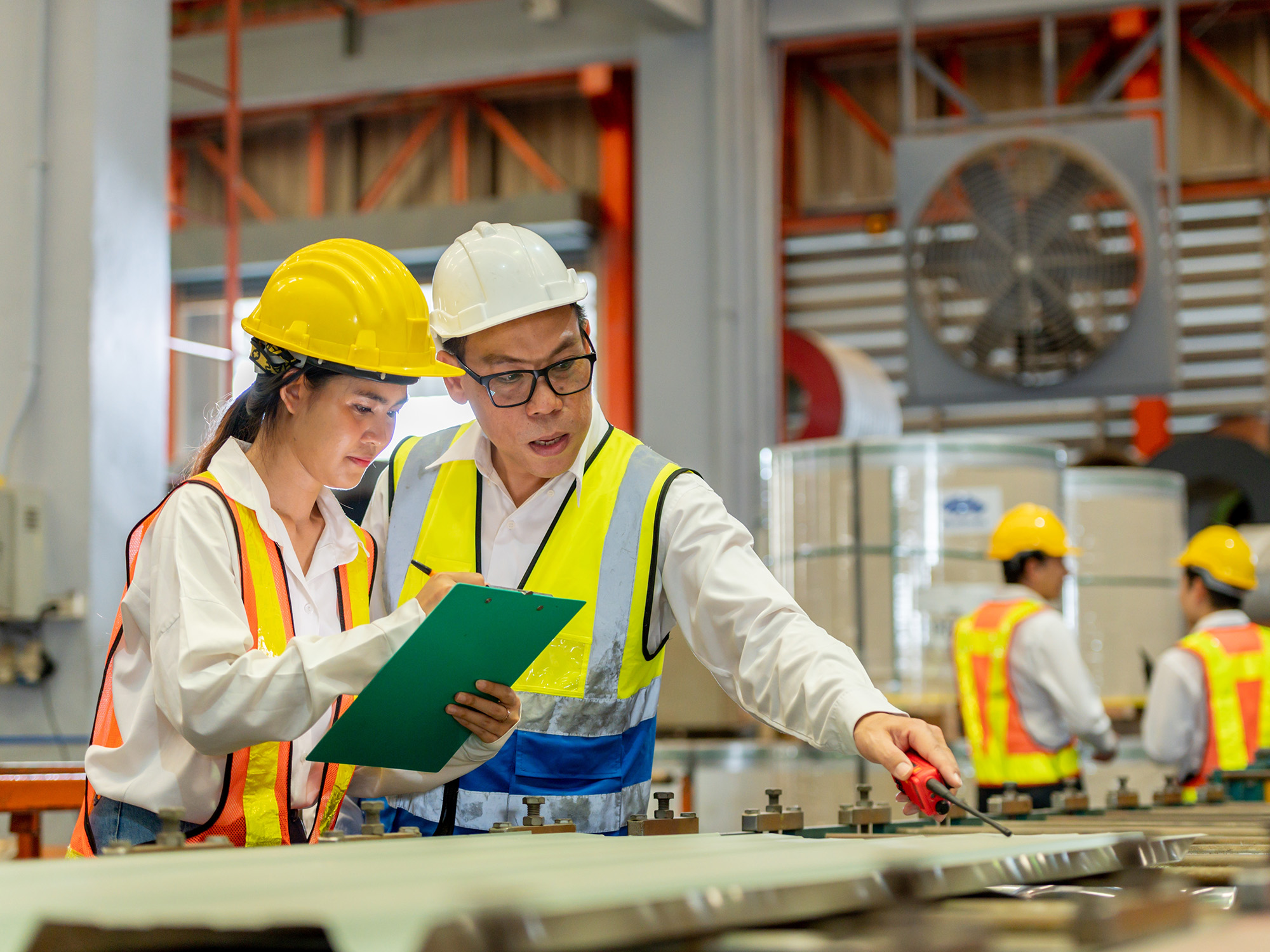
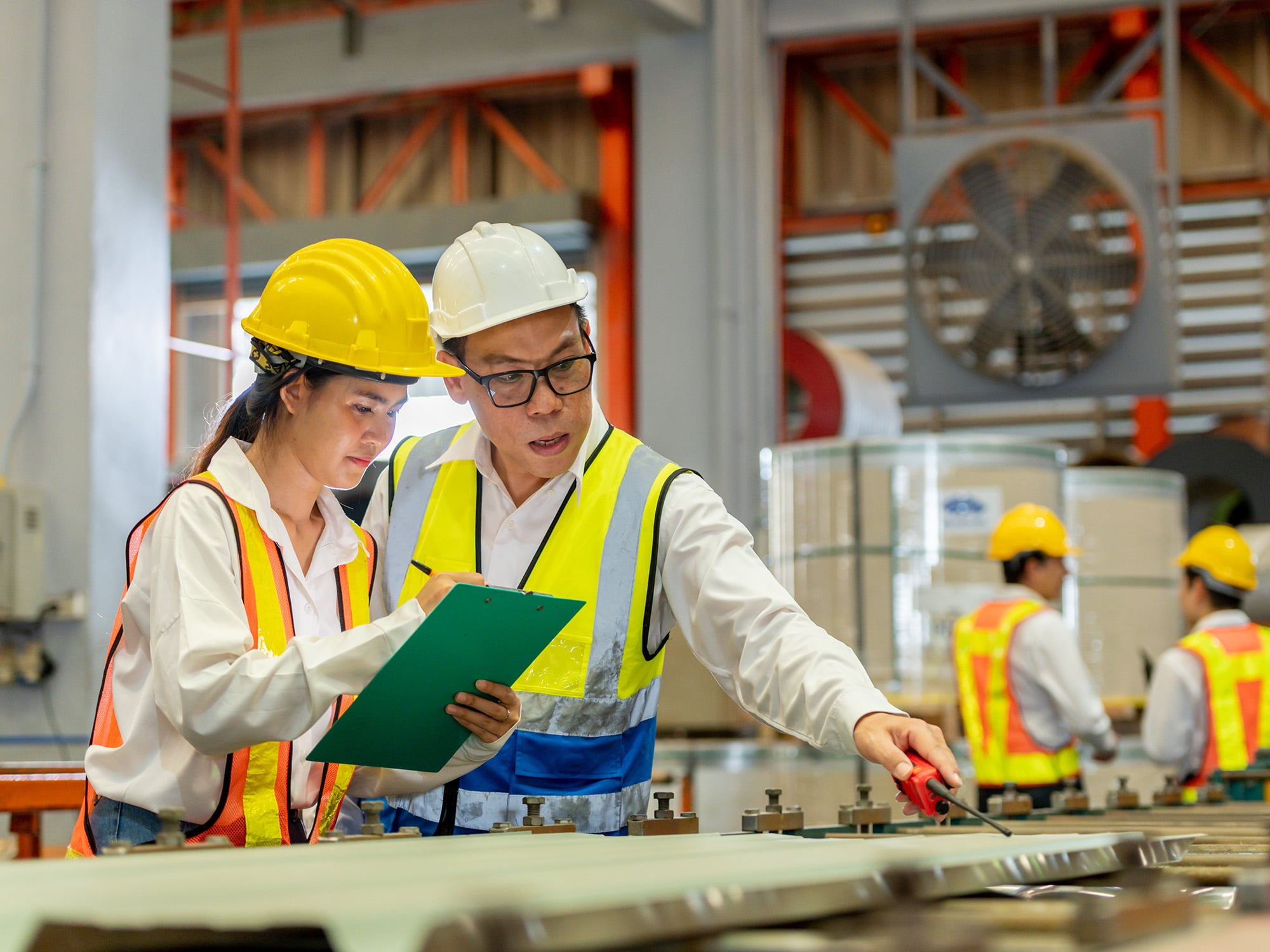
With manufacturing as the central pillar of the real economy, China is leveraging its status as the world’s largest manufacturing base to rank top the global market share in sectors such as new energy vehicle production and sales, shipbuilding, and marine engineering equipment. Maintain this advantage by ensuring a reasonable proportion of manufacturing in the economy is a clear policy objective of the Central Government. For example, Guangdong’s 14th Five-Year Plan for manufacturing explicitly stated that the manufacturing industry’s added value should remain above 30% of Guangdong Province’s total GDP by 2025. The Greater Bay Area (GBA) is a key region for implementing the national manufacturing strategies with its competitive advantages in the synergistic development in manufacturing.
Complementarity and Clear Positioning of GBA Cities in Manufacturing Chain
According to the “Our Hong Kong Foundation–Dah Sing Bank Greater Bay Area Industry Development Index 2024” (the Index), among the six key industries, namely financial services, innovation and technology, trade and logistics, manufacturing, construction and real estate, and culture, sports and tourism, the manufacturing industry has shown a particularly high degree of complementarity, with the GBA cities strategically positioned to form a cohesive industrial chain, achieving efficient synergies at all stages from research and development (R&D) to production and marketing, and from upstream to downstream.
Shenzhen has stood out prominently in “R&D Environment”, with industrial enterprises investing more than RMB 150 billion in R&D, accounting for 48% of the total in the GBA. It is also home to nearly 40% of the R&D personnel in the GBA. Thanks to the significant R&D investment and personnel, Shenzhen has gained the largest number of new manufacturing patents in the region. Meanwhile, sufficient innovative impetus has been given to the upstream industry.
In the midstream segment, Guangzhou, Foshan, and Dongguan have excelled “Traditional Manufacturing” with promising production capabilities. Guangzhou, for instance, has led the GBA with its gross industrial output value and workforce in the industry. In 2023, the city’s automobile production reached 3.18 million vehicles, ranking first in China for five consecutive years. Building on its traditional strength, Guangzhou is actively promoting the development of new energy vehicle manufacturing. It has attracted leading companies such as XPeng Motors and GAC Aion. Meanwhile, Foshan’s home appliance manufacturing is also proactively upgrading. As an illustration, Midea Group’s air-conditioner and microwave oven factories have been recognised as the global advanced “Lighthouse Factories”. These traditional manufacturing cities are actively introducing advanced production equipment and management systems to enhance productivity. Despite their differing industrial strengths, the cities are progressively transitioning from traditional manufacturing to modern manufacturing.
While Hong Kong does is not have a long-standing tradition of manufacturing, it has a long history of close economic collaboration with the Mainland. Since the reform and opening-up, bilateral trade have generated vibrant development prospects. Hong Kong has provided the Mainland, especially Shenzhen, with capital, technology, equipment, and talent, establishing a distinctive “front shop, back factory” collaboration model. Currrently, there are over 20,000 Hong Kong-funded manufacturing enterprises in the nine GBA Mainland cities, with businesses and investments spreading across. With accumulated registered capital in the hundreds of billions of Hong Kong dollars, these enterprises have significantly contributed to Mainland economic development and continue to have been connecting the Mainland with the international market.
In recent years, although Hong Kong’s manufacturing industry has accounted for a relatively small share of local GDP, its role in the GBA manufacturing system is indispensable. Hong Kong exhibits particular strength in the “Downstream Manufacturing”, with 950 testing, inspection, and certification institutions, accounting for 15% of the GBA total. Moreover, Hong Kong’s testing and certification services enjoy high international recognition from 117 economies and 123 accreditation bodies. The provision of high-quality QA technical services, the application of international standards, and the growing recognition thereof ensure a strong guarantee for the downstream development and services of the GBA’s manufacturing industry.
Hong Kong’s New Manufacturing Direction: Internal High-Tech Transformation and External Service Improvement
Looking ahead, Hong Kong’s manufacturing industry has two major directions, which are supporting local industry development and empowering more enterprises towards global expansion. For local development, the Government has proposed increasing the manufacturing industry’s contribution to the GDP from 1% to 5%, meaning its value added is expected to rise from HKD 28 billion to above HKD 140 billion. The implication is that the local manufacturing industry should achieve the goal by further embracing high technology in pursuance of high-end manufacturing through “Industry 4.0”, which focuses on automation and smart solutions.
The “Industry 4.0” utilises Internet-of-Things (IoT) technology to collect and analyse data such as order details, logistics conditions, and material inventories, achieving a seamless production process by flexibly allocating materials and equipment. Digitalised and fully automated production systems can effectively reduce labour, warehousing, and land costs, addressing the challenges faced by Hong Kong’s manufacturing industry. Furthermore, this strategic direction likely facilitates customised manufacture to satisfy diverse market requirements, and thus resolving the issue of elevated demand for styles and diminished production. The direction is in line with the Government’s policy objectives and the survey results of the Index, which revealed that Hong Kong manufacturing enterprises identified the greatest opportunities for the industry as green manufacturing and sustainable development (50%), digitalisation (46%), and innovative materials application (36%).
Moreover, Hong Kong should leverage its international positioning to strengthen downstream manufacturing services and increase “external” services. With the rapid advancements in technology, industrial R&D, and technical talent in the Mainland, Hong Kong needs to reinforce its role as an international bridge, assisting more GBA enterprises in global expansion. Through enhancing its quality assurance and technical services capabilities and strengthening its international services, Hong Kong can fully capitalise on its international connectivity to provide greater support and assistance to Mainland brands seeking to enter global markets. In the context of the textile industry, Hong Kong’s role is to ensure that the products comply with international standards, including adjustments in size, materials, and labelling. Assistance can also be provided for the alignment with various international carbon reduction or green standards. For instance, for products entering the European Union market, Hong Kong can facilitate their purchase of Carbon Border Adjustment Mechanism (CBAM) certificates, ensuring that their carbon emission costs correspond that of the EU ones. By leveraging Hong Kong’s platform, the enterprises can guarantee that their products adhere to safety, quality, and regulatory requirements, and thus facilitating smoother entry into the global market.
In short, thanks to each city’s unique positioning in the GBA, complementarity and synergic development have been established across the entire manufacturing industry chain. Looking forward, to assist the GBA manufacturing industry in global expansion, Hong Kong should accelerate the promotion of high-tech and intelligent manufacturing and foster its downstream international connectivity role. Beyond aligning with the Government’s objectives of increasing the GDP share of the manufacturing industry, the competitiveness of the entire industrial chain can be enhanced. As industrial synergies in the GBA continue to deepen, Hong Kong is poised to play an irreplaceable role in high-end manufacturing and international connectivity.


The source text is in Chinese. This English version is for reference only. In case of any discrepancy between this English version and the Chinese version, the Chinese version shall prevail.
With manufacturing as the central pillar of the real economy, China is leveraging its status as the world’s largest manufacturing base to rank top the global market share in sectors such as new energy vehicle production and sales, shipbuilding, and marine engineering equipment. Maintain this advantage by ensuring a reasonable proportion of manufacturing in the economy is a clear policy objective of the Central Government. For example, Guangdong’s 14th Five-Year Plan for manufacturing explicitly stated that the manufacturing industry’s added value should remain above 30% of Guangdong Province’s total GDP by 2025. The Greater Bay Area (GBA) is a key region for implementing the national manufacturing strategies with its competitive advantages in the synergistic development in manufacturing.
Complementarity and Clear Positioning of GBA Cities in Manufacturing Chain
According to the “Our Hong Kong Foundation–Dah Sing Bank Greater Bay Area Industry Development Index 2024” (the Index), among the six key industries, namely financial services, innovation and technology, trade and logistics, manufacturing, construction and real estate, and culture, sports and tourism, the manufacturing industry has shown a particularly high degree of complementarity, with the GBA cities strategically positioned to form a cohesive industrial chain, achieving efficient synergies at all stages from research and development (R&D) to production and marketing, and from upstream to downstream.
Shenzhen has stood out prominently in “R&D Environment”, with industrial enterprises investing more than RMB 150 billion in R&D, accounting for 48% of the total in the GBA. It is also home to nearly 40% of the R&D personnel in the GBA. Thanks to the significant R&D investment and personnel, Shenzhen has gained the largest number of new manufacturing patents in the region. Meanwhile, sufficient innovative impetus has been given to the upstream industry.
In the midstream segment, Guangzhou, Foshan, and Dongguan have excelled “Traditional Manufacturing” with promising production capabilities. Guangzhou, for instance, has led the GBA with its gross industrial output value and workforce in the industry. In 2023, the city’s automobile production reached 3.18 million vehicles, ranking first in China for five consecutive years. Building on its traditional strength, Guangzhou is actively promoting the development of new energy vehicle manufacturing. It has attracted leading companies such as XPeng Motors and GAC Aion. Meanwhile, Foshan’s home appliance manufacturing is also proactively upgrading. As an illustration, Midea Group’s air-conditioner and microwave oven factories have been recognised as the global advanced “Lighthouse Factories”. These traditional manufacturing cities are actively introducing advanced production equipment and management systems to enhance productivity. Despite their differing industrial strengths, the cities are progressively transitioning from traditional manufacturing to modern manufacturing.
While Hong Kong does is not have a long-standing tradition of manufacturing, it has a long history of close economic collaboration with the Mainland. Since the reform and opening-up, bilateral trade have generated vibrant development prospects. Hong Kong has provided the Mainland, especially Shenzhen, with capital, technology, equipment, and talent, establishing a distinctive “front shop, back factory” collaboration model. Currrently, there are over 20,000 Hong Kong-funded manufacturing enterprises in the nine GBA Mainland cities, with businesses and investments spreading across. With accumulated registered capital in the hundreds of billions of Hong Kong dollars, these enterprises have significantly contributed to Mainland economic development and continue to have been connecting the Mainland with the international market.
In recent years, although Hong Kong’s manufacturing industry has accounted for a relatively small share of local GDP, its role in the GBA manufacturing system is indispensable. Hong Kong exhibits particular strength in the “Downstream Manufacturing”, with 950 testing, inspection, and certification institutions, accounting for 15% of the GBA total. Moreover, Hong Kong’s testing and certification services enjoy high international recognition from 117 economies and 123 accreditation bodies. The provision of high-quality QA technical services, the application of international standards, and the growing recognition thereof ensure a strong guarantee for the downstream development and services of the GBA’s manufacturing industry.
Hong Kong’s New Manufacturing Direction: Internal High-Tech Transformation and External Service Improvement
Looking ahead, Hong Kong’s manufacturing industry has two major directions, which are supporting local industry development and empowering more enterprises towards global expansion. For local development, the Government has proposed increasing the manufacturing industry’s contribution to the GDP from 1% to 5%, meaning its value added is expected to rise from HKD 28 billion to above HKD 140 billion. The implication is that the local manufacturing industry should achieve the goal by further embracing high technology in pursuance of high-end manufacturing through “Industry 4.0”, which focuses on automation and smart solutions.
The “Industry 4.0” utilises Internet-of-Things (IoT) technology to collect and analyse data such as order details, logistics conditions, and material inventories, achieving a seamless production process by flexibly allocating materials and equipment. Digitalised and fully automated production systems can effectively reduce labour, warehousing, and land costs, addressing the challenges faced by Hong Kong’s manufacturing industry. Furthermore, this strategic direction likely facilitates customised manufacture to satisfy diverse market requirements, and thus resolving the issue of elevated demand for styles and diminished production. The direction is in line with the Government’s policy objectives and the survey results of the Index, which revealed that Hong Kong manufacturing enterprises identified the greatest opportunities for the industry as green manufacturing and sustainable development (50%), digitalisation (46%), and innovative materials application (36%).
Moreover, Hong Kong should leverage its international positioning to strengthen downstream manufacturing services and increase “external” services. With the rapid advancements in technology, industrial R&D, and technical talent in the Mainland, Hong Kong needs to reinforce its role as an international bridge, assisting more GBA enterprises in global expansion. Through enhancing its quality assurance and technical services capabilities and strengthening its international services, Hong Kong can fully capitalise on its international connectivity to provide greater support and assistance to Mainland brands seeking to enter global markets. In the context of the textile industry, Hong Kong’s role is to ensure that the products comply with international standards, including adjustments in size, materials, and labelling. Assistance can also be provided for the alignment with various international carbon reduction or green standards. For instance, for products entering the European Union market, Hong Kong can facilitate their purchase of Carbon Border Adjustment Mechanism (CBAM) certificates, ensuring that their carbon emission costs correspond that of the EU ones. By leveraging Hong Kong’s platform, the enterprises can guarantee that their products adhere to safety, quality, and regulatory requirements, and thus facilitating smoother entry into the global market.
In short, thanks to each city’s unique positioning in the GBA, complementarity and synergic development have been established across the entire manufacturing industry chain. Looking forward, to assist the GBA manufacturing industry in global expansion, Hong Kong should accelerate the promotion of high-tech and intelligent manufacturing and foster its downstream international connectivity role. Beyond aligning with the Government’s objectives of increasing the GDP share of the manufacturing industry, the competitiveness of the entire industrial chain can be enhanced. As industrial synergies in the GBA continue to deepen, Hong Kong is poised to play an irreplaceable role in high-end manufacturing and international connectivity.