





Our Hong Kong Foundation–Dah Sing Bank Greater Bay Area Industry Development Index 2025: Hong Kong’s Three Leading Industries Continue to Outperform; Two New Themes Unveil Fresh Potential




Our Hong Kong Foundation–Dah Sing Bank Greater Bay Area Industry Development Index 2025: Hong Kong’s Three Leading Industries Continue to Outperform; Two New Themes Unveil Fresh Potential

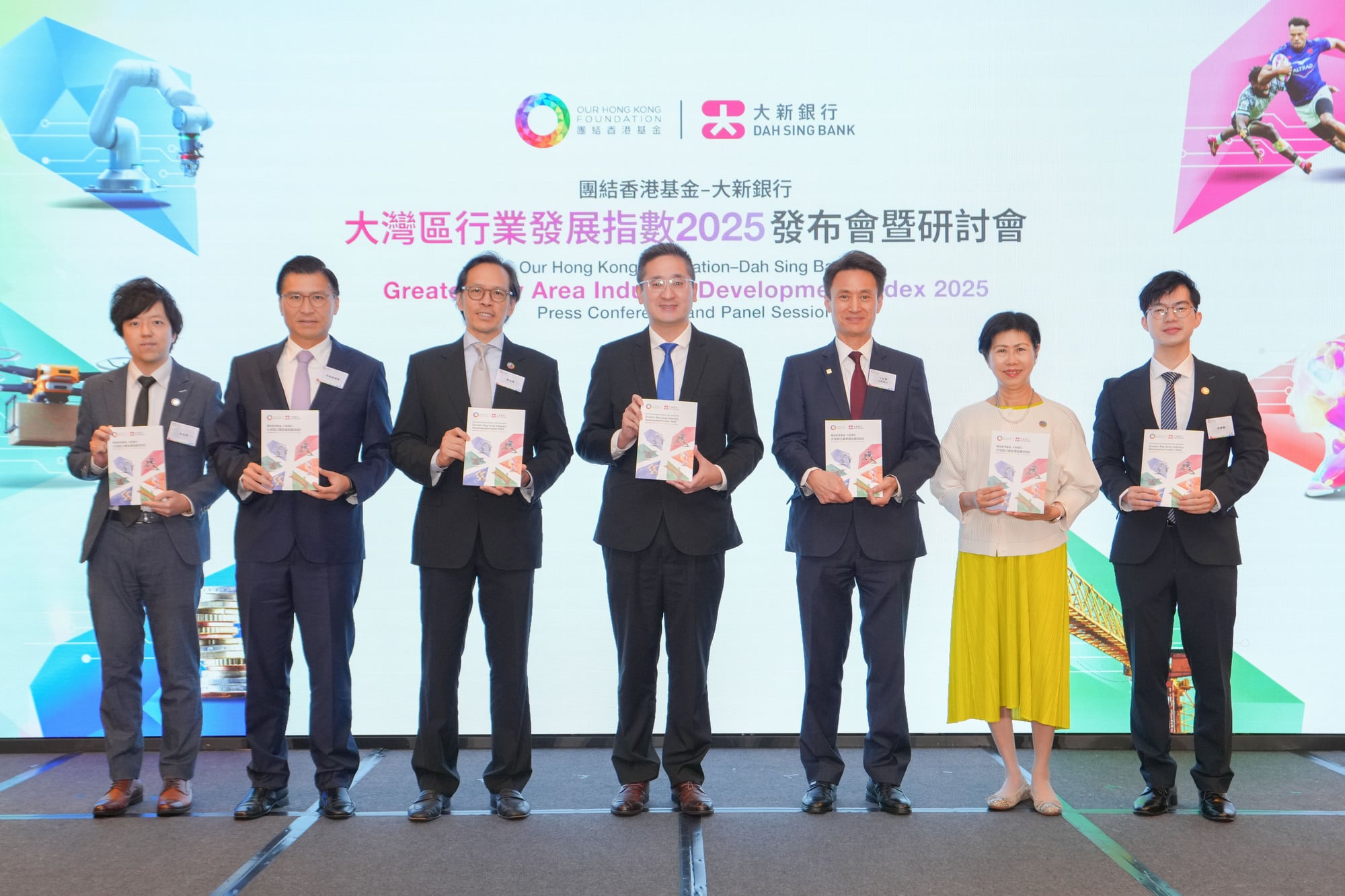
(21 October 2025) Our Hong Kong Foundation (OHKF) and Dah Sing Bank, Limited (Dah Sing Bank) jointly released the “Our Hong Kong Foundation–Dah Sing Bank Greater Bay Area Industry Development Index 2025” (“the Index”).
The Index continues to comprehensively analyse the performance of the 11 cities across 6 key industries in the Greater Bay Area (GBA) – Financial Services, Innovation & Technology (I&T), Trade & Logistics, Manufacturing, Construction & Real Estate, and Culture, Sports & Tourism. With the rapid development of artificial intelligence (AI) in recent years, AI application has become key to enhancing production efficiency and now serves as a core engine driving industrial upgrades and the development of new quality productive forces in the region. At the same time, amidst intensifying market competition, an increasing number of GBA enterprises are looking overseas in search of new growth opportunities. In view of these trends, the Index has introduced two new themes, AI and Going Global, to explore challenges faced by enterprises and their strategies. The Index also puts forward targeted policy recommendations to the Government.
Integrating both quantitative and qualitative approaches to evaluate industry performance, the Index examined over 120 statistical indicators, processed 1,300 data points, and surveyed more than 3,400 GBA enterprises, offering diverse insights. The year-on-year growth rate of the six key industries in the GBA accelerated from 4.9% last year to 7.1% this year. The Innovation & Technology (I&T) industry has become the leading growth driver (+14.8%), while Manufacturing continues its transformation towards smart production with robust growth (+8.1%). The decline in Construction & Real Estate has eased from -2.9% last year to -0.4%, while other industries show steady progress.
Hong Kong’s three leading industries continue to lead
Hong Kong ranks first in 3 key industries, namely Financial Services, Trade & Logistics, and Culture, Sports & Tourism.
Financial Services – Hong Kong ranks first with a score of 85.6. It significantly outpaces second-placed Shenzhen by nearly 10 points, while recording a year-on-year growth of 6.2%. Hong Kong’s initial public offering (IPO) market staged a spectacular recovery in the first half of the year, surpassing global peers. The stock market witnessed robust trading activity throughout the year, with average daily turnover reaching HKD 240 billion in the first half—a sharp year-on-year increase of over 100% and a historic high. The implementation of the Stablecoin Ordinance in August positioned Hong Kong as one of the world’s first jurisdictions to introduce a regulatory framework for stablecoins, underscoring its determination to build a digital finance hub.
Trade and Logistics – Hong Kong maintained its strategic hub status with a score of 82.5 points, while Guangzhou ranked second. Although Hong Kong’s maritime import and export value has weakened over the past decade, the rise in air freight imports and exports has sufficiently offset the decline in maritime trade. Overall import and export value has continued to grow, except during the pandemic period. The latest figures show that Hong Kong’s trade value has reached a new high since 2021, approaching HKD 9.5 trillion, consistently more than double that of second-ranked Shenzhen. Although ongoing geopolitical tensions and tariff-related trade conflicts are likely to create persistent uncertainty, the rapid growth of the low-altitude economy and emerging technologies such as autonomous vehicles and drones present new opportunities for the industry.
Culture, Sports and Tourism – Hong Kong ranks first in the GBA once again with a score of 79.3 points, edging out Guangzhou by a fine margin. Hong Kong has also achieved significant milestones in “Infrastructure”, headlined by the Kai Tak Sports Park, which was inaugurated this March. As at mid-September, more than 30 sports events and concerts had been held at the venue. In terms of “Economic Contribution”, the value added by Hong Kong’s CST industry has ranked first for 2 years in a row, growing by 13% annually. With new sports infrastructure in place, Hong Kong’s mega event economy is poised to gain further momentum.
Shenzhen and Guangzhou maintain top positions in innovation and manufacturing
Hong Kong's construction and real estate industries show signs of improvement
Among the remaining three industries, Hong Kong ranked third in I&T, while Shenzhen and Guangzhou remained first and second, respectively, for the second consecutive year. Their enhanced research capabilities and the expanding scale of emerging industries lifted sector growth to 14.8%, the highest among all sectors. Driven by government subsidies to encourage the adoption of industrial AI and automation, the growth of GBA Manufacturing accelerated from 5.0 % to 8.1%, with Shenzhen and Guangzhou maintaining their lead. For Construction & Real Estate, Hong Kong moved up one spot to second, as Guangzhou continued to lead the rankings. Despite the industry still recording negative growth, Hong Kong's first-hand private residential transaction volume has rebounded compared to the period before the "withdrawal of harsh measures".
Confidence Index – Generally optimistic for the year ahead
This year’s “Confidence Index” reveals that the current (2025) and future (2026) scores for the composite of six key industries in the GBA are 55.5 and 57.3, respectively. Both figures have risen by approximately 5 points compared to last year and stand above the neutral 50 threshold. The data reflects a positive attitude among enterprises towards current industry development and a generally optimistic outlook for the year ahead. Benefiting from breakthroughs in national AI technology and supportive policies, Innovation and Technology showed the most optimism, while the Trade & Logistics industry held the most conservative stance among the six industries due to looming concerns about the trade war.
Extensive AI applications across industries yet three challenges remain
Survey results show that 94.5% of respondent enterprises (including those in HK) and 91.8% of Hong Kong-based respondent enterprises have adopted AI technologies to reduce costs, enhance efficiency, or create new income streams. Nevertheless, they still face three major challenges: talent shortage, data security concerns, and lack of suitable AI services. Three major suggestions were proposed to the HKSAR government on how to enhance AI application in Hong Kong:
Talent development – The Policy Address 2025 proposed establishing an “AI Literacy” learning framework for primary and secondary schools, which may include elements such as critical thinking, privacy protection, and ethics. Tertiary institutions should incorporate AI studies into general or compulsory curricula so that students acquire basic literacy and early industry exposure, thereby strengthening practical skills.
Data security and circulation – Enterprises should formulate codes of conduct for AI applications to minimise data‑leakage risks caused by human error. At the same time, promoting cross‑border data flow will help widen AI model training and stimulate stronger, more innovative applications.
Public AI platforms – The government should assess demand across sectors for shared public-service AI platforms and co‑ordinate data integration if necessary, especially in strategically important industries where digitalisation remains limited, like the Tourism industry.
Hong Kong must provide end to end value for enterprises going global and overcome the finance only stereotype
According to the survey, more than half of the respondents (including those in Hong Kong) would like to expand overseas, particularly those in I&T, Trade & Logistics, and Manufacturing industries. They are eager to seek new growth engines amidst fierce competition.
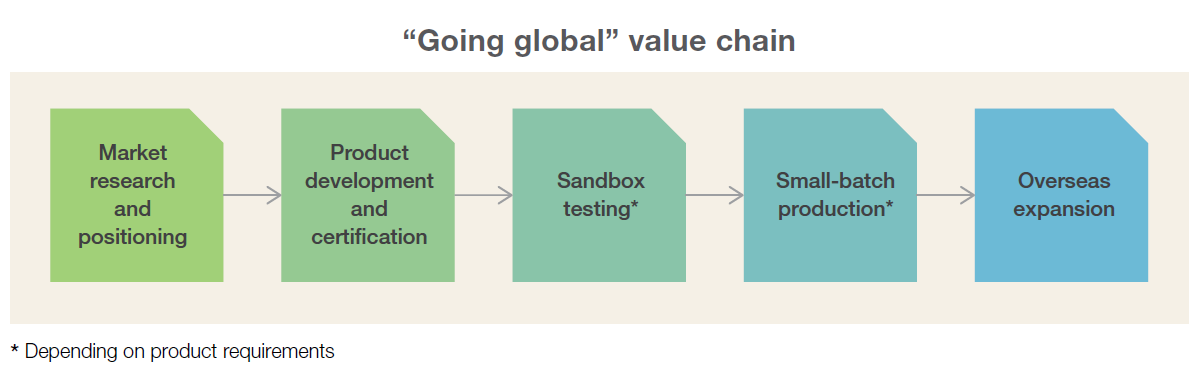
Hong Kong should consolidate its strengths and establish a comprehensive “going global value chain” (Figure 1) that delivers end-to-end services to capitalise on opportunities for enterprises going global. The city is home to world class market research agencies and internationally accredited testing bodies that can provide market analyses, product development, and certification services. Hong Kong can also offer sandbox testing environments and small batch manufacturing for high tech products. The HKSAR Government needs to proactively showcase Hong Kong’s role along this value chain to Mainland enterprises. Hong Kong can address their diverse service needs for global expansion and help them capitalise on international market opportunities.
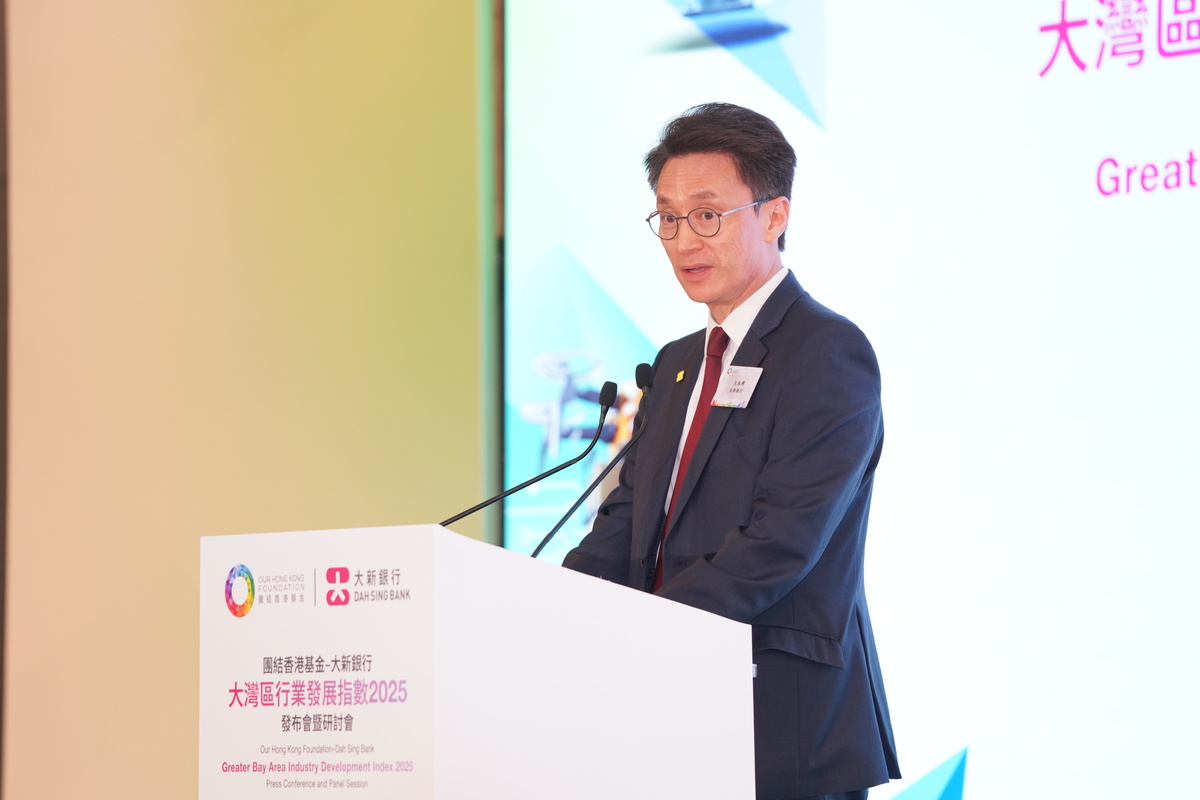
The Acting Secretary for Commerce and Economic Development Dr Bernard Chan expressed gratitude to Our Hong Kong Foundation for its sustained focus and research on the development of the Greater Bay Area, providing valuable reference points for enterprises, and facilitating stakeholders in seizing the trends and opportunities of regional development. He stated, "The Index focuses on the themes of ‘AI application’ and ‘going global’ this year, closely aligning with the Policy Address delivered by the Chief Executive last month. ‘AI application’ and ‘going global’ are not merely two industrial topics; they represent strategic breakthroughs in promoting the high-quality development of Hong Kong and the Greater Bay Area. By integrating policy guidance with market forces, we are well-positioned to amplify these two strengths, creating a broader platform for enterprises, talent, and capital."
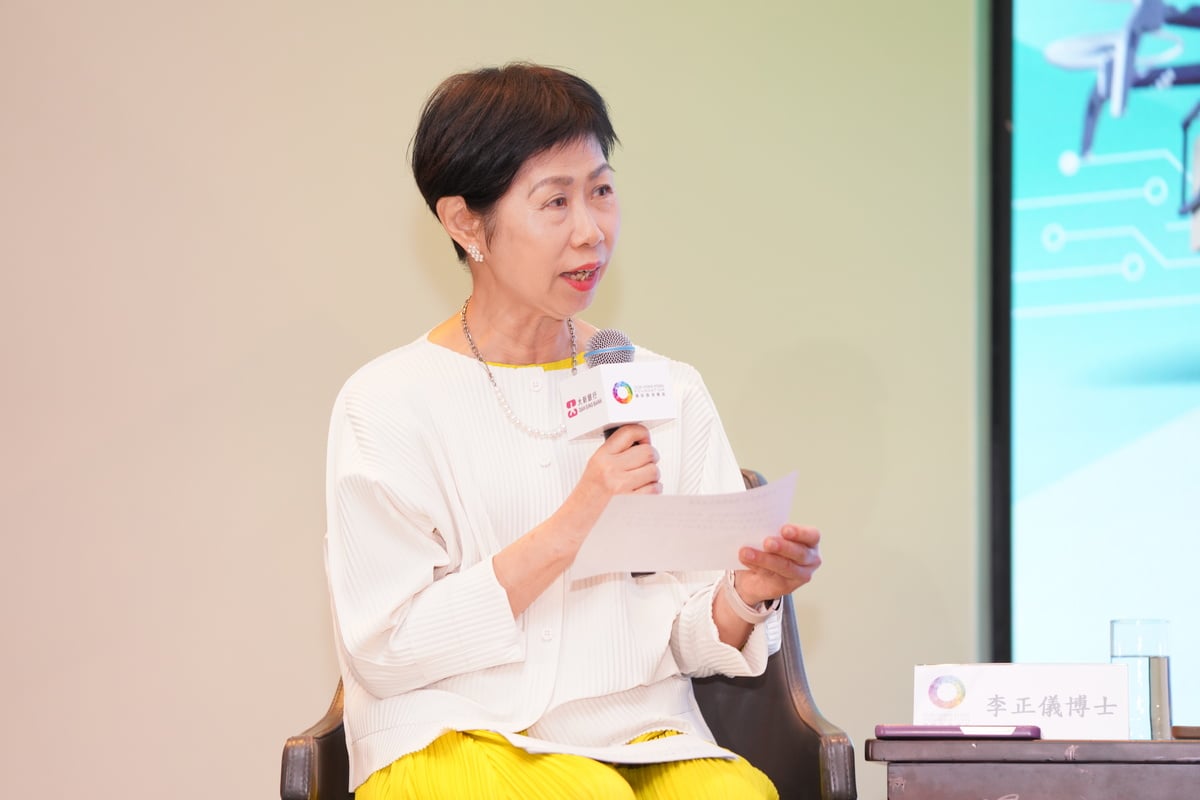
Our Hong Kong Foundation President Dr Jane Lee expressed gratitude for the collaboration with Dah Sing Bank and its support for the Foundation. Dr Lee pointed out, "Under the leadership of the innovation and technology sector, the overall growth momentum of the six key industries in the Greater Bay Area has accelerated, demonstrating that innovation has become the core engine of regional development. As cities in the Greater Bay Area, such as Hong Kong, Shenzhen, and Guangzhou, deepen their cooperation and jointly build an innovation-driven industrial ecosystem, the region is entering a new phase of upgrading and transformation, ushering in sustainable development opportunities."
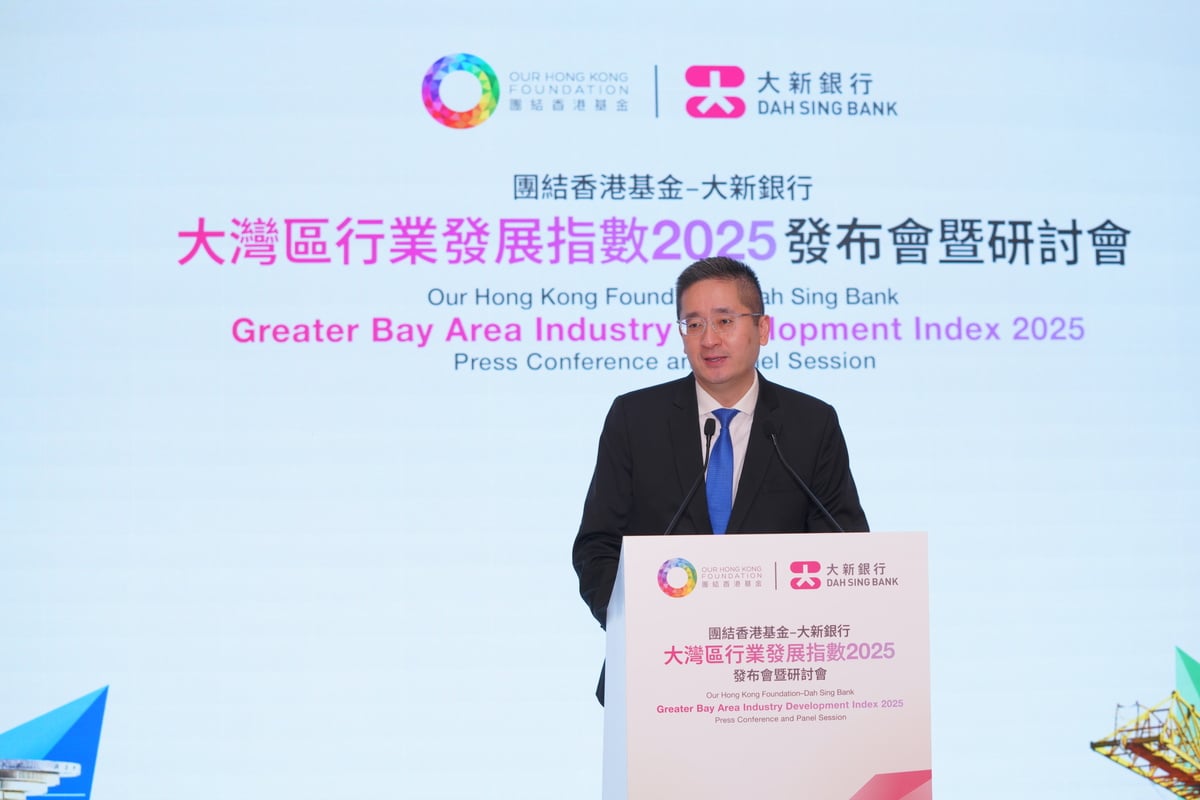
Dah Sing Bank Vice Chairman, Managing Director and Chief Executive Mr Harold Wong said, "With a strong commitment to growing alongside our customers in Hong Kong and the Greater Bay Area (GBA), Dah Sing Bank is dedicated to creating tailored value that meets the unique needs and opportunities of our customers. We are excited to be the sole title sponsor for the GBA Industry Development Index once again in 2025. The in-depth analysis generated will give businesses a chance to explore emerging cross-border market trends and understand the requirements of corporations as well as small and medium enterprises in the GBA. This year’s dual-theme to explore the transformative potential of artificial intelligence and the role of Hong Kong bringing enterprises to go global is timely, providing key highlights for businesses to make forward-looking and strategic decisions."
Our Hong Kong Foundation Vice President and Public Policy Institute Executive Director Mr Kenny Shui said, "Nearly 80% of surveyed enterprises (79.6%) agree that AI is key to driving transformation and upgrading. AI-empowered technologies — from driverless vehicles and robotics to generative AI tools — can help industries enhance efficiency, reduce costs, and even open new revenue streams. To further advance the integration of AI into industry, the Government should focus on strengthening AI literacy across the workforce, promoting the smooth flow of regional data, and developing public-service AI platforms so that businesses in all sectors can fully benefit from technological advances in AI."
Our Hong Kong Foundation Head of Greater Bay Area Development Mr Alex Mak added "In recent years, GBA enterprises have actively expanded into overseas markets, making internationalisation a key development strategy. The primary destinations are emerging markets with significant potential, including Southeast Asia (34.8%) and the Middle East (16.6%), which have higher proportions compared to traditional markets in Europe and the Americas (each around 12 to 13%). Beyond its traditional advantages in finance and law, Hong Kong can provide true end-to-end support — from market positioning to small batch production — to fulfil the comprehensive needs of enterprises."
-
Our Hong Kong Foundation–Dah Sing Bank Greater Bay Area Industry Development Index 2025
Full Report: https://bit.ly/43k4E2i
PowerPoint Slides: https://bit.ly/472yQ4k
Overview (Fact sheet): https://bit.ly/47yz4Aj

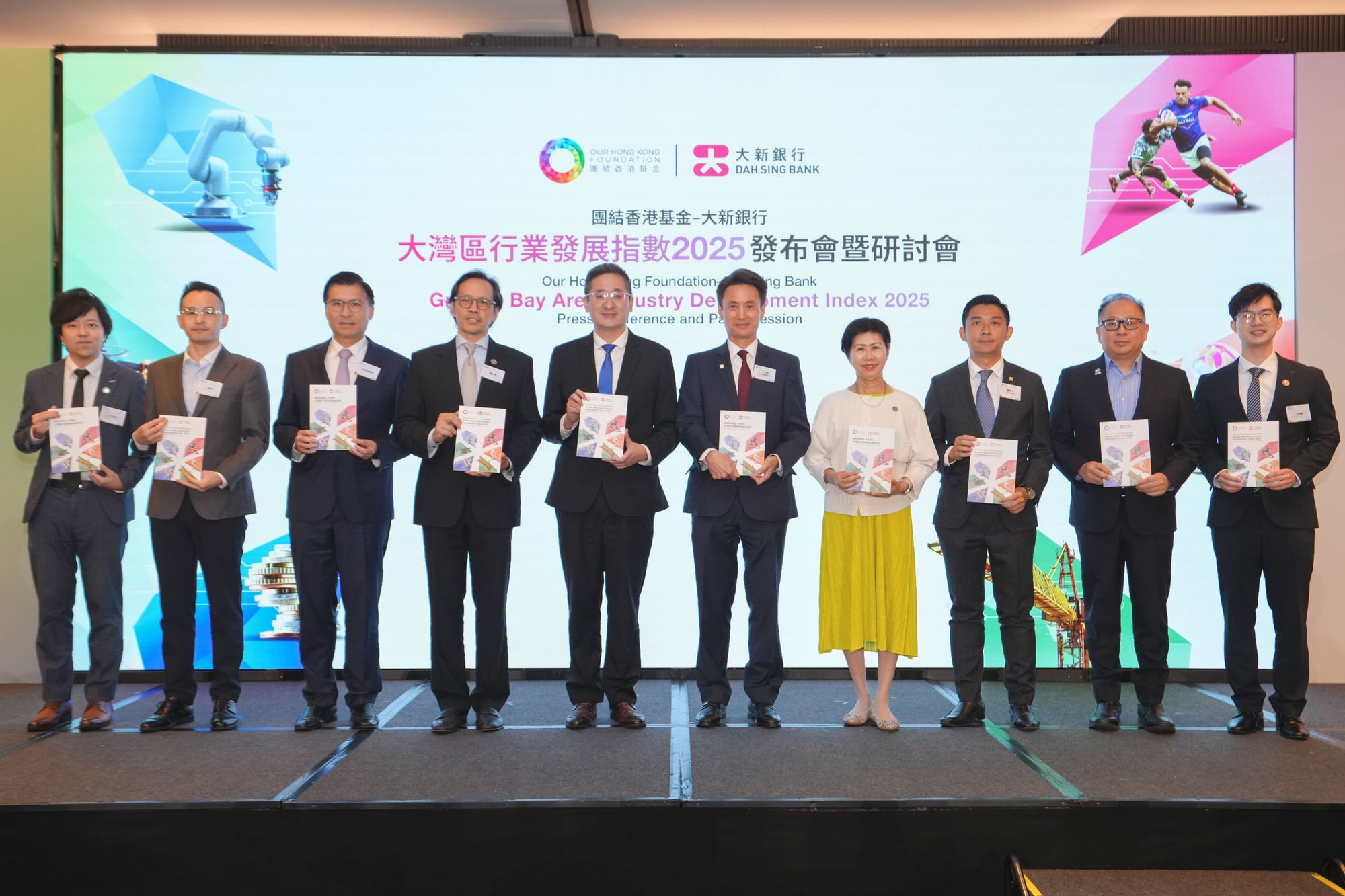
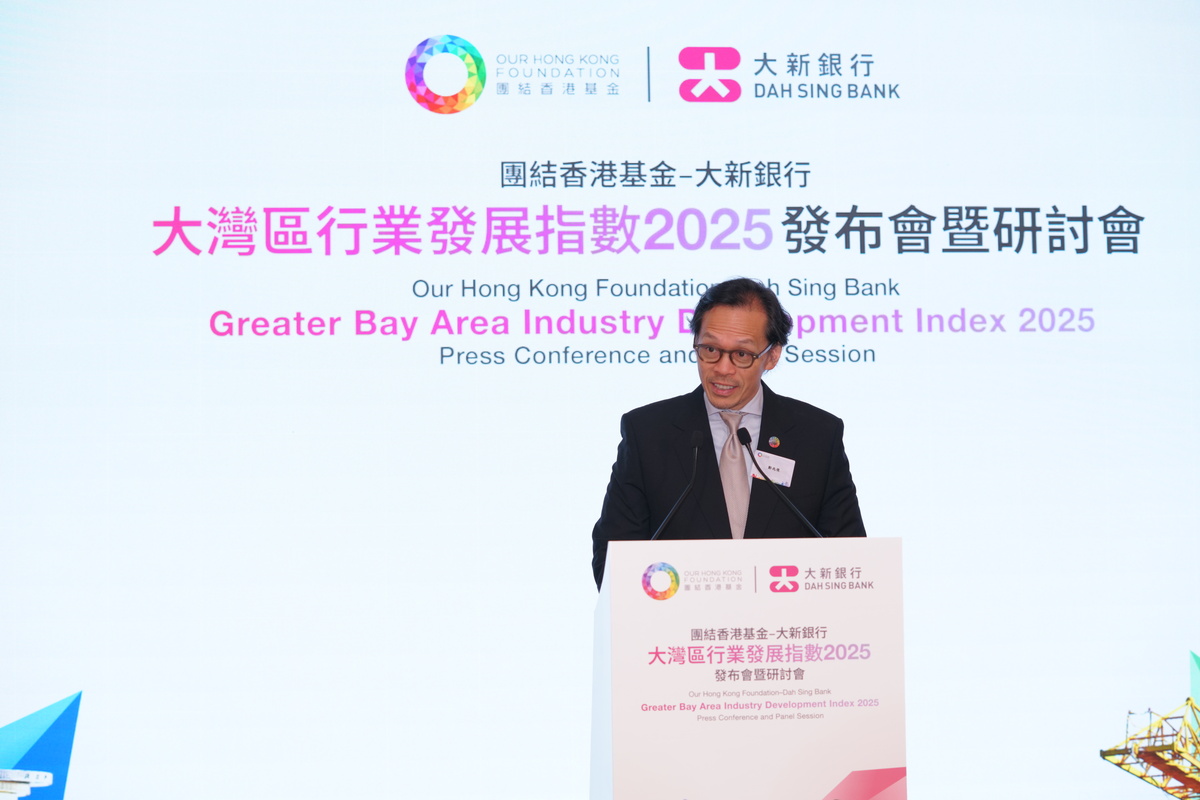
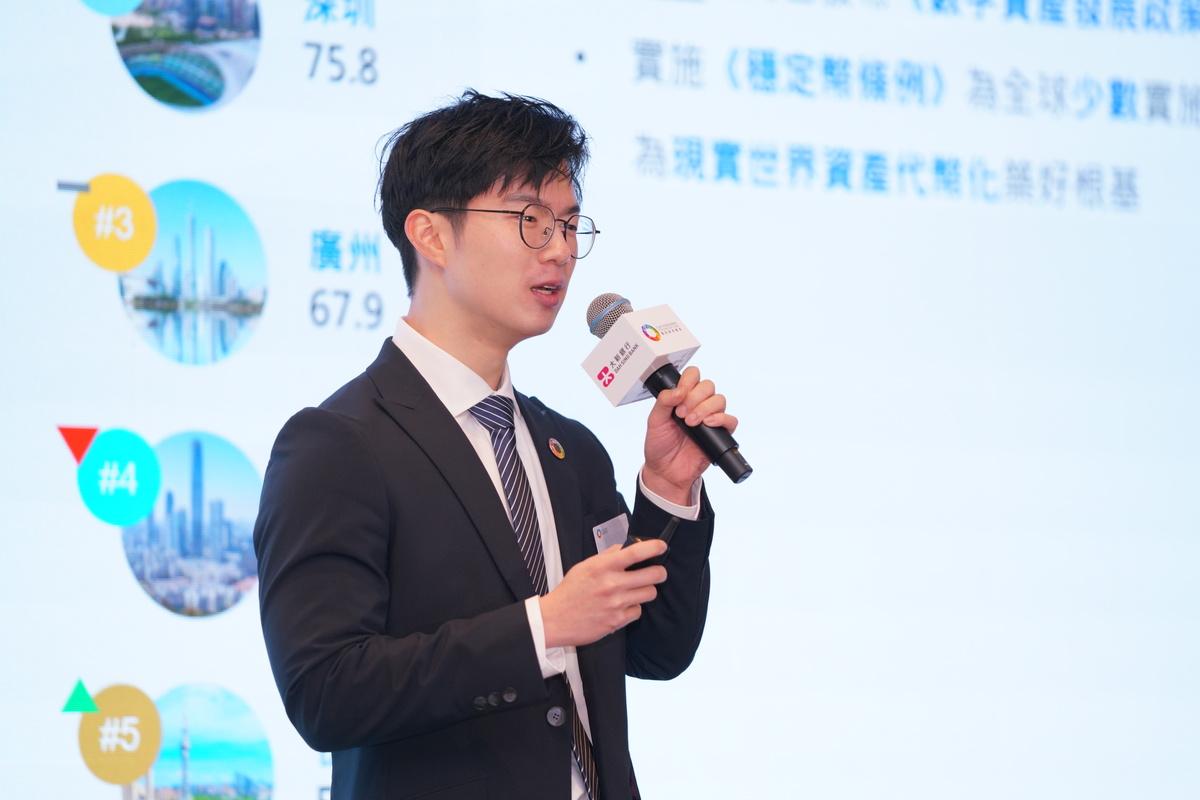
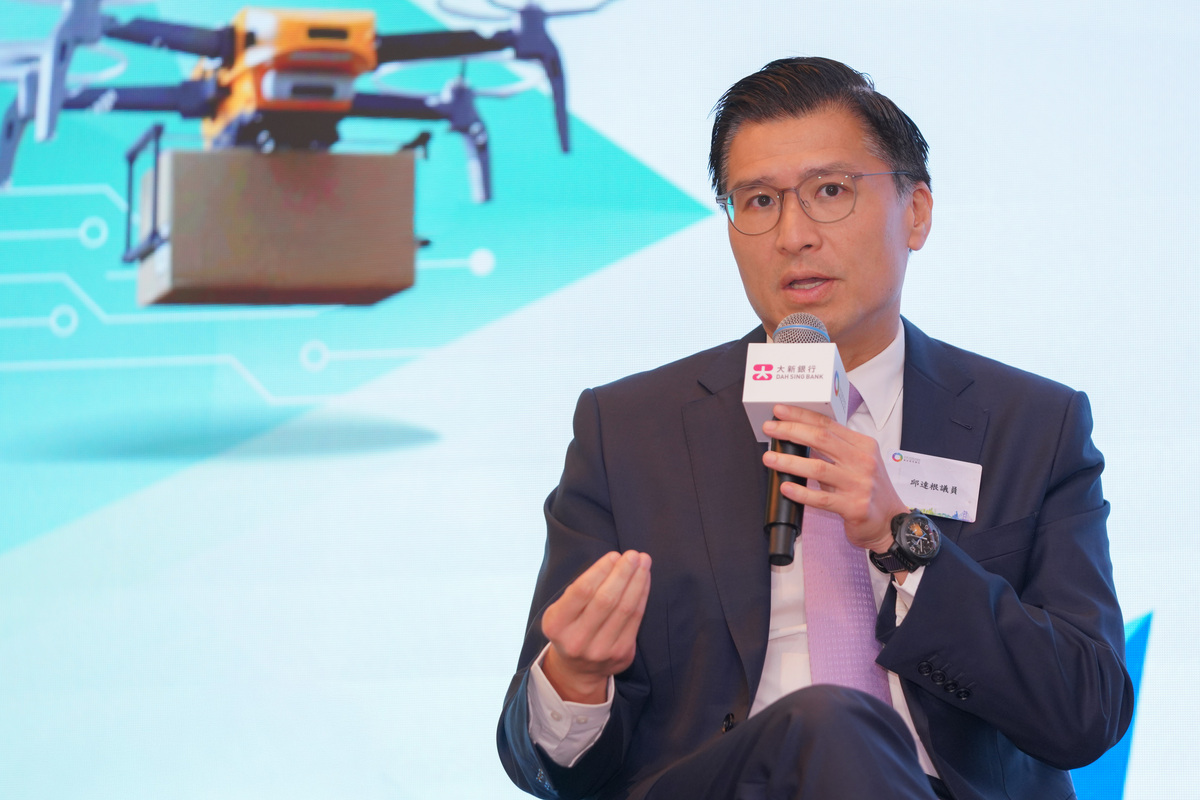


(21 October 2025) Our Hong Kong Foundation (OHKF) and Dah Sing Bank, Limited (Dah Sing Bank) jointly released the “Our Hong Kong Foundation–Dah Sing Bank Greater Bay Area Industry Development Index 2025” (“the Index”).
The Index continues to comprehensively analyse the performance of the 11 cities across 6 key industries in the Greater Bay Area (GBA) – Financial Services, Innovation & Technology (I&T), Trade & Logistics, Manufacturing, Construction & Real Estate, and Culture, Sports & Tourism. With the rapid development of artificial intelligence (AI) in recent years, AI application has become key to enhancing production efficiency and now serves as a core engine driving industrial upgrades and the development of new quality productive forces in the region. At the same time, amidst intensifying market competition, an increasing number of GBA enterprises are looking overseas in search of new growth opportunities. In view of these trends, the Index has introduced two new themes, AI and Going Global, to explore challenges faced by enterprises and their strategies. The Index also puts forward targeted policy recommendations to the Government.
Integrating both quantitative and qualitative approaches to evaluate industry performance, the Index examined over 120 statistical indicators, processed 1,300 data points, and surveyed more than 3,400 GBA enterprises, offering diverse insights. The year-on-year growth rate of the six key industries in the GBA accelerated from 4.9% last year to 7.1% this year. The Innovation & Technology (I&T) industry has become the leading growth driver (+14.8%), while Manufacturing continues its transformation towards smart production with robust growth (+8.1%). The decline in Construction & Real Estate has eased from -2.9% last year to -0.4%, while other industries show steady progress.
Hong Kong’s three leading industries continue to lead
Hong Kong ranks first in 3 key industries, namely Financial Services, Trade & Logistics, and Culture, Sports & Tourism.
Financial Services – Hong Kong ranks first with a score of 85.6. It significantly outpaces second-placed Shenzhen by nearly 10 points, while recording a year-on-year growth of 6.2%. Hong Kong’s initial public offering (IPO) market staged a spectacular recovery in the first half of the year, surpassing global peers. The stock market witnessed robust trading activity throughout the year, with average daily turnover reaching HKD 240 billion in the first half—a sharp year-on-year increase of over 100% and a historic high. The implementation of the Stablecoin Ordinance in August positioned Hong Kong as one of the world’s first jurisdictions to introduce a regulatory framework for stablecoins, underscoring its determination to build a digital finance hub.
Trade and Logistics – Hong Kong maintained its strategic hub status with a score of 82.5 points, while Guangzhou ranked second. Although Hong Kong’s maritime import and export value has weakened over the past decade, the rise in air freight imports and exports has sufficiently offset the decline in maritime trade. Overall import and export value has continued to grow, except during the pandemic period. The latest figures show that Hong Kong’s trade value has reached a new high since 2021, approaching HKD 9.5 trillion, consistently more than double that of second-ranked Shenzhen. Although ongoing geopolitical tensions and tariff-related trade conflicts are likely to create persistent uncertainty, the rapid growth of the low-altitude economy and emerging technologies such as autonomous vehicles and drones present new opportunities for the industry.
Culture, Sports and Tourism – Hong Kong ranks first in the GBA once again with a score of 79.3 points, edging out Guangzhou by a fine margin. Hong Kong has also achieved significant milestones in “Infrastructure”, headlined by the Kai Tak Sports Park, which was inaugurated this March. As at mid-September, more than 30 sports events and concerts had been held at the venue. In terms of “Economic Contribution”, the value added by Hong Kong’s CST industry has ranked first for 2 years in a row, growing by 13% annually. With new sports infrastructure in place, Hong Kong’s mega event economy is poised to gain further momentum.
Shenzhen and Guangzhou maintain top positions in innovation and manufacturing
Hong Kong's construction and real estate industries show signs of improvement
Among the remaining three industries, Hong Kong ranked third in I&T, while Shenzhen and Guangzhou remained first and second, respectively, for the second consecutive year. Their enhanced research capabilities and the expanding scale of emerging industries lifted sector growth to 14.8%, the highest among all sectors. Driven by government subsidies to encourage the adoption of industrial AI and automation, the growth of GBA Manufacturing accelerated from 5.0 % to 8.1%, with Shenzhen and Guangzhou maintaining their lead. For Construction & Real Estate, Hong Kong moved up one spot to second, as Guangzhou continued to lead the rankings. Despite the industry still recording negative growth, Hong Kong's first-hand private residential transaction volume has rebounded compared to the period before the "withdrawal of harsh measures".
Confidence Index – Generally optimistic for the year ahead
This year’s “Confidence Index” reveals that the current (2025) and future (2026) scores for the composite of six key industries in the GBA are 55.5 and 57.3, respectively. Both figures have risen by approximately 5 points compared to last year and stand above the neutral 50 threshold. The data reflects a positive attitude among enterprises towards current industry development and a generally optimistic outlook for the year ahead. Benefiting from breakthroughs in national AI technology and supportive policies, Innovation and Technology showed the most optimism, while the Trade & Logistics industry held the most conservative stance among the six industries due to looming concerns about the trade war.
Extensive AI applications across industries yet three challenges remain
Survey results show that 94.5% of respondent enterprises (including those in HK) and 91.8% of Hong Kong-based respondent enterprises have adopted AI technologies to reduce costs, enhance efficiency, or create new income streams. Nevertheless, they still face three major challenges: talent shortage, data security concerns, and lack of suitable AI services. Three major suggestions were proposed to the HKSAR government on how to enhance AI application in Hong Kong:
Talent development – The Policy Address 2025 proposed establishing an “AI Literacy” learning framework for primary and secondary schools, which may include elements such as critical thinking, privacy protection, and ethics. Tertiary institutions should incorporate AI studies into general or compulsory curricula so that students acquire basic literacy and early industry exposure, thereby strengthening practical skills.
Data security and circulation – Enterprises should formulate codes of conduct for AI applications to minimise data‑leakage risks caused by human error. At the same time, promoting cross‑border data flow will help widen AI model training and stimulate stronger, more innovative applications.
Public AI platforms – The government should assess demand across sectors for shared public-service AI platforms and co‑ordinate data integration if necessary, especially in strategically important industries where digitalisation remains limited, like the Tourism industry.
Hong Kong must provide end to end value for enterprises going global and overcome the finance only stereotype
According to the survey, more than half of the respondents (including those in Hong Kong) would like to expand overseas, particularly those in I&T, Trade & Logistics, and Manufacturing industries. They are eager to seek new growth engines amidst fierce competition.
Hong Kong should consolidate its strengths and establish a comprehensive “going global value chain” (Figure 1) that delivers end-to-end services to capitalise on opportunities for enterprises going global. The city is home to world class market research agencies and internationally accredited testing bodies that can provide market analyses, product development, and certification services. Hong Kong can also offer sandbox testing environments and small batch manufacturing for high tech products. The HKSAR Government needs to proactively showcase Hong Kong’s role along this value chain to Mainland enterprises. Hong Kong can address their diverse service needs for global expansion and help them capitalise on international market opportunities.
The Acting Secretary for Commerce and Economic Development Dr Bernard Chan expressed gratitude to Our Hong Kong Foundation for its sustained focus and research on the development of the Greater Bay Area, providing valuable reference points for enterprises, and facilitating stakeholders in seizing the trends and opportunities of regional development. He stated, "The Index focuses on the themes of ‘AI application’ and ‘going global’ this year, closely aligning with the Policy Address delivered by the Chief Executive last month. ‘AI application’ and ‘going global’ are not merely two industrial topics; they represent strategic breakthroughs in promoting the high-quality development of Hong Kong and the Greater Bay Area. By integrating policy guidance with market forces, we are well-positioned to amplify these two strengths, creating a broader platform for enterprises, talent, and capital."
Our Hong Kong Foundation President Dr Jane Lee expressed gratitude for the collaboration with Dah Sing Bank and its support for the Foundation. Dr Lee pointed out, "Under the leadership of the innovation and technology sector, the overall growth momentum of the six key industries in the Greater Bay Area has accelerated, demonstrating that innovation has become the core engine of regional development. As cities in the Greater Bay Area, such as Hong Kong, Shenzhen, and Guangzhou, deepen their cooperation and jointly build an innovation-driven industrial ecosystem, the region is entering a new phase of upgrading and transformation, ushering in sustainable development opportunities."
Dah Sing Bank Vice Chairman, Managing Director and Chief Executive Mr Harold Wong said, "With a strong commitment to growing alongside our customers in Hong Kong and the Greater Bay Area (GBA), Dah Sing Bank is dedicated to creating tailored value that meets the unique needs and opportunities of our customers. We are excited to be the sole title sponsor for the GBA Industry Development Index once again in 2025. The in-depth analysis generated will give businesses a chance to explore emerging cross-border market trends and understand the requirements of corporations as well as small and medium enterprises in the GBA. This year’s dual-theme to explore the transformative potential of artificial intelligence and the role of Hong Kong bringing enterprises to go global is timely, providing key highlights for businesses to make forward-looking and strategic decisions."
Our Hong Kong Foundation Vice President and Public Policy Institute Executive Director Mr Kenny Shui said, "Nearly 80% of surveyed enterprises (79.6%) agree that AI is key to driving transformation and upgrading. AI-empowered technologies — from driverless vehicles and robotics to generative AI tools — can help industries enhance efficiency, reduce costs, and even open new revenue streams. To further advance the integration of AI into industry, the Government should focus on strengthening AI literacy across the workforce, promoting the smooth flow of regional data, and developing public-service AI platforms so that businesses in all sectors can fully benefit from technological advances in AI."
Our Hong Kong Foundation Head of Greater Bay Area Development Mr Alex Mak added "In recent years, GBA enterprises have actively expanded into overseas markets, making internationalisation a key development strategy. The primary destinations are emerging markets with significant potential, including Southeast Asia (34.8%) and the Middle East (16.6%), which have higher proportions compared to traditional markets in Europe and the Americas (each around 12 to 13%). Beyond its traditional advantages in finance and law, Hong Kong can provide true end-to-end support — from market positioning to small batch production — to fulfil the comprehensive needs of enterprises."
-
Our Hong Kong Foundation–Dah Sing Bank Greater Bay Area Industry Development Index 2025
Full Report: https://bit.ly/43k4E2i
PowerPoint Slides: https://bit.ly/472yQ4k
Overview (Fact sheet): https://bit.ly/47yz4Aj