





OHKF Launches meaningful retirement advocacy report Five Major Goals to Live a Fulfilling Life – Building a Complete Silver Economy Ecosystem




OHKF Launches meaningful retirement advocacy report Five Major Goals to Live a Fulfilling Life – Building a Complete Silver Economy Ecosystem

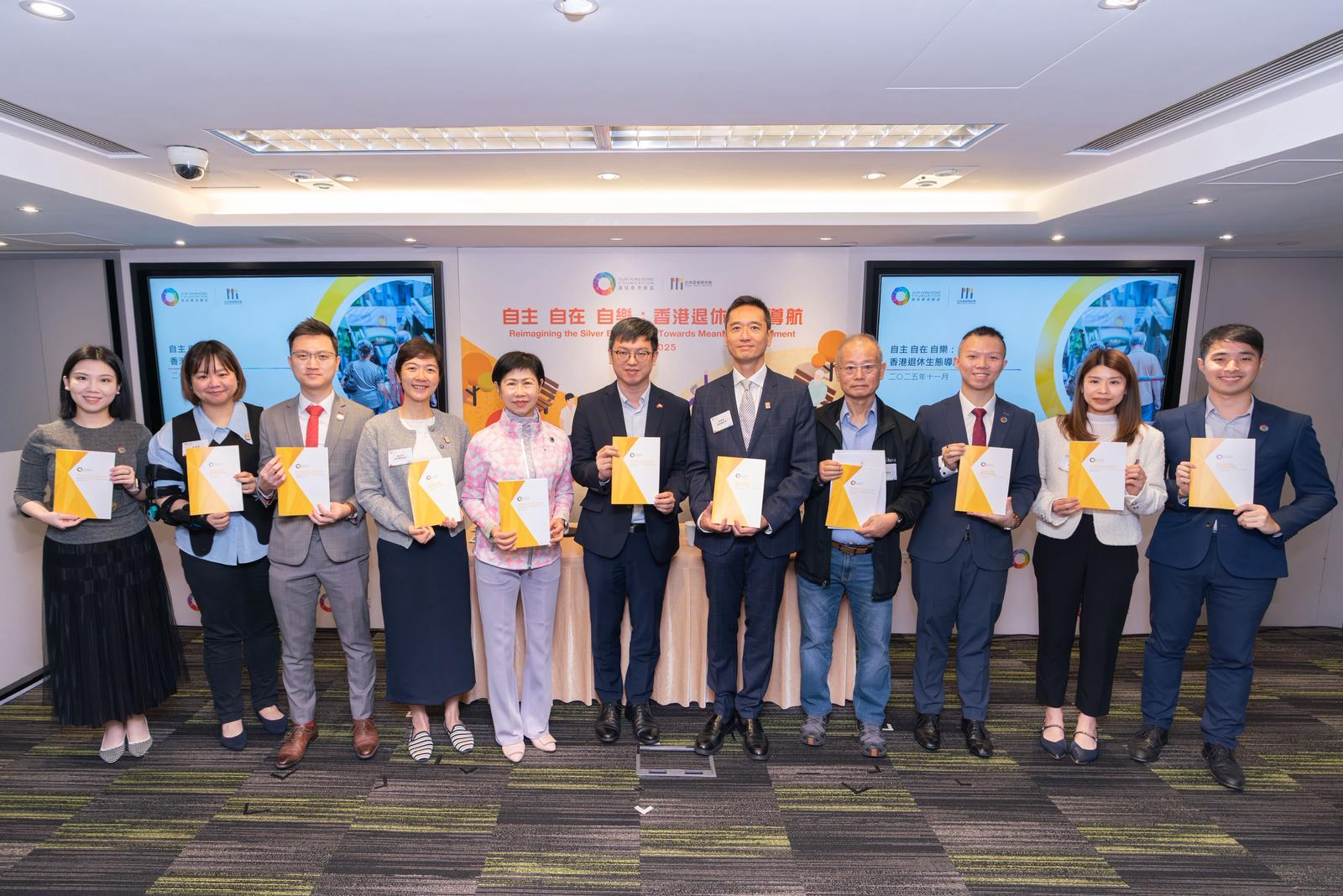
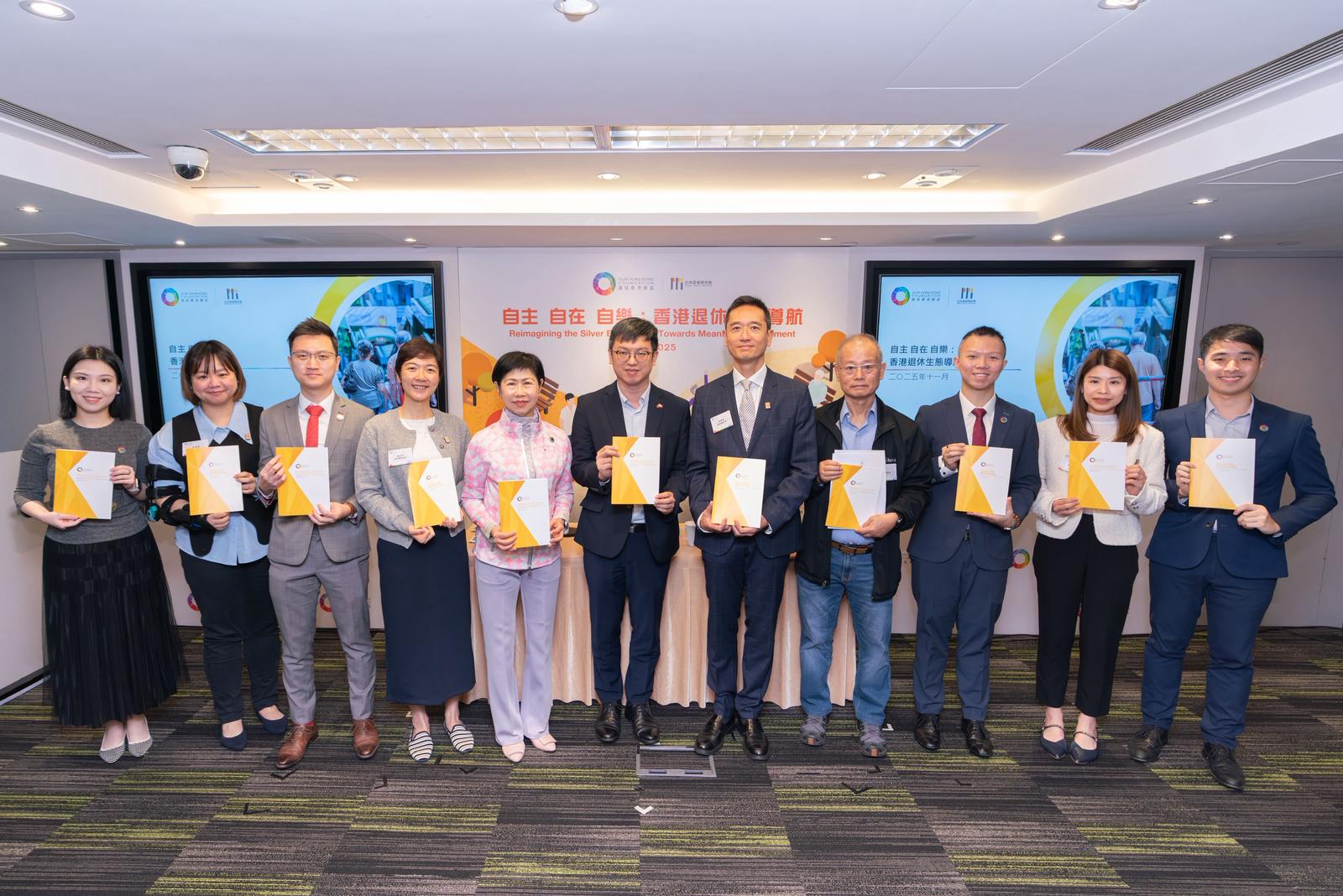
[Hong Kong, November 13, 2025] – Our Hong Kong Foundation (OHKF) today released a new policy landscape research report, “Reimagining the Silver Ecosystem: Towards Meaningful Retirement”. This report was conducted with the support of Growth Partner and Funder, The D. H. Chen Foundation, to advocate for a new approach to retirement in Hong Kong that is not only centred around meeting the needs of retired adults but also enables them to achieve their demands and goals.
Hong Kong faces an escalating ageing population challenge, and seniors set increasingly higher expectations for retirement life. In recent years, the HKSAR government has actively promoted the development of the silver economy. Only with financial security can one pursue their desired retirement lifestyle and enjoy improved quality of life. The report showed that several key issues were consistently raised: difficulties in maintaining a positive emotional outlook, financial insecurity, and the substantial demands associated with caregiving responsibilities. OHKF contends that retirement quality of life should not only be judged according to whether retired adults can stay active, but also according to whether they find their retirement experiences meaningful. It is about whether retired adults feel that their life makes sense, have goals to work towards, and feel that they are valued. Consequently, community organisations can reassess their existing offerings and develop programmes more aligned with retired adults’ preferences.
Meanwhile, the government and private sectors can pool resources to deliver these services, adopt tried-and-tested international models, gradually build private-sector participation, and establish a market-driven retirement support network. Even with physical health challenges, one can still live well and enjoy a meaningful retirement.。
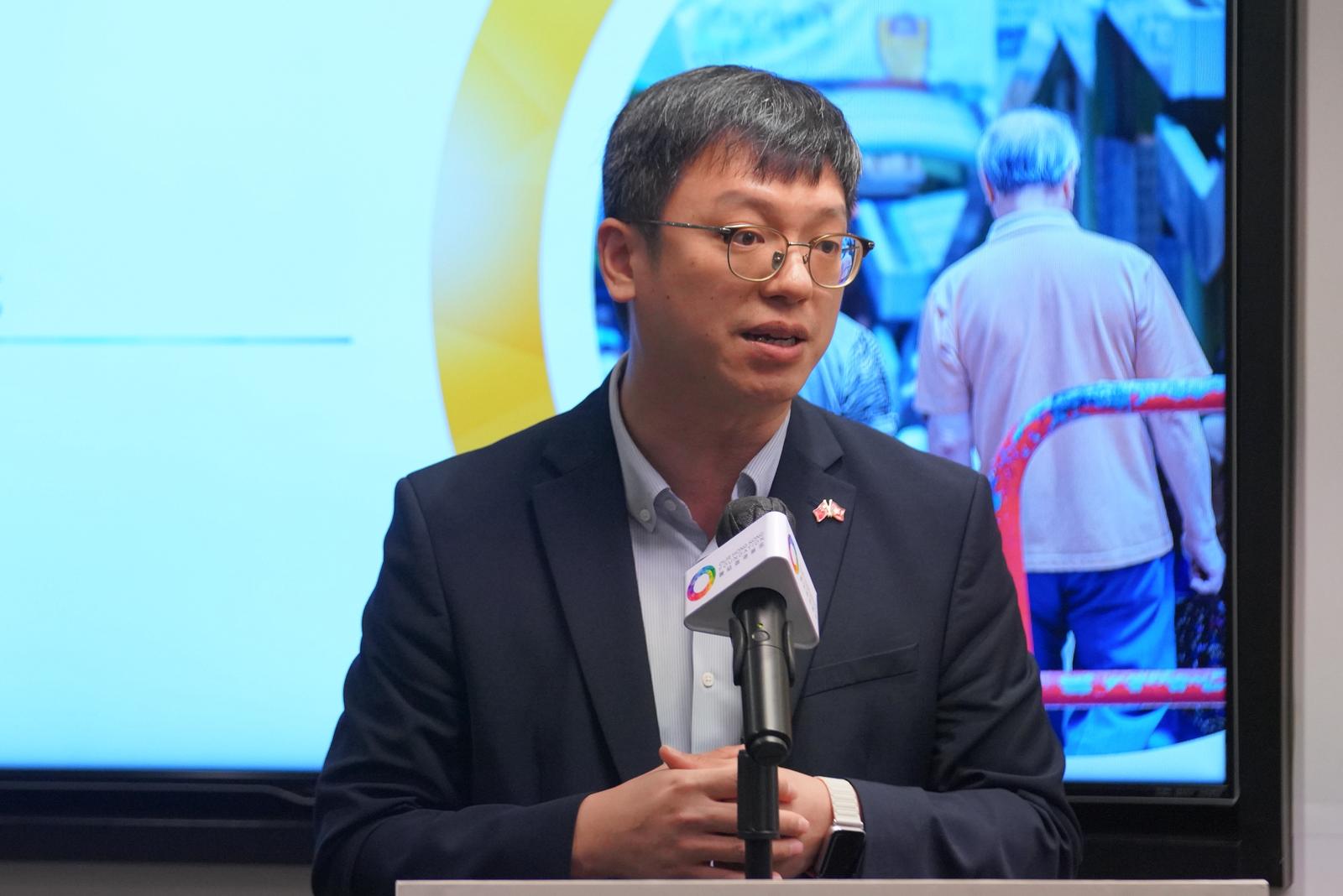
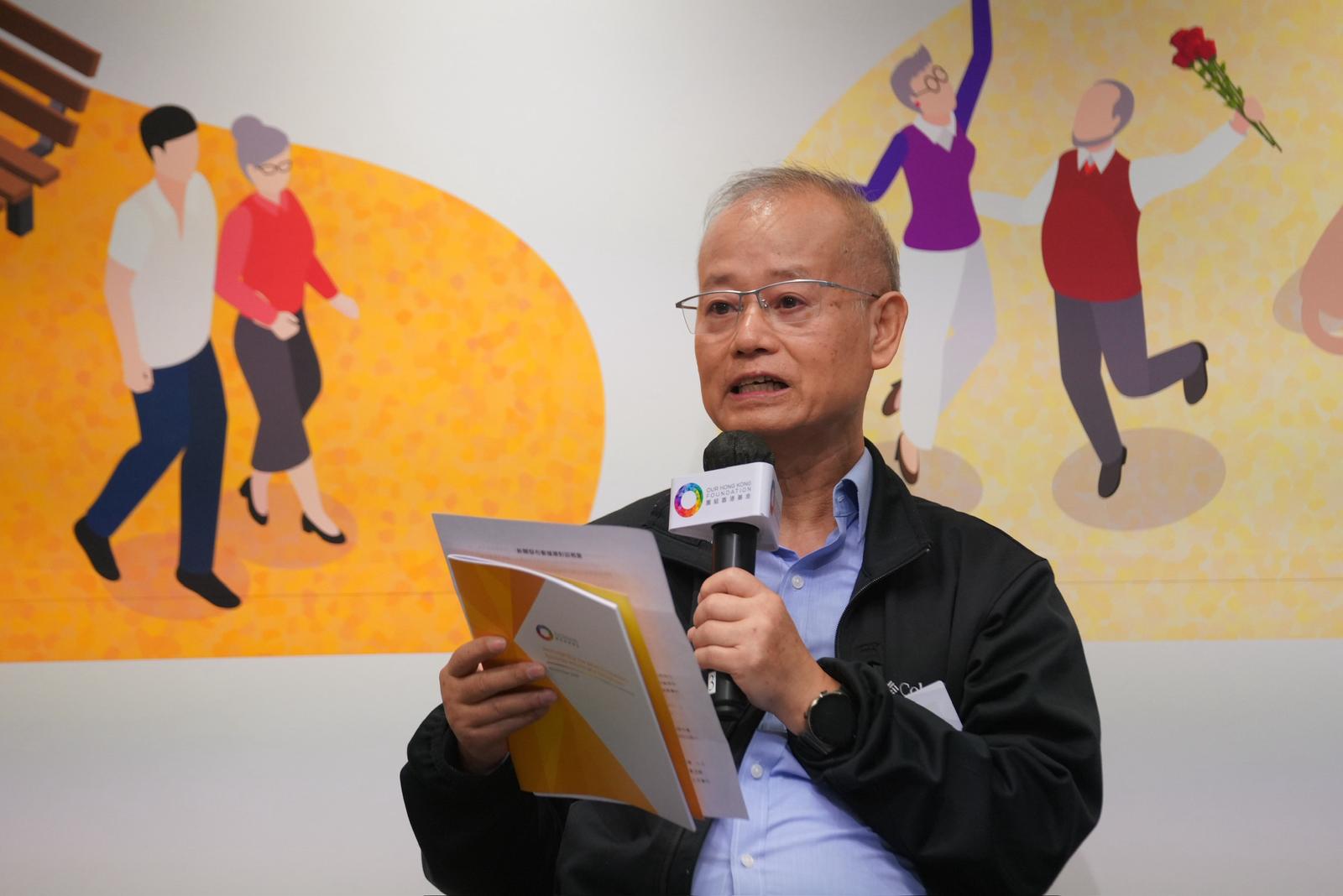
The Under Secretary for Labour and Welfare of the HKSAR Government Mr Ho Kai-ming, said, “Hong Kong’s welfare system began to develop in the 1980s, when the population structure was still relatively young, and the Government mainly provided basic protection for the elderly. As Hong Kong’s population ages, it is estimated that by 2049, the number of elderly people aged 85 or above will reach 120,000. How we can sustainably ensure a secure retirement for Hong Kong’s elderly, and gradually develop Hong Kong’s retirement ecosystem, is not solely a matter of government resources—it also requires effort from the entire society, so that the elderly can live securely and happily in Hong Kong.”
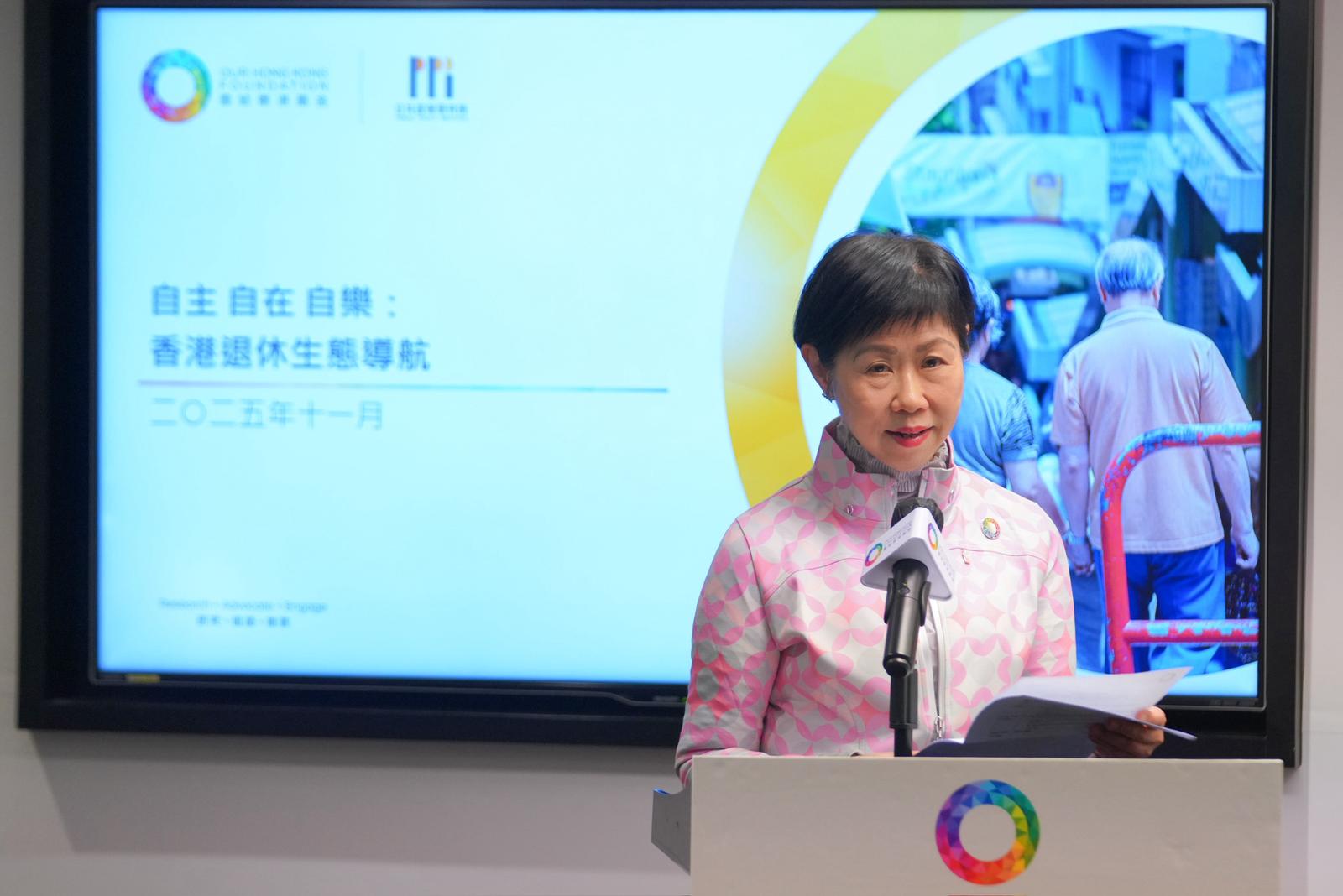
OHKF President Dr Jane Lee, said, “To many retired adults today, retirement life is not really about stepping back but about stepping up to learn new things and achieve new milestones. Ultimately, it is about doing what one finds to be meaningful. As Hong Kong finds out more about what its retired adults value in retirement life, a crucial first step is to develop a forward-looking vision for what Hong Kong’s retirement ecosystem should look like in the future. For this vision to be sustainable, stakeholders from different sectors have to come together.”
5 goals of meaningful retirement 3 individual enablers
Through in-depth interviews with retired adults and a comprehensive review of existing population-based studies in Hong Kong, it is clear that retired adults expect more than simply meeting basic needs for survival and comfort. They also expect to be able to do what they find to be meaningful. The demands associated with a meaningful retirement experience can be grouped under five key categories: health and wellbeing, lifelong learning, sense of belonging, fun and leisure, and self-worth.
Whether retirees can achieve a meaningful retirement depends on three key enablers at the individual level: a positive personality, financial security, and strong social connections.
However, not all retirees in Hong Kong possess these favourable conditions. Firstly, many find it difficult to stay optimistic after retirement, which drives them to be less engaged in social activities. Secondly, many lack the financial preparation to meet future costs (especially healthcare). Finally, many are burdened with caregiving duties, which significantly hinders their ability to establish a healthy social life in retirement.
Diverse and evolving needs of the silver-haired generation call for forward thinking planning to address challenges
OHKF analysed Hong Kong’s current ecosystem for retirement, focusing on policy developments and the current service landscape for retirement.
For policy, retired adults generally expect more diverse service offerings, while the Government’s generalised views of the retired population and its reactive policymaking approach have, to some extent, limited their ability to target the right people and adopt forward-thinking measures.
Regarding the current service landscape for retirement, current gaps in the service landscape stem from pervasive welfare-centric and expert-centric views associated with the provision of services for seniors, the continued reliance on traditional operational strategies, where synergies between related services to meet retired adults’, demands are not being leveraged.
A vibrant silver ecosystem must be anchored in financial security
OHKF envisions an ecosystem where retired adults are financially secure, connected to their communities, and empowered, and community actors collaborate to provide a full spectrum of services. The government and businesses can consult seniors extensively and, through strategic resource allocation, cross-departmental collaboration, and private-sector incentives, deliver services that match with their five key aspirations and thereby accelerate the growth of the silver ecosystem.
At the personal level, this means increasing the visibility of relatable role models and promoting long-term financial planning; At the connectivity level, this means building peer support and referral networks and enhancing information accessibility about offerings and opportunities through local institutions and networks.
Japan’s strategies for advancing the silver economy offer valuable lessons for Hong Kong. Hong Kong can strategically begin by identifying specific services and industries where private sector innovation can be leveraged. This will help build a private sector presence and, in the long run, help establish a market-driven landscape for social welfare provision. Concurrently, it is vital to develop strategies to expand long-term care financial tools, such as specialised insurance products and savings schemes, to strengthen the sustainability and dynamism of the silver economy. Give retirees solid finances to live better.
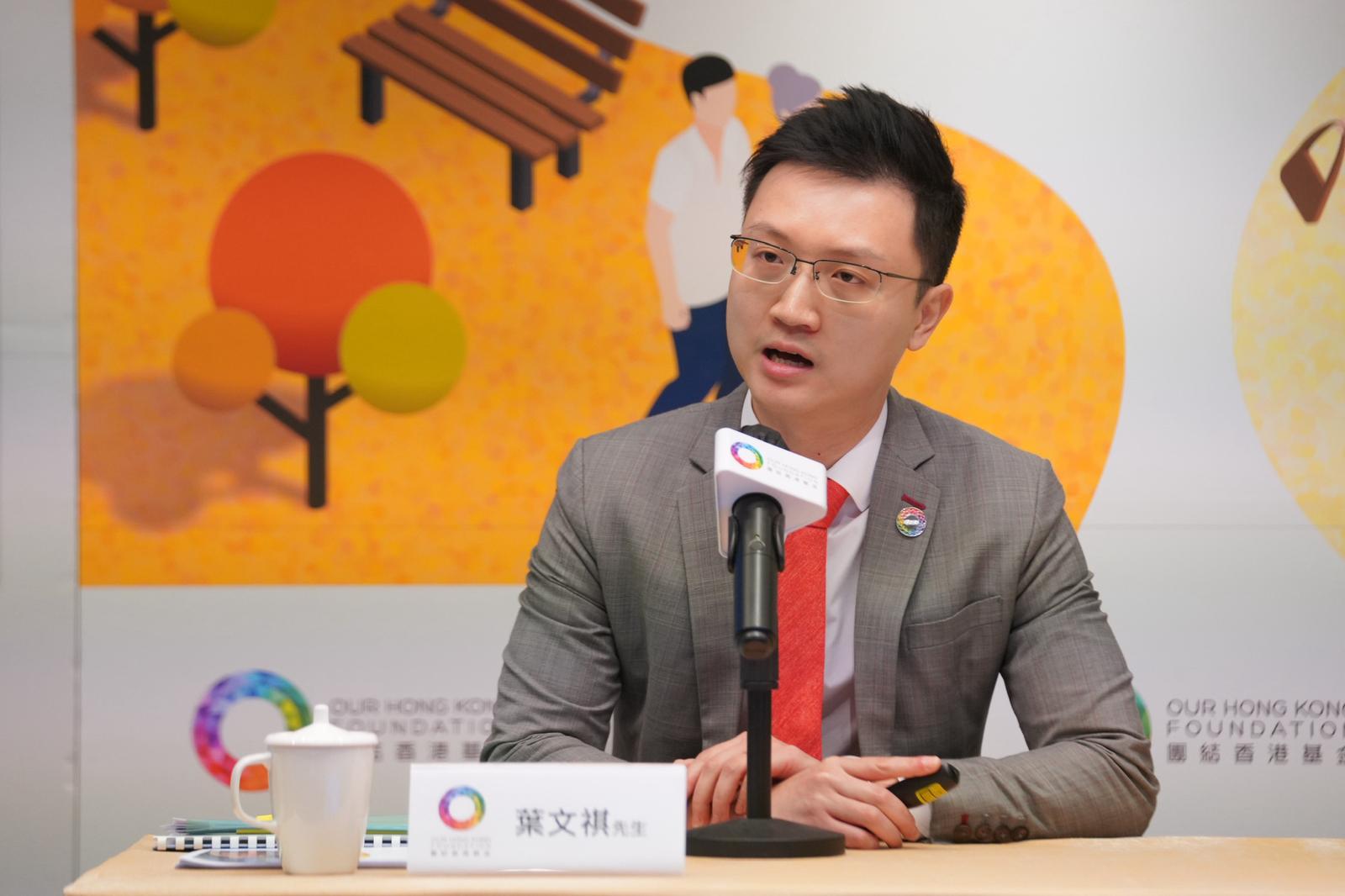
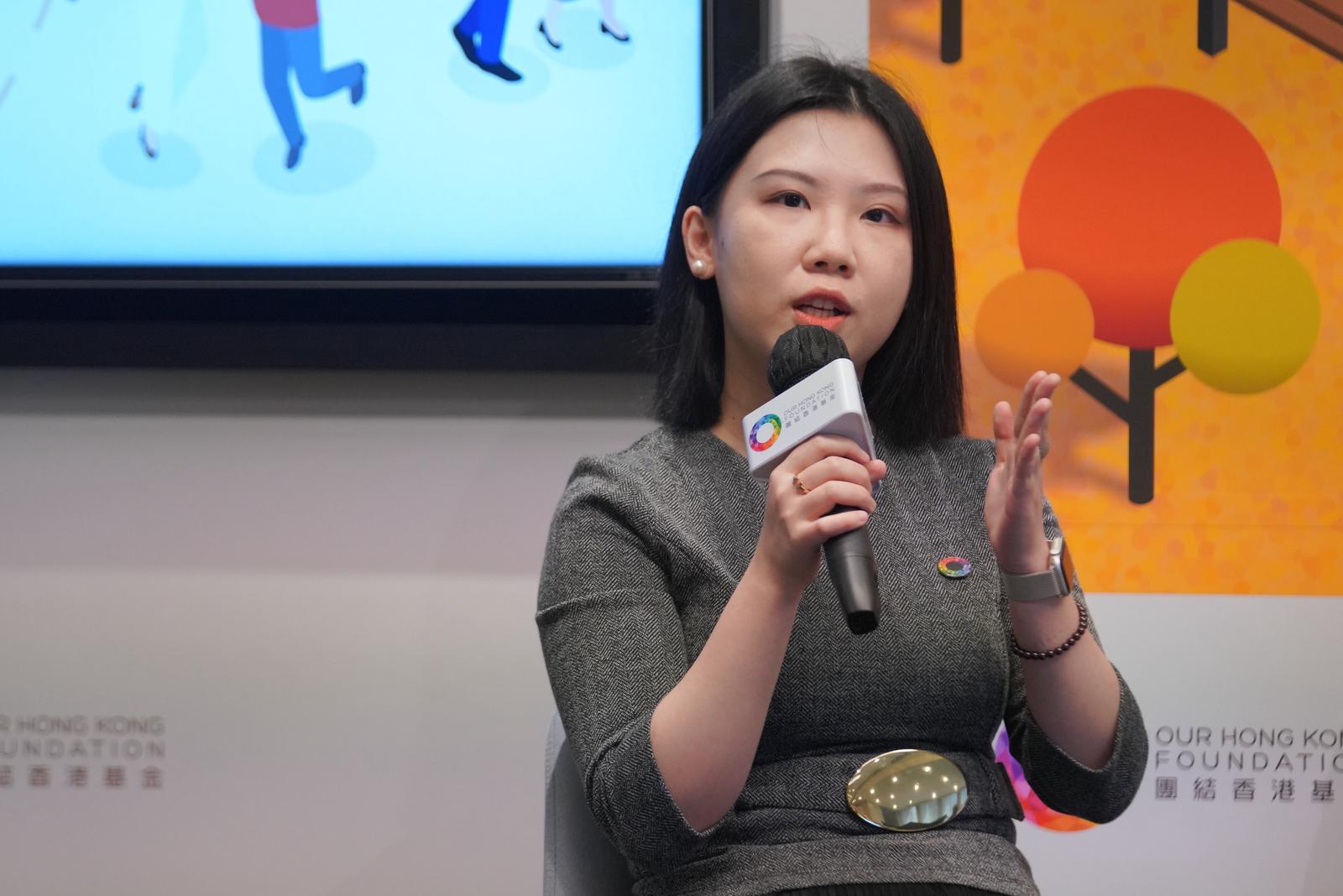
OHKF Vice President and Executive Director of Public Policy Institute Mr Ryan Ip, said, “For a long time, elderly care services in Hong Kong have primarily been provided by the Government and publicly funded organisations. While these services have established a critical foundation for the livelihoods of retired adults, the challenges posed by an ageing population are concurrently exerting significant pressure on the sustainability of public finances. As the educational levels of those aged 65 and above continue to rise, retired adults expect to seek diverse services that go beyond meeting basic needs. Embracing market-driven solutions, harnessing the private sector's expertise in product design and service innovation, will be essential for Hong Kong to address the ageing trend effectively.”
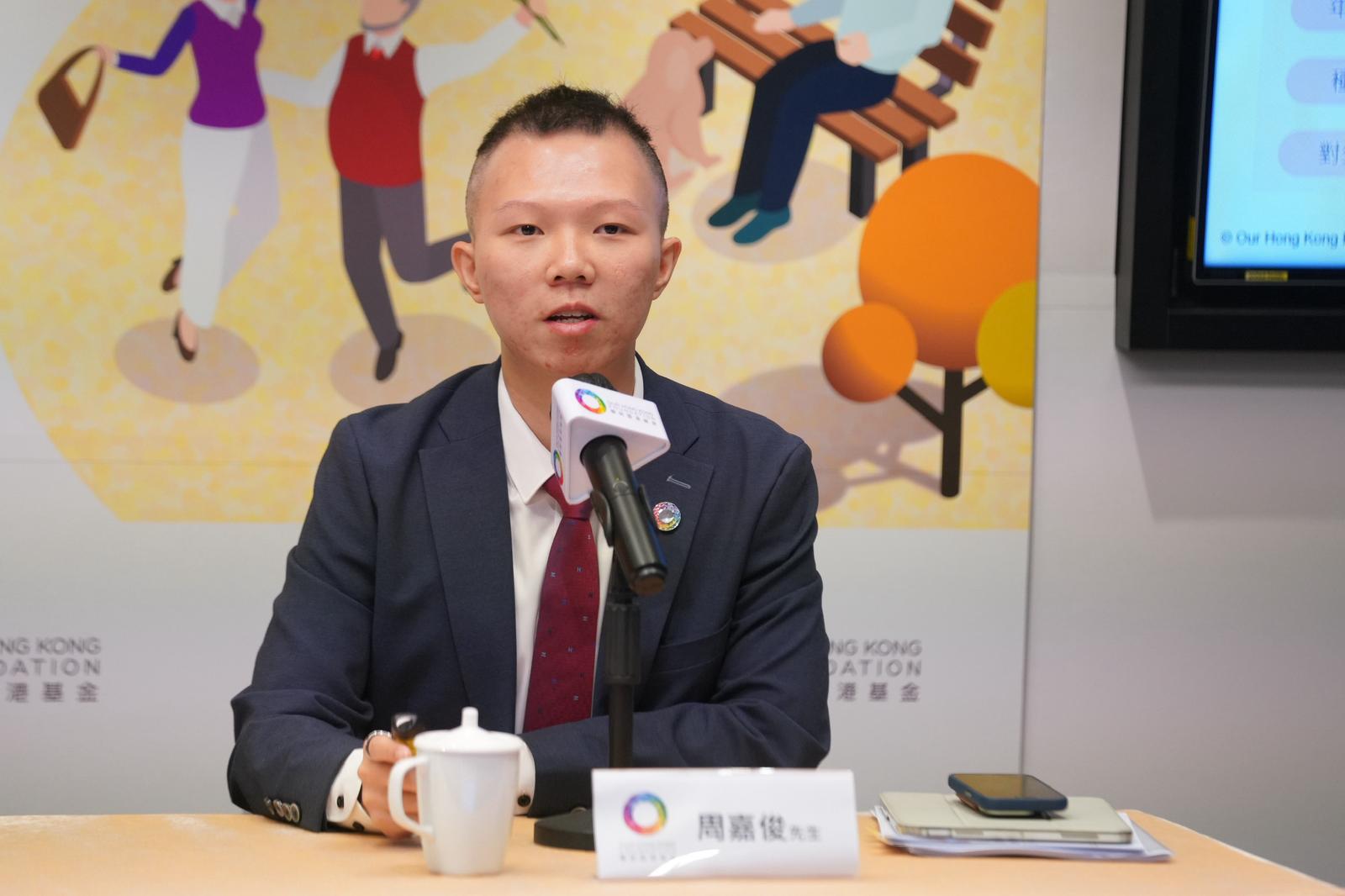
OHKF Head of Healthcare and Social Innovation Mr Dicky Chow, commented, “Our findings reinforce the idea that retirement is a dynamic period of opportunity, where retired adults pursue a diverse variety of goals. To promote meaningful retirement for all, the Government must adopt a long-term policy vision for retirement in Hong Kong. This means developing a strategy that not only responds to pressing issues in the present day but also anticipates the demands and challenges of future generations of seniors.”
“Reimagining the Silver Ecosystem: Towards Meaningful Retirement”
Full Report: https://bit.ly/47WwBid
Presentation Slides: https://bit.ly/4qTPlYp


[Hong Kong, November 13, 2025] – Our Hong Kong Foundation (OHKF) today released a new policy landscape research report, “Reimagining the Silver Ecosystem: Towards Meaningful Retirement”. This report was conducted with the support of Growth Partner and Funder, The D. H. Chen Foundation, to advocate for a new approach to retirement in Hong Kong that is not only centred around meeting the needs of retired adults but also enables them to achieve their demands and goals.
Hong Kong faces an escalating ageing population challenge, and seniors set increasingly higher expectations for retirement life. In recent years, the HKSAR government has actively promoted the development of the silver economy. Only with financial security can one pursue their desired retirement lifestyle and enjoy improved quality of life. The report showed that several key issues were consistently raised: difficulties in maintaining a positive emotional outlook, financial insecurity, and the substantial demands associated with caregiving responsibilities. OHKF contends that retirement quality of life should not only be judged according to whether retired adults can stay active, but also according to whether they find their retirement experiences meaningful. It is about whether retired adults feel that their life makes sense, have goals to work towards, and feel that they are valued. Consequently, community organisations can reassess their existing offerings and develop programmes more aligned with retired adults’ preferences.
Meanwhile, the government and private sectors can pool resources to deliver these services, adopt tried-and-tested international models, gradually build private-sector participation, and establish a market-driven retirement support network. Even with physical health challenges, one can still live well and enjoy a meaningful retirement.。
The Under Secretary for Labour and Welfare of the HKSAR Government Mr Ho Kai-ming, said, “Hong Kong’s welfare system began to develop in the 1980s, when the population structure was still relatively young, and the Government mainly provided basic protection for the elderly. As Hong Kong’s population ages, it is estimated that by 2049, the number of elderly people aged 85 or above will reach 120,000. How we can sustainably ensure a secure retirement for Hong Kong’s elderly, and gradually develop Hong Kong’s retirement ecosystem, is not solely a matter of government resources—it also requires effort from the entire society, so that the elderly can live securely and happily in Hong Kong.”
OHKF President Dr Jane Lee, said, “To many retired adults today, retirement life is not really about stepping back but about stepping up to learn new things and achieve new milestones. Ultimately, it is about doing what one finds to be meaningful. As Hong Kong finds out more about what its retired adults value in retirement life, a crucial first step is to develop a forward-looking vision for what Hong Kong’s retirement ecosystem should look like in the future. For this vision to be sustainable, stakeholders from different sectors have to come together.”
5 goals of meaningful retirement 3 individual enablers
Through in-depth interviews with retired adults and a comprehensive review of existing population-based studies in Hong Kong, it is clear that retired adults expect more than simply meeting basic needs for survival and comfort. They also expect to be able to do what they find to be meaningful. The demands associated with a meaningful retirement experience can be grouped under five key categories: health and wellbeing, lifelong learning, sense of belonging, fun and leisure, and self-worth.
Whether retirees can achieve a meaningful retirement depends on three key enablers at the individual level: a positive personality, financial security, and strong social connections.
However, not all retirees in Hong Kong possess these favourable conditions. Firstly, many find it difficult to stay optimistic after retirement, which drives them to be less engaged in social activities. Secondly, many lack the financial preparation to meet future costs (especially healthcare). Finally, many are burdened with caregiving duties, which significantly hinders their ability to establish a healthy social life in retirement.
Diverse and evolving needs of the silver-haired generation call for forward thinking planning to address challenges
OHKF analysed Hong Kong’s current ecosystem for retirement, focusing on policy developments and the current service landscape for retirement.
For policy, retired adults generally expect more diverse service offerings, while the Government’s generalised views of the retired population and its reactive policymaking approach have, to some extent, limited their ability to target the right people and adopt forward-thinking measures.
Regarding the current service landscape for retirement, current gaps in the service landscape stem from pervasive welfare-centric and expert-centric views associated with the provision of services for seniors, the continued reliance on traditional operational strategies, where synergies between related services to meet retired adults’, demands are not being leveraged.
A vibrant silver ecosystem must be anchored in financial security
OHKF envisions an ecosystem where retired adults are financially secure, connected to their communities, and empowered, and community actors collaborate to provide a full spectrum of services. The government and businesses can consult seniors extensively and, through strategic resource allocation, cross-departmental collaboration, and private-sector incentives, deliver services that match with their five key aspirations and thereby accelerate the growth of the silver ecosystem.
At the personal level, this means increasing the visibility of relatable role models and promoting long-term financial planning; At the connectivity level, this means building peer support and referral networks and enhancing information accessibility about offerings and opportunities through local institutions and networks.
Japan’s strategies for advancing the silver economy offer valuable lessons for Hong Kong. Hong Kong can strategically begin by identifying specific services and industries where private sector innovation can be leveraged. This will help build a private sector presence and, in the long run, help establish a market-driven landscape for social welfare provision. Concurrently, it is vital to develop strategies to expand long-term care financial tools, such as specialised insurance products and savings schemes, to strengthen the sustainability and dynamism of the silver economy. Give retirees solid finances to live better.
OHKF Vice President and Executive Director of Public Policy Institute Mr Ryan Ip, said, “For a long time, elderly care services in Hong Kong have primarily been provided by the Government and publicly funded organisations. While these services have established a critical foundation for the livelihoods of retired adults, the challenges posed by an ageing population are concurrently exerting significant pressure on the sustainability of public finances. As the educational levels of those aged 65 and above continue to rise, retired adults expect to seek diverse services that go beyond meeting basic needs. Embracing market-driven solutions, harnessing the private sector's expertise in product design and service innovation, will be essential for Hong Kong to address the ageing trend effectively.”
OHKF Head of Healthcare and Social Innovation Mr Dicky Chow, commented, “Our findings reinforce the idea that retirement is a dynamic period of opportunity, where retired adults pursue a diverse variety of goals. To promote meaningful retirement for all, the Government must adopt a long-term policy vision for retirement in Hong Kong. This means developing a strategy that not only responds to pressing issues in the present day but also anticipates the demands and challenges of future generations of seniors.”
“Reimagining the Silver Ecosystem: Towards Meaningful Retirement”
Full Report: https://bit.ly/47WwBid
Presentation Slides: https://bit.ly/4qTPlYp