








Hong Kong should approach South Lantau project with purpose




Hong Kong should approach South Lantau project with purpose

From Bali’s resorts to Beijing’s countryside attractions, other ecotourism sites provide useful templates for developing South Lantau
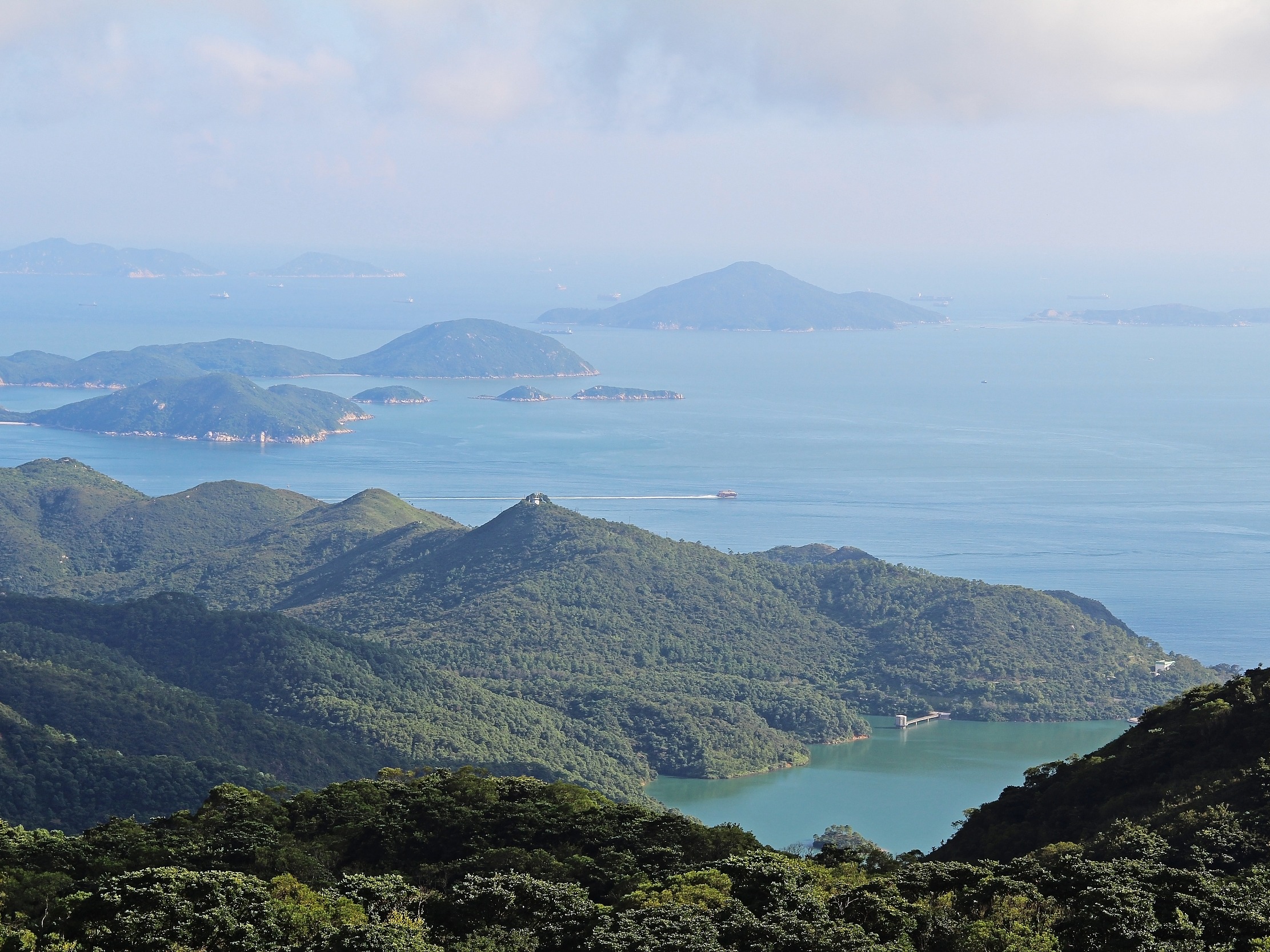
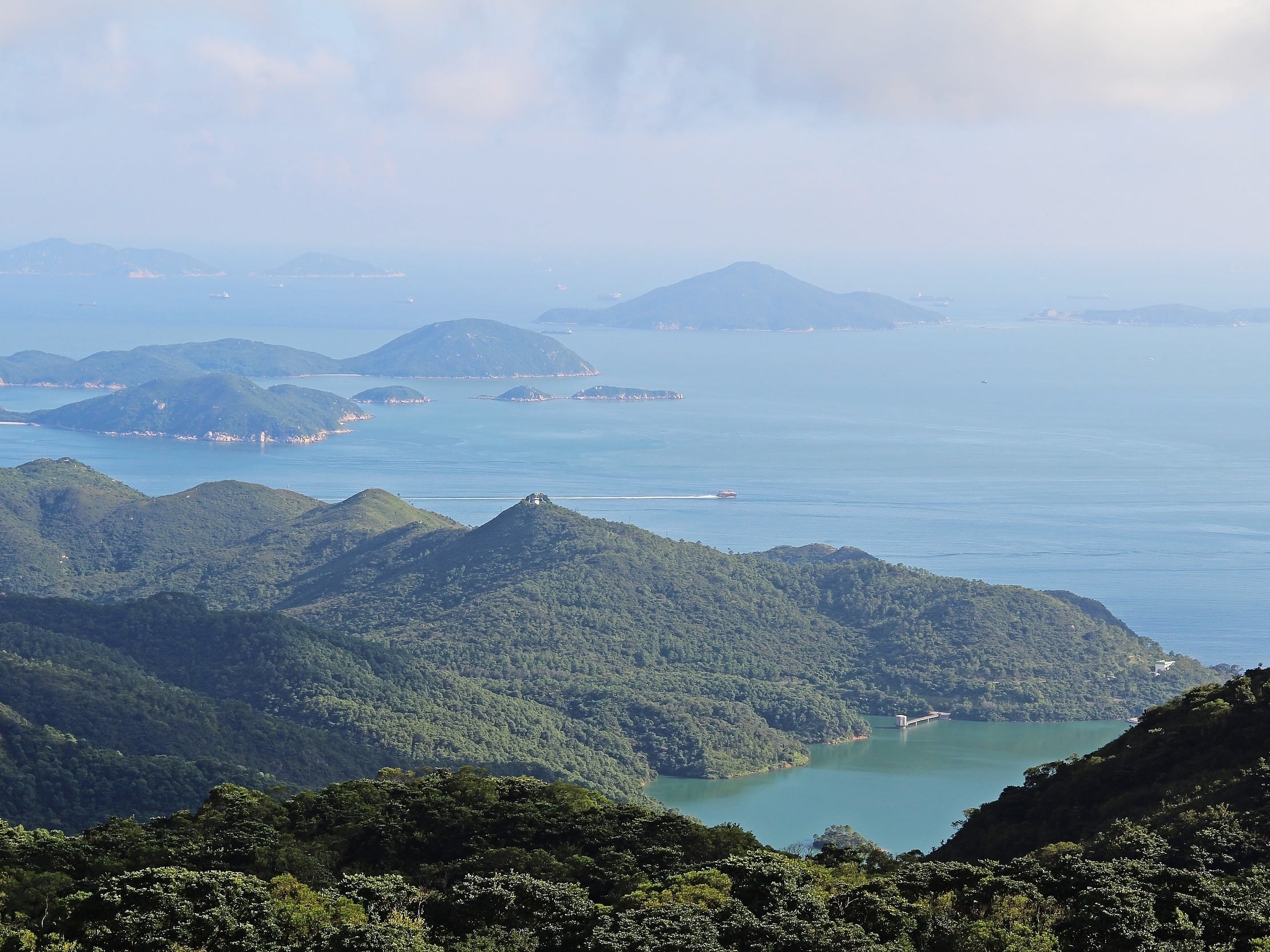
Endowed with abundant natural scenery, such as pristine beaches and majestic mountains, South Lantau is earmarked by the government to be developed for ecotourism and sustainable recreation. The two-month public consultation for the South Lantau Eco-recreation Corridor ended in late July.
Opinion is divided between different stakeholders, including Legislative Council members, conservationists and other concerned local groups. On the surface, this presents an impossible task for the government. The plan may either become a watered-down compromise that pleases nobody, or it may be shelved altogether.
However, the corridor should not be just another typical development project. Instead, there must be a strategy to make sure it propels Hong Kong tourism and the city’s sustainable development.
One key concern is that the proposed holiday space would only attract “check-box” travellers – visitors focused on taking pictures of attractions rather than experiencing the local culture and environment. An influx of such tourists who might lack awareness about environmental responsibility could damage South Lantau’s natural habitats.
As an ethical and sustainable answer to overdevelopment, eco-resorts can be a solution to address these concerns for South Lantau. In places like Bali, eco-resorts aim to put sustainability at the centre of every traveller’s stay. They set out and gradually meet objectives anchored in sustainability.
One example is the Desa Hay eco-resort, which is powered by 100 rooftop solar panels, along with underground recharge wells and waste water processing. Its architectural design has a low visual impact, as the villas resemble tree houses or forest huts.
In Desa Hay, all of the artwork is created by local artisans with a small placard crediting the artist, while the resort exclusively hires Indonesian staff and gives back to the community through initiatives including sponsoring school tuition for local orphans.
Another concern for the South Lantau project lies in the government’s budget deficits and financial constraints. Although the government intends to undertake public-private cooperation, this could be made more difficult by South Lantau’s limited visitor reception capacity.
Economic uncertainties may have also had an effect on increased conservatism in the private sector, evident in the recent failed tender under the pilot housing scheme for private developers to build subsidised homes. Going beyond public tender, other forms of public-private cooperation should also be considered to take the project forward.
For example, the Eden Project in Cornwall, England adopted a bottom-up approach. The local council provided £25,000 (US$31,910) of seed funding. Funds were also secured from the UK Millennium Commission, which weighed in with £37.5 million.
There is a potential conundrum that could arise as development proceeds. As more crowds visit South Lantau, there will be more demand for transport services, which causes greater environmental impact while also enabling more visitors.
However, development does not necessarily entail massive construction projects. The current plan outlines a myriad of facilities, including the Lower Cheung Sha Visitor Centre and the water sports and recreation centre at Upper Cheung Sha Beach, as well as educational areas in Shui Hau and Pui O. These facilities are geographically dispersed, but at the same time also lack a compelling overarching storyline.
To make this a uniquely Hong Kong project, a planning and design competition can be held to solicit ideas from professionals in the architectural, surveying and landscaping sectors.
Coincidentally, these elements blended harmoniously in a project close to home, namely the Liyuan Library in Huairou district on the outskirts of Beijing. Despite its small size of only 175 square metres (1,884 square feet), it became an anchor attraction for the scenic area. Most notably, it is not just the design, construction or appearance that made the library so compelling, but the overarching storyline behind its construction.
The library was made from local materials, mostly wooden sticks that villagers use all year round to fuel their stoves. The building volume was designed, such that the library blends perfectly into the landscape with minimal visual impact. The project was initiated through a bottom-up approach, funded by a charitable trust and designed by a local architect.
Admittedly, it is only natural that differences in opinion emerge during the public consultation process. Nevertheless, if done right, development and conservation need not be at odds with each other. It is time for Hong Kong to transcend these differences and make a way forward for South Lantau to reach its potential without becoming overdeveloped.


From Bali’s resorts to Beijing’s countryside attractions, other ecotourism sites provide useful templates for developing South Lantau
Endowed with abundant natural scenery, such as pristine beaches and majestic mountains, South Lantau is earmarked by the government to be developed for ecotourism and sustainable recreation. The two-month public consultation for the South Lantau Eco-recreation Corridor ended in late July.
Opinion is divided between different stakeholders, including Legislative Council members, conservationists and other concerned local groups. On the surface, this presents an impossible task for the government. The plan may either become a watered-down compromise that pleases nobody, or it may be shelved altogether.
However, the corridor should not be just another typical development project. Instead, there must be a strategy to make sure it propels Hong Kong tourism and the city’s sustainable development.
One key concern is that the proposed holiday space would only attract “check-box” travellers – visitors focused on taking pictures of attractions rather than experiencing the local culture and environment. An influx of such tourists who might lack awareness about environmental responsibility could damage South Lantau’s natural habitats.
As an ethical and sustainable answer to overdevelopment, eco-resorts can be a solution to address these concerns for South Lantau. In places like Bali, eco-resorts aim to put sustainability at the centre of every traveller’s stay. They set out and gradually meet objectives anchored in sustainability.
One example is the Desa Hay eco-resort, which is powered by 100 rooftop solar panels, along with underground recharge wells and waste water processing. Its architectural design has a low visual impact, as the villas resemble tree houses or forest huts.
In Desa Hay, all of the artwork is created by local artisans with a small placard crediting the artist, while the resort exclusively hires Indonesian staff and gives back to the community through initiatives including sponsoring school tuition for local orphans.
Another concern for the South Lantau project lies in the government’s budget deficits and financial constraints. Although the government intends to undertake public-private cooperation, this could be made more difficult by South Lantau’s limited visitor reception capacity.
Economic uncertainties may have also had an effect on increased conservatism in the private sector, evident in the recent failed tender under the pilot housing scheme for private developers to build subsidised homes. Going beyond public tender, other forms of public-private cooperation should also be considered to take the project forward.
For example, the Eden Project in Cornwall, England adopted a bottom-up approach. The local council provided £25,000 (US$31,910) of seed funding. Funds were also secured from the UK Millennium Commission, which weighed in with £37.5 million.
There is a potential conundrum that could arise as development proceeds. As more crowds visit South Lantau, there will be more demand for transport services, which causes greater environmental impact while also enabling more visitors.
However, development does not necessarily entail massive construction projects. The current plan outlines a myriad of facilities, including the Lower Cheung Sha Visitor Centre and the water sports and recreation centre at Upper Cheung Sha Beach, as well as educational areas in Shui Hau and Pui O. These facilities are geographically dispersed, but at the same time also lack a compelling overarching storyline.
To make this a uniquely Hong Kong project, a planning and design competition can be held to solicit ideas from professionals in the architectural, surveying and landscaping sectors.
Coincidentally, these elements blended harmoniously in a project close to home, namely the Liyuan Library in Huairou district on the outskirts of Beijing. Despite its small size of only 175 square metres (1,884 square feet), it became an anchor attraction for the scenic area. Most notably, it is not just the design, construction or appearance that made the library so compelling, but the overarching storyline behind its construction.
The library was made from local materials, mostly wooden sticks that villagers use all year round to fuel their stoves. The building volume was designed, such that the library blends perfectly into the landscape with minimal visual impact. The project was initiated through a bottom-up approach, funded by a charitable trust and designed by a local architect.
Admittedly, it is only natural that differences in opinion emerge during the public consultation process. Nevertheless, if done right, development and conservation need not be at odds with each other. It is time for Hong Kong to transcend these differences and make a way forward for South Lantau to reach its potential without becoming overdeveloped.