





Hong Kong must fall in love with art to be a bona fide cultural hub




Hong Kong must fall in love with art to be a bona fide cultural hub

Hong Kong, traditionally business-focused, needs to do more to organically cultivate a society that values and embraces art and culture
Over the past 20 years, Hong Kong has emerged as a global powerhouse in the international art market. The city has become a strategic gateway for art collectors and investors.
The arrival of Art Basel and several respected international art galleries reinforced our position as an art market leader. With its infrastructure and amenities, Hong Kong conveniently serves the growing Chinese collector base while attracting and catering to other Asian collectors.
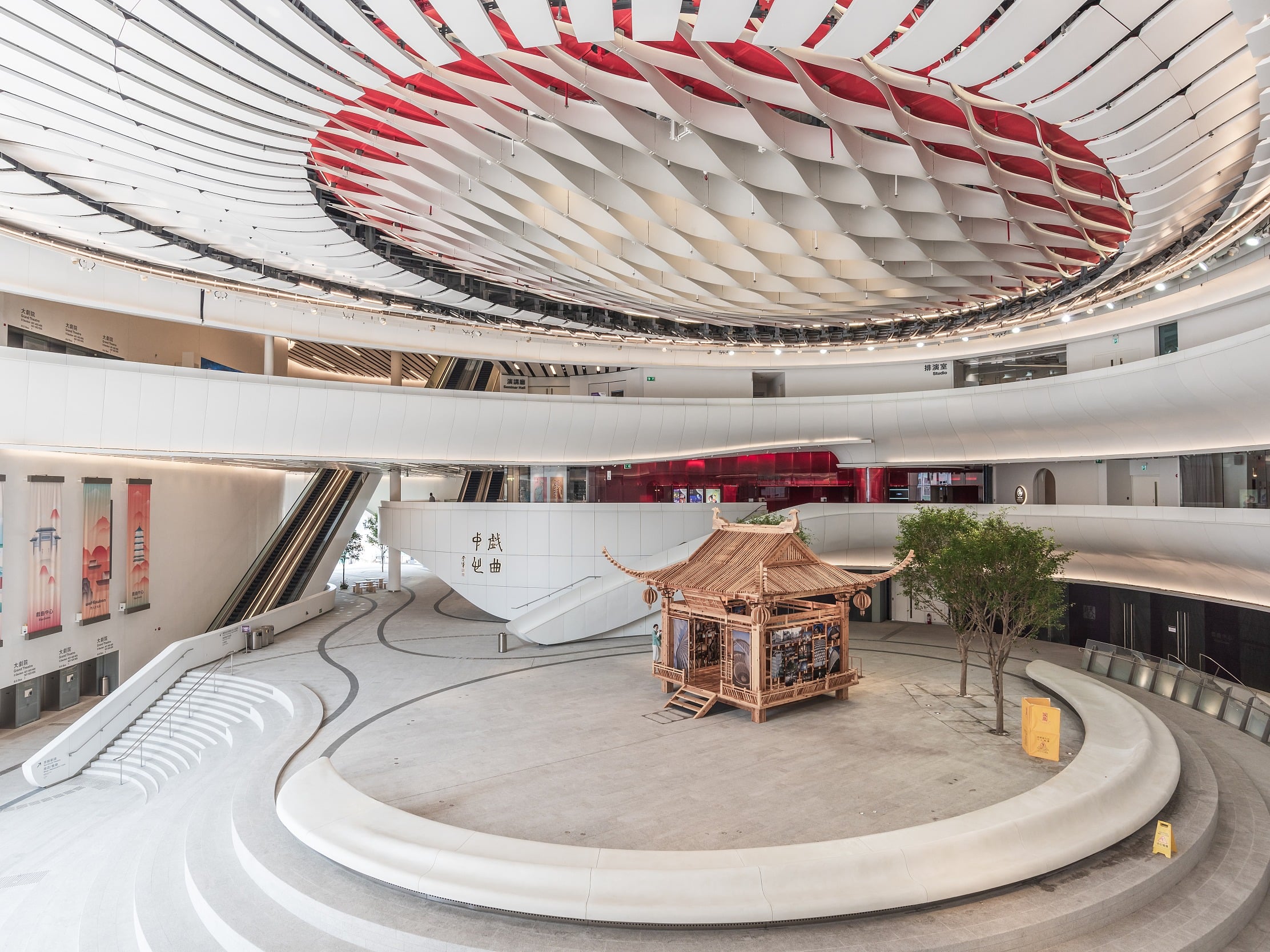
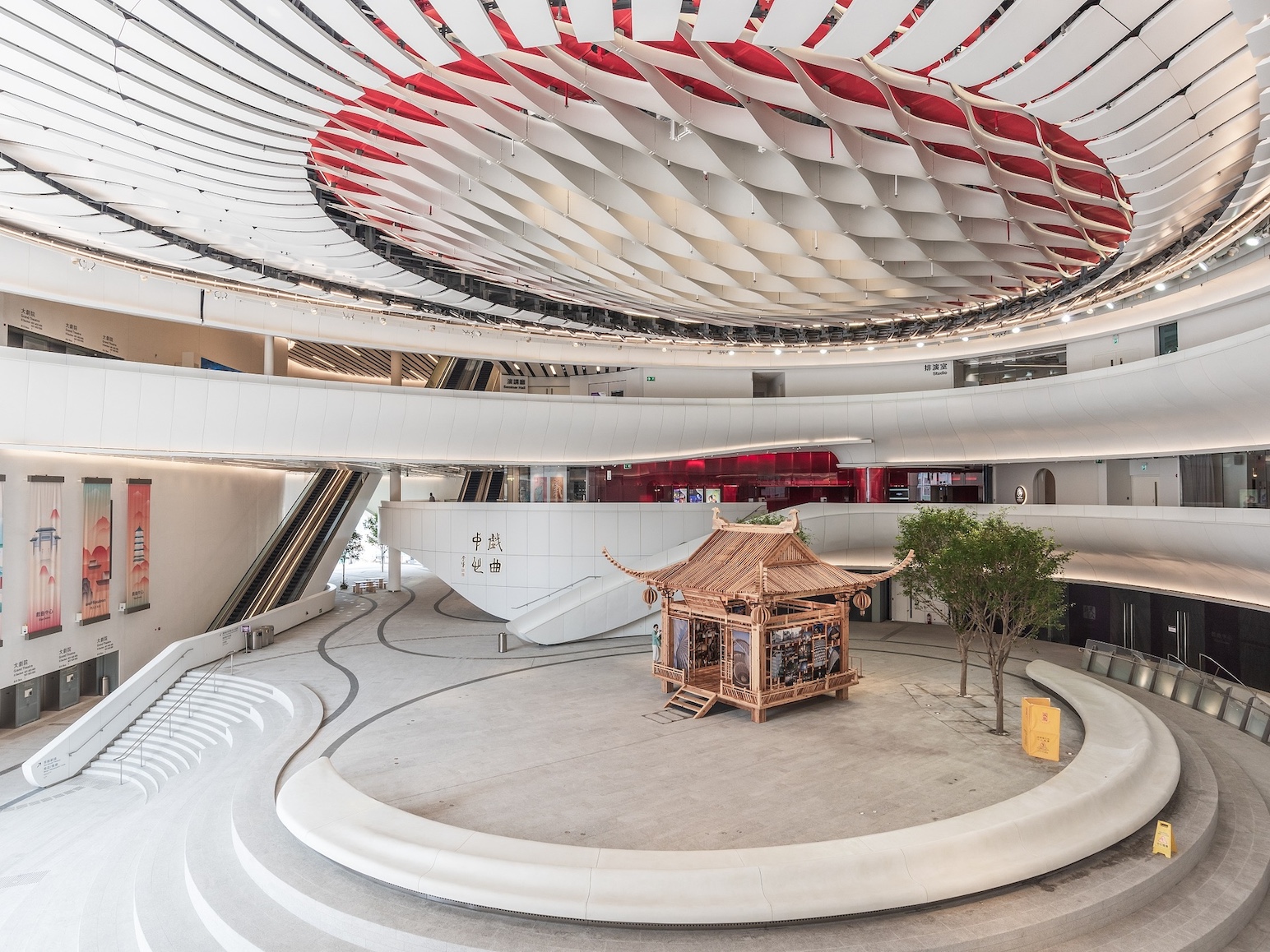
The acclaimed West Kowloon Cultural District, which includes the M+ museum of visual culture, the Hong Kong Palace Museum and Xiqu Centre, is one of the world’s largest cultural infrastructure projects and a significant addition to Hong Kong’s cultural infrastructure. It blends local and international cultures, connects traditional and contemporary elements, and showcases Hong Kong’s unique identity as a metropolis defined by the dynamic interplay of Eastern and Western cultural influences.
The government is committed to transforming Hong Kong into a global arts and cultural hub. This aligns with the central government’s policy directives and is critical to our international appeal and distinct purpose within “one country, two systems”. Dedicated funding, strategic planning and targeted initiatives have been implemented to support this vision.
Our corporations view sponsorship of the arts and culture as a way to raise their brand profile, engage affluent consumers and shape Hong Kong’s reputation as a creative hub. A prime example is Swire Group’s recent pledge of over HK$50 million (US$8.66 million) to the Hong Kong Philharmonic Orchestra over the next three years. Securing this type of corporate support remains crucial for developing Hong Kong’s arts and cultural ecosystem.
But solid infrastructure and robust institutions alone do not create a cultural hub, which needs to evolve organically, at the grass-roots level, to stimulate creative growth within society.
Artists and other creatives are the critical element in cultivating a vibrant and energetic atmosphere. This is a weakness of Hong Kong that requires further attention and action.
The most significant challenge lies broadly within the mindset of the local community. Traditionally, the city is more oriented towards pragmatic, business-focused pursuits, with limited career paths related to the arts and culture.
This is slowly changing as exposure to art and culture has intensified in the last decade, with a greater emphasis in our schools and universities. The Education Commission has highlighted arts education as one of five essential pillars, and the Education Bureau supports schools with curriculum development. But places and programmes at publicly funded universities are limited, and competition for places is intense.
The merits of creative expression, which expands perspectives and communicates ideas, are becoming better understood in relation to our society’s well-being, national pride and ability to bring tangible economic benefits.
However, there is still work to be done to translate this growing interest at the university level into a mainstream acceptance of the arts and culture as a career choice.
The high cost of living and lack of affordable studio and exhibition space in Hong Kong are the key factors hindering the growth and retention of local creative talent. Many of our most respected and successful artists opt to live and work overseas, in established cultural hubs such as Berlin, Tokyo, London and New York.
These global centres not only offer more accessible and affordable spaces but also have a stronger and long-standing tradition of supporting young and emerging talent through actively engaging collectors, patrons and gallerists – often underpinned by robust government policies and investment.
Hong Kong has the talent and much of the hardware. To bridge the gap, enable local talent to thrive and appeal to creative professionals from overseas, we must be more competitive and provide affordable living and working spaces to foster their development and career opportunities.
Some measures, which have been proposed for years, include repurposing underused industrial or commercial spaces for arts and cultural use, designating and subsidising dedicated artist villages, studios and co-working spaces, and mandating affordable housing and work spaces in new developments.
Addressing these gaps through increased public and private investment and supportive government policies will be crucial for Hong Kong to realise its potential as a leading art and cultural destination.
Our success requires support from the public and private sectors, a greater community-wide understanding of the career opportunities within the arts and culture, and economic benefits. We need to nurture our unique and vibrant creative spirit to make our city a global cultural powerhouse.


Hong Kong, traditionally business-focused, needs to do more to organically cultivate a society that values and embraces art and culture
Over the past 20 years, Hong Kong has emerged as a global powerhouse in the international art market. The city has become a strategic gateway for art collectors and investors.
The arrival of Art Basel and several respected international art galleries reinforced our position as an art market leader. With its infrastructure and amenities, Hong Kong conveniently serves the growing Chinese collector base while attracting and catering to other Asian collectors.
The acclaimed West Kowloon Cultural District, which includes the M+ museum of visual culture, the Hong Kong Palace Museum and Xiqu Centre, is one of the world’s largest cultural infrastructure projects and a significant addition to Hong Kong’s cultural infrastructure. It blends local and international cultures, connects traditional and contemporary elements, and showcases Hong Kong’s unique identity as a metropolis defined by the dynamic interplay of Eastern and Western cultural influences.
The government is committed to transforming Hong Kong into a global arts and cultural hub. This aligns with the central government’s policy directives and is critical to our international appeal and distinct purpose within “one country, two systems”. Dedicated funding, strategic planning and targeted initiatives have been implemented to support this vision.
Our corporations view sponsorship of the arts and culture as a way to raise their brand profile, engage affluent consumers and shape Hong Kong’s reputation as a creative hub. A prime example is Swire Group’s recent pledge of over HK$50 million (US$8.66 million) to the Hong Kong Philharmonic Orchestra over the next three years. Securing this type of corporate support remains crucial for developing Hong Kong’s arts and cultural ecosystem.
But solid infrastructure and robust institutions alone do not create a cultural hub, which needs to evolve organically, at the grass-roots level, to stimulate creative growth within society.
Artists and other creatives are the critical element in cultivating a vibrant and energetic atmosphere. This is a weakness of Hong Kong that requires further attention and action.
The most significant challenge lies broadly within the mindset of the local community. Traditionally, the city is more oriented towards pragmatic, business-focused pursuits, with limited career paths related to the arts and culture.
This is slowly changing as exposure to art and culture has intensified in the last decade, with a greater emphasis in our schools and universities. The Education Commission has highlighted arts education as one of five essential pillars, and the Education Bureau supports schools with curriculum development. But places and programmes at publicly funded universities are limited, and competition for places is intense.
The merits of creative expression, which expands perspectives and communicates ideas, are becoming better understood in relation to our society’s well-being, national pride and ability to bring tangible economic benefits.
However, there is still work to be done to translate this growing interest at the university level into a mainstream acceptance of the arts and culture as a career choice.
The high cost of living and lack of affordable studio and exhibition space in Hong Kong are the key factors hindering the growth and retention of local creative talent. Many of our most respected and successful artists opt to live and work overseas, in established cultural hubs such as Berlin, Tokyo, London and New York.
These global centres not only offer more accessible and affordable spaces but also have a stronger and long-standing tradition of supporting young and emerging talent through actively engaging collectors, patrons and gallerists – often underpinned by robust government policies and investment.
Hong Kong has the talent and much of the hardware. To bridge the gap, enable local talent to thrive and appeal to creative professionals from overseas, we must be more competitive and provide affordable living and working spaces to foster their development and career opportunities.
Some measures, which have been proposed for years, include repurposing underused industrial or commercial spaces for arts and cultural use, designating and subsidising dedicated artist villages, studios and co-working spaces, and mandating affordable housing and work spaces in new developments.
Addressing these gaps through increased public and private investment and supportive government policies will be crucial for Hong Kong to realise its potential as a leading art and cultural destination.
Our success requires support from the public and private sectors, a greater community-wide understanding of the career opportunities within the arts and culture, and economic benefits. We need to nurture our unique and vibrant creative spirit to make our city a global cultural powerhouse.