









Hong Kong Can Raise Industry Standards by Building an Autonomous Driving R&D Hub




Hong Kong Can Raise Industry Standards by Building an Autonomous Driving R&D Hub

The source text is in Chinese. This English version is for reference only. In case of any discrepancy between this English version and the Chinese version, the Chinese version shall prevail.
The Transport Department recently announced the approval for expansion of the testing scope for Baidu’s "Apollo Go," covering Tung Chung and increasing the number of test vehicles. This is the third approval granted within merely half a year. Although Hong Kong was not at the forefront of autonomous driving testing, since the enactment of the "Code of Practice for Trial and Pilot Use of AVs" in 2024, the Transport Department has expedited the approval process. This progress has laid a solid foundation for Hong Kong to encourage industry players to transform test data into exportable products, amplify market influence, upgrade the traditional automotive sector, and establish the city as a global leader in autonomous driving data transfer technologies. Meanwhile, the Government must consolidate testing outcomes to refine smart city policies and achieve the vision of smart mobility.

Rapid Advances in Autonomous Driving, Yet Divergent Standards Pose Challenges
Companies like Tesla, Waymo, and Baidu’s Apollo Go have achieved SAE Level 4 autonomy, where vehicles operate fully without human intervention under specific conditions, though human override remains possible in edge cases.
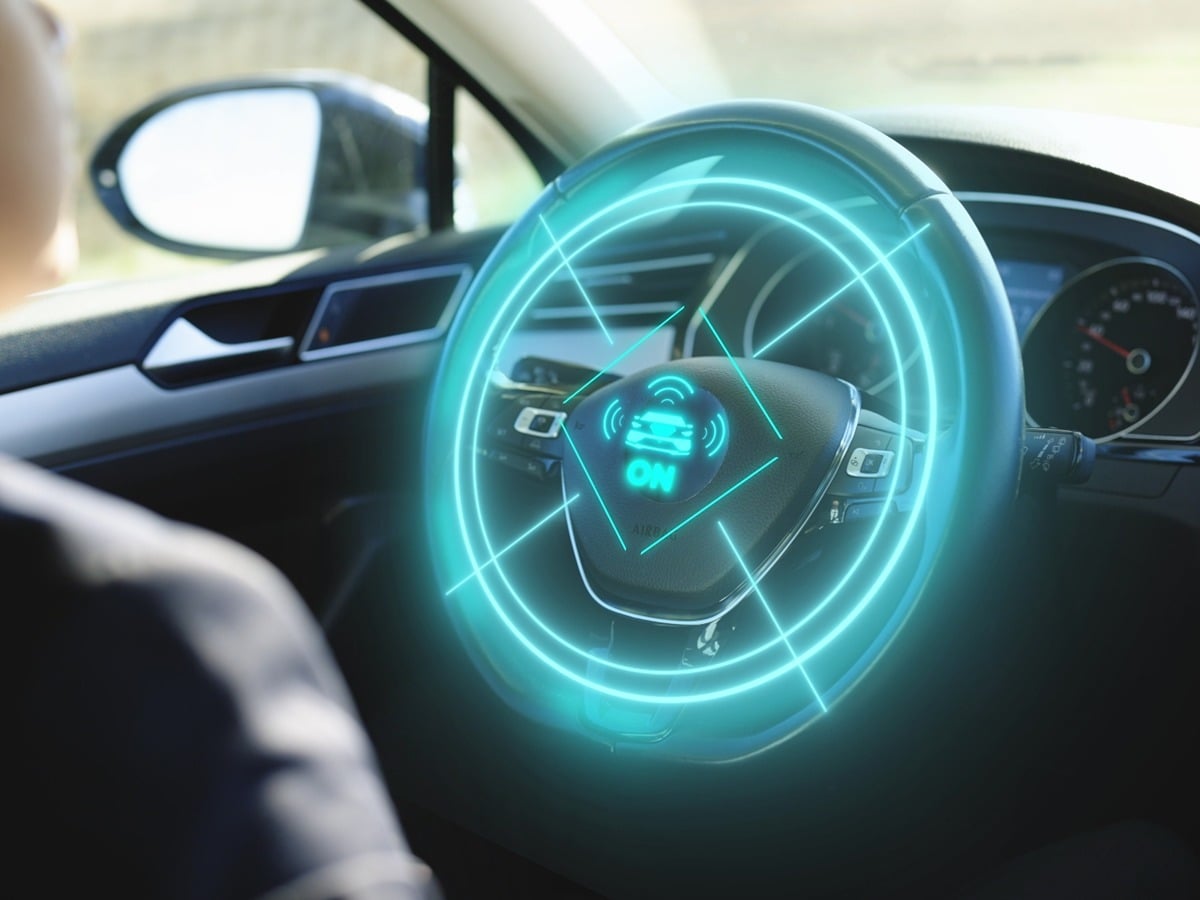
Fully autonomous vehicles require cutting-edge hardware and software integration, relying on AI deep learning to adapt to real-world environments. Equipped with sensors (cameras, radar, ultrasonic sensors, LiDAR, etc.) and advanced driver-assistance systems (ADAS), these vehicles analyse environmental data (e.g., obstacle distance, speed, lighting) to control speed and direction. Resembling human drivers, autonomous systems require real-world testing and simulation to refine algorithms and enhance performance. The expedition of the approval process in Hong Kong has facilitated enterprises in gathering operational data and accelerating technological iteration and product deployment.
A major obstacle, however, is the lack of standardised communication protocols. Differing standards across manufacturers hinder cross-platform data transfer for "driving experience" learning, akin to early computing’s need for unified hardware and software specifications. Developing universal data transfer technologies and standardised protocols would significantly advance global autonomous driving progress.
Hong Kong’s "Organised Chaos" Offers a Unique Testing Ground
Sceptics have questioned autonomous vehicles’ performance in complex environments, citing incidents like traffic jams in foreign places caused by multiple autonomous cars. While Hong Kong’s roads are well-regulated, it still present distinct challenges: sudden construction and accidents often happened on the well-developed road infrastructure; vehicle-pedestrian conflicts despite both parties following traffic rules; different traffic systems in Hong Kong and the Mainland; and the frequent occurrence of extreme weather conditions. If autonomous vehicles can navigate this "organised chaos," it is believed that the technology could adapt to most urban roads worldwide.
With AI’s rapid learning capabilities, autonomous cars may soon coexist seamlessly with human drivers and even switch between left- and right-hand driving modes for cross-border travel. The Government should encourage enterprises not only to collect test data but also to develop universal protocols, transforming Hong Kong’s unique driving environment into exportable industry standards for car manufacturers around the world. This possibly will position the city as a R&D hub for autonomous driving data transfer.
Addressing Public Concerns to Achieve Smart Mobility
Current autonomous technology focuses on vehicle-to-vehicle (V2V) communication to maintain safe distances. Unified protocols potentially can further coordinate behaviours like yielding or speed adjustments, boosting safety and efficiency. The Government should advance vehicle-to-infrastructure (V2I) systems by using smart traffic lights and signs to dynamically manage signals, thus reducing congestion and waiting time. Next, leveraging smart lampposts, vehicle-to-cloud (V2C) networks will allow the Transport Department to have real-time traffic monitoring, optimise public transport routing, and conduct dynamic parking management. These technologies are maturing rapidly. The Northern Metropolis development presents an ideal opportunity to pilot smart mobility solutions, setting benchmarks for Hong Kong’s smart city ambitions.
Public scepticism on safety remains a hurdle. Data from Tesla, Waymo, and Baidu showed that human drivers cause 2–5 times more accidents than autonomous systems, as machines eliminate distractions and fatigue. Yet, trust in surrendering safety to algorithms remains low, which is a challenge surpassing technical barriers. The Government and industry must build confidence through trial rides and transparent dialogue. On liability, for Level 0–4 vehicles, with human override, drivers bear the responsibility; for Level 5 full autonomy, manufacturers are accountable. Detailed frameworks require in-depth societal discussion.
Decisive Action on Ride-Hailing to Cement Hong Kong’s Autonomous Leadership
Autonomous driving will redefine transport, offering safe, convenient point-to-point travel and reducing accidents and insurance costs. Smoother traffic will lower infrastructure and parking demands, which help optimise the land-use efficiency. That being said, challenges also exist. Shared mobility may disrupt professional drivers and private car ownership, though new rental models may allow people to gain passive income via autonomous driving. Long-term impacts remain uncertain.
There is growing momentum worldwide towards the adoption of autonomous driving. Unfortunately, Hong Kong remains mired in debates over ride-hailing deregulation. The Government must act decisively to minimise transition pains and propel the city to be a global autonomous driving leader, ushering in the era of smart mobility.


The source text is in Chinese. This English version is for reference only. In case of any discrepancy between this English version and the Chinese version, the Chinese version shall prevail.
The Transport Department recently announced the approval for expansion of the testing scope for Baidu’s "Apollo Go," covering Tung Chung and increasing the number of test vehicles. This is the third approval granted within merely half a year. Although Hong Kong was not at the forefront of autonomous driving testing, since the enactment of the "Code of Practice for Trial and Pilot Use of AVs" in 2024, the Transport Department has expedited the approval process. This progress has laid a solid foundation for Hong Kong to encourage industry players to transform test data into exportable products, amplify market influence, upgrade the traditional automotive sector, and establish the city as a global leader in autonomous driving data transfer technologies. Meanwhile, the Government must consolidate testing outcomes to refine smart city policies and achieve the vision of smart mobility.
Rapid Advances in Autonomous Driving, Yet Divergent Standards Pose Challenges
Companies like Tesla, Waymo, and Baidu’s Apollo Go have achieved SAE Level 4 autonomy, where vehicles operate fully without human intervention under specific conditions, though human override remains possible in edge cases.
Fully autonomous vehicles require cutting-edge hardware and software integration, relying on AI deep learning to adapt to real-world environments. Equipped with sensors (cameras, radar, ultrasonic sensors, LiDAR, etc.) and advanced driver-assistance systems (ADAS), these vehicles analyse environmental data (e.g., obstacle distance, speed, lighting) to control speed and direction. Resembling human drivers, autonomous systems require real-world testing and simulation to refine algorithms and enhance performance. The expedition of the approval process in Hong Kong has facilitated enterprises in gathering operational data and accelerating technological iteration and product deployment.
A major obstacle, however, is the lack of standardised communication protocols. Differing standards across manufacturers hinder cross-platform data transfer for "driving experience" learning, akin to early computing’s need for unified hardware and software specifications. Developing universal data transfer technologies and standardised protocols would significantly advance global autonomous driving progress.
Hong Kong’s "Organised Chaos" Offers a Unique Testing Ground
Sceptics have questioned autonomous vehicles’ performance in complex environments, citing incidents like traffic jams in foreign places caused by multiple autonomous cars. While Hong Kong’s roads are well-regulated, it still present distinct challenges: sudden construction and accidents often happened on the well-developed road infrastructure; vehicle-pedestrian conflicts despite both parties following traffic rules; different traffic systems in Hong Kong and the Mainland; and the frequent occurrence of extreme weather conditions. If autonomous vehicles can navigate this "organised chaos," it is believed that the technology could adapt to most urban roads worldwide.
With AI’s rapid learning capabilities, autonomous cars may soon coexist seamlessly with human drivers and even switch between left- and right-hand driving modes for cross-border travel. The Government should encourage enterprises not only to collect test data but also to develop universal protocols, transforming Hong Kong’s unique driving environment into exportable industry standards for car manufacturers around the world. This possibly will position the city as a R&D hub for autonomous driving data transfer.
Addressing Public Concerns to Achieve Smart Mobility
Current autonomous technology focuses on vehicle-to-vehicle (V2V) communication to maintain safe distances. Unified protocols potentially can further coordinate behaviours like yielding or speed adjustments, boosting safety and efficiency. The Government should advance vehicle-to-infrastructure (V2I) systems by using smart traffic lights and signs to dynamically manage signals, thus reducing congestion and waiting time. Next, leveraging smart lampposts, vehicle-to-cloud (V2C) networks will allow the Transport Department to have real-time traffic monitoring, optimise public transport routing, and conduct dynamic parking management. These technologies are maturing rapidly. The Northern Metropolis development presents an ideal opportunity to pilot smart mobility solutions, setting benchmarks for Hong Kong’s smart city ambitions.
Public scepticism on safety remains a hurdle. Data from Tesla, Waymo, and Baidu showed that human drivers cause 2–5 times more accidents than autonomous systems, as machines eliminate distractions and fatigue. Yet, trust in surrendering safety to algorithms remains low, which is a challenge surpassing technical barriers. The Government and industry must build confidence through trial rides and transparent dialogue. On liability, for Level 0–4 vehicles, with human override, drivers bear the responsibility; for Level 5 full autonomy, manufacturers are accountable. Detailed frameworks require in-depth societal discussion.
Decisive Action on Ride-Hailing to Cement Hong Kong’s Autonomous Leadership
Autonomous driving will redefine transport, offering safe, convenient point-to-point travel and reducing accidents and insurance costs. Smoother traffic will lower infrastructure and parking demands, which help optimise the land-use efficiency. That being said, challenges also exist. Shared mobility may disrupt professional drivers and private car ownership, though new rental models may allow people to gain passive income via autonomous driving. Long-term impacts remain uncertain.
There is growing momentum worldwide towards the adoption of autonomous driving. Unfortunately, Hong Kong remains mired in debates over ride-hailing deregulation. The Government must act decisively to minimise transition pains and propel the city to be a global autonomous driving leader, ushering in the era of smart mobility.