





SARs can boost global edges through cooperation




SARs can boost global edges through cooperation

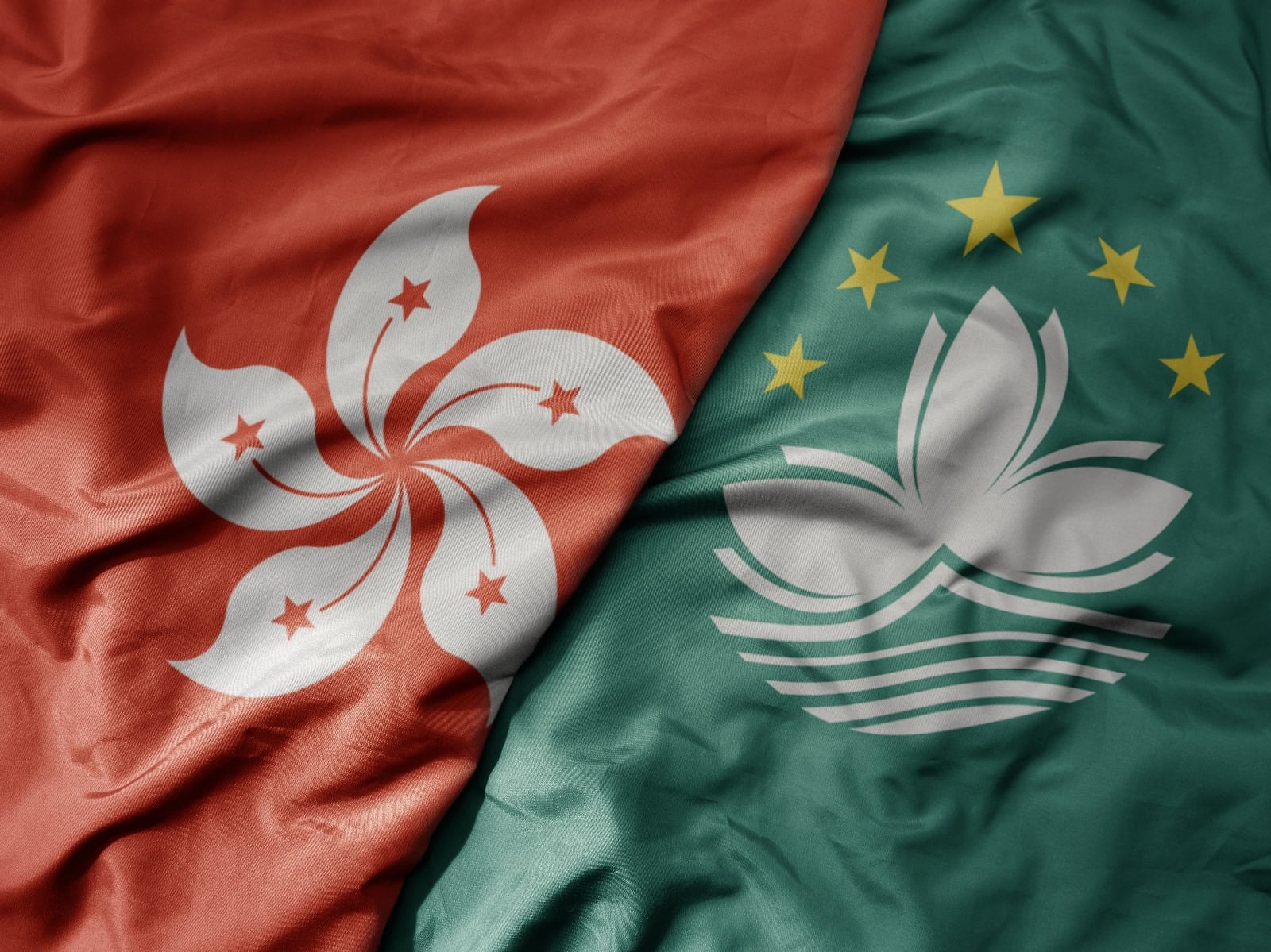
Hong Kong and Macao are twin superconnectors, each playing a unique role in connecting the Chinese mainland and the rest of the world. But with intensifying global competition and the urgent need for high-quality growth, the case for deeper integration between these two special administrative regions has never been stronger.
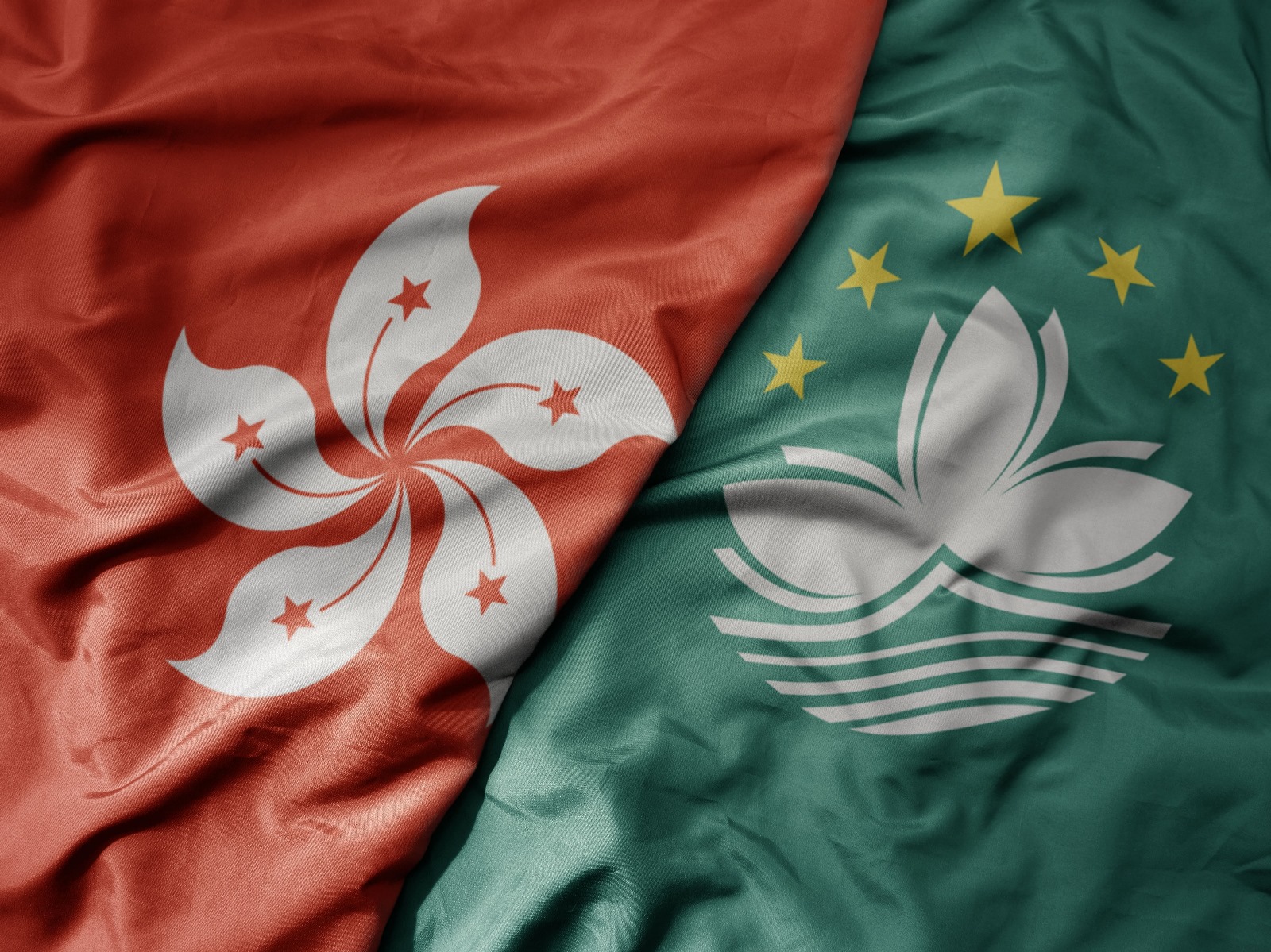
The European Union offers a striking comparison. Across 27 countries with diverse languages and cultures, EU citizens can live, work, and study freely without any border procedures. For Hong Kong and Macao, both SARs of China, there is no “border” between the two, merely an administrative boundary line. But borders do exist in our mindset and have impeded truly integrated development.
While we are keen to tell the modern-day A Tale of Two Cities to the world, international visitors already see the two cities as a single destination. Visitors from America, Europe, and the Asia-Pacific routinely include both cities on their respective itineraries. But integrated development goes way beyond a joint destination for international visitors. The two cities must embrace the mindset of “community of common destiny” and strive for integrated development that aligns strengths to enhance the global competitiveness of both cities.
The historical ties are deep. Many of Hong Kong’s early entrepreneurs originated from Macao, and many Macao enterprises were founded by Hong Kong investors. Today, both are redefining their global positioning. Hong Kong aspires to become an East-meets-West hub for international cultural exchange, whereas Macao aims to evolve into a world-class tourism, culture, and leisure center.
Their aspirations are complementary, not competing. But the agencies in both cities responsible for developing and promoting cultural, sports, tourism and mega events seem more inclined to operating in their own comfort zone without venturing out to embrace the opportunities of integration. When Hong Kong plans a mega international event, why not extend our international guests’ experience to Macao? When Macao organizes international cultural tourism activities, why not loop in Hong Kong to benefit from its global reach?
The idea of Hong Kong-Macao integrated development is not new. Since China’s reform and opening-up process started in the late 1970s, both cities have played pivotal roles in national growth. The real turning point came in 2019 with the release of the Outline Development Plan for the Guangdong-Hong Kong-Macao Greater Bay Area. This blueprint explicitly called for the integrated development of Hong Kong and Macao with other Greater Bay Area partner cities.
Macao, sitting on the west bank of the Pearl River, now has Hengqin New Area as its hinterland, enabling Macao’s industrial upgrading and economic diversification. Hong Kong, on the east bank, connects seamlessly with Shenzhen’s Qianhai, Guangzhou’s Nansha, and the Lok Ma Chau Loop area. They are the new powerhouse for Hong Kong’s innovation, technology transformation, and research commercialization. This “East Guangdong + West Guangdong” strategic layout represents two sides of a thriving community of common destiny.
Macao is rapidly diversifying beyond gaming, vigorously growing its international appeal as a cultural, leisure, entertainment, and higher-education destination for businesses, families, and visitors from around the world.
Similarly, Hong Kong is pivoting beyond finance and real estate in search of new growth engines. The Kai Tak Sports Park is a big boost to Hong Kong’s ambition to become a mega-event capital for sports, culture, and tourism. Coupled with the West Kowloon Cultural District, M+ museum, the Hong Kong Palace Museum, and related talent development initiatives, Hong Kong is well on its way to become an East-meets-West hub for international cultural exchange.
But challenges remain. Limited land supply, an aging population, limited upward mobility for youth, and incomplete ecosystems for innovation and technology continue to hold Hong Kong back.
In this context, it would be self-defeating for Hong Kong and Macao to each pursue separate development strategies. Their shared triumph lies in an integrated development that extends beyond tourism and mega events to encompass education, healthcare and tech innovation.
Take education. Despite its compact size, Macao boasts 10 higher education institutions and is fast becoming a regional education hub. The University of Macau, with its Hengqin Campus, is rivaling casinos as Macao’s new icon. With Putonghua (Mandarin) as the medium of instruction, complemented by Portuguese and English, Macao universities present a unique appeal to Chinese mainland and international students alike, laying a solid foundation for the internationalization of its higher education.
Here again, complementarity between Hong Kong and Macao comes naturally. Joint university curricula in Chinese, English, and Portuguese could nurture a new generation of multilingual professionals, facilitating Greater Bay Area enterprises’ entry into EU and Portuguese-speaking markets in Latin America and Africa.
Deeper academic collaboration is equally vital. Hong Kong’s research excellence and international networks, paired with Macao’s institutional strengths, can help translate academic output into practical innovation, overcoming both cities’ limitations in scale and institutional capacity.
On May 12, Hong Kong and Macao Affairs Office Director Xia Baolong met with business leaders in Macao and underscored the importance of new development prospects amid global changes. It is a reminder of the power of integrated development, a strategy that will take the two SARs on the road to glory and transform the Greater Bay Area by 2035 into a strategic hub for international and national dual circulation, a global talent center, a trillion-dollar tourism market, a renminbi internationalization powerhouse, and a global innovation center.
By then, “A Tale of Two Cities” will become a story of unity and purpose. Residents of the two cities will be free to live, work, and study without barriers — not only geographically, but also in terms of opportunities.


Hong Kong and Macao are twin superconnectors, each playing a unique role in connecting the Chinese mainland and the rest of the world. But with intensifying global competition and the urgent need for high-quality growth, the case for deeper integration between these two special administrative regions has never been stronger.
The European Union offers a striking comparison. Across 27 countries with diverse languages and cultures, EU citizens can live, work, and study freely without any border procedures. For Hong Kong and Macao, both SARs of China, there is no “border” between the two, merely an administrative boundary line. But borders do exist in our mindset and have impeded truly integrated development.
While we are keen to tell the modern-day A Tale of Two Cities to the world, international visitors already see the two cities as a single destination. Visitors from America, Europe, and the Asia-Pacific routinely include both cities on their respective itineraries. But integrated development goes way beyond a joint destination for international visitors. The two cities must embrace the mindset of “community of common destiny” and strive for integrated development that aligns strengths to enhance the global competitiveness of both cities.
The historical ties are deep. Many of Hong Kong’s early entrepreneurs originated from Macao, and many Macao enterprises were founded by Hong Kong investors. Today, both are redefining their global positioning. Hong Kong aspires to become an East-meets-West hub for international cultural exchange, whereas Macao aims to evolve into a world-class tourism, culture, and leisure center.
Their aspirations are complementary, not competing. But the agencies in both cities responsible for developing and promoting cultural, sports, tourism and mega events seem more inclined to operating in their own comfort zone without venturing out to embrace the opportunities of integration. When Hong Kong plans a mega international event, why not extend our international guests’ experience to Macao? When Macao organizes international cultural tourism activities, why not loop in Hong Kong to benefit from its global reach?
The idea of Hong Kong-Macao integrated development is not new. Since China’s reform and opening-up process started in the late 1970s, both cities have played pivotal roles in national growth. The real turning point came in 2019 with the release of the Outline Development Plan for the Guangdong-Hong Kong-Macao Greater Bay Area. This blueprint explicitly called for the integrated development of Hong Kong and Macao with other Greater Bay Area partner cities.
Macao, sitting on the west bank of the Pearl River, now has Hengqin New Area as its hinterland, enabling Macao’s industrial upgrading and economic diversification. Hong Kong, on the east bank, connects seamlessly with Shenzhen’s Qianhai, Guangzhou’s Nansha, and the Lok Ma Chau Loop area. They are the new powerhouse for Hong Kong’s innovation, technology transformation, and research commercialization. This “East Guangdong + West Guangdong” strategic layout represents two sides of a thriving community of common destiny.
Macao is rapidly diversifying beyond gaming, vigorously growing its international appeal as a cultural, leisure, entertainment, and higher-education destination for businesses, families, and visitors from around the world.
Similarly, Hong Kong is pivoting beyond finance and real estate in search of new growth engines. The Kai Tak Sports Park is a big boost to Hong Kong’s ambition to become a mega-event capital for sports, culture, and tourism. Coupled with the West Kowloon Cultural District, M+ museum, the Hong Kong Palace Museum, and related talent development initiatives, Hong Kong is well on its way to become an East-meets-West hub for international cultural exchange.
But challenges remain. Limited land supply, an aging population, limited upward mobility for youth, and incomplete ecosystems for innovation and technology continue to hold Hong Kong back.
In this context, it would be self-defeating for Hong Kong and Macao to each pursue separate development strategies. Their shared triumph lies in an integrated development that extends beyond tourism and mega events to encompass education, healthcare and tech innovation.
Take education. Despite its compact size, Macao boasts 10 higher education institutions and is fast becoming a regional education hub. The University of Macau, with its Hengqin Campus, is rivaling casinos as Macao’s new icon. With Putonghua (Mandarin) as the medium of instruction, complemented by Portuguese and English, Macao universities present a unique appeal to Chinese mainland and international students alike, laying a solid foundation for the internationalization of its higher education.
Here again, complementarity between Hong Kong and Macao comes naturally. Joint university curricula in Chinese, English, and Portuguese could nurture a new generation of multilingual professionals, facilitating Greater Bay Area enterprises’ entry into EU and Portuguese-speaking markets in Latin America and Africa.
Deeper academic collaboration is equally vital. Hong Kong’s research excellence and international networks, paired with Macao’s institutional strengths, can help translate academic output into practical innovation, overcoming both cities’ limitations in scale and institutional capacity.
On May 12, Hong Kong and Macao Affairs Office Director Xia Baolong met with business leaders in Macao and underscored the importance of new development prospects amid global changes. It is a reminder of the power of integrated development, a strategy that will take the two SARs on the road to glory and transform the Greater Bay Area by 2035 into a strategic hub for international and national dual circulation, a global talent center, a trillion-dollar tourism market, a renminbi internationalization powerhouse, and a global innovation center.
By then, “A Tale of Two Cities” will become a story of unity and purpose. Residents of the two cities will be free to live, work, and study without barriers — not only geographically, but also in terms of opportunities.