







Grasping Global Geopolitical and Economic Shifts; Seizing New Opportunities for Hong Kong's Maritime Industry




Grasping Global Geopolitical and Economic Shifts; Seizing New Opportunities for Hong Kong's Maritime Industry

The source text is in Chinese. This English version is for reference only. In case of any discrepancy between this English version and the Chinese version, the Chinese version shall prevail.
Over the past year, the global logistics supply chain has encountered unprecedented challenges as international trade has been severely disrupted by ongoing conflicts around the globe. However, whenever a major upheaval occurs, the logistics industry's landscape is reshaped. Moreover, as the Belt and Road Initiative (BRI) continues to deepen, new commercial opportunities will emerge, offering Hong Kong’s logistics industry a chance to reinvigorate. The key to maintaining the city’s competitiveness amidst upheavals lies in leveraging changing situations, turning challenges into opportunities, and enhancing Hong Kong’s role in collaboration with the BRI economies.
Developing Europe-Asia Intermodal Transport to Address the Red Sea Crisis
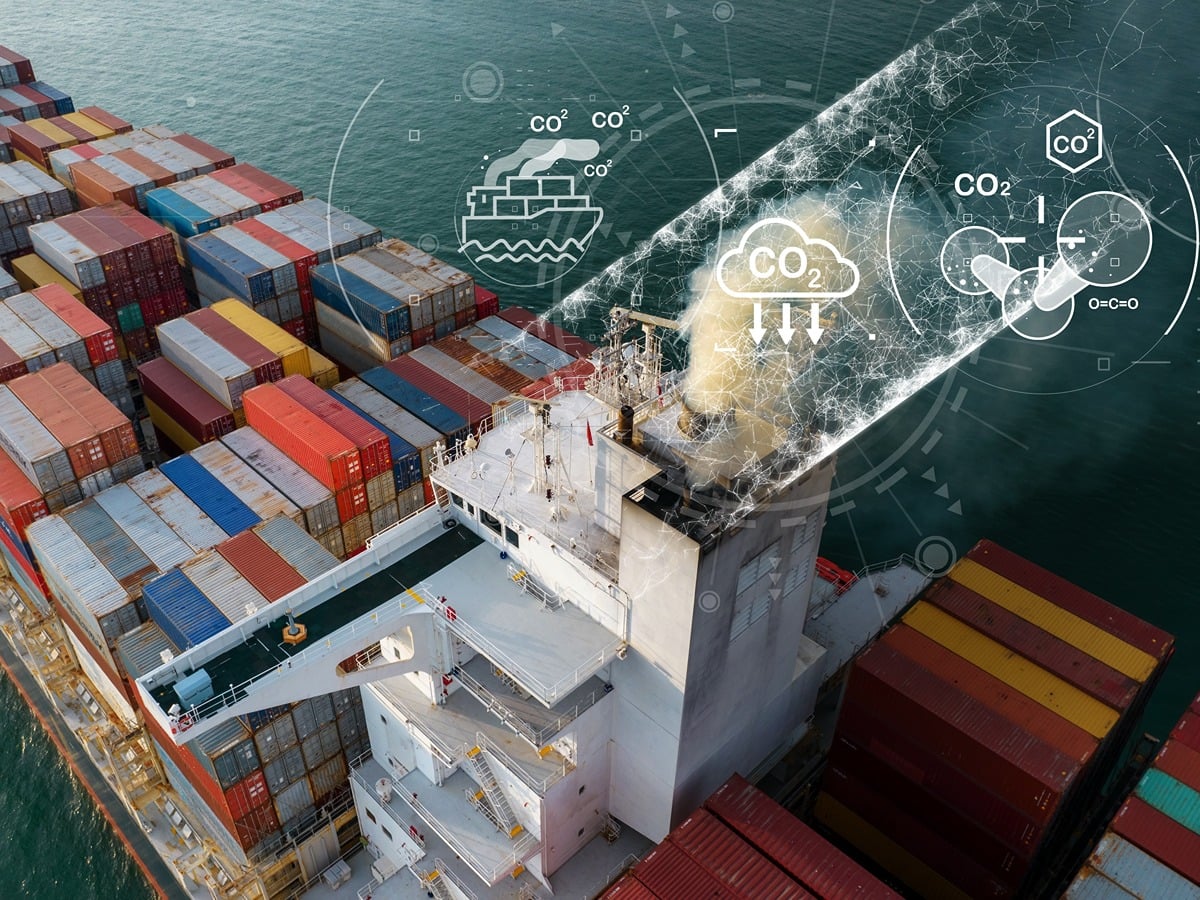
The maritime route stretching from the Suez Canal to the Gulf of Aden has long served as a critical artery for shipping between Europe and Asia, handling more than 10% of the global trade volume. Since the end of 2023, however, conflicts in Gaza, Lebanon, and Yemen has continued and there have been attacks on many cargo vessels transiting Yemeni waters, forcing shipping companies and cargo owners to avoid these routes. Consequently, all major Europe-Asia shipping routes have now diverted around the Cape of Good Hope in South Africa. According to statistics, voyages on Europe-Asia routes are up to 3,500 nautical miles longer that before the Red Sea crisis, increasing cargo transit times by approximately 30%. Despite the entry of many newly-built vessels into service last year, the extended voyages caused by armed conflicts have shrunk global maritime shipping capacity by nearly 10%. Container freight rates, shipping durations, and average cargo delays have therefore remained at historically high levels. The Red Sea crisis has had a direct, significant impact on cargo owners, forwarders, and consumers in the form of soaring transport costs and price levels.
Facing both high transport costs and severe cargo delays, cargo owners and logistics providers have actively sought alternative transportation arrangements. In particular, the industry has turned to sea-air freight solutions via the Middle East for cargo shipments with higher time sensitivity. Goods exported from Asia to Europe can first be shipped by sea to Middle Eastern free trade zones, such as Dubai, where local advantages of intermodal transport can be exploited. From there, the goods can be forwarded to European destinations via air freight. Many Middle Eastern countries have been developing intermodal transportation for years now, and the Red Sea crisis thus presents Hong Kong with an ideal opportunity to develop related businesses. Hong Kong could proactively explore collaborations with Middle Eastern logistics providers, offering more timely and efficient transport solutions to its clients.
Harnessing Major Port Congestion to Capture Small- and Medium-Sized Vessel Market
Meanwhile, the United State President Donald Trump was elected and threatened to impose tariffs on goods from China and certain major trading partners. Therefore, many exporters were prompted to accelerate shipments to destination markets in Europe and America ahead of his inauguration, rather than being affected by unpredictable tariffs and trade barriers. This has created a sudden surge in shipping demand, with delays of several days in major Asian ports, such as Singapore and Shanghai. Additionally, the Red Sea crisis has forced many shipping routes to reroute, further exacerbating congestion at certain ports due to increased transshipment needs.
The adjustments caused by congestion at major international ports present short-term development opportunities for Hong Kong. To avoid delays at congested ports spilling over to their other routes, some shipping companies have decided to bypass the heavily affected ports. Hong Kong can capitalise on the opportunity to develop the business of these diverted routes, particularly focusing on small- and medium-sized container vessels with capacities below 20,000 twenty-foot equivalent units (TEUs). As the global supply chain restructure, many companies now disperse their sourcing to multiple locations to reduce reliance on a single production base. This increasingly fragmented demand is driving the use of smaller, more flexible ships capable of linking less-developed production regions to established transshipment hubs. Hong Kong should embrace this trend by aggregating fragmented transshipment demands, and redefining its role and competitiveness as a vital transshipment hub.
Expanding Commodity-related Services and RMB-denominated Trading to Improve Attractiveness
The Middle East is a major global crude-oil exporting region, generating significant vessel traffic carrying crude oil from Middle Eastern ports worldwide. Yet, these vessels subsequently return empty, due to a lack of backhaul cargo opportunities, leading to a waste of vessel capacity. With global shipping increasingly focusing on green transition, demand for green fuels is rising. Since Mainland China is one of the world’s leading producers of green fuels with the supply chains of biodiesel and green methanol, utilising air cargo capacity to support the Mainland in the export of green fuel will be a substantial opportunities. While it is technically feasible to use existing oil tankers to transport green fuels, in practice, depending on fuel characteristics, additional washing of tankers and cargoes may be required, thus increasing port turnaround time and maintenance costs. The Government and the logistics industry should jointly study the compatibility of various green fuels with traditional tankers to identify economically viable green fuel transport solutions, furthering Hong Kong’s expansion into green fuel logistics.
Moreover, many Middle Eastern countries have shown increasing interest in RMB-denominated commodities and financial instruments. In the light of the intensifying Sino-US trade tensions, numerous countries are seeking to reduce their reliance on the US dollar and the US-led financial system to mitigate systemic risks. The Saudi Central Bank recently signed an RMB 50 billion-sized bilateral currency swap agreement with the People’s Bank of China, expressing openness to using RMB in oil transactions, which is a clear sign of advancing RMB internationalisation. Hong Kong should seize this opportunity by developing further RMB-denominated commodity contracts and diversified product offerings, especially related to green fuels. Not only is this in line with the Government’s goal of becoming a major commodities trading centre but also serves the national strategy.
While the Red Sea crisis has posed significant challenges to global logistics, it has also provided Hong Kong with a unique opportunity to reinvent its competitiveness. By flexibly responding to market changes, strengthening collaboration with emerging markets, and proactively promoting green fuel logistics and RMB-denominated commodity services, Hong Kong can explore new business prospects amidst global uncertainty, enhance its role and functions as a "super-connector" in the BRI, and establish a distinctive position in the global logistics landscape.


The source text is in Chinese. This English version is for reference only. In case of any discrepancy between this English version and the Chinese version, the Chinese version shall prevail.
Over the past year, the global logistics supply chain has encountered unprecedented challenges as international trade has been severely disrupted by ongoing conflicts around the globe. However, whenever a major upheaval occurs, the logistics industry's landscape is reshaped. Moreover, as the Belt and Road Initiative (BRI) continues to deepen, new commercial opportunities will emerge, offering Hong Kong’s logistics industry a chance to reinvigorate. The key to maintaining the city’s competitiveness amidst upheavals lies in leveraging changing situations, turning challenges into opportunities, and enhancing Hong Kong’s role in collaboration with the BRI economies.
Developing Europe-Asia Intermodal Transport to Address the Red Sea Crisis
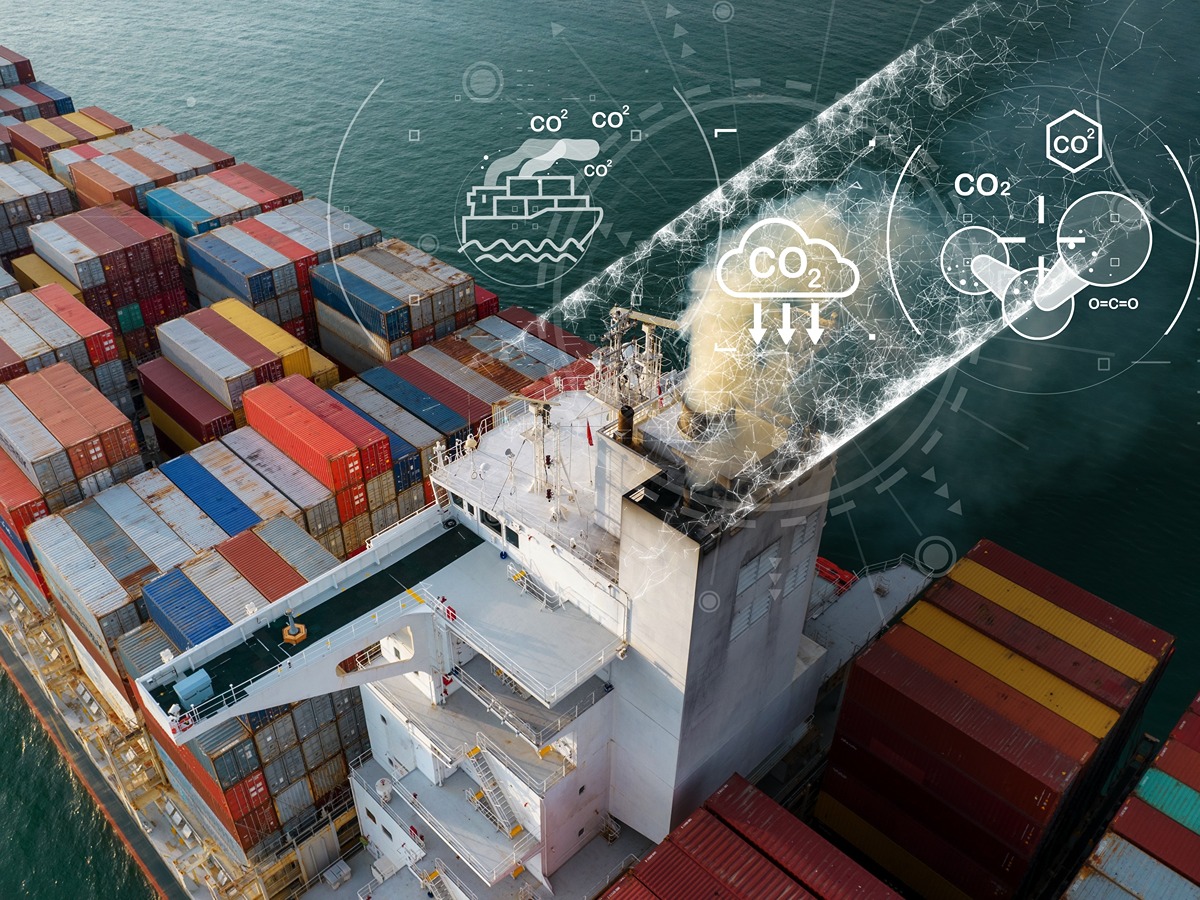
The maritime route stretching from the Suez Canal to the Gulf of Aden has long served as a critical artery for shipping between Europe and Asia, handling more than 10% of the global trade volume. Since the end of 2023, however, conflicts in Gaza, Lebanon, and Yemen has continued and there have been attacks on many cargo vessels transiting Yemeni waters, forcing shipping companies and cargo owners to avoid these routes. Consequently, all major Europe-Asia shipping routes have now diverted around the Cape of Good Hope in South Africa. According to statistics, voyages on Europe-Asia routes are up to 3,500 nautical miles longer that before the Red Sea crisis, increasing cargo transit times by approximately 30%. Despite the entry of many newly-built vessels into service last year, the extended voyages caused by armed conflicts have shrunk global maritime shipping capacity by nearly 10%. Container freight rates, shipping durations, and average cargo delays have therefore remained at historically high levels. The Red Sea crisis has had a direct, significant impact on cargo owners, forwarders, and consumers in the form of soaring transport costs and price levels.
Facing both high transport costs and severe cargo delays, cargo owners and logistics providers have actively sought alternative transportation arrangements. In particular, the industry has turned to sea-air freight solutions via the Middle East for cargo shipments with higher time sensitivity. Goods exported from Asia to Europe can first be shipped by sea to Middle Eastern free trade zones, such as Dubai, where local advantages of intermodal transport can be exploited. From there, the goods can be forwarded to European destinations via air freight. Many Middle Eastern countries have been developing intermodal transportation for years now, and the Red Sea crisis thus presents Hong Kong with an ideal opportunity to develop related businesses. Hong Kong could proactively explore collaborations with Middle Eastern logistics providers, offering more timely and efficient transport solutions to its clients.
Harnessing Major Port Congestion to Capture Small- and Medium-Sized Vessel Market
Meanwhile, the United State President Donald Trump was elected and threatened to impose tariffs on goods from China and certain major trading partners. Therefore, many exporters were prompted to accelerate shipments to destination markets in Europe and America ahead of his inauguration, rather than being affected by unpredictable tariffs and trade barriers. This has created a sudden surge in shipping demand, with delays of several days in major Asian ports, such as Singapore and Shanghai. Additionally, the Red Sea crisis has forced many shipping routes to reroute, further exacerbating congestion at certain ports due to increased transshipment needs.
The adjustments caused by congestion at major international ports present short-term development opportunities for Hong Kong. To avoid delays at congested ports spilling over to their other routes, some shipping companies have decided to bypass the heavily affected ports. Hong Kong can capitalise on the opportunity to develop the business of these diverted routes, particularly focusing on small- and medium-sized container vessels with capacities below 20,000 twenty-foot equivalent units (TEUs). As the global supply chain restructure, many companies now disperse their sourcing to multiple locations to reduce reliance on a single production base. This increasingly fragmented demand is driving the use of smaller, more flexible ships capable of linking less-developed production regions to established transshipment hubs. Hong Kong should embrace this trend by aggregating fragmented transshipment demands, and redefining its role and competitiveness as a vital transshipment hub.
Expanding Commodity-related Services and RMB-denominated Trading to Improve Attractiveness
The Middle East is a major global crude-oil exporting region, generating significant vessel traffic carrying crude oil from Middle Eastern ports worldwide. Yet, these vessels subsequently return empty, due to a lack of backhaul cargo opportunities, leading to a waste of vessel capacity. With global shipping increasingly focusing on green transition, demand for green fuels is rising. Since Mainland China is one of the world’s leading producers of green fuels with the supply chains of biodiesel and green methanol, utilising air cargo capacity to support the Mainland in the export of green fuel will be a substantial opportunities. While it is technically feasible to use existing oil tankers to transport green fuels, in practice, depending on fuel characteristics, additional washing of tankers and cargoes may be required, thus increasing port turnaround time and maintenance costs. The Government and the logistics industry should jointly study the compatibility of various green fuels with traditional tankers to identify economically viable green fuel transport solutions, furthering Hong Kong’s expansion into green fuel logistics.
Moreover, many Middle Eastern countries have shown increasing interest in RMB-denominated commodities and financial instruments. In the light of the intensifying Sino-US trade tensions, numerous countries are seeking to reduce their reliance on the US dollar and the US-led financial system to mitigate systemic risks. The Saudi Central Bank recently signed an RMB 50 billion-sized bilateral currency swap agreement with the People’s Bank of China, expressing openness to using RMB in oil transactions, which is a clear sign of advancing RMB internationalisation. Hong Kong should seize this opportunity by developing further RMB-denominated commodity contracts and diversified product offerings, especially related to green fuels. Not only is this in line with the Government’s goal of becoming a major commodities trading centre but also serves the national strategy.
While the Red Sea crisis has posed significant challenges to global logistics, it has also provided Hong Kong with a unique opportunity to reinvent its competitiveness. By flexibly responding to market changes, strengthening collaboration with emerging markets, and proactively promoting green fuel logistics and RMB-denominated commodity services, Hong Kong can explore new business prospects amidst global uncertainty, enhance its role and functions as a "super-connector" in the BRI, and establish a distinctive position in the global logistics landscape.