






Wuhan virus outbreak and Sars history should push Hong Kong towards bold steps in research collaboration




Wuhan virus outbreak and Sars history should push Hong Kong towards bold steps in research collaboration

Authors: Anne Li, Researcher, and Melvin Kan, Assistant Researcher at Our Hong Kong Foundation
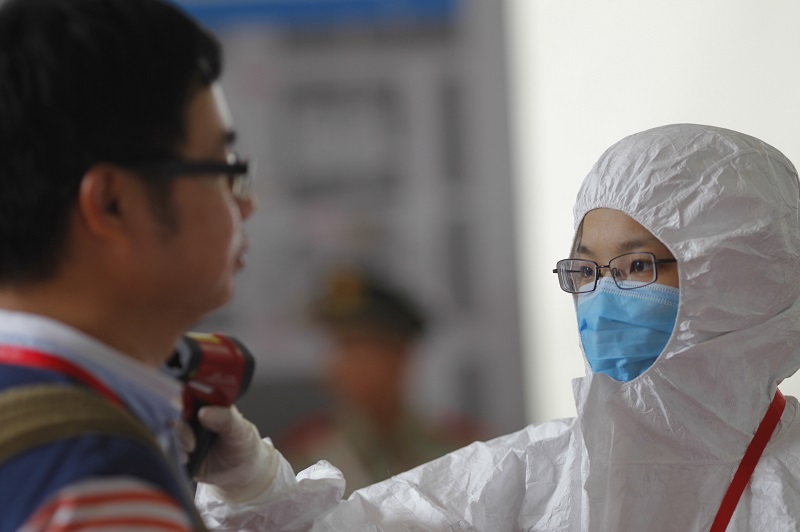
As Hong Kong remains vigilant in the face of the pneumonia outbreak in Wuhan, memories of the city’s fight against the severe acute respiratory syndrome (Sars) outbreak are still fresh. A key factor in the defeat of the Sars epidemic was the concerted effort led by the World Health Organisation, which included universities, hospitals and government laboratories across 10 countries.
Through a progressive model of open collaboration, researchers prioritised the greater good over their personal gain and shared their research findings on a common WHO database. As a result, the Sars coronavirus was swiftly identified as the cause of the illness, which helped efforts to contain the spread of the disease and laid the foundation for the ongoing quest for a cure.
As scientific developments become more complex, research collaboration is more important than ever. Unfortunately, the collaborative spirit shown during the Sars epidemic was short-lived, holding back Hong Kong’s progress in innovation in science and technology.
To foster scientific collaboration, Hong Kong needs to establish mega research institutes.
Researchers at Harvard University and the Massachusetts Institute of Technology in the United States were pioneers in advancing scientific collaboration, proposing to establish mega research institutes as a new model of collaboration in 2004.
Despite being traditional rivals, biomedical and genomic researchers from both schools realised that individual-based and discipline-based research models were old-fashioned and ill-suited for overcoming increasingly complex scientific challenges.
As a result, Harvard and MIT jointly established the Broad Institute. Since its foundation, the institute has fostered collaboration between the fields of biology, chemistry, mathematics, computational engineering and medical science to deal with critical scientific challenges that affect human health.
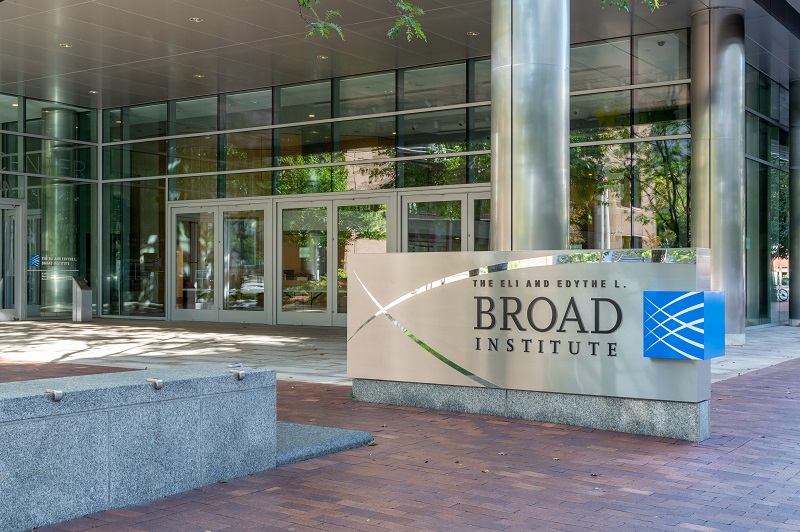
Endowed with substantial financial resources, coupled with the ability to attract the world’s top talent, the Broad Institute has made exceptional achievements in, for example, cancer research.
In recent years, targeted therapy drugs have been developed for breast and lung cancers. However, patients had to go through multiple rounds of trial and error to identify the most suitable drug, which added to their physiological, psychological and financial stress.
Based on a thesis about rapid DNA sequencing that the Board Institute published in 2007, a new test was developed whereby 200 gene mutations could be detected using just one biopsy, which helps doctors quickly identify the most effective prescription and clinical trial drugs to treat a particular patient.
In fact, Steve Jobs, the founder of Apple, was so impressed by this technological breakthrough that he said: “I’m either going to be one of the first to be able to outrun a cancer like this, or I’m going to be one of the last to die from it.”
Besides cancer, the Broad Institute has also resolved critical health challenges involving infectious and hereditary diseases. In 2014, when the Ebola virus was spreading rapidly across West Africa, the institute teamed up with local health departments to analyse the virus, identifying 300 gene mutations. Their research enabled the rapid screening of the virus, contained its spread and helped speed up the development of a vaccine.
The successes of the Broad Institute demonstrate that mega research institutes offer a collaborative model that works, leading many other countries to follow suit and establish their own such institutes.
In 2016, three leading London universities teamed up with three of Britain’s largest biomedical research organisations to create the Francis Crick Institute, dubbed the St Paul’s Cathedral of global biomedical research. Meanwhile, Spain and Qatar have established mega research institutes in epidemiology and computing research respectively.
In mainland China, mega research institutes have been set up to advance cross-disciplinary scientific research – the Shanghai Research Centre for Brain Science and Brain-Inspired Intelligence, and the Guangzhou Regenerative Medicine and Health Guangdong Laboratory.
Despite Hong Kong’s strong foundation in basic research, the city lacks platforms for interdisciplinary collaboration. Now that the model has been well established internationally, Hong Kong should set up its own mega research institutes to foster a collaborative culture among researchers and empower them to tackle critical scientific challenges.
Establishing mega research institutes will help ease the undersupply of research talent and lack of job opportunities in scientific fields, as it will provide a promising career pathway for postdoctoral researchers.
These institutes could also attract more secondary-school students to pursue STEM (science, technology, engineering and mathematics) subjects, helping the entire innovation ecosystem in Hong Kong to flourish.
Science and technology innovation will be a major engine of economic growth in the future and Hong Kong cannot afford to miss the narrow window of opportunity that is now open. Setting up mega research institutes is a key step towards Hong Kong becoming an international research and development powerhouse.


Authors: Anne Li, Researcher, and Melvin Kan, Assistant Researcher at Our Hong Kong Foundation
As Hong Kong remains vigilant in the face of the pneumonia outbreak in Wuhan, memories of the city’s fight against the severe acute respiratory syndrome (Sars) outbreak are still fresh. A key factor in the defeat of the Sars epidemic was the concerted effort led by the World Health Organisation, which included universities, hospitals and government laboratories across 10 countries.
Through a progressive model of open collaboration, researchers prioritised the greater good over their personal gain and shared their research findings on a common WHO database. As a result, the Sars coronavirus was swiftly identified as the cause of the illness, which helped efforts to contain the spread of the disease and laid the foundation for the ongoing quest for a cure.
As scientific developments become more complex, research collaboration is more important than ever. Unfortunately, the collaborative spirit shown during the Sars epidemic was short-lived, holding back Hong Kong’s progress in innovation in science and technology.
To foster scientific collaboration, Hong Kong needs to establish mega research institutes.
Researchers at Harvard University and the Massachusetts Institute of Technology in the United States were pioneers in advancing scientific collaboration, proposing to establish mega research institutes as a new model of collaboration in 2004.
Despite being traditional rivals, biomedical and genomic researchers from both schools realised that individual-based and discipline-based research models were old-fashioned and ill-suited for overcoming increasingly complex scientific challenges.
As a result, Harvard and MIT jointly established the Broad Institute. Since its foundation, the institute has fostered collaboration between the fields of biology, chemistry, mathematics, computational engineering and medical science to deal with critical scientific challenges that affect human health.
Endowed with substantial financial resources, coupled with the ability to attract the world’s top talent, the Broad Institute has made exceptional achievements in, for example, cancer research.
In recent years, targeted therapy drugs have been developed for breast and lung cancers. However, patients had to go through multiple rounds of trial and error to identify the most suitable drug, which added to their physiological, psychological and financial stress.
Based on a thesis about rapid DNA sequencing that the Board Institute published in 2007, a new test was developed whereby 200 gene mutations could be detected using just one biopsy, which helps doctors quickly identify the most effective prescription and clinical trial drugs to treat a particular patient.
In fact, Steve Jobs, the founder of Apple, was so impressed by this technological breakthrough that he said: “I’m either going to be one of the first to be able to outrun a cancer like this, or I’m going to be one of the last to die from it.”
Besides cancer, the Broad Institute has also resolved critical health challenges involving infectious and hereditary diseases. In 2014, when the Ebola virus was spreading rapidly across West Africa, the institute teamed up with local health departments to analyse the virus, identifying 300 gene mutations. Their research enabled the rapid screening of the virus, contained its spread and helped speed up the development of a vaccine.
The successes of the Broad Institute demonstrate that mega research institutes offer a collaborative model that works, leading many other countries to follow suit and establish their own such institutes.
In 2016, three leading London universities teamed up with three of Britain’s largest biomedical research organisations to create the Francis Crick Institute, dubbed the St Paul’s Cathedral of global biomedical research. Meanwhile, Spain and Qatar have established mega research institutes in epidemiology and computing research respectively.
In mainland China, mega research institutes have been set up to advance cross-disciplinary scientific research – the Shanghai Research Centre for Brain Science and Brain-Inspired Intelligence, and the Guangzhou Regenerative Medicine and Health Guangdong Laboratory.
Despite Hong Kong’s strong foundation in basic research, the city lacks platforms for interdisciplinary collaboration. Now that the model has been well established internationally, Hong Kong should set up its own mega research institutes to foster a collaborative culture among researchers and empower them to tackle critical scientific challenges.
Establishing mega research institutes will help ease the undersupply of research talent and lack of job opportunities in scientific fields, as it will provide a promising career pathway for postdoctoral researchers.
These institutes could also attract more secondary-school students to pursue STEM (science, technology, engineering and mathematics) subjects, helping the entire innovation ecosystem in Hong Kong to flourish.
Science and technology innovation will be a major engine of economic growth in the future and Hong Kong cannot afford to miss the narrow window of opportunity that is now open. Setting up mega research institutes is a key step towards Hong Kong becoming an international research and development powerhouse.