





How Hong Kong can maintain a competitive edge in fintech development




How Hong Kong can maintain a competitive edge in fintech development

Authors: Kenny Shui, senior researcher and Jonathan Ng, assistant researcher at the Public Policy Institute of Our Hong Kong Foundation
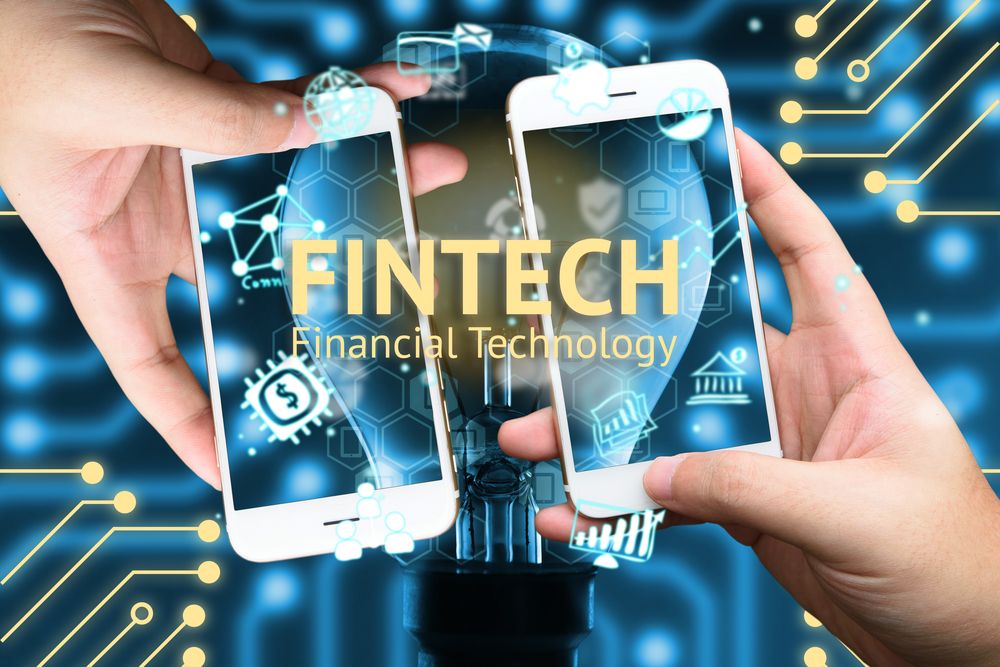
Hong Kong is a well-known international financial centre, and financial technology is one of the major trends affecting the global financial community. Two weeks ago, the Hong Kong Monetary Authority outlined a plan to launch an enhanced fintech supervisory sandbox this year. It’s clear the government is taking fintech seriously.
The HKMA’s sandbox, along with the Securities and Futures Commission’s and the Insurance Authority’s new sandboxes are all examples of a “safe place” for fintech entities to test products in a restricted environment without the usual regulatory consequence of pilot activities.
We recently presented an advocacy study highlighting four aspects of the existing fintech supervisory sandbox that could be improved: collaboration, inclusivity, facilitation and scalability. It is encouraging to see that the HKMA’s enhanced sandbox reflects our considerations in at least three areas, but we still believe improvements can be made.
The first aspect is in collaboration. Plans to link the SFC’s and Insurance Authority’s new regulatory sandboxes with that of the HKMA, creating a single point of entry for cross-sector fintech, is welcome.
But because Hong Kong has separate regulators, time and effort may still be needed to assess the viability of linking the three sandboxes. Thus, the government should consider a new administrative office, perhaps under the existing Financial Stability Committee. This would allow multiple inputs from different regulators, so the administrative office could ensure cross-sector regulatory procedures are more streamlined and efficient.
Second is inclusivity. We appreciate that the HKMA is taking the needs of fintech firms into account, establishing a “fintech supervisory chat room” to provide direct feedback, but they still need to collaborate with banks to participate in the fintech supervisory sandbox. Sandboxes in jurisdictions such as Australia, Singapore and the UK are even accessible for fintech start-ups.
Therefore, a more inclusive approach for fintech start-ups should be considered. The administrative office should grant eligible start-ups up to 24 months for product testing.

The third aspect is facilitation. While the plan to set up a single point of entry to facilitate cross-sector fintech product testing is welcome, further improvements are possible. More specifically, there is no single point of contact in Hong Kong to assist overseas fintech companies in obtaining operating licenses.
Take as an example Lufax, one of China’s largest internet finance platforms, which chose Singapore over Hong Kong to set up its first overseas platform. The decision can be attributed to the fact that Singapore has a single regulator to deal with, while Hong Kong’s various regulators made the licensing process more time-consuming.
Hence, the new administrative office should act as a one-stop shop to assist large and overseas fintech companies get the appropriate licences by dealing with the different regulatory bodies if they want to establish a platform in Hong Kong.
Lastly, while the HKMA has made attempts to address the three aspects above, scalability needs to be considered. Once the testing period ends, successful fintech start-ups can either obtain a full licence or consider reapplying for the sandbox if a licence has not yet been granted. However, those eligible to reapply may want to expand their market reach.
To rectify this aspect, upon successful completion of sandbox testing, the start-up could be allowed to apply to have their initial testing restrictions lifted, such as by expanding the number of customers.
Improving Hong Kong’s regulatory sandboxes does not necessarily mean we will succeed in fintech. However, if we don’t try to improve, the chances of success will be diminished. In light of Hong Kong’s comparative advantage in finance, we should seize this opportunity and maintain our competitive edge in fintech development.


Authors: Kenny Shui, senior researcher and Jonathan Ng, assistant researcher at the Public Policy Institute of Our Hong Kong Foundation
Hong Kong is a well-known international financial centre, and financial technology is one of the major trends affecting the global financial community. Two weeks ago, the Hong Kong Monetary Authority outlined a plan to launch an enhanced fintech supervisory sandbox this year. It’s clear the government is taking fintech seriously.
The HKMA’s sandbox, along with the Securities and Futures Commission’s and the Insurance Authority’s new sandboxes are all examples of a “safe place” for fintech entities to test products in a restricted environment without the usual regulatory consequence of pilot activities.
We recently presented an advocacy study highlighting four aspects of the existing fintech supervisory sandbox that could be improved: collaboration, inclusivity, facilitation and scalability. It is encouraging to see that the HKMA’s enhanced sandbox reflects our considerations in at least three areas, but we still believe improvements can be made.
The first aspect is in collaboration. Plans to link the SFC’s and Insurance Authority’s new regulatory sandboxes with that of the HKMA, creating a single point of entry for cross-sector fintech, is welcome.
But because Hong Kong has separate regulators, time and effort may still be needed to assess the viability of linking the three sandboxes. Thus, the government should consider a new administrative office, perhaps under the existing Financial Stability Committee. This would allow multiple inputs from different regulators, so the administrative office could ensure cross-sector regulatory procedures are more streamlined and efficient.
Second is inclusivity. We appreciate that the HKMA is taking the needs of fintech firms into account, establishing a “fintech supervisory chat room” to provide direct feedback, but they still need to collaborate with banks to participate in the fintech supervisory sandbox. Sandboxes in jurisdictions such as Australia, Singapore and the UK are even accessible for fintech start-ups.
Therefore, a more inclusive approach for fintech start-ups should be considered. The administrative office should grant eligible start-ups up to 24 months for product testing.
The third aspect is facilitation. While the plan to set up a single point of entry to facilitate cross-sector fintech product testing is welcome, further improvements are possible. More specifically, there is no single point of contact in Hong Kong to assist overseas fintech companies in obtaining operating licenses.
Take as an example Lufax, one of China’s largest internet finance platforms, which chose Singapore over Hong Kong to set up its first overseas platform. The decision can be attributed to the fact that Singapore has a single regulator to deal with, while Hong Kong’s various regulators made the licensing process more time-consuming.
Hence, the new administrative office should act as a one-stop shop to assist large and overseas fintech companies get the appropriate licences by dealing with the different regulatory bodies if they want to establish a platform in Hong Kong.
Lastly, while the HKMA has made attempts to address the three aspects above, scalability needs to be considered. Once the testing period ends, successful fintech start-ups can either obtain a full licence or consider reapplying for the sandbox if a licence has not yet been granted. However, those eligible to reapply may want to expand their market reach.
To rectify this aspect, upon successful completion of sandbox testing, the start-up could be allowed to apply to have their initial testing restrictions lifted, such as by expanding the number of customers.
Improving Hong Kong’s regulatory sandboxes does not necessarily mean we will succeed in fintech. However, if we don’t try to improve, the chances of success will be diminished. In light of Hong Kong’s comparative advantage in finance, we should seize this opportunity and maintain our competitive edge in fintech development.