










Hong Kong needs an industrial policy to keep up with rapidly evolving trade logistics




Hong Kong needs an industrial policy to keep up with rapidly evolving trade logistics

Authors: Ryan Ip, head of land and housing research, and Monte Mu, researcher at Our Hong Kong Foundation
Without an industrial blueprint and economic planning, Hong Kong may miss the opportunities in modern logistics, as a land shortage restricts the growth of the larger warehouses and data centres needed in the evolution.
While the world economic outlook remains uncertain, one thing for certain is that the Covid-19 pandemic has fuelled the growth of the stay-at-home economy. From groceries to clothes, more shoppers now realise these can all be delivered with a few clicks of a mouse.
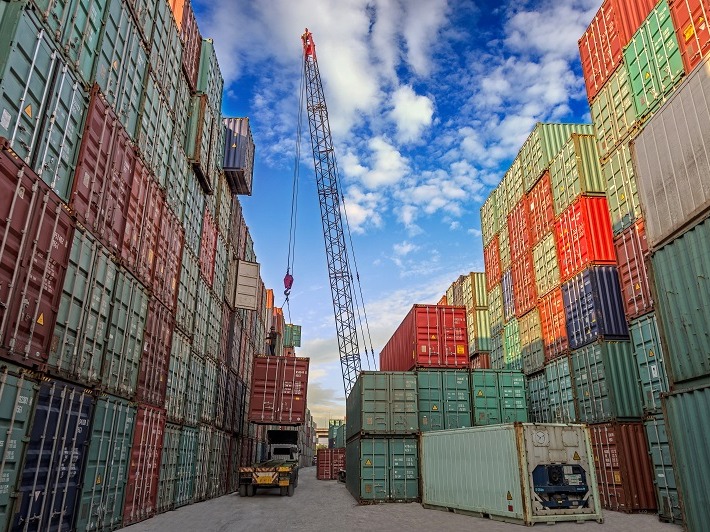
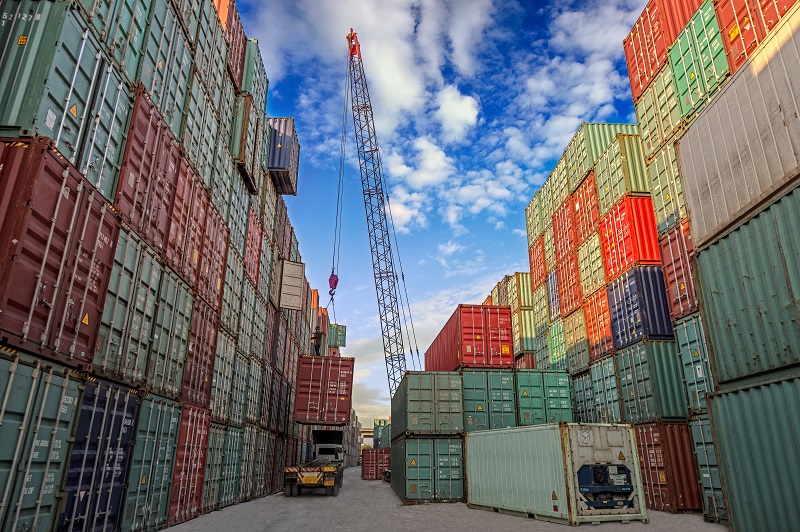
As e-commerce gains momentum, this also presents enormous opportunities for the logistics industry. However, Hong Kong, despite being a renowned trading and logistics hub, may miss out, given the shortage of modern facilities.
As manufacturers allocate different production processes to different countries to take advantage of the international division of labour, logistics have become an essential link in the supply chain. And, as more shoppers move online, product delivery is increasingly relying on logistics services such as last-mile delivery. Meanwhile, demand for land has changed as traditional storefronts are gradually replaced by online shopping platforms.
Larger modern warehouses and logistics centres are crucial to the operation of e-commerce platforms; they accommodate a greater number and variety of products and make it easier to centralise order management. This saves on delivery costs by reducing the need to deploy goods to different warehouses and improves customer experience as they receive their orders in one go.
Technology such as 5G communications, the internet of things, artificial intelligence and big data analytics can significantly improve logistics operators’ productivity. They may even have profound implications on the retail model. Smarter demand forecasting and anticipatory shipping is just one application of data analytics in modern logistics.
Data about customers’ purchase history, shopping cart status and even real-time mouse clicking behaviour can be used by companies to predict where certain products may be sold, and where certain products can be shipped closer to potential customers, shortening delivery time. As more analytics are embedded in the business process, more space for data centres will be required.
The key question is whether the Hong Kong government is ready for this rapidly changing landscape, to place the city in the best position to embrace the industry evolution.
The development of Hong Kong’s logistics industry has long been constrained by a shortage of space and facilities. Logistics services nowadays, characterised by high volume and turnover, require modern spaces with high ceilings, heavy floor loading and access ramps to higher floors. Facilities common to Hong Kong such as general warehouses and flatted factory buildings hardly meet these needs.
While the world economic outlook remains uncertain, one thing for certain is that the Covid-19 pandemic has fuelled the growth of the stay-at-home economy. From groceries to clothes, more shoppers now realise these can all be delivered with a few clicks of a mouse.
As e-commerce gains momentum, this also presents enormous opportunities for the logistics industry. However, Hong Kong, despite being a renowned trading and logistics hub, may miss out, given the shortage of modern facilities.
As manufacturers allocate different production processes to different countries to take advantage of the international division of labour, logistics have become an essential link in the supply chain. And, as more shoppers move online, product delivery is increasingly relying on logistics services such as last-mile delivery. Meanwhile, demand for land has changed as traditional storefronts are gradually replaced by online shopping platforms.
Larger modern warehouses and logistics centres are crucial to the operation of e-commerce platforms; they accommodate a greater number and variety of products and make it easier to centralise order management. This saves on delivery costs by reducing the need to deploy goods to different warehouses and improves customer experience as they receive their orders in one go.
Technology such as 5G communications, the internet of things, artificial intelligence and big data analytics can significantly improve logistics operators’ productivity. They may even have profound implications on the retail model. Smarter demand forecasting and anticipatory shipping is just one application of data analytics in modern logistics.
Data about customers’ purchase history, shopping cart status and even real-time mouse clicking behaviour can be used by companies to predict where certain products may be sold, and where certain products can be shipped closer to potential customers, shortening delivery time. As more analytics are embedded in the business process, more space for data centres will be required.
The key question is whether the Hong Kong government is ready for this rapidly changing landscape, to place the city in the best position to embrace the industry evolution.
With the growing demand for data analysis and cloud computing, there will be a need for more quality space to build data centres. However, given the scarcity of land in Hong Kong, quality logistics facilities often have very low vacancy rates and high rents.
This land shortage is a direct consequence of the absence of an industrial blueprint to guide both government departments and market players. While periodic reviews such as HK2030+ are conducted by the Development Bureau, the studies are a limited effort to paint a clearer picture of the city’s future economic development, making it difficult to grasp the true industrial land demand.
To better support Hong Kong’s logistics industry and other strategic industries, the government should consider conducting an economic review to formulate industrial policies to serve as a blueprint for future economic development and land use planning.
The review should focus on studying the latest global trends and forming an economic growth strategy for Hong Kong. This important task should be led by the financial secretary and conducted once every decade. Bureaus should formulate industrial policies to promote the development of strategic industries, such as trading logistics, in accordance with the economic review.
The Development Bureau should also refer to the review recommendations in its land use planning, to meet the economic land demand described in the industrial policy. It is essential that other relevant bureaus work closely to support the implementation of the industrial policy.
With a forward-looking industry blueprint and policy initiatives, Hong Kong’s logistics industry would be able to upgrade and transform. In this way, Hong Kong will remain a dependable partner in all areas of trade and logistics.


Authors: Ryan Ip, head of land and housing research, and Monte Mu, researcher at Our Hong Kong Foundation
Without an industrial blueprint and economic planning, Hong Kong may miss the opportunities in modern logistics, as a land shortage restricts the growth of the larger warehouses and data centres needed in the evolution.
While the world economic outlook remains uncertain, one thing for certain is that the Covid-19 pandemic has fuelled the growth of the stay-at-home economy. From groceries to clothes, more shoppers now realise these can all be delivered with a few clicks of a mouse.
As e-commerce gains momentum, this also presents enormous opportunities for the logistics industry. However, Hong Kong, despite being a renowned trading and logistics hub, may miss out, given the shortage of modern facilities.
As manufacturers allocate different production processes to different countries to take advantage of the international division of labour, logistics have become an essential link in the supply chain. And, as more shoppers move online, product delivery is increasingly relying on logistics services such as last-mile delivery. Meanwhile, demand for land has changed as traditional storefronts are gradually replaced by online shopping platforms.
Larger modern warehouses and logistics centres are crucial to the operation of e-commerce platforms; they accommodate a greater number and variety of products and make it easier to centralise order management. This saves on delivery costs by reducing the need to deploy goods to different warehouses and improves customer experience as they receive their orders in one go.
Technology such as 5G communications, the internet of things, artificial intelligence and big data analytics can significantly improve logistics operators’ productivity. They may even have profound implications on the retail model. Smarter demand forecasting and anticipatory shipping is just one application of data analytics in modern logistics.
Data about customers’ purchase history, shopping cart status and even real-time mouse clicking behaviour can be used by companies to predict where certain products may be sold, and where certain products can be shipped closer to potential customers, shortening delivery time. As more analytics are embedded in the business process, more space for data centres will be required.
The key question is whether the Hong Kong government is ready for this rapidly changing landscape, to place the city in the best position to embrace the industry evolution.
The development of Hong Kong’s logistics industry has long been constrained by a shortage of space and facilities. Logistics services nowadays, characterised by high volume and turnover, require modern spaces with high ceilings, heavy floor loading and access ramps to higher floors. Facilities common to Hong Kong such as general warehouses and flatted factory buildings hardly meet these needs.
While the world economic outlook remains uncertain, one thing for certain is that the Covid-19 pandemic has fuelled the growth of the stay-at-home economy. From groceries to clothes, more shoppers now realise these can all be delivered with a few clicks of a mouse.
As e-commerce gains momentum, this also presents enormous opportunities for the logistics industry. However, Hong Kong, despite being a renowned trading and logistics hub, may miss out, given the shortage of modern facilities.
As manufacturers allocate different production processes to different countries to take advantage of the international division of labour, logistics have become an essential link in the supply chain. And, as more shoppers move online, product delivery is increasingly relying on logistics services such as last-mile delivery. Meanwhile, demand for land has changed as traditional storefronts are gradually replaced by online shopping platforms.
Larger modern warehouses and logistics centres are crucial to the operation of e-commerce platforms; they accommodate a greater number and variety of products and make it easier to centralise order management. This saves on delivery costs by reducing the need to deploy goods to different warehouses and improves customer experience as they receive their orders in one go.
Technology such as 5G communications, the internet of things, artificial intelligence and big data analytics can significantly improve logistics operators’ productivity. They may even have profound implications on the retail model. Smarter demand forecasting and anticipatory shipping is just one application of data analytics in modern logistics.
Data about customers’ purchase history, shopping cart status and even real-time mouse clicking behaviour can be used by companies to predict where certain products may be sold, and where certain products can be shipped closer to potential customers, shortening delivery time. As more analytics are embedded in the business process, more space for data centres will be required.
The key question is whether the Hong Kong government is ready for this rapidly changing landscape, to place the city in the best position to embrace the industry evolution.
With the growing demand for data analysis and cloud computing, there will be a need for more quality space to build data centres. However, given the scarcity of land in Hong Kong, quality logistics facilities often have very low vacancy rates and high rents.
This land shortage is a direct consequence of the absence of an industrial blueprint to guide both government departments and market players. While periodic reviews such as HK2030+ are conducted by the Development Bureau, the studies are a limited effort to paint a clearer picture of the city’s future economic development, making it difficult to grasp the true industrial land demand.
To better support Hong Kong’s logistics industry and other strategic industries, the government should consider conducting an economic review to formulate industrial policies to serve as a blueprint for future economic development and land use planning.
The review should focus on studying the latest global trends and forming an economic growth strategy for Hong Kong. This important task should be led by the financial secretary and conducted once every decade. Bureaus should formulate industrial policies to promote the development of strategic industries, such as trading logistics, in accordance with the economic review.
The Development Bureau should also refer to the review recommendations in its land use planning, to meet the economic land demand described in the industrial policy. It is essential that other relevant bureaus work closely to support the implementation of the industrial policy.
With a forward-looking industry blueprint and policy initiatives, Hong Kong’s logistics industry would be able to upgrade and transform. In this way, Hong Kong will remain a dependable partner in all areas of trade and logistics.