







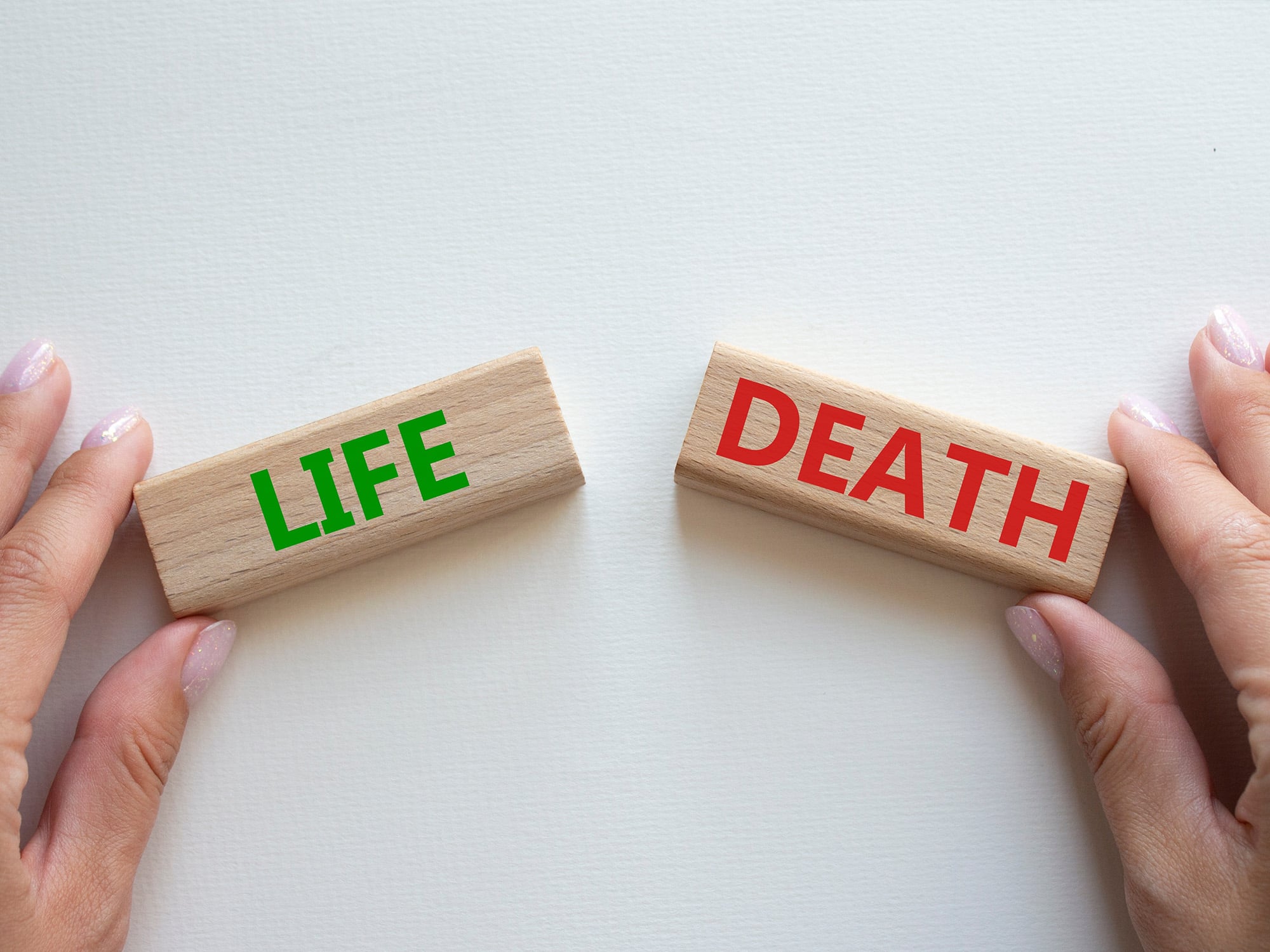
Hong Kong must break the taboos around end-of-life care and death




Hong Kong must break the taboos around end-of-life care and death

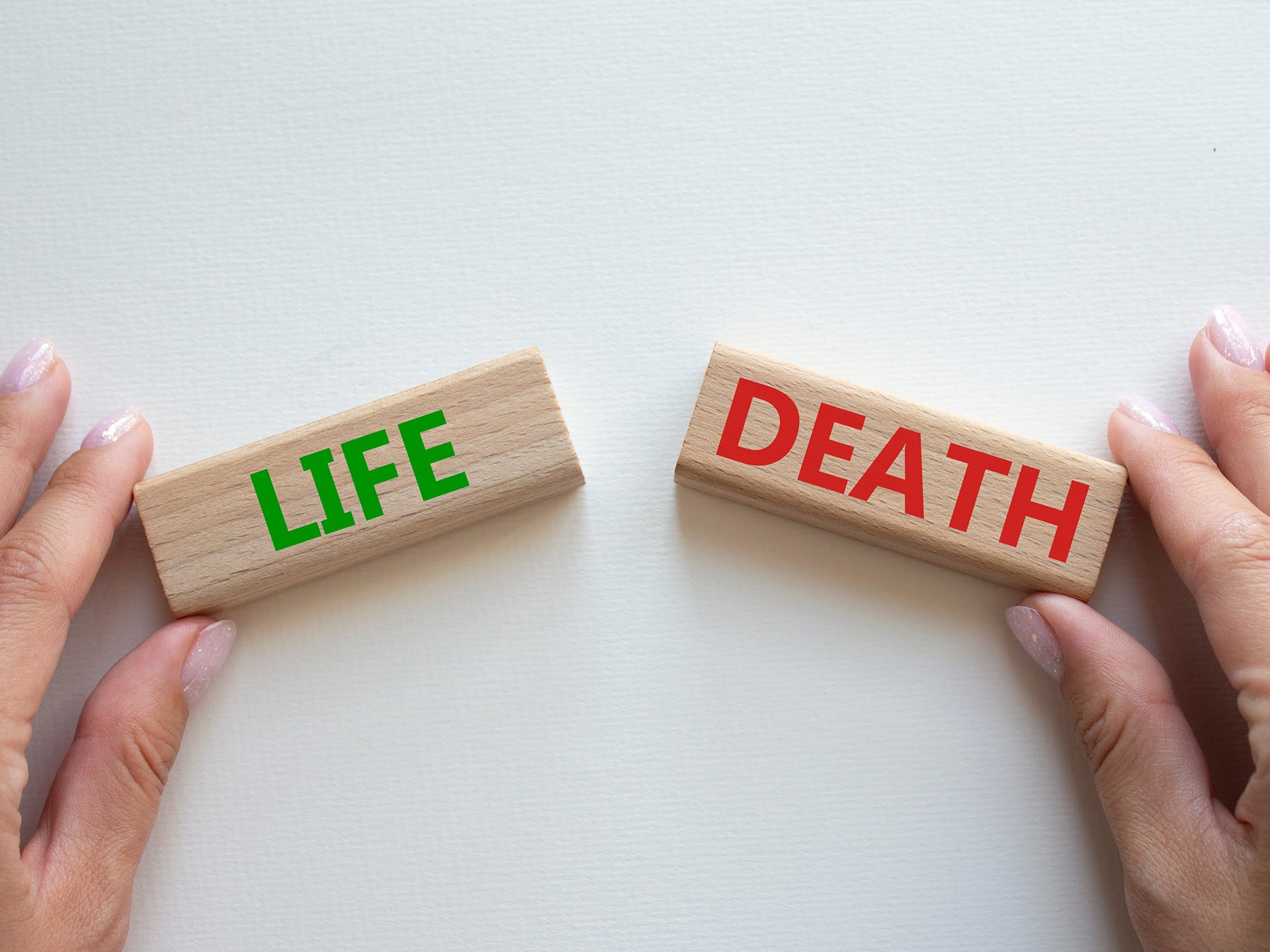
The passage of the Advance Decision on Life-sustaining Treatment Bill represents a significant milestone for end-of-life care. The long-awaited piece of legislation empowers individuals to make informed decisions about their end-of-life care, granting them control when one is mentally incapable. However, while the law lays the necessary foundation, the society is still emotional and culturally unprepared to make such decisions. To truly recognise this legislative advancement, the government must equip the society by providing comprehensive life-and-death education and facilitating open discussions about end-of-life care.
Although conversations surrounding death remains as taboo in many Asian societies, the recent blockbuster film "The Last Dance" has sparked a viral conversation about mortality. Excluding the influence of its actors and storyline in the equation, the success of the film could indicate a growing openness among the general public to explore this difficult subject of death. The film not only unveils the funeral rituals and procedures but more importantly illustrates the complex emotions and discussion tied to death. This presents a unique opportunity for the Government to promote life-and-death education through a more holistic approach that covers both school environment and the broader community.
Implementing a Multi-Faceted Educational Strategy
To harness the legislative and cultural momentum, the Government should implement a multi-faceted strategy that constructs both formal and informal learning environments for the life-and-death education.
First, we must look to our educational systems. Currently, the life education in schools falls short of adequately preparing young people to understand. While life education is included in the "Values Education Curriculum Framework", it mostly focuses on fostering an optimistic attitude towards challenges, respecting others, and valuing life, including animal protection. This narrow focus limits the coverage and understanding of crucial subjects such as loss, grief, and dying, leaving students unprepared when confronting these inevitable aspects of life.
Addressing this gap requires a more comprehensive integration of these topics into the curriculum. Curriculum revision should focus on ensuring that students can engage meaningfully with various levels of these subjects according to their age. Drawing inspiration from successful models in other regions, like Taiwan, which has integrated life-and-death education into its school curriculum since 1997, could provide a valuable roadmap for Hong Kong. This model emphasises a comprehensive approach, including courses and community activities on aging, bereavement, and end-of-life care, while integrating philosophical, humanistic, spiritual, and value elements.
To empower teachers to facilitate these discussions effectively, the provision of concrete curriculum guides and age-appropriate multimedia teaching resources could weave themes of mortality into various subjects, including Literature, History, and General Studies.
Expanding Public Engagement Beyond the Classroom
"The Last Dance" exemplifies how engaging media could be used as a powerful tool for public life-and-death education and better in encouraging open dialogues. The film provides a creative and relatable lens through which audiences could begin to confront and relate themselves to the realities of death.
Public bodies and organisations in the community should also come together to expand the reach and impact of life-and-death education. Outreach initiatives targeting diverse demographics, including younger generations and caregivers, are crucial. These programmes should be tailored to individuals at different life stages.
Creative programmes, such as helping seniors document their life stories, creating life-and-death-themed picture books with youths, and engaging in experiential pre-funeral farewell activities, can also be the means to foster community engagement. Such initiatives can help dismantle emotional barriers people often have when it comes to the topic of death and facilitate open conversations about death.
Another crucial area for expansion is to incorporate life-and-death education within elderly services. This can be achieved by integrating such education into active ageing initiatives, preparing individuals and families for a better understanding of end-of-life care. For instance, local NGOs have organised workshops that begin with sensory stimulation and art-making activities, allowing seniors to express their interests and wishes creatively. These engaging formats can naturally lead to discussions about care preferences and personal values. Additionally, practical programmes could include talks on the “Three Instruments of Peace,” which guide individuals in articulating their end-of-life wishes. These sessions could also provide valuable insights on how to communicate care preferences effectively with family members, ensuring that loved ones are aware of their desires.
The Government should also take one step forward to foster collaboration between community organisations and government-subsidised services, for example, through District Elderly Community Centres and District Health Centres. By increasing accessibility to these services, the community can better support its ageing population.
By embracing and advancing life-and-death education systematically, the Government can foster a society where acknowledging and sharing one's moments of dying becomes part of the natural process of living. As such, we can create a community where both the living and deceased find peace and understanding.


The passage of the Advance Decision on Life-sustaining Treatment Bill represents a significant milestone for end-of-life care. The long-awaited piece of legislation empowers individuals to make informed decisions about their end-of-life care, granting them control when one is mentally incapable. However, while the law lays the necessary foundation, the society is still emotional and culturally unprepared to make such decisions. To truly recognise this legislative advancement, the government must equip the society by providing comprehensive life-and-death education and facilitating open discussions about end-of-life care.
Although conversations surrounding death remains as taboo in many Asian societies, the recent blockbuster film "The Last Dance" has sparked a viral conversation about mortality. Excluding the influence of its actors and storyline in the equation, the success of the film could indicate a growing openness among the general public to explore this difficult subject of death. The film not only unveils the funeral rituals and procedures but more importantly illustrates the complex emotions and discussion tied to death. This presents a unique opportunity for the Government to promote life-and-death education through a more holistic approach that covers both school environment and the broader community.
Implementing a Multi-Faceted Educational Strategy
To harness the legislative and cultural momentum, the Government should implement a multi-faceted strategy that constructs both formal and informal learning environments for the life-and-death education.
First, we must look to our educational systems. Currently, the life education in schools falls short of adequately preparing young people to understand. While life education is included in the "Values Education Curriculum Framework", it mostly focuses on fostering an optimistic attitude towards challenges, respecting others, and valuing life, including animal protection. This narrow focus limits the coverage and understanding of crucial subjects such as loss, grief, and dying, leaving students unprepared when confronting these inevitable aspects of life.
Addressing this gap requires a more comprehensive integration of these topics into the curriculum. Curriculum revision should focus on ensuring that students can engage meaningfully with various levels of these subjects according to their age. Drawing inspiration from successful models in other regions, like Taiwan, which has integrated life-and-death education into its school curriculum since 1997, could provide a valuable roadmap for Hong Kong. This model emphasises a comprehensive approach, including courses and community activities on aging, bereavement, and end-of-life care, while integrating philosophical, humanistic, spiritual, and value elements.
To empower teachers to facilitate these discussions effectively, the provision of concrete curriculum guides and age-appropriate multimedia teaching resources could weave themes of mortality into various subjects, including Literature, History, and General Studies.
Expanding Public Engagement Beyond the Classroom
"The Last Dance" exemplifies how engaging media could be used as a powerful tool for public life-and-death education and better in encouraging open dialogues. The film provides a creative and relatable lens through which audiences could begin to confront and relate themselves to the realities of death.
Public bodies and organisations in the community should also come together to expand the reach and impact of life-and-death education. Outreach initiatives targeting diverse demographics, including younger generations and caregivers, are crucial. These programmes should be tailored to individuals at different life stages.
Creative programmes, such as helping seniors document their life stories, creating life-and-death-themed picture books with youths, and engaging in experiential pre-funeral farewell activities, can also be the means to foster community engagement. Such initiatives can help dismantle emotional barriers people often have when it comes to the topic of death and facilitate open conversations about death.
Another crucial area for expansion is to incorporate life-and-death education within elderly services. This can be achieved by integrating such education into active ageing initiatives, preparing individuals and families for a better understanding of end-of-life care. For instance, local NGOs have organised workshops that begin with sensory stimulation and art-making activities, allowing seniors to express their interests and wishes creatively. These engaging formats can naturally lead to discussions about care preferences and personal values. Additionally, practical programmes could include talks on the “Three Instruments of Peace,” which guide individuals in articulating their end-of-life wishes. These sessions could also provide valuable insights on how to communicate care preferences effectively with family members, ensuring that loved ones are aware of their desires.
The Government should also take one step forward to foster collaboration between community organisations and government-subsidised services, for example, through District Elderly Community Centres and District Health Centres. By increasing accessibility to these services, the community can better support its ageing population.
By embracing and advancing life-and-death education systematically, the Government can foster a society where acknowledging and sharing one's moments of dying becomes part of the natural process of living. As such, we can create a community where both the living and deceased find peace and understanding.