










Challenges ahead for logistics industry; how can HK stay on top of its game?




Challenges ahead for logistics industry; how can HK stay on top of its game?

Authors: Ryan Ip, head of land and housing research, and Jacqueline Hui, assistant researcher at Our Hong Kong Foundation
Editor’s note: Persistent shortage of land supply coupled with de-globalization trend has posed threat to Hong Kong’s role as key logistics hub in the region. The government must take swift actions to keep pace with its peers and competitors. Our Hong Kong Foundation has some suggestions.
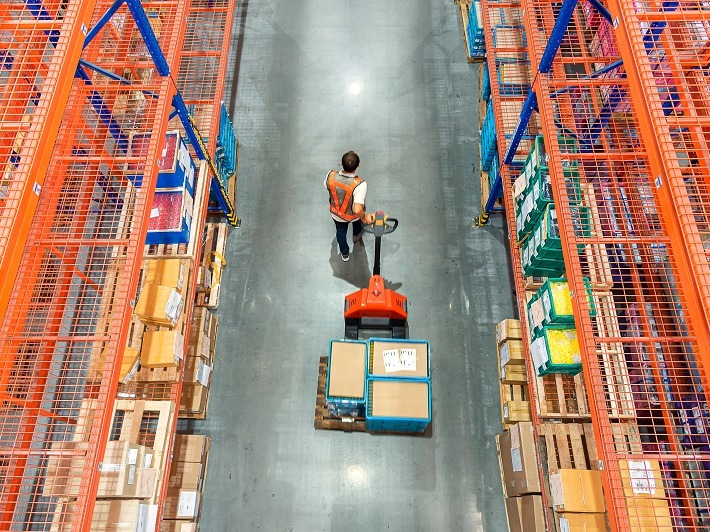
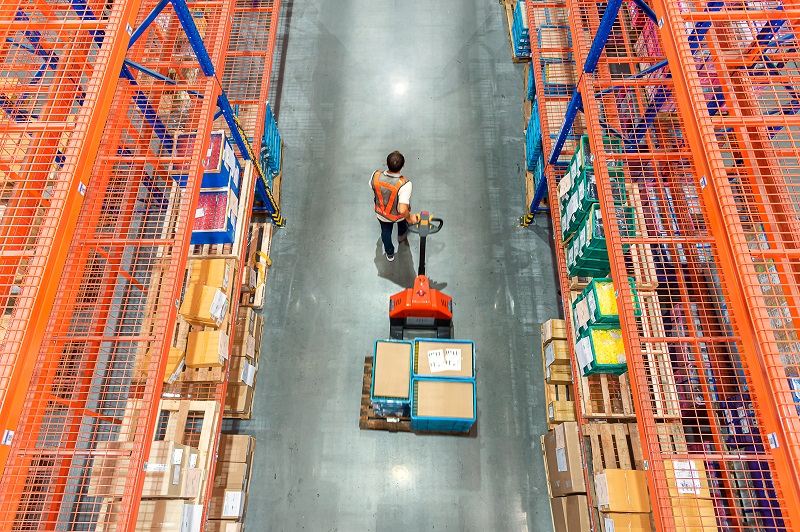
Growing geopolitical tensions have pushed business to rejig global supply chains and diversify sourcing bases, testing Hong Kong’s role as a key logistics hub. However, the logistics industry has been suffering from land constraints and inadequate policy support for a considerable time.
Located at the heart of Asia and in southern China, Hong Kong has been an international trading and logistic hub. However, insufficient availability of land has gradually eroded the industry’s competitive edge. From 2009-18, while the trading and logistics industry grew by 51 percent in terms of GDP, the supply of industrial land supporting its operation only increased by 8 percent. The huge gap between land supply and demand has resulted in a scarcity of space and facilities for the logistics sector, pushing down vacancy rates and driving up rents.
"With proper planning on industrial land and the establishment of an independent statutory body, it would add momentum to the development of Hong Kong’s logistics body."
In the face of high operating costs, logistics operators have been forced to relocate their operations to vacant agricultural land in the New Territories, giving rise to the availability of land supply known as “brownfield sites”. According to a study by the Planning Department, nearly half of active brownfield sites are currently engaged in logistics-related operations. Brownfield sites are indeed important ancillary land to support economic activities. However, the lack of proper planning has resulted in problems such as environmental pollution and nuisance to nearby residents, leading to the public having a negative perception of brownfield sites.
In the future, with the implementation of the New Development Areas and other development projects in the New Territories, many brownfield sites will be reapportioned for other uses such as housing. Our Hong Kong Foundation estimated that 390 hectares (3.9 square kilometers) of brownfield sites will be redeveloped by 2030, reducing the stock of land supply for industries.
To address such challenges, the special administrative region government should establish a logistics node at each of the four strategic locations in the New Territories. The proposed locations include the Hong Kong Boundary Crossing Facilities Island, Lung Kwu Tan and western Tuen Mun, northwest New Territories and northern New Territories. Each logistics node would be designed with complementary functions. For instance, Lung Kwu Tan and western Tuen Mun area could serve as an airport logistics consolidation center as it is connected to the airport via the soon-to-be commissioned Tuen Mun-Chek Lap Kok Link, and to the Hong Kong-Shenzhen Western Highway via the proposed Tuen Mun Western Bypass.
To provide a level playing field for companies of all sizes, we suggest that the government rethink its site allocation mechanism within the logistics nodes. Rather than simply awarding land to applicants with the highest bids, industrial parks in places such as Singapore and Europe have mechanisms on allocating sites to cater for the needs of both small- and medium-sized enterprises and large logistics operators.
As the management of logistics nodes requires strong industry acumen, we recommend that these logistics nodes should be managed by a new statutory body. The statutory body would be given the responsibility of driving the long-term development of Hong Kong’s strategic industries, including logistics. While there are several logistics-related advisory bodies in Hong Kong, they lack the administrative power to manage land and implement policy. The government should consider upgrading or integrating the Hong Kong Maritime and Port Board, the Hong Kong Logistics Development Council and the Hong Kong Trade Development Council into a statutory body. Not only could it manage land in the logistics nodes more efficiently, it could also respond to market change timelier and actively promote the industry.
Comprehensive land use planning in the New Territories can rationalize unorganized brownfield operations and facilitate operators to relocate, thereby releasing the sites for other uses. With proper planning on industrial land and the establishment of an independent statutory body, it would add momentum to the development of Hong Kong’s logistics body. People need shelters as well as jobs. The government should act swiftly so that Hong Kong’s economy can continue to thrive in the future.


Authors: Ryan Ip, head of land and housing research, and Jacqueline Hui, assistant researcher at Our Hong Kong Foundation
Editor’s note: Persistent shortage of land supply coupled with de-globalization trend has posed threat to Hong Kong’s role as key logistics hub in the region. The government must take swift actions to keep pace with its peers and competitors. Our Hong Kong Foundation has some suggestions.
Growing geopolitical tensions have pushed business to rejig global supply chains and diversify sourcing bases, testing Hong Kong’s role as a key logistics hub. However, the logistics industry has been suffering from land constraints and inadequate policy support for a considerable time.
Located at the heart of Asia and in southern China, Hong Kong has been an international trading and logistic hub. However, insufficient availability of land has gradually eroded the industry’s competitive edge. From 2009-18, while the trading and logistics industry grew by 51 percent in terms of GDP, the supply of industrial land supporting its operation only increased by 8 percent. The huge gap between land supply and demand has resulted in a scarcity of space and facilities for the logistics sector, pushing down vacancy rates and driving up rents.
"With proper planning on industrial land and the establishment of an independent statutory body, it would add momentum to the development of Hong Kong’s logistics body."
In the face of high operating costs, logistics operators have been forced to relocate their operations to vacant agricultural land in the New Territories, giving rise to the availability of land supply known as “brownfield sites”. According to a study by the Planning Department, nearly half of active brownfield sites are currently engaged in logistics-related operations. Brownfield sites are indeed important ancillary land to support economic activities. However, the lack of proper planning has resulted in problems such as environmental pollution and nuisance to nearby residents, leading to the public having a negative perception of brownfield sites.
In the future, with the implementation of the New Development Areas and other development projects in the New Territories, many brownfield sites will be reapportioned for other uses such as housing. Our Hong Kong Foundation estimated that 390 hectares (3.9 square kilometers) of brownfield sites will be redeveloped by 2030, reducing the stock of land supply for industries.
To address such challenges, the special administrative region government should establish a logistics node at each of the four strategic locations in the New Territories. The proposed locations include the Hong Kong Boundary Crossing Facilities Island, Lung Kwu Tan and western Tuen Mun, northwest New Territories and northern New Territories. Each logistics node would be designed with complementary functions. For instance, Lung Kwu Tan and western Tuen Mun area could serve as an airport logistics consolidation center as it is connected to the airport via the soon-to-be commissioned Tuen Mun-Chek Lap Kok Link, and to the Hong Kong-Shenzhen Western Highway via the proposed Tuen Mun Western Bypass.
To provide a level playing field for companies of all sizes, we suggest that the government rethink its site allocation mechanism within the logistics nodes. Rather than simply awarding land to applicants with the highest bids, industrial parks in places such as Singapore and Europe have mechanisms on allocating sites to cater for the needs of both small- and medium-sized enterprises and large logistics operators.
As the management of logistics nodes requires strong industry acumen, we recommend that these logistics nodes should be managed by a new statutory body. The statutory body would be given the responsibility of driving the long-term development of Hong Kong’s strategic industries, including logistics. While there are several logistics-related advisory bodies in Hong Kong, they lack the administrative power to manage land and implement policy. The government should consider upgrading or integrating the Hong Kong Maritime and Port Board, the Hong Kong Logistics Development Council and the Hong Kong Trade Development Council into a statutory body. Not only could it manage land in the logistics nodes more efficiently, it could also respond to market change timelier and actively promote the industry.
Comprehensive land use planning in the New Territories can rationalize unorganized brownfield operations and facilitate operators to relocate, thereby releasing the sites for other uses. With proper planning on industrial land and the establishment of an independent statutory body, it would add momentum to the development of Hong Kong’s logistics body. People need shelters as well as jobs. The government should act swiftly so that Hong Kong’s economy can continue to thrive in the future.