





Striding boldly on the community stage




Striding boldly on the community stage

Authors: Alvin Cheung, senior researcher and Helen So, assistant researcher at the Public Policy Institute of Our Hong Kong Foundation
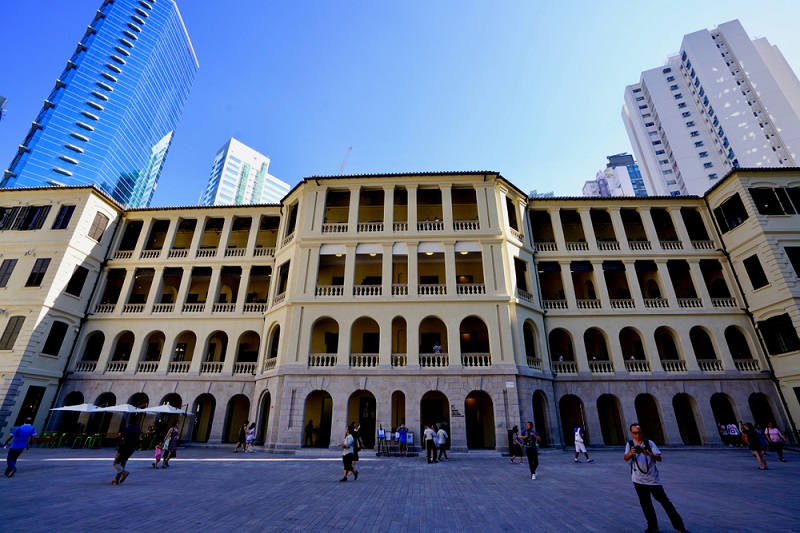
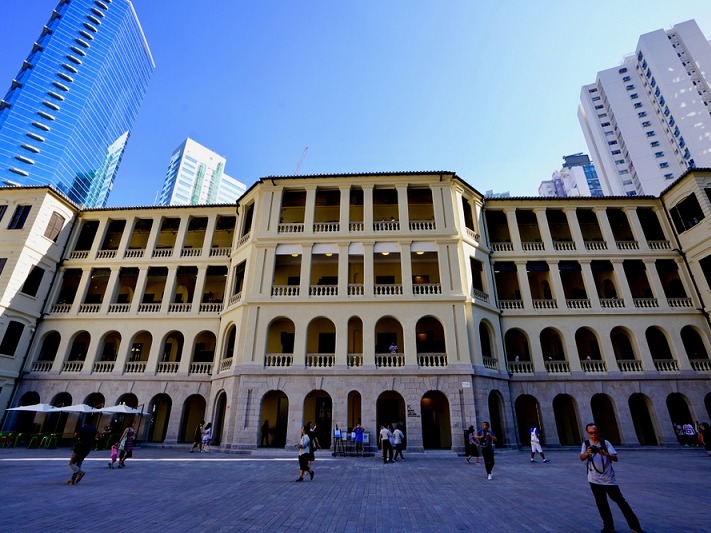
When on Hollywood Road Central you'll notice that the former Central Police Station complex that included Hong Kong's first police headquarters, first magistracy and first prison has been transformed.
Now it's called Tai Kwun - the Centre for Heritage and Arts. And the addition of a footbridge to connect Tai Kwun with the Mid-Levels escalator system means the center integrates seamlessly with the rest of Central.
From the outside, Tai Kwun's colonialist flavor is tangible, but stepping inside this gives way to an overflowing surge of creativity and passion with an abundance of arts and cultural offerings. This is where Tai Kwun - the translation is "Big Station" - promotes an inclusive society through arts and culture.
The culturally vibrant and inaugural 100 Faces of Tai Kwun exhibition is a good example of inclusion and belonging to the community. It records and exhibits a living history made up of verbal testaments of 100 locals, where contributions from kaifongs of different standing and generations of society have been combined for a collective memory.
When a butcher remembers his conversation with a policeman back in the day, and that policeman remembers a case he dealt with that involved a kaifong from around the corner, long-ago links are reconnected and a communal sense of belonging is reignited.
This powerful statement of social inclusion and belonging is expressed through excerpts from kaifongs across all backgrounds, such as blue-collar police officers, white-collar lawyers and those who worked for the magistracy as well as hawkers and "no-collars."
Of course, arts and culture have for centuries promoted understanding and action on issues facing single societies and the wider world, playing an important role in strengthening communities and reinvigorating neighborhoods by virtue of promoting social inclusion.
So it is with Tai Kwun and Hong Kong. And endeavors for strengthening the neighborhood can be found in good numbers when you look around.
They include the Hand in Hand Capable Theatre, which connects the community with people living with disabilities through drama, Youth Outreach's School of Hip Hop that empowers non-engaged youth through dance, and Tung Wah's E Major Ensemble that aims to delay the aging process by keeping the elderly integrated with society through making music together.
Participatory arts such as these come in different forms and expand the scope of people's involvement in society by improving access to cultural rights and connecting individuals. Truly, arts inclusion.
Tai Kwun as a shared platform engages a mass of people in experiencing the impact of arts and culture. And when there are many more projects and initiatives out there that do not command as much attention as Tai Kwun arts inclusion is vital.
It's therefore timely for us as a community to consider more initiatives and arts program that bring together people of different backgrounds and abilities. We must also hope for a government that can be more proactive in cultivating awareness by maximizing use of its current structures in health and social welfare sectors to foster collaboration.


Authors: Alvin Cheung, senior researcher and Helen So, assistant researcher at the Public Policy Institute of Our Hong Kong Foundation
When on Hollywood Road Central you'll notice that the former Central Police Station complex that included Hong Kong's first police headquarters, first magistracy and first prison has been transformed.
Now it's called Tai Kwun - the Centre for Heritage and Arts. And the addition of a footbridge to connect Tai Kwun with the Mid-Levels escalator system means the center integrates seamlessly with the rest of Central.
From the outside, Tai Kwun's colonialist flavor is tangible, but stepping inside this gives way to an overflowing surge of creativity and passion with an abundance of arts and cultural offerings. This is where Tai Kwun - the translation is "Big Station" - promotes an inclusive society through arts and culture.
The culturally vibrant and inaugural 100 Faces of Tai Kwun exhibition is a good example of inclusion and belonging to the community. It records and exhibits a living history made up of verbal testaments of 100 locals, where contributions from kaifongs of different standing and generations of society have been combined for a collective memory.
When a butcher remembers his conversation with a policeman back in the day, and that policeman remembers a case he dealt with that involved a kaifong from around the corner, long-ago links are reconnected and a communal sense of belonging is reignited.
This powerful statement of social inclusion and belonging is expressed through excerpts from kaifongs across all backgrounds, such as blue-collar police officers, white-collar lawyers and those who worked for the magistracy as well as hawkers and "no-collars."
Of course, arts and culture have for centuries promoted understanding and action on issues facing single societies and the wider world, playing an important role in strengthening communities and reinvigorating neighborhoods by virtue of promoting social inclusion.
So it is with Tai Kwun and Hong Kong. And endeavors for strengthening the neighborhood can be found in good numbers when you look around.
They include the Hand in Hand Capable Theatre, which connects the community with people living with disabilities through drama, Youth Outreach's School of Hip Hop that empowers non-engaged youth through dance, and Tung Wah's E Major Ensemble that aims to delay the aging process by keeping the elderly integrated with society through making music together.
Participatory arts such as these come in different forms and expand the scope of people's involvement in society by improving access to cultural rights and connecting individuals. Truly, arts inclusion.
Tai Kwun as a shared platform engages a mass of people in experiencing the impact of arts and culture. And when there are many more projects and initiatives out there that do not command as much attention as Tai Kwun arts inclusion is vital.
It's therefore timely for us as a community to consider more initiatives and arts program that bring together people of different backgrounds and abilities. We must also hope for a government that can be more proactive in cultivating awareness by maximizing use of its current structures in health and social welfare sectors to foster collaboration.