








City needs rigorous plans for child abuse prevention




City needs rigorous plans for child abuse prevention

Authors: Stephen Wong, Legislative Council member, Our Hong Kong Foundation senior vice-president and executive director of the Public Policy Institute and Pamela Tin, assistant research director and head of health care and social development at Our Hong Kong Foundation
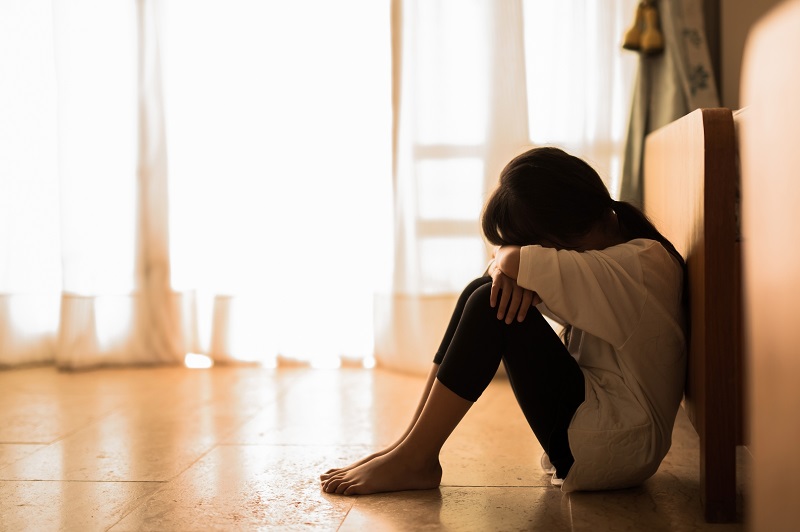
While the gravity of government attention shifts to pandemic control, the safeguarding of children who were abused or witnesses of abuse at the Children’s Residential Home (CRH) operated by the Hong Kong Society for the Protection of Children (HKSPC) should not be left aside. Let us not repeat our passive posture to tackling emergencies, and instead, begin to actively plan for the urgently required care for child abuse victims at the same time as preventing future cases of child abuse in our community and institutions.
Recent child-abuse cases reported at the CRH under the HKSPC are only the “tip of the iceberg”. According to the Hong Kong Police, within the first three quarters of 2021, the number of child abuse cases surged 66 percent from the entire year of 2020 to a total of 871 cases, out of which 153 cases involved children aged zero to 5 (18 percent). However, most, if not all of these cases concern abuse that occurred at home or in public spaces rather than in childcare institutions, rendering this statistic a likely underestimate.
The delay in identification of abusive behaviors at HKSPC despite regular inspections reveals but a bigger problem: an undersupplied, overwhelmed and poorly trained child welfare workforce that undergirds the negative caretaking culture in the CRH and late detection of harm. In the special meeting held with the Legislative Council Panel of Welfare Services on Jan 31 on this incident, a large extent of the discussion revolved around a much-needed review on inspection guidelines and expediting the legislative work on mandatory reporting for child abuse. There was, however, little mention of and no consensus on a plan to ensure the recovery of abuse victims.
According to statistics provided by the Social Welfare Department (SWD), there are still about 50 to 60 children living in the CRH with more than 30 suspected victims of abuse hospitalized as of Jan 17. The secretary for labour and welfare said that calls for help had already been made to the child welfare sector to accommodate the children, and options for their placement were explored resulting in the decision to keep the remaining children within the CRH “for the welfare of the children”.
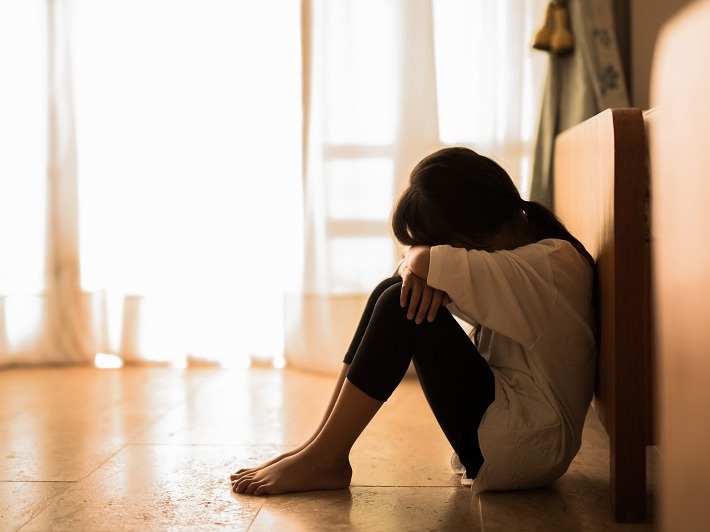
While we can trust that due consideration was made for best plans for these children, it would be worthy to reiterate that timely recovery interventions are necessary to support their development, be it the victims or witnesses of violence. Research supports that the first three years of life are important for the cognitive, physical, social and emotional development of children, thus child abuse would have great impacts on their subsequent development. For example, a meta-analysis shows that child maltreatment causes mental disorders and poorer health outcomes. Such impacts are long-lasting, with evidence for the link between child physical abuse and externalizing behavior problems, and between child emotional abuse and mental disorders at adolescence and early adulthood.
Therefore, it would be important for the government to focus efforts on supporting these children to ensure their recovery from direct and vicarious trauma. Remedial measures are urgently needed to help mitigate the harm already done to these children. While the SWD has sent cross-disciplinary teams to assess affected children, long-term treatment plans that might include the provision of evidence-based therapeutic interventions should be considered. SWD professionals must flag up these cases to current and future caretakers at the institution, and support them in addressing long-term effects of trauma with clear guidelines.
Furthermore, an effective way to mitigate the psychosocial impact of abuse is to consider the role of foster care, which has been demonstrated as a more optimal option for a child’s long-term development when compared to institutional care. NGOs such as Starfish are ready to identify potential foster parents or retired couples with a strong commitment to the well-being of children in Hong Kong. This could serve as at least an interim solution for the childcare worker (CCW) shortage. To facilitate this, the capacity and recruitment of foster families, and foster care allowances should be increased with reference to international practice.
On the other hand, COVID-19 has placed CCWs under great strain, particularly since usual child care volunteers cannot work under the facility during the pandemic. It is perhaps time for the government to also review its child welfare services with particular attention to measures to reduce CCW’s caseloads in residential facilities to enhance the long-term sustainability of Hong Kong’s child protection system, and include clear goals for the training and allocation of child protection workers and family caseworkers to residential care services. As the SWD opens more child-care facilities to respond to the greater demand for child care, including child care centers and group homes, the deployment of adequate manpower should be “part and parcel” of child abuse prevention. Greater financial incentives to retain current staff, outreach to universities that train social workers, and regulating and upscaling professional organizations that offer training for infant and child care should be considered.
As the prevalence of reported child abuse increases globally because of COVID-19-related stressors, the child welfare workforce in Hong Kong must be enhanced to help abused children recover, and importantly, prevent more from falling into harm.


Authors: Stephen Wong, Legislative Council member, Our Hong Kong Foundation senior vice-president and executive director of the Public Policy Institute and Pamela Tin, assistant research director and head of health care and social development at Our Hong Kong Foundation
While the gravity of government attention shifts to pandemic control, the safeguarding of children who were abused or witnesses of abuse at the Children’s Residential Home (CRH) operated by the Hong Kong Society for the Protection of Children (HKSPC) should not be left aside. Let us not repeat our passive posture to tackling emergencies, and instead, begin to actively plan for the urgently required care for child abuse victims at the same time as preventing future cases of child abuse in our community and institutions.
Recent child-abuse cases reported at the CRH under the HKSPC are only the “tip of the iceberg”. According to the Hong Kong Police, within the first three quarters of 2021, the number of child abuse cases surged 66 percent from the entire year of 2020 to a total of 871 cases, out of which 153 cases involved children aged zero to 5 (18 percent). However, most, if not all of these cases concern abuse that occurred at home or in public spaces rather than in childcare institutions, rendering this statistic a likely underestimate.
The delay in identification of abusive behaviors at HKSPC despite regular inspections reveals but a bigger problem: an undersupplied, overwhelmed and poorly trained child welfare workforce that undergirds the negative caretaking culture in the CRH and late detection of harm. In the special meeting held with the Legislative Council Panel of Welfare Services on Jan 31 on this incident, a large extent of the discussion revolved around a much-needed review on inspection guidelines and expediting the legislative work on mandatory reporting for child abuse. There was, however, little mention of and no consensus on a plan to ensure the recovery of abuse victims.
According to statistics provided by the Social Welfare Department (SWD), there are still about 50 to 60 children living in the CRH with more than 30 suspected victims of abuse hospitalized as of Jan 17. The secretary for labour and welfare said that calls for help had already been made to the child welfare sector to accommodate the children, and options for their placement were explored resulting in the decision to keep the remaining children within the CRH “for the welfare of the children”.
While we can trust that due consideration was made for best plans for these children, it would be worthy to reiterate that timely recovery interventions are necessary to support their development, be it the victims or witnesses of violence. Research supports that the first three years of life are important for the cognitive, physical, social and emotional development of children, thus child abuse would have great impacts on their subsequent development. For example, a meta-analysis shows that child maltreatment causes mental disorders and poorer health outcomes. Such impacts are long-lasting, with evidence for the link between child physical abuse and externalizing behavior problems, and between child emotional abuse and mental disorders at adolescence and early adulthood.
Therefore, it would be important for the government to focus efforts on supporting these children to ensure their recovery from direct and vicarious trauma. Remedial measures are urgently needed to help mitigate the harm already done to these children. While the SWD has sent cross-disciplinary teams to assess affected children, long-term treatment plans that might include the provision of evidence-based therapeutic interventions should be considered. SWD professionals must flag up these cases to current and future caretakers at the institution, and support them in addressing long-term effects of trauma with clear guidelines.
Furthermore, an effective way to mitigate the psychosocial impact of abuse is to consider the role of foster care, which has been demonstrated as a more optimal option for a child’s long-term development when compared to institutional care. NGOs such as Starfish are ready to identify potential foster parents or retired couples with a strong commitment to the well-being of children in Hong Kong. This could serve as at least an interim solution for the childcare worker (CCW) shortage. To facilitate this, the capacity and recruitment of foster families, and foster care allowances should be increased with reference to international practice.
On the other hand, COVID-19 has placed CCWs under great strain, particularly since usual child care volunteers cannot work under the facility during the pandemic. It is perhaps time for the government to also review its child welfare services with particular attention to measures to reduce CCW’s caseloads in residential facilities to enhance the long-term sustainability of Hong Kong’s child protection system, and include clear goals for the training and allocation of child protection workers and family caseworkers to residential care services. As the SWD opens more child-care facilities to respond to the greater demand for child care, including child care centers and group homes, the deployment of adequate manpower should be “part and parcel” of child abuse prevention. Greater financial incentives to retain current staff, outreach to universities that train social workers, and regulating and upscaling professional organizations that offer training for infant and child care should be considered.
As the prevalence of reported child abuse increases globally because of COVID-19-related stressors, the child welfare workforce in Hong Kong must be enhanced to help abused children recover, and importantly, prevent more from falling into harm.